
Lake Condah: Gunditjmara Cultural Tour & Ancient Eel Traps


Walk ancient stone country at Tae Rak with local stories and eel traps
You’ll walk beside a Gunditjmara guide at Lake Condah, hearing creation stories and seeing ancient eel traps up close. Watch kooyang glide through holding tanks, feel the texture of stone country underfoot, and listen for bird calls over the water. Expect quiet moments that stick with you long after you leave.
 2h
2h

Step-by-step itinerary
Guided tour of Tae Rak Aquaculture Centre
- Meet Gunditjmara guide at Aquaculture Centre
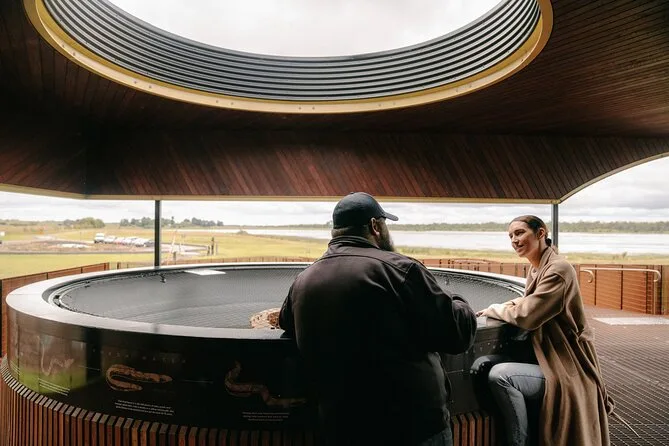
- Overview of kooyang holding tank and processing facility
- Learn Gunditjmara creation story
- Observe marine and bird-life of the lake
- Walk along western edge to the weir
- Explore ancient stone aquaculture sites and fish traps
- Learn about culturally significant flora and fauna
- Introduction to traditional kooyang harvesting and processing
- Discover network of aquaculture systems for food and trade

The Experience
I didn’t really know what to expect when we pulled up at Tae Rak Aquaculture Centre—Lake Condah, if you’re searching on maps. The air smelled like wet grass and something earthy, almost smoky. Our Gunditjmara guide, Aunty Eileen, waved us in with this big smile. She started right away with the creation story—her voice kind of low but steady—and I realized I’d never heard a place described like that before. There were eels wriggling in tanks behind her (kooyang, she called them), and someone’s kid was giggling at their slippery bodies. Honestly, it was hard not to grin.
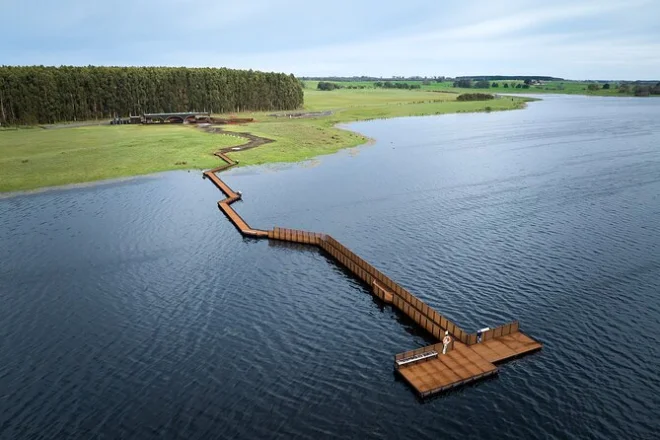
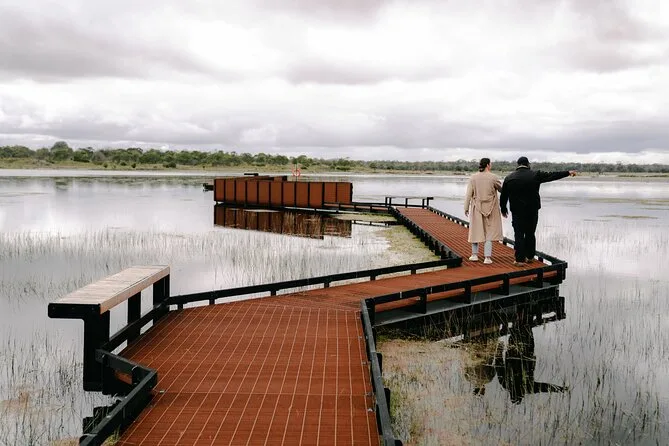
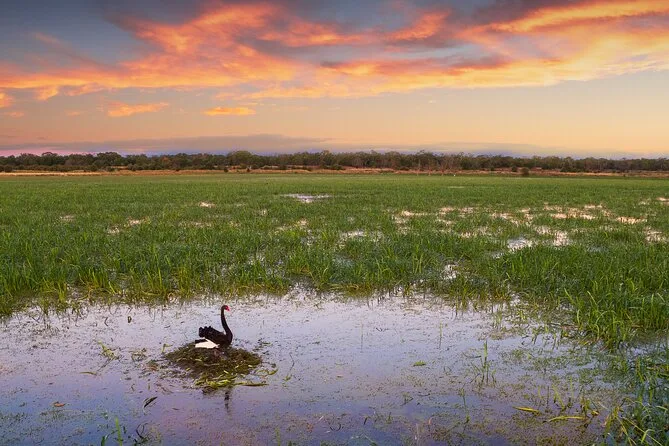
We wandered along the lake’s edge after that. The sky was pale and wide, and birds kept darting over the water—herons maybe? I’m not great with birds. Aunty Eileen pointed out these old stones half-hidden in grass; turns out they’re part of an ancient aquaculture system built by her ancestors thousands of years ago. She showed us how the traps worked for catching kooyang, explaining it all so casually you could almost forget you were standing on a World Heritage site. My shoes got muddy but I didn’t care—there was something grounding about it all.
There was a moment near the weir where everything went quiet except for wind moving through reeds and someone’s laugh behind me. You could see how the water flowed between rocks, still doing its job after all this time. I tried repeating some Gunditjmara words back to Aunty Eileen—she laughed (kindly) at my pronunciation. It felt good just being included in that small way. On the way back I kept thinking about how much knowledge sits in these stones and waterways, still alive if you pay attention—you know?

What’s included
Your day includes a guided walk with a Gunditjmara guide starting at Tae Rak Aquaculture Centre—with access to amenities like restrooms—and time to explore eel holding tanks, processing facilities, plus all walking routes are accessible for wheelchairs or strollers.
Operated by Budj Bim Cultural Landscape Tourism
Traveler reviews
More experiences you might like
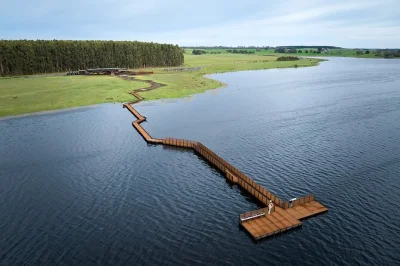 Lake Condah: Gunditjmara Cultural Tour & Ancient Eel Traps★ 4.92 (213)2hENAU$ 89
 Budj Bim: Kooyang Yana Full Day Tour with Eel Tasting & Cultural WalksFeel the cool air by Budj Bim’s lava tunnels, taste smoked eel at Tae Rak, and walk ancient aquaculture sites with a Gunditjmara guide. Includes lunch & transport.★ 4.94 (101)8hENAU$ 199View ›
 Wilsons Promontory whale watching cruise: humpback migrationWatch humpback whales and calves migrate past Wilsons Promontory on a 6-hour catamaran cruise with meals and live commentary from marine experts.★ 4.88 (105)6hENAU$ 255View ›
Top questions
How long is the Lake Condah cultural tour?
The guided tour lasts about 2 hours.
Is the tour suitable for people using wheelchairs or strollers?
Yes, all areas and surfaces are wheelchair accessible and suitable for prams or strollers.
Are restrooms available during the tour?
Yes, there are restroom facilities on site at Tae Rak Aquaculture Centre.
What will we learn about on this tour?
You’ll learn about Gunditjmara culture, creation stories, ancient aquaculture systems, kooyang (eel) harvesting, and local flora and fauna.
Does the tour include seeing live eels?
Yes, you’ll see live kooyang (eels) in holding tanks at the Aquaculture Centre.
Is lunch or food included?
No lunch is included but there is a café and retail space at the centre.
Are service animals allowed?
Yes, service animals are allowed on this tour.
Lake Condah: Gunditjmara Cultural Tour & Ancient Eel Traps
2h · EN
from AU$ 89 per person
★★★★★★★★★★4.92213 reviews
