
Buenos Aires Graffiti Art Tour: Palermo & Colegiales Street Art




Two Neighborhoods, Dozens of Artists: How Buenos Aires Writes Its History on Walls
You walk through two Buenos Aires neighborhoods with a professional guide who knows the artists, the history, and why each wall matters. You see murals from local and international creators, learn how street art connects to Argentina's past, and watch how the scene keeps evolving in real time. Groups stay under 25, so you're close enough to hear the guide without shouting, and the route is planned so you don't waste time figuring out transport between stops.
 2h
2h

Step-by-step itinerary
Explore Colegiales and Palermo art
- Visit Palermo neighborhood art
- Explore Colegiales flea market murals

The Experience
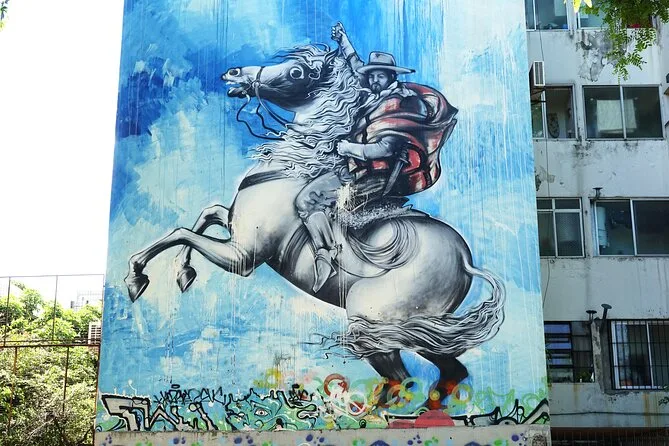
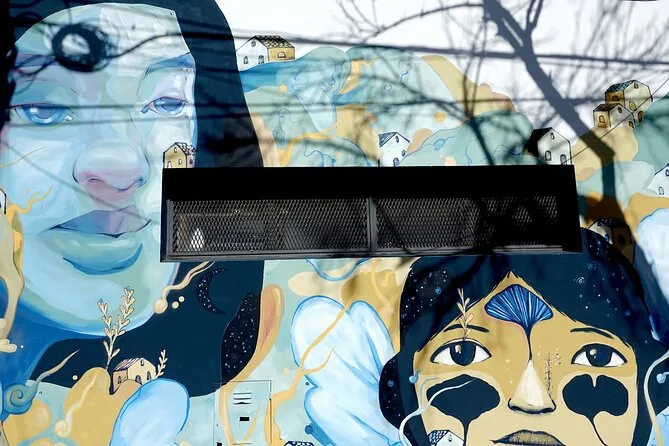
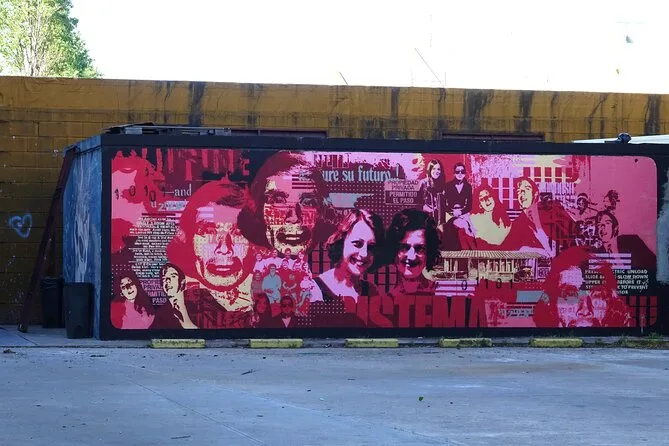
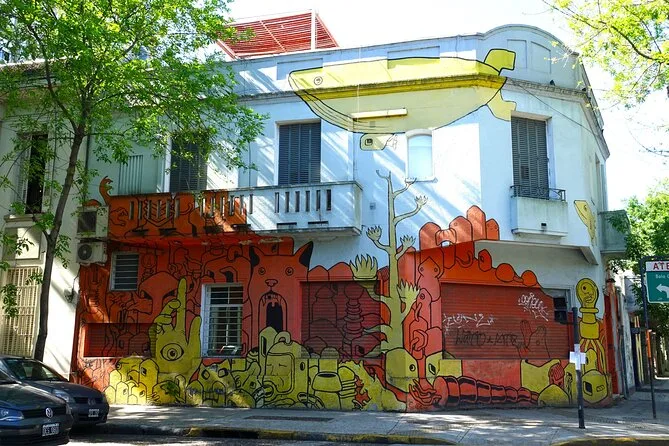
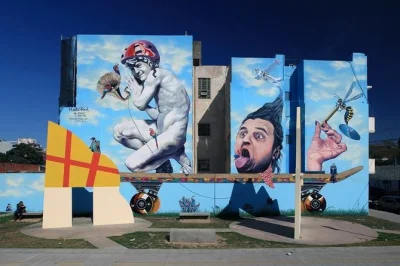
You walk into Palermo expecting one thing and the walls start talking back. That's the moment this tour clicks — when you realize the murals aren't decoration, they're a conversation between the city and the people who live in it. A professional guide leads groups of no more than 25 through Palermo and Colegiales, two neighborhoods where street art isn't a trend, it's how the story gets told. You'll see work from local artists and international names who've come to paint here, and the guide connects the pieces — literally and historically — to Argentina's past and how the scene keeps changing.
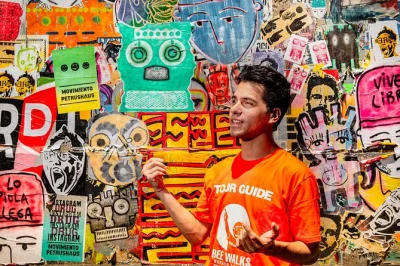
Colegiales is where you'll find the flea market covered in stencil work and paste-ups, the kind of layered, evolving pieces that show you how the movement breathes. Palermo has the range: different styles, different eras, different hands. The route moves between them without you having to figure out the metro or flag down a taxi, which matters more than it sounds when you're trying to actually look at things instead of navigate. The guide doesn't just point; they explain why these walls matter to how Argentina sees itself, which is the part that sticks with you after you leave.
The tour runs small enough that you're not shuffling behind a flag, but large enough that you're not the only person there asking questions. Wheelchair users can join — all surfaces are accessible, and if you're traveling with kids or a stroller, that works too. It's the kind of thing you can do in an afternoon without it eating your whole day, but it doesn't feel rushed.

What’s included
- Your tour includes a professional guide who leads you through Palermo and Colegiales, explaining the artists, styles, and how Argentina's history connects to the street art movement.
- You see murals from local and international creators and learn how the scene evolves across different neighborhoods.
- The small-group format (max 25 people) and accessible route mean you can focus on the art without managing logistics.
Operated by Graffitimundo
Is this one for you?Book this if you want to understand Buenos Aires through its walls instead of just walking past them — the guide does the heavy lifting of context and history, so you get the full picture without having to research it yourself.
Traveler reviews
Compare the 13 similar options
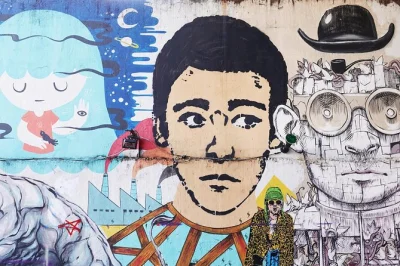 Buenos Aires Graffiti Art Tour: Palermo & Colegiales Street Art★ 4.72 (311)2hENUS$ 38
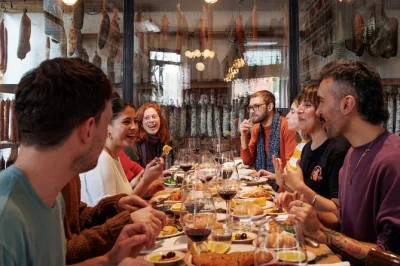 Buenos Aires food tour in Palermo: 4 restaurants, Argentine steakWalk through Palermo with a local guide and taste Argentine cuisine across 4 restaurants—empanadas, milanesa, famous steak and dessert included in 3.5 hours.★ 4.97 (8,178)3h 30mEN · ESUS$ 93View ›
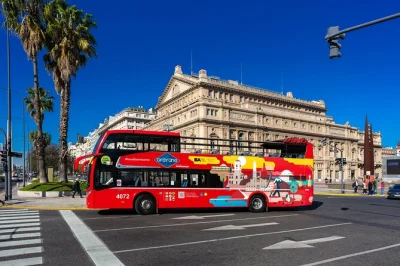 Buenos Aires: Hop-On Hop-Off Bus & Free Walking ToursHop-on hop-off bus with 26 stops across Buenos Aires, multilingual audio guide, and free walking tours from select stops. Includes voucher book with local discounts.★ 4.39 (2,989)3h 30mEN · ESUS$ 39View ›
 Buenos Aires Photo Walk & Portrait Session with LocalCapture your Buenos Aires adventure with a local photographer. Explore iconic neighborhoods, get professional photos, and receive your images by email. Book now.★ 4.92 (37)1h–1h 30mEN · PT +1US$ 89View ›
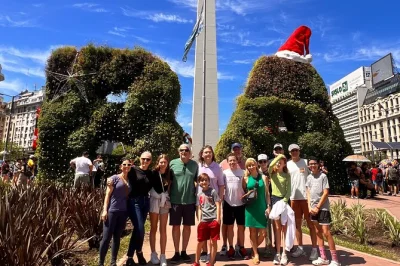 Buenos Aires: Private City Tour by Car with Flexible StopsFeel the pulse of Buenos Aires on a private city tour by car. Explore La Boca, San Telmo, Recoleta Cemetery & more with hotel pickup and a local guide included.★ 4.96 (228)6hEN · PT +1US$ 250View ›
 Buenos Aires Palermo: Street Art Tour & Graffiti MuralsStreet art walking tour through Buenos Aires' Palermo with expert guide. See Martin Ron murals, Alfredo Segatori works, and graffiti history. 2–3 hours, small groups.★ 4.90 (870)2hENUS$ 13View ›
 Buenos Aires Street Art Walking Tour: Small Shared GroupWalk through Villa Urquiza and Coghlan on Tuesday, Thursday or Saturday afternoons with a street art expert guide who curated the murals you're seeing★ 4.93 (151)2h 30mENUS$ 26View ›
 Buenos Aires: Palermo food walk with local guide & wineEat your way through Palermo’s parrillas in Buenos Aires, with a local guide, three stops, Argentine beef, wine, and dessert. Book now for a real taste.★ 4.86 (185)2h 30mEN · DE +3US$ 130View ›
 Recoleta and Palermo bike tour Buenos Aires: 4-hour guided rideBike tour through Recoleta and Palermo neighborhoods in Buenos Aires with guide, helmet and water included — ride past the Evita Perón Monument★ 4.86 (170)4hEN · FR +1US$ 40View ›
 Buenos Aires bike tour: Palermo, Recoleta & Puerto MaderoRide through three Buenos Aires neighborhoods in 3 hours on a guided bike tour—beach cruiser, helmet and water included, with morning or afternoon departures.★ 4.46 (91)3hEN · ESUS$ 51View ›
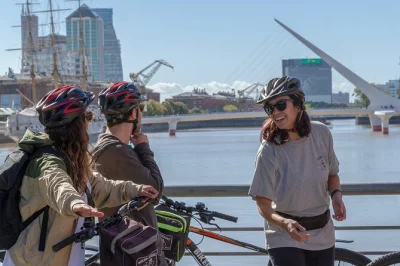 Buenos Aires: Full Day Bike, Food & Culture Small GroupPedal Buenos Aires with a local host, taste mate & empanadas, and explore San Telmo, La Boca & Recoleta by bike. Includes lunch, snacks, and all gear.★ 4.97 (175)8hEN · IT +2US$ 110View ›
 Buenos Aires Bike Tour: Palermo, San Telmo & Puerto MaderoFull-day Buenos Aires bike tour covering San Telmo, Caminito, Puerto Madero, Plaza de Mayo, Recoleta & Palermo. Includes local guide, bike, helmet, sandwich & drink.★ 4.77 (91)7hEN · ESUS$ 115View ›
 Bike Tour Palermo & Recoleta: Floralis Generica, Cemetery & ParksBike tour through Buenos Aires' Palermo and Recoleta neighborhoods with local guide, mate tasting, and stops at Floralis Generica and Recoleta Cemetery★ 4.98 (48)4hEN · IT +2US$ 55View ›
Top questions
How long is the Buenos Aires graffiti art tour?
The tour typically runs 2-3 hours, covering Palermo and Colegiales at a walking pace with stops to look at and discuss the work.
What's the maximum group size?
Groups are limited to 25 people, which keeps the experience personal without feeling crowded.
Is the tour wheelchair accessible?
Yes. All areas and surfaces are wheelchair accessible, and the route is designed so you can navigate it comfortably.
Can I bring children or a stroller?
Yes. Infants and small children can ride in a pram or stroller, and the pace works for families.
Do I need to know about art to join?
No. The guide explains the history and context, so you learn as you go — no background knowledge required.
What neighborhoods does the tour cover?
Palermo and Colegiales, both known for their concentration of murals and street art from local and international artists.
Is public transportation nearby?
Yes, public transportation options are available near the tour route if you need them before or after.
Are service animals allowed?
Yes, service animals are welcome on the tour.
Buenos Aires Graffiti Art Tour: Palermo & Colegiales Street Art
2h · EN
from US$ 38 per person
★★★★★★★★★★4.72311 reviewsVerified traveler reviews via our booking provider
