

 +507 6792-0894


Sapa Trekking Tour: Homestay & Hotel, Rice Terraces, Villages





Summary
Trek Sapa’s rice fields meet Hmong & Dzay families sleep village & hotel
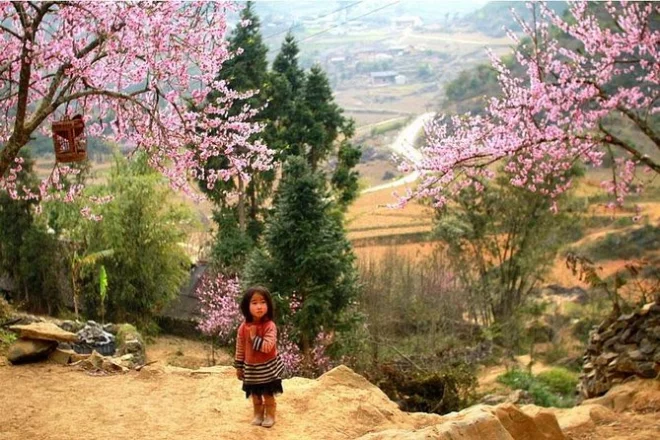
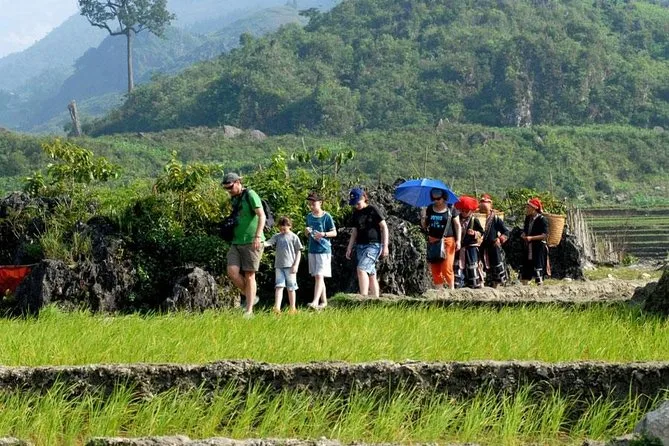
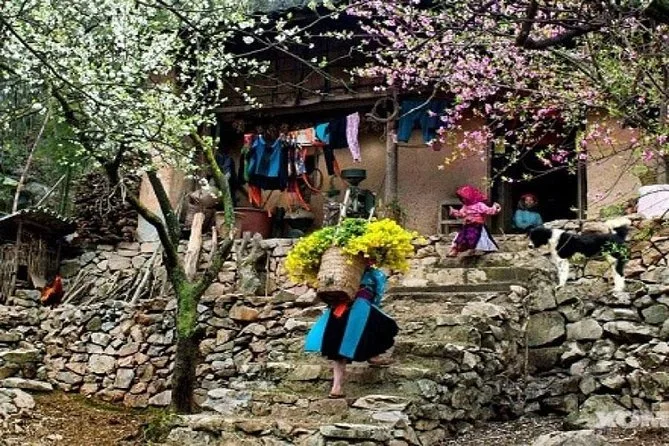
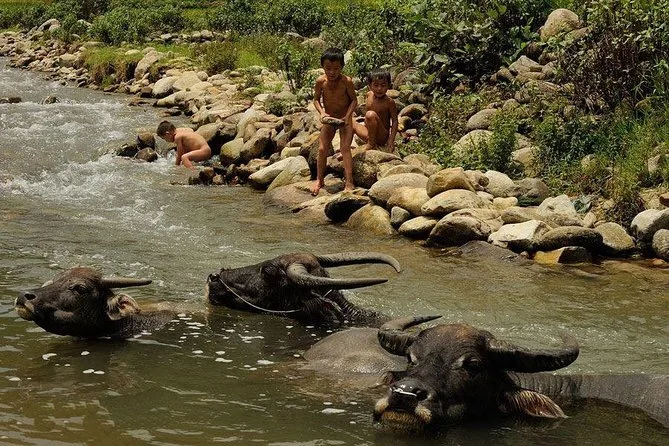
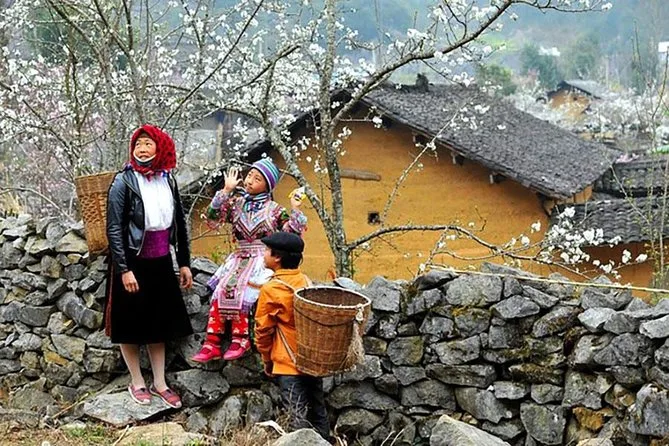
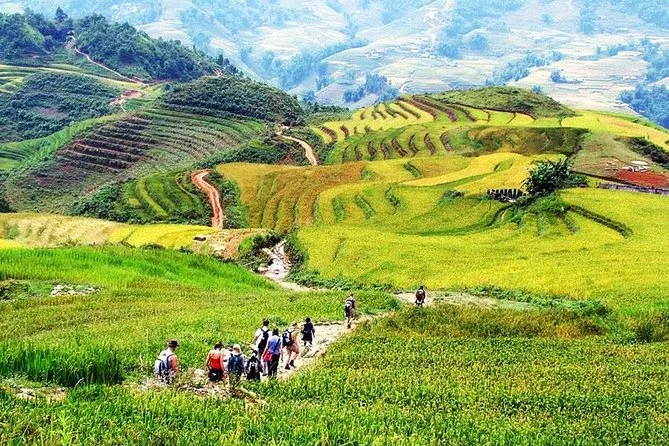
You’ll wander Sapa’s rice terraces on foot, meet H’Mong and Dzay families over home-cooked meals, sleep one night in a cozy village bungalow and another in town—with all logistics handled. There’s space for quiet moments and real conversation along muddy trails or around dinner tables—if that’s what you’re after.

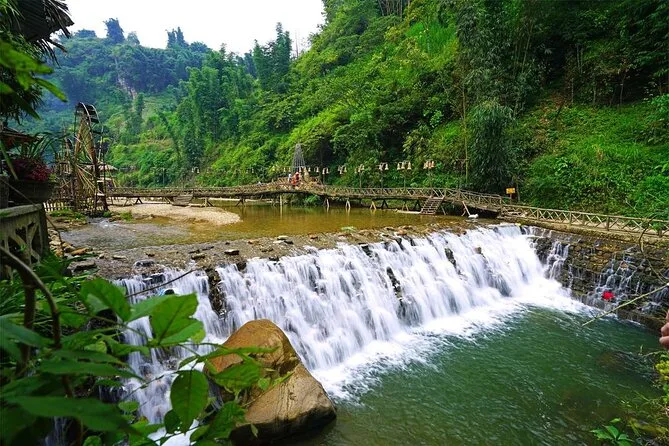
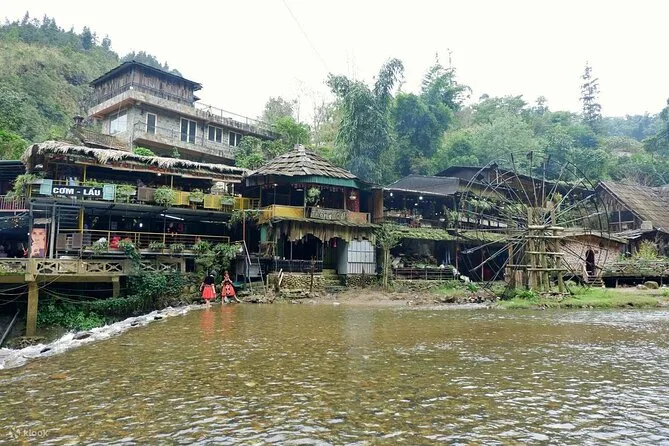
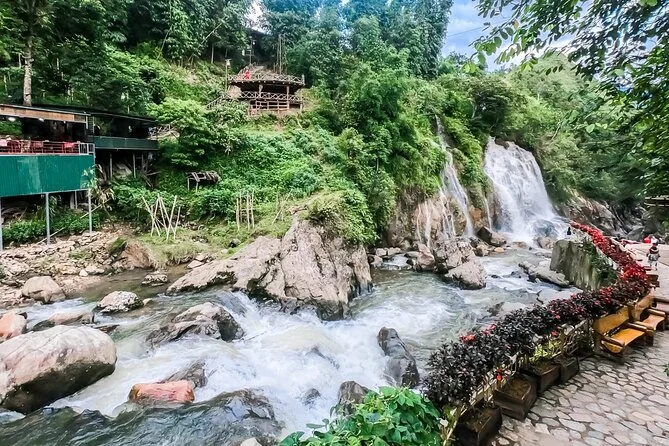
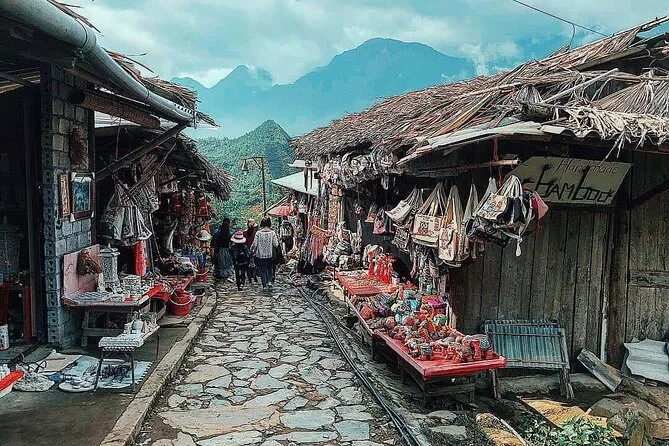
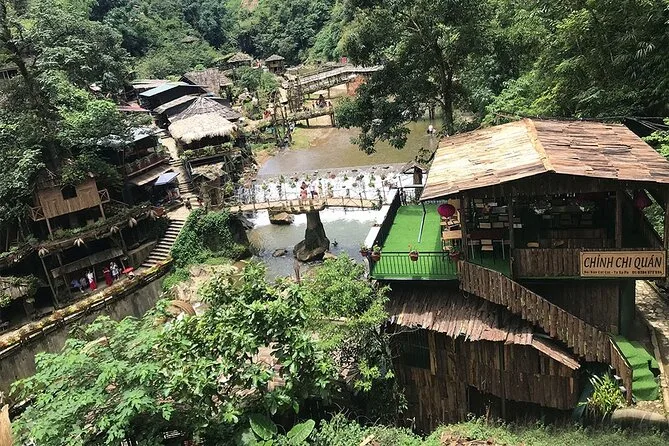
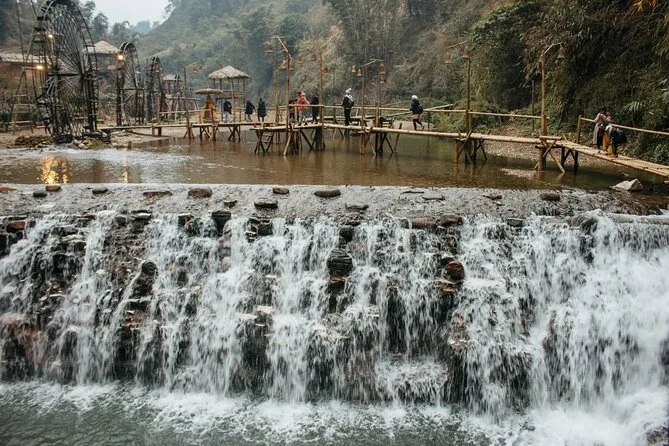
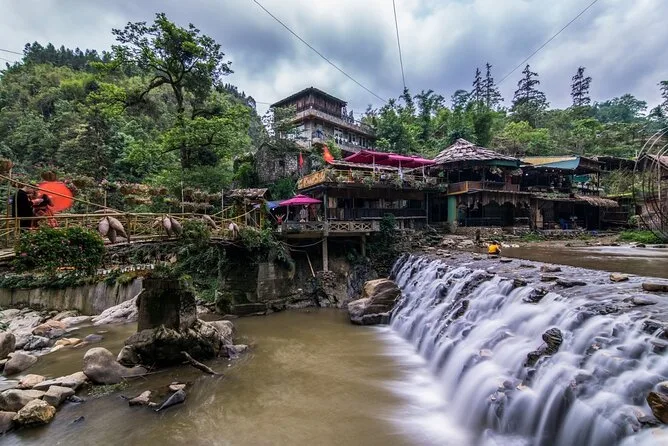
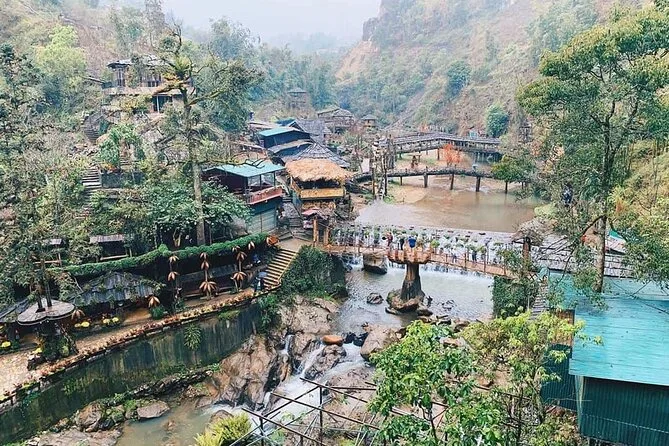
I didn’t expect the bus ride from Hanoi to Sapa to be so strangely soothing—maybe it was the way the mist rolled off the hills as we got closer, or just that first glimpse of people in those bright H’Mong jackets at the roadside. Our guide, Minh, greeted us with this easy smile and a welcome drink (tasted a bit herbal—no idea what was in it). Lunch was already waiting; I’d never had tofu quite like that before. Cat Cat Village came next. It’s only a short trek but you feel it in your legs on the way back up. The sound of water rushing at the old French-built waterfall is louder than I thought it’d be. Little kids waved at us from behind fences—one tried to sell me a bracelet and giggled when I tried to say “xin chào.”
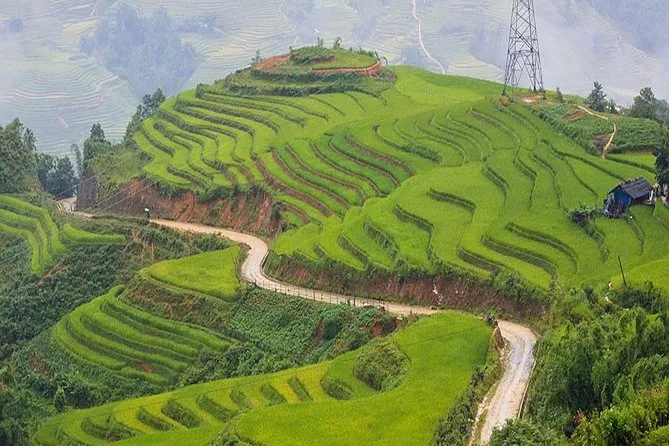
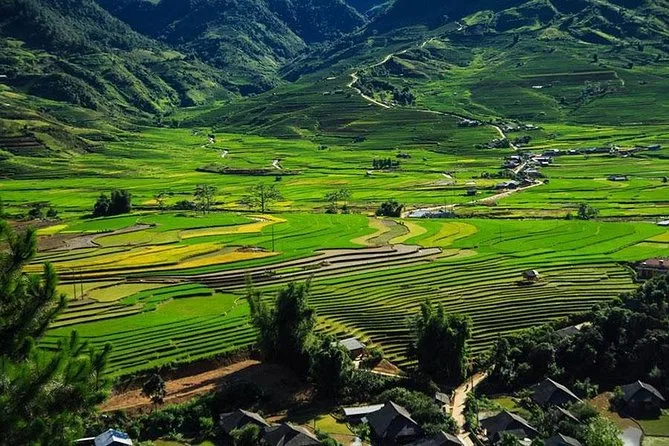
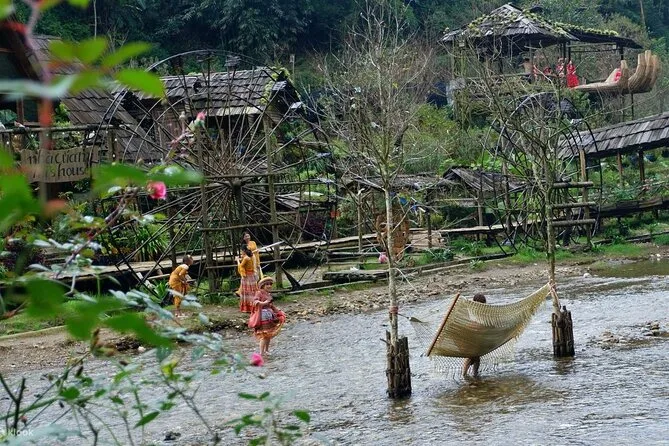
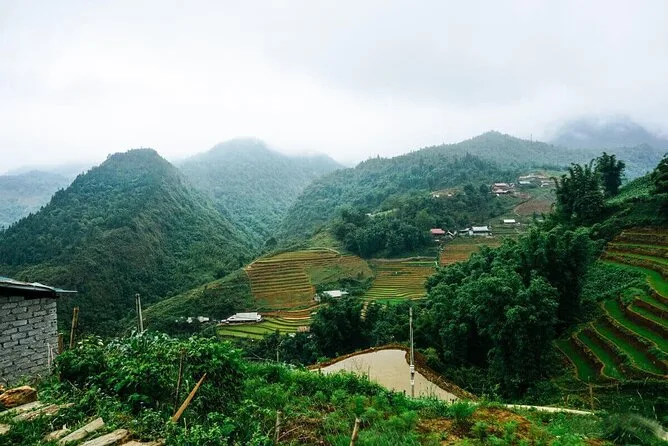
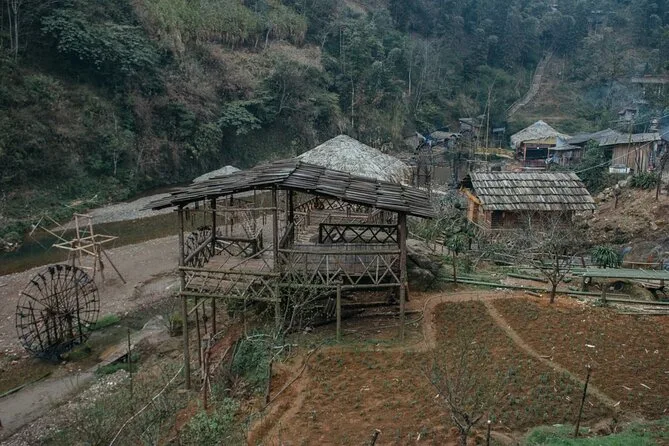
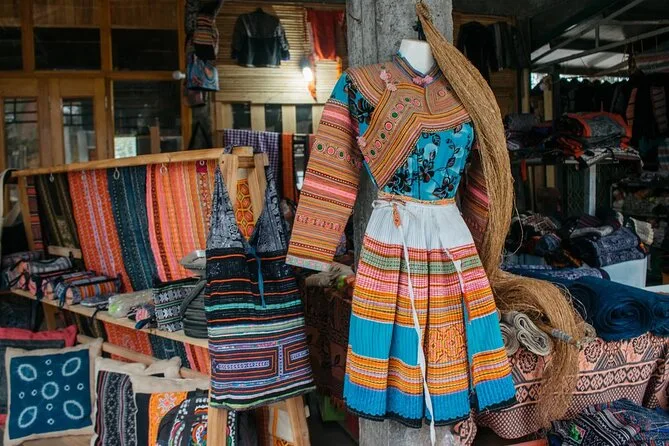
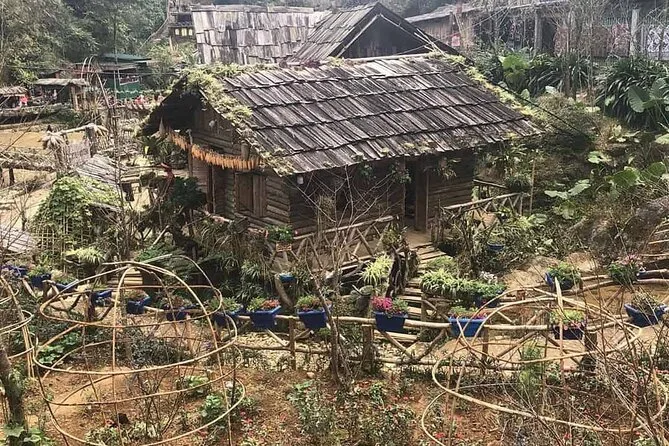
The second day is where the Sapa trekking tour really kicks in. We left our bags behind (they move them for you) and started winding through these green rice terraces that look fake until you’re right there, mud on your shoes. Minh stopped every so often to point out wild herbs or tell stories about Black H’mong traditions—he showed us how they dye cloth with indigo, which stains your fingers blue if you touch it (I did). Lunch with a family in Lao Chai felt like being let into someone’s secret; their sticky rice had this smoky taste from the wood fire. By late afternoon we reached Ta Van Village and checked into a bungalow run by a Dzay family. Their grandma handed me tea without saying much, just smiled and patted my hand. Sunset over the valley was quiet except for distant laughter from some other trekkers at the bar down the lane.
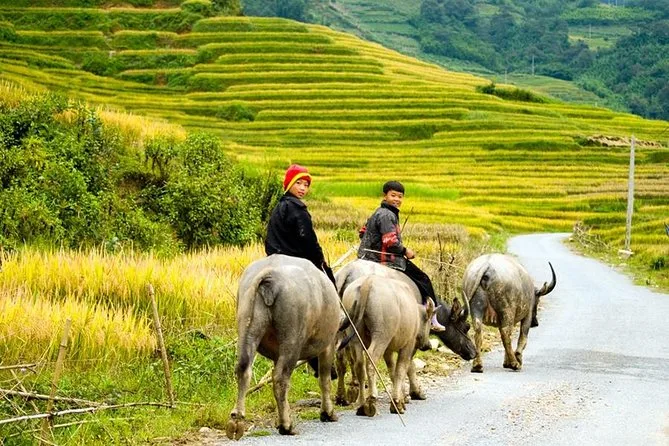
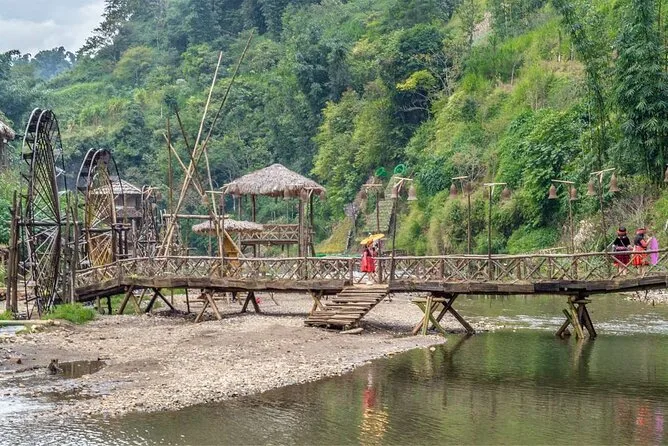
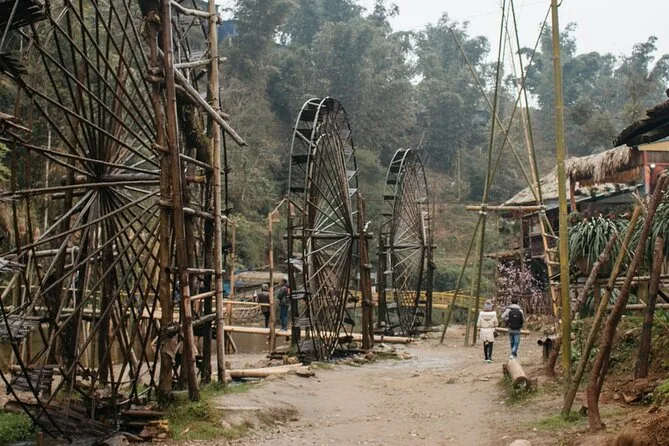
Woke up early—the mountain air is cold but fresh enough to make you forget about tired legs for a minute. Breakfast was simple but good (eggs, bread, strong coffee), then more trekking through bamboo forests towards Giang Ta Chai. We crossed this rickety bridge over a stream where red Dzao women were washing clothes—they nodded but didn’t stop working. The last part of the walk was mostly silence except for birds and someone’s radio playing somewhere far off. After lunch back near Sapa town, we had time for showers before heading back to Hanoi by bus. I still think about that view from Ta Van sometimes—you know how some places just stay with you?
 3d
3d

Step-by-step itinerary
Day 1 — Hanoi to Sapa and Cat Cat trek
- Pick up from Hanoi Old Quarter
- Depart to Sapa by bus
- Comfort break on highway
- Second comfort break at Lao Cai
- Arrive Sapa Town and hotel check-in
- Welcome drink and lunch
- Trek Cat Cat Village and visit waterfall
- Return to Sapa Town by bus
- Dinner and overnight at hotel
Day 2 — Trek Sa Pa to Ta Van Village
- Breakfast and hotel check-out
- Trek rice terraces to Lao Chai village
- Continue trekking to Ta Van Village
- Lunch with local family
- Check in bungalow at Ta Van
- Enjoy mountain life and sunset
- Optional cooking and dinner with family
- Evening socializing at local bar
- Overnight at bungalow
Day 3 — Trek Giang Ta Chai and return
- Breakfast prepared by family
- Trek rice paddies and bamboo forest
- Photo session and panorama view
- Trek Giang Ta Chai Bridge to main road
- Lunch
- Bus to Sapa Town and leisure time
- Group meeting at hotel
- Depart Sapa for Hanoi by bus
- Arrive Hanoi and trip ends

Top questions

How long is the Sapa trekking tour from Hanoi?
The tour lasts 3 days and 2 nights, including transport between Hanoi and Sapa.
Is accommodation included during the trek?
Yes, one night is spent at a hotel in Sapa town and one night at a bungalow homestay in Ta Van Village.
Are meals provided on the tour?
All main meals are included: breakfast, lunch, and dinner as specified each day.
Do I need to carry my luggage while trekking?
No, your main luggage is transported separately so you only carry essentials during treks.
What villages will I visit on this tour?
You’ll visit Cat Cat Village, Y Linh Ho, Lao Chai, Ta Van Village, and Giang Ta Chai.
Is there hotel pickup included in Hanoi?
Yes, pickup from hotels in Hanoi Old Quarter is included at the start of the trip.
Are guides local?
Yes, English-speaking local guides lead all treks and activities throughout Sapa.
What should I bring for this tour?
Bring warm clothes (weather can change), trekking shoes, sun cream, insect repellent, cash (ATMs unreliable).

What’s included
Your trip covers hotel pickup from Hanoi Old Quarter, all entrance fees along each trail and village stopover, two bottles of water per bus journey between Hanoi and Sapa, English-speaking local guide support throughout every trek segment plus experienced drivers for transfers within Sapa itself. You’ll spend one night at The View Sapa Hotel (or similar), another night hosted by a Dzay family in Ta Van Village bungalow—with all main meals provided along the way before returning comfortably by modern bus to Hanoi.
 Super deal
  Free booking, free cancellation.
  Don't lose your place.


 Do you need help planning your next activity?
  +507 6792-0894


