

 +507 6792-0894


New Orleans: Whitney Plantation Tour with Transport & Audio Guide






Summary
Stories of the past echo through Whitney Plantation’s quiet grounds
You’ll travel from New Orleans to Whitney Plantation with round-trip transport included, passing sugar cane fields and historic estates along the way. Once there, you’ll use an audio guide app to explore restored slave cabins, memorial art, and the Big House at your own pace. Expect moments of reflection — this isn’t just sightseeing; it’s stepping into real stories.

I didn’t really know what to expect as we left New Orleans behind — just that the city noise faded fast, replaced by this kind of heavy green silence as our bus crossed the Bonnet Carré Spillway. Our driver, Miss Evelyn, pointed out the sugar cane fields rolling past and named a couple other plantations along the way. I caught a glimpse of Lake Pontchartrain in the distance, all gray-blue under low clouds. The air smelled like wet grass and river mud, honestly — not unpleasant, just different from the French Quarter’s fried food and car exhaust.
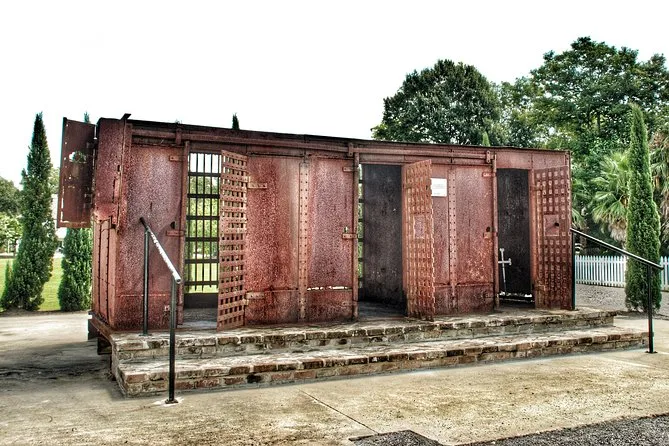
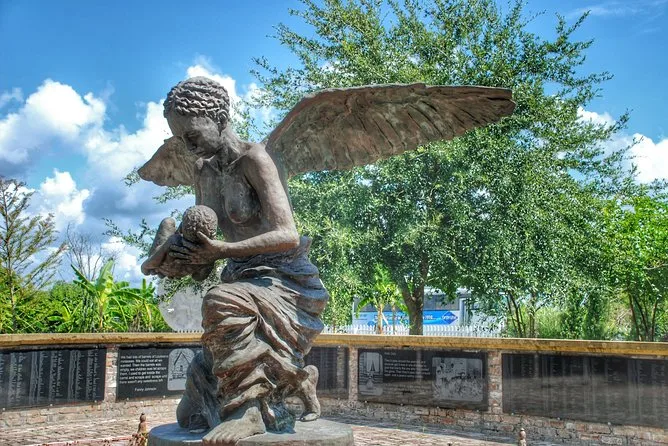
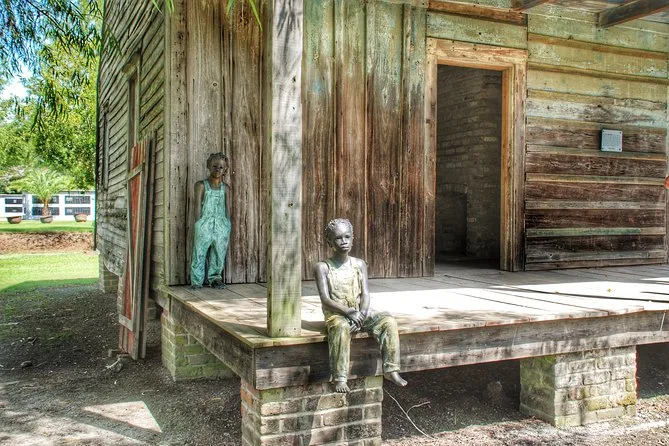
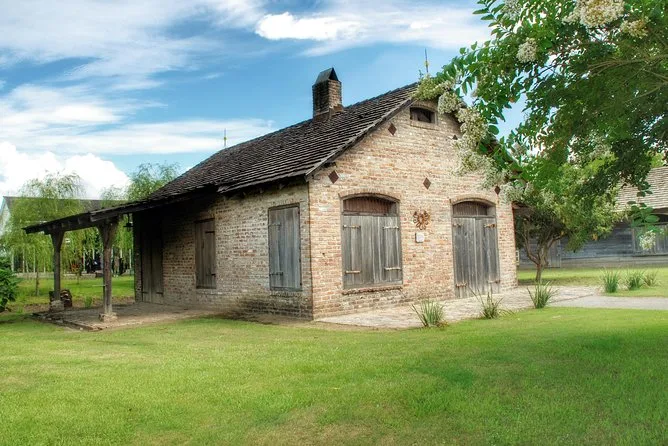
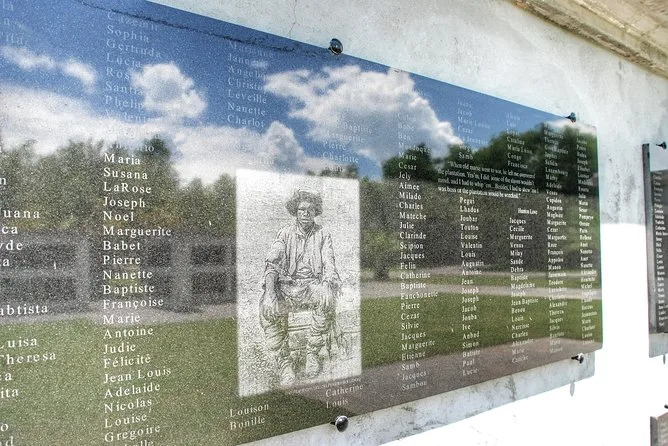
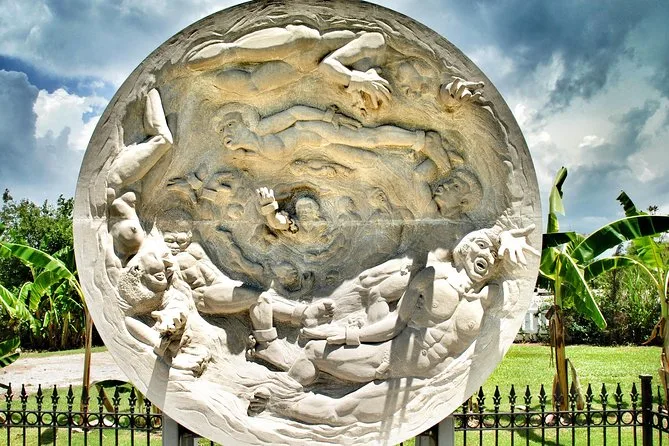
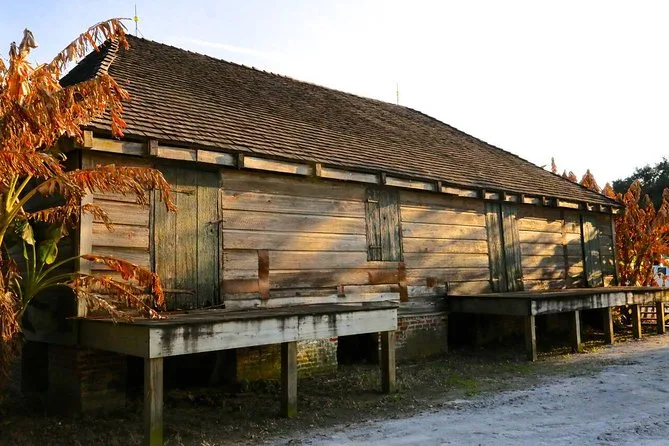
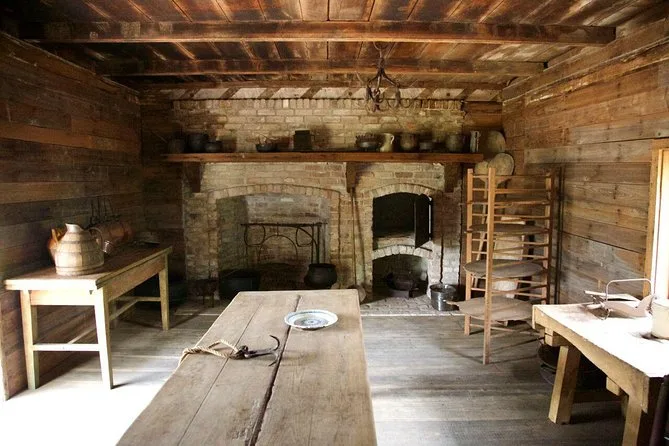
Arriving at Whitney Plantation felt serious right away. There’s no showy welcome or anything — just these old buildings and a hush that made everyone speak softer. I downloaded the audio tour on my phone (signal was patchy but it worked), and wandered through the cabins first. The wood was rough under my hand; you could still see initials carved into one of the door frames. I listened to stories recorded from people who actually lived here as children — their voices were steady but there was something in them that stuck with me. At one point I stopped by a row of memorial statues; someone had left wildflowers tucked behind one. I stood there longer than I meant to.
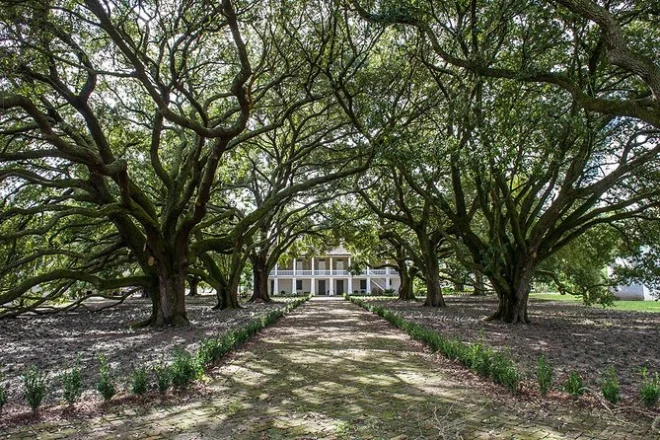
The Big House itself is beautiful in a strange way — Spanish Creole style, pale walls against tangled oaks. You can only go inside partway if you’re using a wheelchair (I overheard someone asking about that), but even from outside it’s easy to imagine how different life was on either side of those doors. There wasn’t any guide hovering over us; we could move at our own pace, which I liked — though sometimes I wished for someone to ask about little details. Maybe next time I’ll try saying “Whitney” with a Louisiana accent like Miss Evelyn did (I probably butchered it).
The ride back to New Orleans was quiet. People stared out the window or scrolled through photos without talking much. It felt right, somehow — like we were all carrying something back with us. Even now, days later, I keep thinking about those voices in my headphones and how they made history feel close enough to touch.
 5h 25m

Step-by-step itinerary
Day 1 — Visit Whitney Plantation from New Orleans
- Meet at New Orleans designated point
- Travel to Whitney Plantation via Bonnet Carre Spillway
- View Lake Pontchartrain panorama
- Pass Evergreen, Felicity, and St. Joseph plantations
- Arrive at Whitney Plantation museum
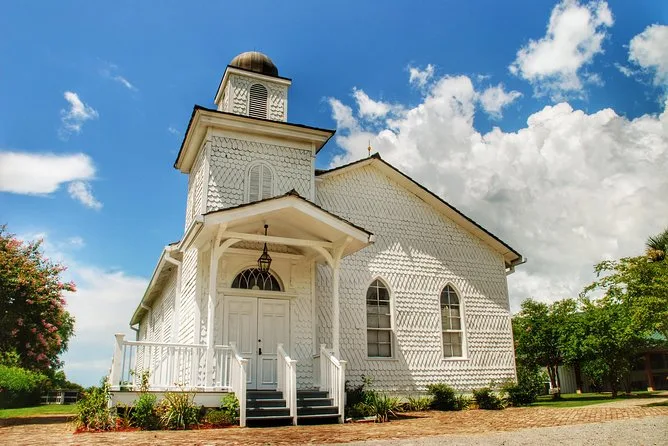
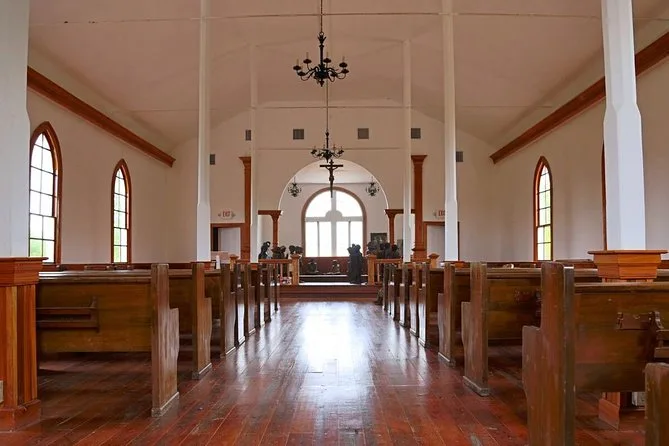
- Explore museum exhibits and restored buildings
- Visit historical slave cabins and Big House
- Tour plantation with self-guided audio app
- Return to central New Orleans

Top questions

How long is the Whitney Plantation tour from New Orleans?
The total duration is about 5 hours including transport; you have 2 hours to spend touring Whitney Plantation itself.
Is transportation included from New Orleans?
Yes, round-trip transport from central New Orleans is included in the tour.
Do I need to book tickets for Whitney Plantation separately?
No, entry fees are included as part of your tour booking.
Is there a guide at Whitney Plantation?
The experience is self-guided using an audio tour app provided by Whitney Plantation.
Can I visit inside all buildings at Whitney Plantation?
You can enter most buildings; however, access inside some areas (like parts of the Big House) may be limited for wheelchair users due to historic preservation rules.
How do I access the audio guide for Whitney Plantation?
You need to download the free Whitney Plantation app on your phone or tablet before or during your visit.
Is lunch provided during this tour?
No meals are included during this tour; you may want to bring snacks or eat before/after your visit.
Are children allowed on this tour?
Yes, infants and small children can join and may ride in a stroller or pram; infants must sit on an adult’s lap during transport.

What’s included
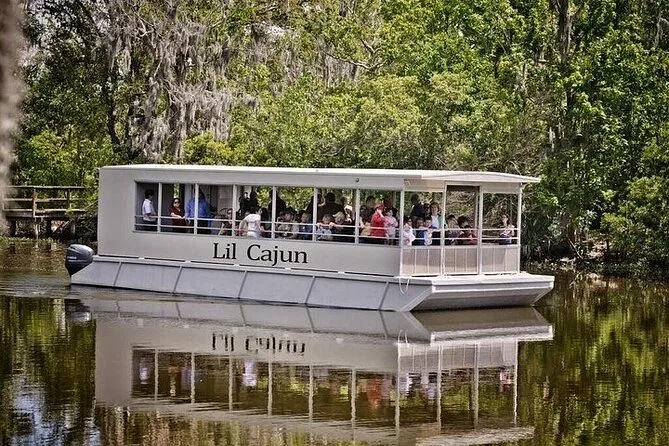
Your day includes round-trip transportation from central New Orleans in an air-conditioned vehicle, entry fees for Whitney Plantation Museum, two hours dedicated to exploring with a self-guided audio tour via their official app (just remember to download it ahead), plus an option to add a 90-minute swamp tour if you want more adventure before returning downtown.
 Super deal
  Free booking, free cancellation.
  Don't lose your place.


 Do you need help planning your next activity?
  +507 6792-0894


