

 +507 6792-0894


Destrehan Plantation: Guided Tour, Folk-Life Demo & Slave Revolt Exhibit






Summary
Destrehan’s living history tour stories folk-life demo & revolt exhibit
You’ll walk Destrehan Plantation with a local guide in period dress, hear real stories from both sides of its history, see folk-life crafts in action, and explore exhibits like the 1811 Slave Revolt. Relax under ancient oaks or grab lunch at Indigo Café—the kind of day that lingers long after you’ve left.

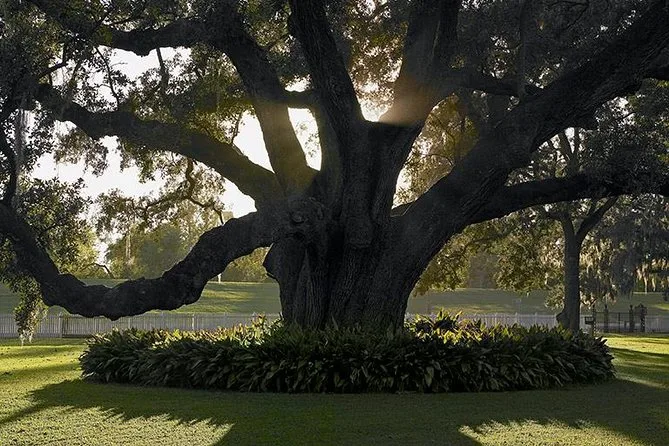
The first thing I noticed at Destrehan Plantation wasn’t the house itself—it was the way sunlight filtered through those huge live oaks, Spanish moss just dangling like old lace. We’d barely stepped out of the car (the drive from New Orleans was quick—maybe half an hour with traffic) when our guide, Miss Janice, waved us over in her 1800s dress. She had this calm way of talking, like she’d lived here forever. The air smelled a little sweet and earthy—maybe from all that grass after yesterday’s rain.
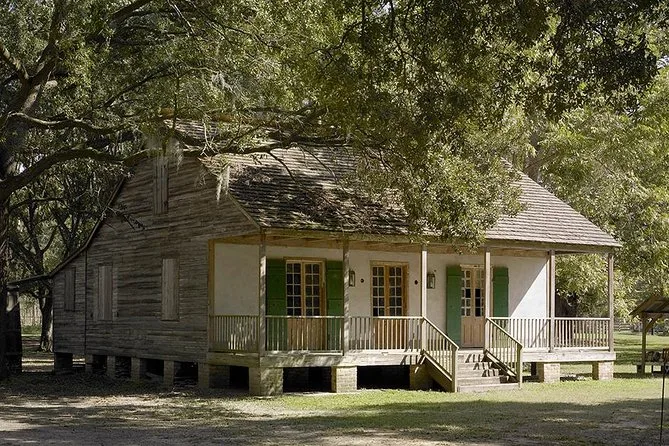
Inside, it’s quieter than I expected. There’s this creak to the floorboards and you can almost hear voices from two centuries ago. Miss Janice told stories about the families who lived here—both free and enslaved—and didn’t shy away from the hard parts. I remember she pointed out a name on the enslaved registry in one of the cabins; it made me pause longer than I thought I would. There was a moment where nobody said anything, just listened to cicadas buzzing outside.
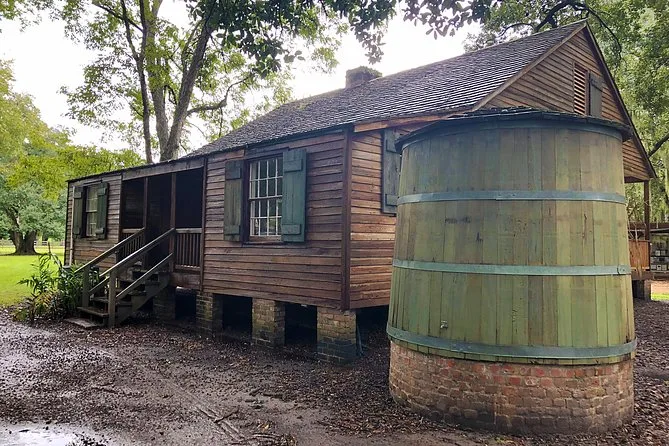
I didn’t expect to get pulled into a folk-life demonstration (I’m not much for crafts), but watching a local show how indigo dye stains your fingers blue was oddly satisfying. Li laughed when I tried to pronounce “bousillage”—I definitely butchered it. Afterward we wandered the grounds: slave cabins, outdoor kitchen, even an old trapper’s hut with pelts hanging up. There’s an exhibit on the 1811 Slave Revolt that sticks with you—I still think about some of those stories days later.
We ended up sitting under one of those big oaks with sandwiches from Indigo Café (the root beer float is worth it), just listening to kids playing somewhere out back and feeling that weird mix of heaviness and peace you get in places like this. Didn’t really want to leave yet, so we poked around the shop for a bit—found some hand-made soap that still smells like lavender on my backpack now.
 45m
45m

Step-by-step itinerary
Day 1 — Destrehan Plantation historical tour
- Meet costumed historical interpreters
- Hear stories of plantation residents
- View folk-life demonstration
- Explore grounds and dependency buildings
- Visit slave cabin and enslaved registry
- See overseer's cabin and Slave Revolt Exhibit
- Tour outdoor kitchen and washroom
- Visit trapper's cabin and Legacy Room
- Shop at Plantation Store
- Picnic under live oak tree

Top questions

How far is Destrehan Plantation from New Orleans?
It’s about 25 minutes by car from downtown New Orleans and only 10 minutes from New Orleans International Airport.
Is there public transportation or do I need a car?
You can reach Destrehan Plantation by rideshare or taxi; it’s the only plantation nearby accessible this way.
Are tours guided or self-guided?
Tours are guided by costumed historical interpreters; after the tour you can explore some areas on your own.
What does the tour include?
The tour includes guided access to historic buildings, folk-life demonstrations, and entry to exhibits like the 1811 Slave Revolt display.
Is Destrehan Plantation wheelchair accessible?
Yes, Destrehan Plantation is wheelchair accessible throughout most areas.
Can children come on this tour?
Yes, children are welcome; infants and small children can ride in prams or strollers.
Is food available onsite?
The Indigo Café serves sandwiches, wraps, pastries, ice cream sundaes, and root beer floats onsite.
What are some highlights of the grounds?
You’ll see slave cabins with registries, overseer’s cabin with revolt exhibit, outdoor kitchen, washroom, trapper’s cabin, and original artifacts in the Legacy Room.

What’s included
Your visit includes a guided tour led by costumed interpreters through Destrehan Plantation’s main house and historic grounds. You’ll also get access to folk-life demonstrations showing traditional crafts and techniques; entry to exhibits such as the 1811 Slave Revolt display; time for self-exploration among cabins and gardens; shopping at the plantation store for hand-made local items; plus food options at Indigo Café if you want lunch or a treat before heading back toward New Orleans.
 Super deal
  Free booking, free cancellation.
  Don't lose your place.


 Do you need help planning your next activity?
  +507 6792-0894


