
Tanzania: Big Five Safari, Serengeti & Ngorongoro with Pickup
 Super deal


Summary
Serengeti sunrise, Maasai laughter, rhinos grazing below the crater rim
You’ll feel the ground shake under elephants in Tarangire, swap stories with Maasai villagers near Serengeti, watch black rhinos graze inside Ngorongoro Crater, and end your days with warm meals and laughter back at camp. It’s not always comfortable or predictable—but that’s what makes this Big Five safari unforgettable.
 7d
7d

Step-by-step itinerary
Day 1 — Arrival and transfer to Moshi
- Arrive at Kilimanjaro Airport
- Clear customs and meet driver
- Drive to Moshi
- Overnight at Springlands Hotel
Day 2 — Tarangire National Park game drive
- Drive to Tarangire National Park
- Game and bird viewing at Tarangire River
- Explore varied landscapes and baobabs
- Overnight at Highview Hotel
Day 3 — Drive to Serengeti with cultural visit
- Breakfast at hotel
- Drive to Serengeti National Park
- Visit Maasai village
- Optional visit to Olduvai Gorge
- Game drive en route to camp
- Overnight at Serengeti Safari Lodge or Wildebeest Camp
Day 4 — Full day Serengeti game drives
- Breakfast at camp
- Full day game drives in Serengeti
- Observe wildebeest migration and predators
- Overnight at Serengeti Safari Lodge or Wildebeest Camp
Day 5 — Ngorongoro Crater exploration
- Morning game drive to Ngorongoro Crater
- Descend into crater for game viewing
- See black rhinos and diverse wildlife
- Afternoon drive to lodge
- Overnight at Highview Hotel
Day 6 — Lake Manyara National Park visit
- Drive to Lake Manyara National Park
- Game viewing in diverse ecosystems
- Spot tree-climbing lions and other wildlife
- Overnight at Springlands Hotel
Day 7 — Departure from Kilimanjaro Airport
- Morning leisure time
- Transfer to Kilimanjaro Airport
- Flight home

Top questions

How many people are in each safari vehicle?
The safari uses small group vehicles with a maximum of 6 travelers per vehicle. Everyone gets a window seat.
Are airport transfers included in this Tanzania safari?
Yes, pickup and drop-off at Kilimanjaro Airport are included before and after your safari.
Which parks are visited during this Big Five safari?
You’ll visit Tarangire, Serengeti, Ngorongoro Crater area, and Lake Manyara during the tour.
Is food included on this Tanzania safari tour?
All meals are included throughout the trip—breakfasts, lunches, dinners—and bottled water is provided in vehicles.
Do you get to visit a Maasai village?
A stop at a Maasai village is possible en route to Serengeti; entrance is optional and may have an extra cost.
What kind of accommodation is provided?
You stay at lodges or camps such as Springlands Hotel, Highview Hotel, Serengeti Safari Lodge or Wildebeest Camp.
Are park entry fees covered?
Yes—all national park entry fees are included in your booking price.
How physically demanding is this safari tour?
You should have moderate physical fitness; not recommended for travelers with spinal injuries or poor cardiovascular health.

What’s included
Your trip includes airport transfers both ways from Kilimanjaro Airport, all park entry fees for Tarangire, Serengeti, Ngorongoro Crater area and Lake Manyara; daily meals from breakfast through dinner; bottled water while you’re out on game drives; plus all accommodations arranged ahead of time so you can just focus on soaking up each moment with your local guide behind the wheel.

The first thing I noticed wasn’t a lion or elephant—it was the way the air felt driving into Tarangire. Dry but sweet, like sun-baked grass and something almost peppery. Our guide Joseph grinned when I asked about it—he said it’s just how Tanzania smells after rain. We bounced along in the 4x4 (everyone got a window seat), and then suddenly there were elephants everywhere—huge ones with mud-caked skin, so close you could count their eyelashes if you wanted. I tried to take a photo but just ended up watching instead.
Serengeti came next, endless yellow-green stretching further than my brain could handle. On the way in we stopped at a Maasai village—kids giggled at my attempts to greet them (“Sopa!”) and one elder showed us how they build those round houses out of sticks and cow dung. It was humbling, honestly. That night I lay awake listening to hyenas somewhere out in the dark—I thought I’d be scared but actually it was kind of comforting? Like the world was carrying on as usual outside our tent.
Ngorongoro Crater was colder than I expected; my breath fogged up as we drove down into that huge bowl of green. There were black rhinos grazing far off—Joseph handed me his binoculars without saying anything, just a little nod—and for a second it felt like time stopped. Flamingos made these weird honking noises by the lake (no one ever mentions that part). The last day at Lake Manyara was quieter: monkeys everywhere, blue flashes in the trees, and buffalo standing so still they looked carved from stone. By then I’d stopped trying to photograph everything—I just wanted to remember how it all felt.
Similar tours
 Tarangire, Ngorongoro & Manyara Safari from Arusha
★★★★★★★★★★ 5.00 (16) From US$ 1,500
Tarangire, Ngorongoro & Manyara Safari from Arusha
★★★★★★★★★★ 5.00 (16) From US$ 1,500
 Tanzania Safari: Serengeti, Ngorongoro & Lake Manyara Camping
★★★★★★★★★★ 4.98 (840) From US$ 1,400
Tanzania Safari: Serengeti, Ngorongoro & Lake Manyara Camping
★★★★★★★★★★ 4.98 (840) From US$ 1,400
 Tanzania Safari: Tarangire, Serengeti & Ngorongoro 5-Day Group Tour
★★★★★★★★★★ 4.96 (366) From US$ 1,924
Tanzania Safari: Tarangire, Serengeti & Ngorongoro 5-Day Group Tour
★★★★★★★★★★ 4.96 (366) From US$ 1,924
 Serengeti & Ngorongoro: 8-Day Migration Safari with Guide
★★★★★★★★★★ 4.99 (247) From US$ 4,257
Serengeti & Ngorongoro: 8-Day Migration Safari with Guide
★★★★★★★★★★ 4.99 (247) From US$ 4,257
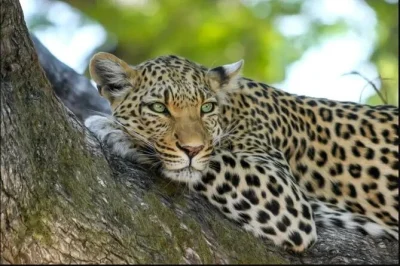 Tanzania Northern Circuit Safari: Serengeti, Ngorongoro & More
★★★★★★★★★★ 5.00 (7) From US$ 5,784
Tanzania Northern Circuit Safari: Serengeti, Ngorongoro & More
★★★★★★★★★★ 5.00 (7) From US$ 5,784
 Tanzania Safari: Serengeti, Ngorongoro & Tarangire 7-Day Luxury
★★★★★★★★★★ 4.99 (646) From US$ 4,840
Tanzania Safari: Serengeti, Ngorongoro & Tarangire 7-Day Luxury
★★★★★★★★★★ 4.99 (646) From US$ 4,840
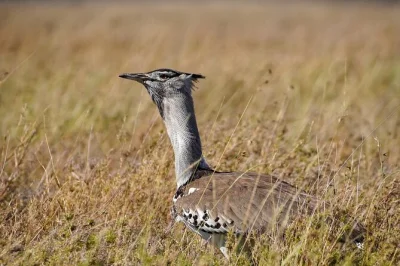 Arusha to Serengeti & Ngorongoro: Private 5-Day Safari Pickup
★★★★★★★★★★ 4.99 (184) From US$ 3,600
Arusha to Serengeti & Ngorongoro: Private 5-Day Safari Pickup
★★★★★★★★★★ 4.99 (184) From US$ 3,600
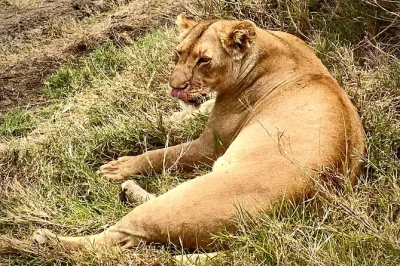 5-Day Private Serengeti Safari: Big Five, Ngorongoro & Tarangire
★★★★★★★★★★ 5.00 (4) From US$ 2,700
5-Day Private Serengeti Safari: Big Five, Ngorongoro & Tarangire
★★★★★★★★★★ 5.00 (4) From US$ 2,700
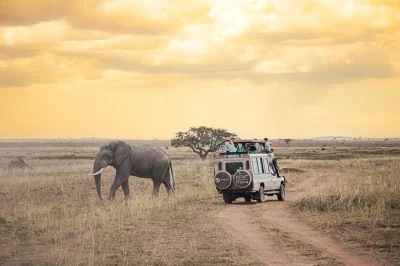 Tanzania Safari: Serengeti, Ngorongoro & Tarangire 7-Day Tour
★★★★★★★★★★ 4.99 (1614) From US$ 4,426.48
Tanzania Safari: Serengeti, Ngorongoro & Tarangire 7-Day Tour
★★★★★★★★★★ 4.99 (1614) From US$ 4,426.48
 5-Day Tanzania Safari: Serengeti, Ngorongoro & Tarangire Tour
★★★★★★★★★★ 5.00 (57) From US$ 2,817
5-Day Tanzania Safari: Serengeti, Ngorongoro & Tarangire Tour
★★★★★★★★★★ 5.00 (57) From US$ 2,817
 Luxury Tanzania Safari: Serengeti, Ngorongoro & Zanzibar Tour
★★★★★★★★★★ 5.00 (6) From US$ 5,900
Luxury Tanzania Safari: Serengeti, Ngorongoro & Zanzibar Tour
★★★★★★★★★★ 5.00 (6) From US$ 5,900
 Tanzania Safari: Serengeti, Ngorongoro & Tarangire 6-Day Tour
★★★★★★★★★★ 4.99 (127) From US$ 4,191.18
Tanzania Safari: Serengeti, Ngorongoro & Tarangire 6-Day Tour
★★★★★★★★★★ 4.99 (127) From US$ 4,191.18


 Do you need help planning your next activity?


