

 +507 6792-0894


Explore Tongoni Ruins & Fishing Village Tour from Tanga


Summary
Tanga Day Trip: Shirazi Heritage & Village Life Experience
You’ll get to walk among centuries-old ruins, hear stories from locals whose families have lived here for generations, and see how life moves in a real Swahili fishing village. It’s a rare chance to connect with both history and people in one trip.

Morning in Tanga starts with the air thick and salty—there’s always a bit of sea breeze, even if it’s hot. We hopped on a local dala-dala (minibus) for the short ride south to Tongoni. The ruins aren’t far, but you feel like you’re stepping back centuries as soon as you see the crumbling coral stone walls peeking out from the bush. Our guide, Juma, grew up nearby and knew every twist in the path. He pointed out old Arabic script on some tombstones—apparently, these are some of the oldest Shirazi graves on this coast.
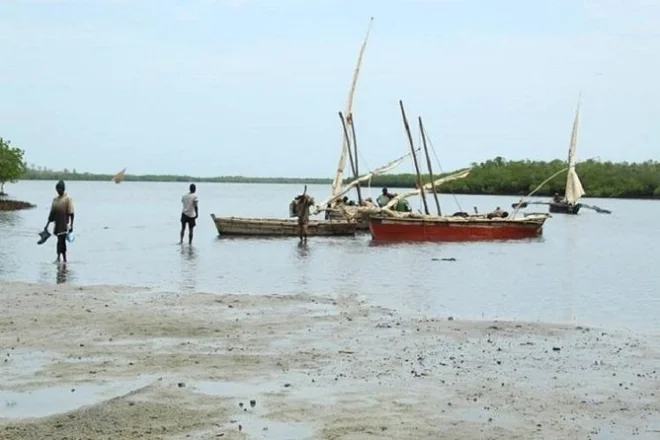
It’s quiet here except for birds and the distant sound of fishermen mending nets by the water. After exploring what’s left of the mosque and houses—some still have bits of carved wood doors—we wandered down to the fishing village. Kids waved at us; one woman was selling tiny fried fish from a blue plastic bucket. Juma introduced us to an elder who told stories about his grandfather fishing these same waters. The whole place smells faintly of woodsmoke and seaweed. If you’re curious about real coastal life, this is where you’ll find it—no crowds, just daily rhythms and lots of history underfoot.
 5h–6h
5h–6h

Step-by-step itinerary
Day 1 — Explore Tongoni Ruins and Village
- Visit Tongoni ruins and explore Shirazi culture
- Take a cultural walk in the fishing village

Top questions

How long does it take to reach Tongoni from Tanga city?
It usually takes about 30–40 minutes by local transport or taxi, depending on traffic.
Is this tour suitable for children or older travelers?
The walk is mostly flat but paths can be uneven; it’s manageable for most fitness levels but not ideal for those with spinal injuries.
Do I need to bring anything special?
No special gear needed—just comfortable shoes, sun protection, and maybe a bottle of water since it can get warm.

What’s included
This experience includes guided entry to Tongoni ruins, a cultural walk through the fishing village, and all local transportation between sites. Friendly guides share stories along the way.
 Super deal
  Free booking, free cancellation.
  Don't lose your place.


 Do you need help planning your next activity?
  +507 6792-0894


