
Arusha: City Markets, Tanzanite Museum & Heritage Centre Tour
 Super deal


Summary
Clock Tower to Maasai Market with Tanzanite stories & city flavors
You’ll meet locals at Arusha’s Clock Tower, taste fruit straight from bustling market stalls, hold raw tanzanite at its only source on earth, and wander galleries full of African art. Expect laughter over language slips and quiet moments among centuries-old crafts — it’s an experience that lingers long after you leave.
 3h–8h
3h–8h

Step-by-step itinerary
Day 1 — Explore Arusha's culture and landmarks
- Meet at Arusha Clock Tower
- Visit Tanzanite Experience Museum
- Explore Natural History Museum
- See Arusha Declaration Monument
- Shop at Arusha Central Market
- Browse Maasai Market crafts
- Tour Cultural Heritage Centre

Top questions

How long does the Arusha city tour last?
The tour lasts approximately 3 to 8 hours depending on your chosen options.
Is hotel pickup included in this Arusha tour?
Yes, pickup and drop-off are included within 3 km of Arusha city center by car or tuk-tuk.
What markets do we visit during the tour?
You’ll visit both Arusha Central Market for local produce and Maasai Market for crafts.
Do we get to try any local food or fruit?
Yes, tasting fresh fruits at the market is part of the experience.
Is entry to museums included in the price?
Entry fees for museums like the Tanzanite Museum and Cultural Heritage Centre are included.
Are there any physical requirements for this tour?
The tour is suitable for all fitness levels but not recommended for pregnant travelers or those with poor cardiovascular health.
Will we have a local guide during the tour?
Yes, an expert local guide leads the entire experience sharing history and stories along the way.
Can solo travelers join this Arusha guided tour?
Absolutely — solo travelers as well as small groups are welcome on this city tour.

What’s included
Your day includes pickup and drop-off within central Arusha (car or tuk-tuk), bottled water along the way, entry to both the Cultural Heritage Centre gallery and Tanzanite Museum, all market admissions plus fruit tastings right from vendor stalls. An expert local guide shares stories throughout — you just show up ready to explore.

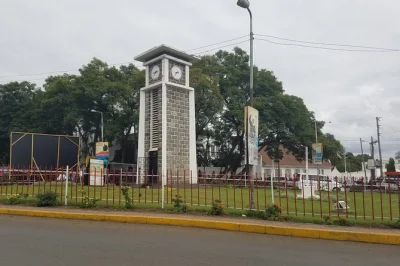
The first thing I noticed was the noise — not loud exactly, but alive. We’d just met our guide by the Arusha Clock Tower (he joked it’s “the heart of Africa” and honestly, it did feel like a crossroads). The air smelled faintly like dust and mango skins. Our group was small enough that everyone got a hello. I liked that. Someone pointed out the faded colonial plaque on the tower; I hadn’t expected to care about old stones but suddenly I wanted to know what else I’d missed here.
We ducked into the Tanzanite Museum next — cool inside, with glass cases glowing blue-violet. Our guide told us how tanzanite is only found near Kilimanjaro and showed us a rough stone versus a polished one (it looked almost edible, which probably says more about my breakfast than anything). There was this moment where he handed me a tiny gem in tweezers and said, “This is rarer than diamonds.” Not sure why that stuck with me. Maybe because outside you could hear traffic and laughter from the street market — all that life happening right next to something so rare.
I think my favorite part was wandering Arusha Central Market. The colors were wild — tomatoes stacked like pyramids, women waving bunches of green bananas at us (one offered me a slice of passionfruit that nearly dripped down my shirt). It was humid and busy but not unfriendly; people smiled when you tried out your Swahili. My accent made one vendor laugh so hard she almost dropped her chilies. There’s something about being lost in a place where everyone else knows exactly what they’re doing.
Later we stopped at the Maasai Market for crafts — beadwork everywhere, bright as candy. Some of the artisans told us about their designs; others just nodded if you admired their work. The Cultural Heritage Centre felt quieter after all that bustle — cool stone floors and sunlight slanting through windows onto sculptures taller than me. It wasn’t what I expected from a city tour at all. I still think about that blue stone in my palm sometimes, how ordinary and extraordinary can sit side by side in Arusha.
Similar tours
 Arusha: Walking City Tour with Markets, Tanzanite & Art
★★★★★★★★★★ 4.98 (307) From US$ 21
Arusha: Walking City Tour with Markets, Tanzanite & Art
★★★★★★★★★★ 4.98 (307) From US$ 21
 Arusha: Private Waterfall, Village Walk & Coffee Day Trip
★★★★★★★★★★ 4.93 (101) From US$ 80
Arusha: Private Waterfall, Village Walk & Coffee Day Trip
★★★★★★★★★★ 4.93 (101) From US$ 80
 Arusha: Central Market Food Tour & Hands-On Cooking Class
★★★★★★★★★★ 4.98 (104) From US$ 45
Arusha: Central Market Food Tour & Hands-On Cooking Class
★★★★★★★★★★ 4.98 (104) From US$ 45
 Serengeti & Ngorongoro: 3-Day Group Camping Safari with Guide
★★★★★★★★★★ 4.97 (731) From US$ 850
Serengeti & Ngorongoro: 3-Day Group Camping Safari with Guide
★★★★★★★★★★ 4.97 (731) From US$ 850
 Serengeti & Ngorongoro: 9-Day Great Migration Safari
★★★★★★★★★★ 4.98 (128) From US$ 4,539
Serengeti & Ngorongoro: 9-Day Great Migration Safari
★★★★★★★★★★ 4.98 (128) From US$ 4,539
 Serengeti & Ngorongoro: 8-Day Migration Safari with Guide
★★★★★★★★★★ 4.99 (247) From US$ 4,257
Serengeti & Ngorongoro: 8-Day Migration Safari with Guide
★★★★★★★★★★ 4.99 (247) From US$ 4,257
 Serengeti & Ngorongoro: 6-Day Private Safari with Game Drives
★★★★★★★★★★ 4.99 (167) From US$ 2,882
Serengeti & Ngorongoro: 6-Day Private Safari with Game Drives
★★★★★★★★★★ 4.99 (167) From US$ 2,882
 Tanzania Safari: Serengeti, Ngorongoro & Tarangire 7-Day Luxury
★★★★★★★★★★ 4.99 (646) From US$ 4,840
Tanzania Safari: Serengeti, Ngorongoro & Tarangire 7-Day Luxury
★★★★★★★★★★ 4.99 (646) From US$ 4,840
 Serengeti & Ngorongoro: Group safari with camping
★★★★★★★★★★ 5.00 (22) From US$ 820
Serengeti & Ngorongoro: Group safari with camping
★★★★★★★★★★ 5.00 (22) From US$ 820
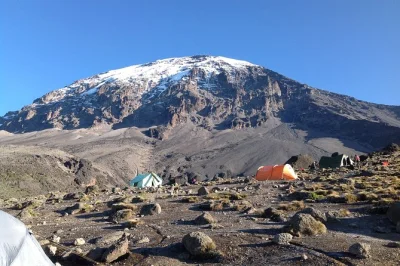 7-Day Lemosho Route Kilimanjaro Trek: Best Scenic Hike Experience
★★★★★★★★★★ 5.00 (1) From US$ 2,200
7-Day Lemosho Route Kilimanjaro Trek: Best Scenic Hike Experience
★★★★★★★★★★ 5.00 (1) From US$ 2,200
 Tarangire, Ngorongoro & Lake Manyara: 3-Day Camping Safari
★★★★★★★★★★ 4.97 (105) From US$ 850
Tarangire, Ngorongoro & Lake Manyara: 3-Day Camping Safari
★★★★★★★★★★ 4.97 (105) From US$ 850
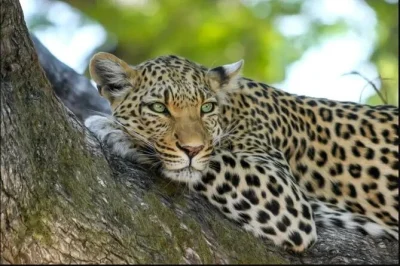 Tanzania Northern Circuit Safari: Serengeti, Ngorongoro & More
★★★★★★★★★★ 5.00 (7) From US$ 5,784
Tanzania Northern Circuit Safari: Serengeti, Ngorongoro & More
★★★★★★★★★★ 5.00 (7) From US$ 5,784


 Do you need help planning your next activity?


