

 +507 6792-0894


7-Day Tanzania Lodge Safari: Serengeti, Ngorongoro & More




Summary
Luxury Safari Adventure in Northern Tanzania’s Top Parks
You’ll journey through Tanzania’s top parks—from Tarangire’s elephant herds to Serengeti’s endless plains and Ngorongoro’s wildlife-packed crater—all while relaxing each night in comfortable lodges or tented camps with expert local guides leading every step.

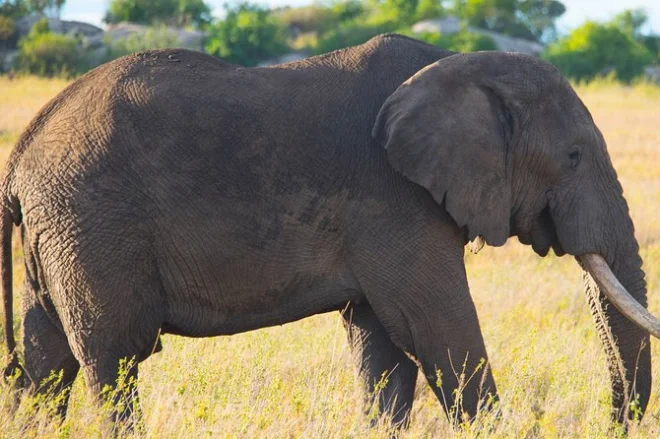
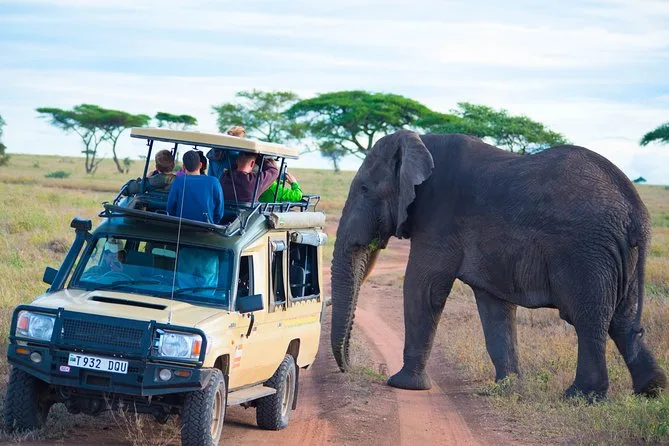
The first morning kicked off in Arusha—still a bit cool before the sun really got going. After a quick briefing and grabbing some bottled water, we piled into our 4x4. The drive to Tarangire National Park was smooth at first, then dustier as we neared the park gates. Right away, those massive baobab trees stood out against the sky. We watched elephants lumbering past the vehicle, their ears flapping as they moved through tall grass. Our guide, Daniel, pointed out a cluster of giraffes munching quietly nearby and even spotted a few shy hartebeest blending into the brush. By late afternoon, after hours of peering through binoculars and snapping photos from the pop-up roof, we were ready for a break at Eileens Trees Inn—hot shower and all.
Day two brought us along bumpy gravel roads toward Lake Natron. Stopping in Mto wa Mbu for some fresh mangoes from a roadside stall was a nice surprise—sticky fingers but worth it. The road hugged the Rift Valley Escarpment with Ol Doinyo Lengai looming in the distance; locals call it the “holy mountain.” In Ngare Sero village, the air felt dry and warm. As dusk settled in, our Maasai guide led us on foot to a waterfall hidden behind tall reeds—a welcome splash of coolness after the heat. Flamingos dotted the lake’s edge like pink confetti as we walked back for dinner under a sky full of stars.
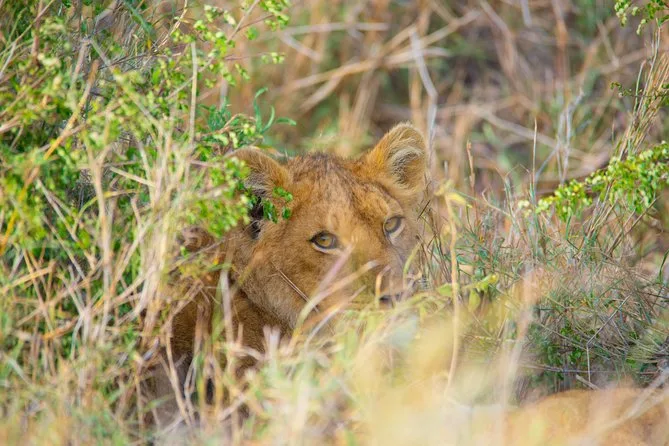
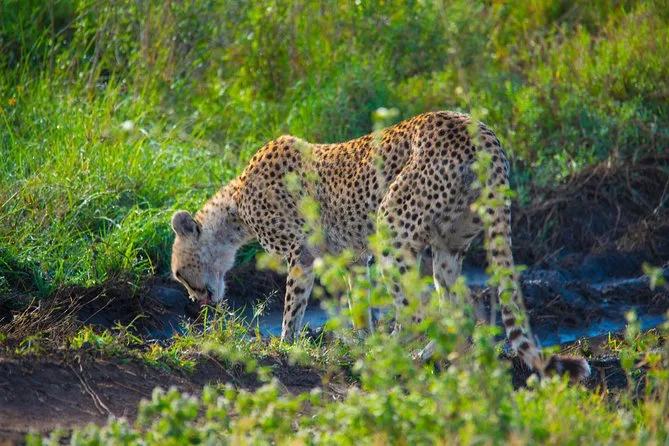
The next stretch took us up rough tracks out of the valley and onto Serengeti’s endless plains by midday. It’s hard to describe how open it feels—the grasslands just roll on forever with herds of wildebeest and zebra scattered across them. Our driver knew exactly where to look for lions lounging under acacia trees or cheetahs scanning for prey. That night at Tukaone Camps, I fell asleep listening to distant hyenas calling somewhere out there.
Serengeti gave us a full day of game drives—early start if you want to catch predators before things heat up. We spent hours following migration trails; sometimes you’d see nothing but grass for ages, then suddenly hundreds of animals would appear over a ridge. Daniel explained how January through March is calving season here—lots of wobbly-legged calves sticking close to their mothers. We even caught sight of a leopard draped over a tree branch in Seronera.
Leaving Serengeti behind wasn’t easy but Ngorongoro Conservation Area was waiting. Morning light made everything look golden as we crossed into higher ground; you could feel the temperature drop slightly as we reached our lodge perched right on the crater rim. Sundowners here are something else—the view down into that ancient volcano is unreal.
The descent into Ngorongoro Crater started just after sunrise when animals are most active. Mist clung to the forested slopes before giving way to open savannah below. We ticked off four of the “Big Five” within an hour—rhinos are trickier but possible if you’re patient (and lucky). Hippos grunted from muddy pools while flamingos flashed pink along shallow waters. After picnic lunch by one of those hippo pools (watch your sandwich!), we headed toward Karatu for another restful night.
Final day meant Lake Manyara National Park—a change from wide-open plains to lush woodlands and floodplains buzzing with birdlife. Baboons trooped across the road while blue monkeys leapt between branches overhead. Through our jeep’s pop-up roof I watched elephants grazing near water’s edge and flamingos painting streaks across Lake Manyara’s shoreline. By afternoon we were back on paved roads heading toward Arusha or Moshi—tired but honestly wishing it wasn’t over yet.
 7d
7d

Step-by-step itinerary
Day 1 — Moshi/Arusha to Tarangire Park
- Drive to Tarangire National Park
- Wildlife viewing from safari vehicle
- Overnight at lodge
Day 2 — Tarangire to Lake Natron
- Travel to Mto wa Mbu and Ngare Sero village
- Walk to nearby waterfall with Masai guide
- Overnight at campsite
Day 3 — Lake Natron to Serengeti
- Drive to Serengeti National Park
- Enjoy views of grassy plains and wildlife
- Overnight at camp
Day 4 — Full Day Serengeti Game Drive
- Game drives in Seronera area
- Spot wildlife including leopards
- Overnight at camp
Day 5 — Serengeti to Ngorongoro Area
- Morning game drive in Serengeti
- Travel to Ngorongoro Conservation Area
- Overnight at lodge on crater edge
Day 6 — Ngorongoro Crater to Mto wa Mbu
- Game viewing in Ngorongoro Crater
- Picnic lunch in crater
- Travel to Mto wa Mbu and overnight at lodge
Day 7 — Lake Manyara to Moshi/Arusha
- Game drive in Lake Manyara National Park
- Return drive to Moshi or Arusha
- Drop off at hotel or airport

Top questions

Is this safari suitable for families with young kids?
Yes! Kids are welcome—just note infants need to sit on an adult's lap during drives.
What kind of vehicles do you use?
Private 4x4 jeeps with pop-up roofs for great views, plus charging stations and fridges onboard.
Are meals included throughout?
All meals listed in your itinerary are included—from breakfast through dinner each day.
Can I choose my drop-off point at tour end?
You can be dropped off at your hotel or directly at Arusha/Moshi airport—just let your guide know ahead of time.

What’s included
Your safari covers all park entry fees, private 4x4 transport (with fridge and charging points), overnight stays in comfortable lodges or tented camps as per itinerary, all meals listed (plus mineral water), guided walks where mentioned, unlimited mileage game drives with an English-speaking guide, government taxes, and Flying Doctors emergency evacuation insurance during your trip.
 Super deal
  Free booking, free cancellation.
  Don't lose your place.


 Do you need help planning your next activity?
  +507 6792-0894


