

 +507 6792-0894


Granada Historic Neighborhoods Walk & Cultures Half Day





Summary
Granada’s Four Cultures: Walking the City’s Living History
Step into Granada’s four historic neighborhoods with a local guide: wander cobbled streets from Centro to Sacromonte, pause for tea and Arabic sweets overlooking the Alhambra, and listen as centuries-old stories come alive around you. Along the way you’ll meet locals, catch hidden details most miss, and find moments you’ll remember long after your feet stop aching.

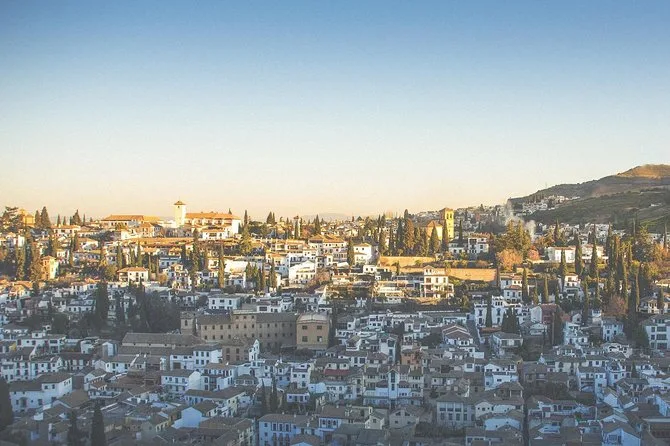
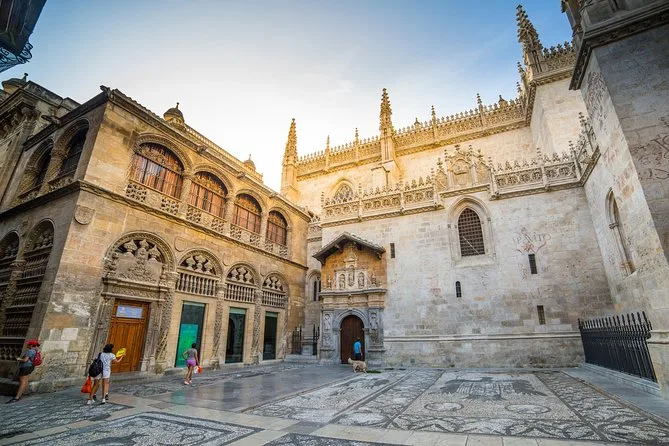
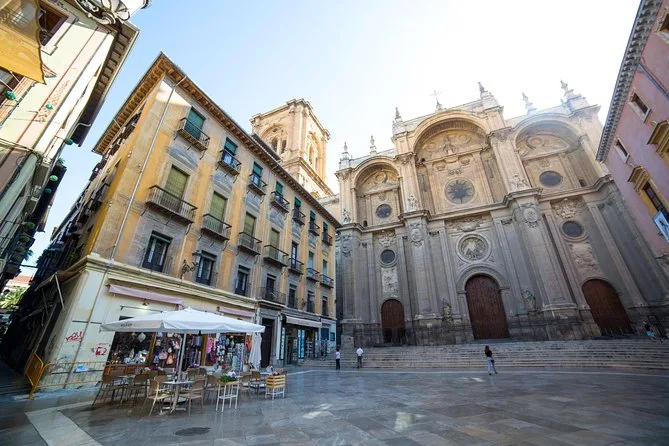
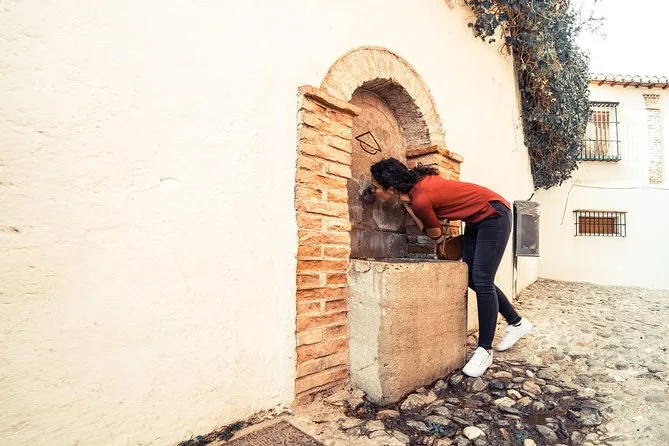
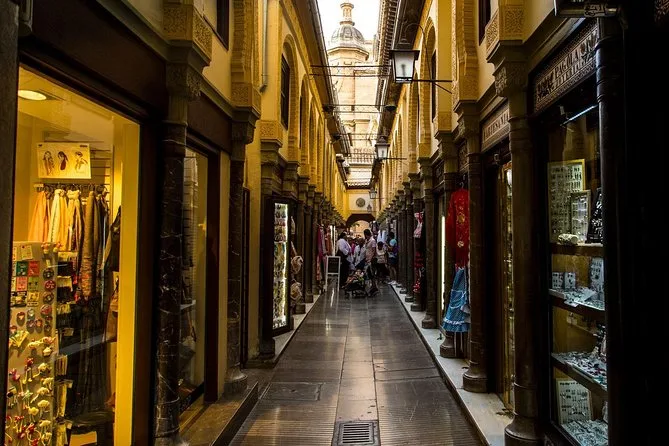
“You see that fountain?” our guide Ana asked, pausing under the shade of a fig tree in Realejo. “It’s been here longer than most of these buildings.” I’d already lost track of how many centuries we’d brushed past since leaving the Centro — it all sort of blurs together when you’re winding through Granada’s old streets, cobbles underfoot and the air smelling faintly of oranges and dust. We’d started near the Cathedral, where locals still cross themselves as they pass the Royal Chapel (I tried to do it discreetly but probably looked awkward). The city feels layered — Christian spires above, Moorish arches below, and somewhere in between, echoes of Jewish Granada if you know where to look.
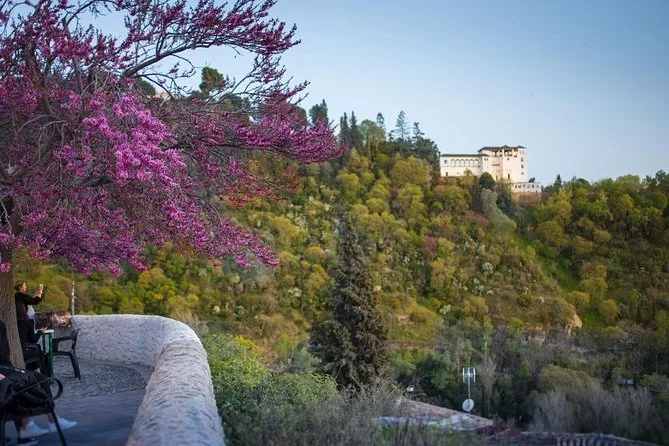
Ana led us up into Albaicín — those steep alleys that make your calves burn but reward you with glimpses of tiled courtyards and laundry flapping like flags. She pointed out a tiny reservoir hidden behind a wall (“for water in dry summers — still works!”) and told us about families who’ve lived here for generations. There was this moment at Mirador de San Nicolás when everyone just stopped talking; the Alhambra glowed across the valley, pinkish in late sun. I didn’t expect to feel so quiet inside — maybe it was the view or maybe just being there with strangers who suddenly felt like friends.
We ducked into a courtyard at Casa de los Tiros (the stone felt cool even though it was warm out), then wandered through what used to be Granada’s Jewish quarter. Not much left physically, Ana said, but she pulled out an old map and traced her finger along invisible borders. Someone asked about flamenco and she grinned: “Wait till Sacromonte.” Sure enough, Sacromonte is all whitewashed caves and wild rosemary growing from cracks. A woman waved from her doorway as we passed; Ana chatted with her in rapid Spanish I couldn’t quite follow but loved listening to anyway.
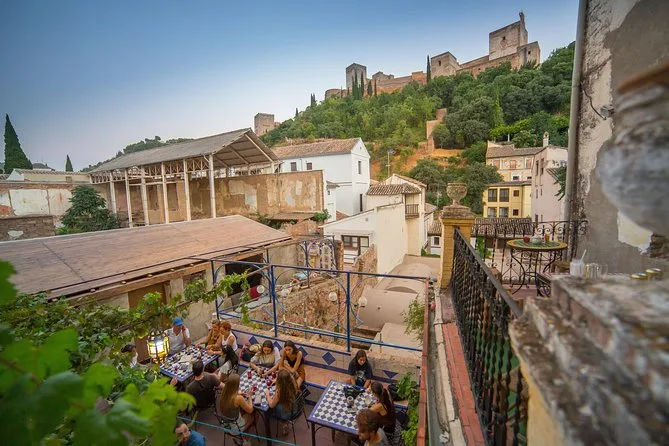
The break for tea came just when my feet started complaining — sweet minty steam rising from little glasses, Arabic pastries sticky with honey. We sat on a terrace looking straight at the Alhambra again (I get why people obsess over this view). I tried to pronounce “Albaicín” properly; Ana laughed and corrected me gently. Still think about that afternoon sometimes — not just what we saw but how it felt to move through so many layers of history at once. Hard to explain unless you’ve walked it yourself.
 4h
4h

Step-by-step itinerary
Day 1 — Explore Granada's Historic Neighborhoods
- Discover Granada's heritage and viewpoints
- Visit Albaicín district and viewpoints
- Stop at Mirador de San Nicolás
- Visit Casa de los Tiros courtyard
- Learn about old Jewish quarter
- Tour a traditional Albaicín Carmen house
- See exterior of Cathedral, Royal Chapel, and Lonja
- Enter old Andalusian teaching center
- Explore Sacromonte neighborhood and caves

Top questions

How long does this Granada historic neighborhoods walk last?
The guided walk lasts approximately 4 hours.
Is this half day tour suitable for children?
The route is not recommended for children under 7 years old due to its 4-hour duration.
Are there food or drinks included on this Granada cultures walk?
Yes, there’s a break with Arab tea and traditional sweets overlooking the Alhambra included.
Does this private tour include entry tickets?
The tour includes access to certain courtyards and interiors but focuses mainly on walking through public spaces; entry fees are not specifically listed.
Is pickup included for this Granada neighborhoods experience?
No hotel pickup is mentioned; public transportation options are available nearby.
What should I wear for this walking tour in Granada?
Comfortable shoes are recommended as many streets are cobbled and uneven.
Is this route accessible for people with reduced mobility?
No, the route is not adapted for people with reduced mobility or hearing/visual impairment.
Which neighborhoods are visited during this half day walk?
You’ll visit Centro, Realejo, Albaicín, and Sacromonte neighborhoods in Granada.

What’s included
Your half day includes a guided walk through four distinct neighborhoods of Granada with a local expert leading small groups; access to select courtyards; a relaxing break featuring Arab tea and traditional sweets on a terrace facing the Alhambra before finishing back near where you started.
 Super deal
  Free booking, free cancellation.
  Don't lose your place.


 Do you need help planning your next activity?
  +507 6792-0894


