

 +507 6792-0894


Barcelona: Tapas & Wine Tour in El Born & Barceloneta
 3h 30m
 4.99
(246 reviews)
4.99
(246 reviews)

Summary
Evening tapas walk through El Born’s alleys with wine, old walls, seaside bites and Catalan pastries
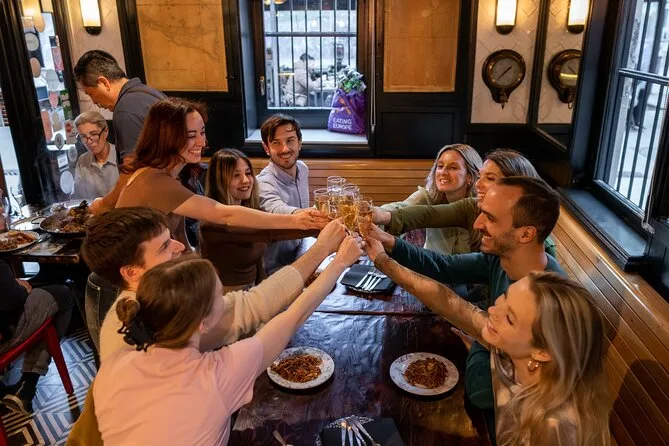
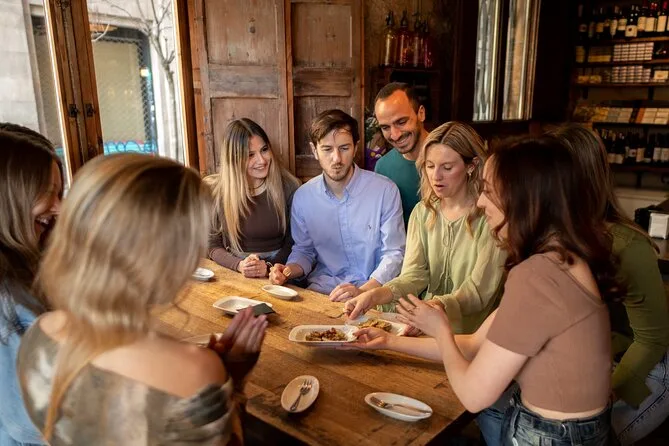
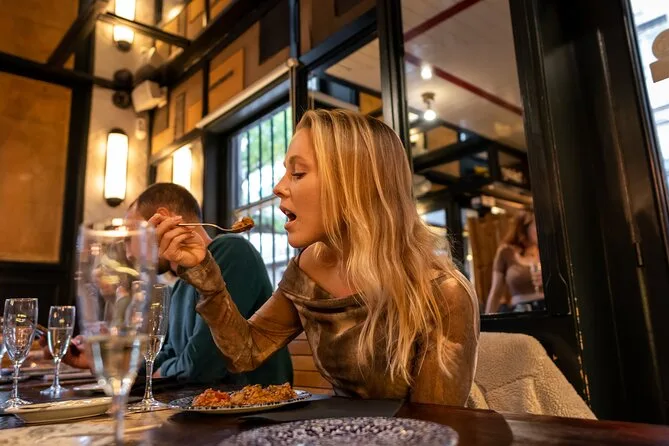
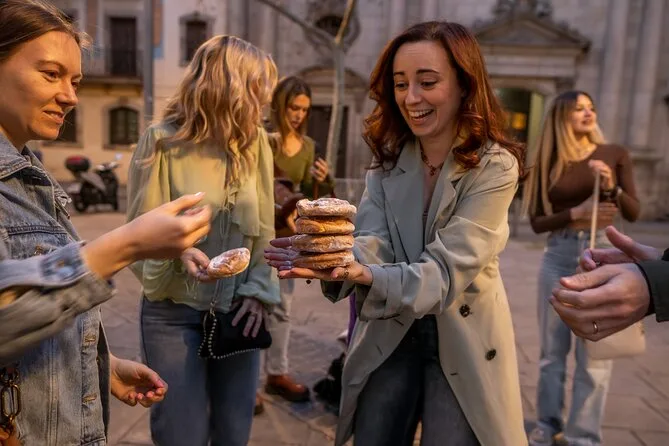
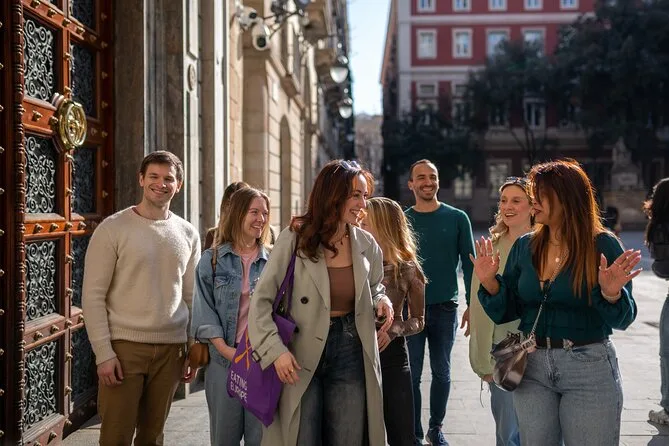
You’ll wind through Barcelona’s El Born and Barceloneta neighborhoods tasting classic tapas like Aubergine Tortilla and Fideuà, sipping wine from a porrón, laughing over pintxos mishaps, and finishing sweetly with Catalan pastries—all guided by locals who make history feel personal.

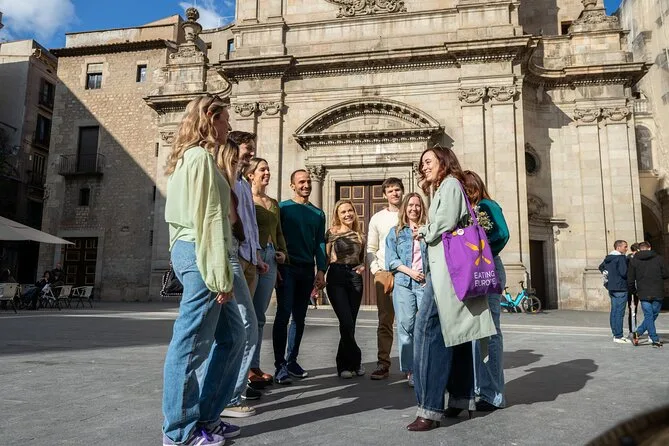
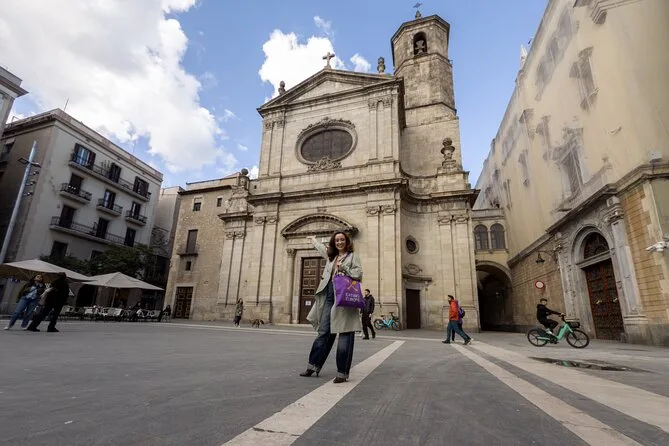
I’ll admit, we got lost before we even met our guide. Google Maps spun us in circles around the Basilica de la Mercè—honestly, I think half the group did too. But when we finally found everyone (our guide waving by the fountain), it felt like a relief. The square was noisy with scooters and laughter echoing off those old stones. Our guide, Marta, seemed to know every bar owner by name. She joked that if you can’t find your way in Barcelona’s Gothic Quarter at least once, you haven’t really arrived.
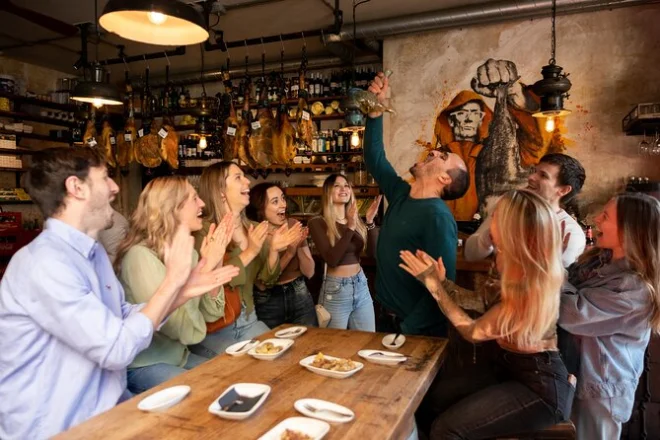
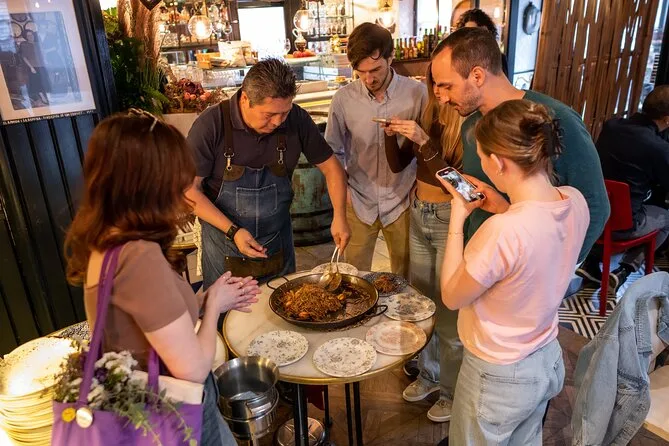
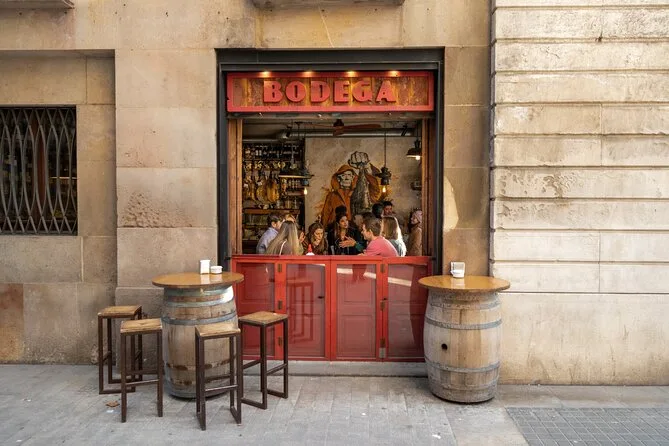
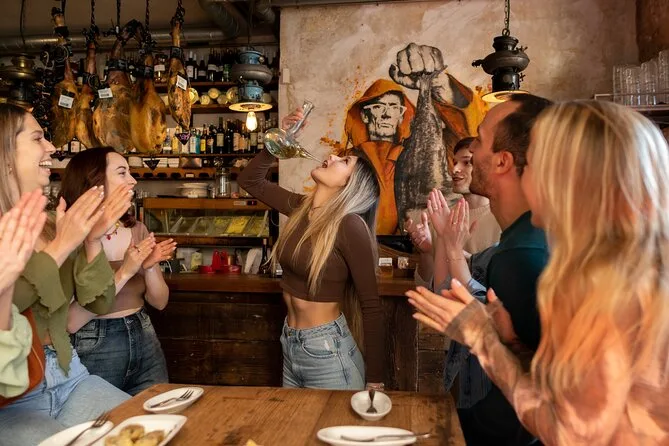
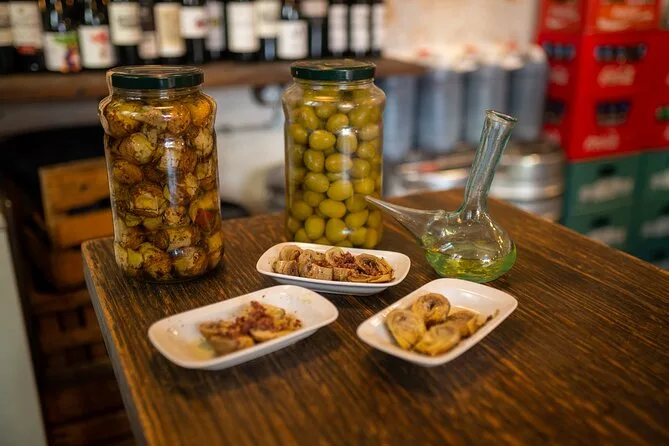
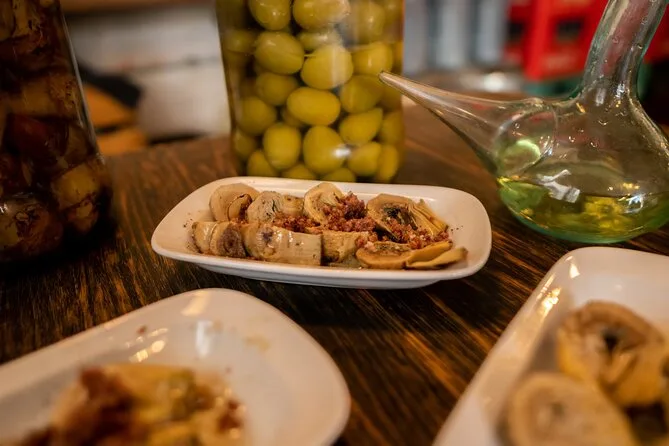
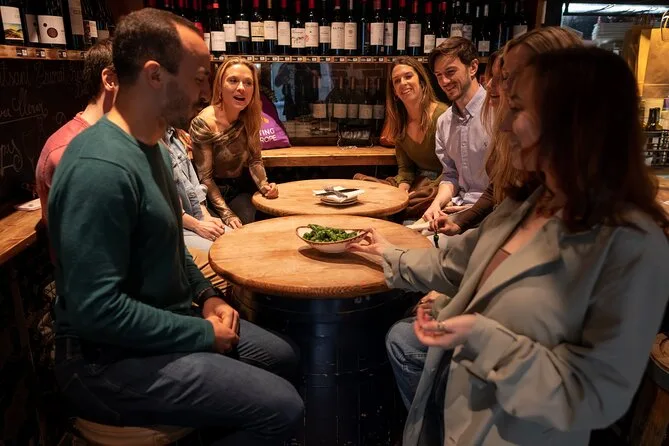
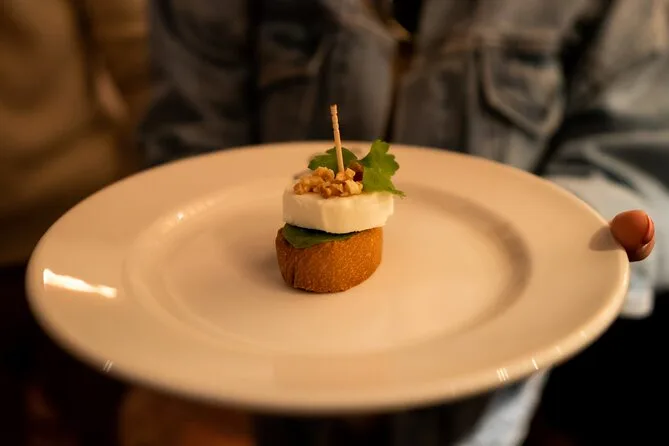
The first stop was this tiny bodega squeezed up against a Roman wall—2000 years old, apparently. Inside smelled like sherry and garlic. We tried Aubergine Tortilla with Pa amb Tomaquet (that tomato bread I’d heard about but never quite “got” until now). Marta showed us how to pour white wine from a porrón—it went everywhere except my glass on the first try. The others laughed; I did too, cheeks burning. There was something about sharing that messiness that made it feel less like a tour and more like a night out with friends.
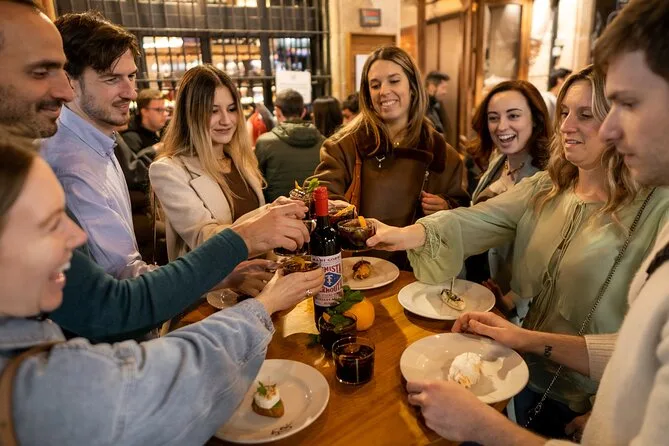
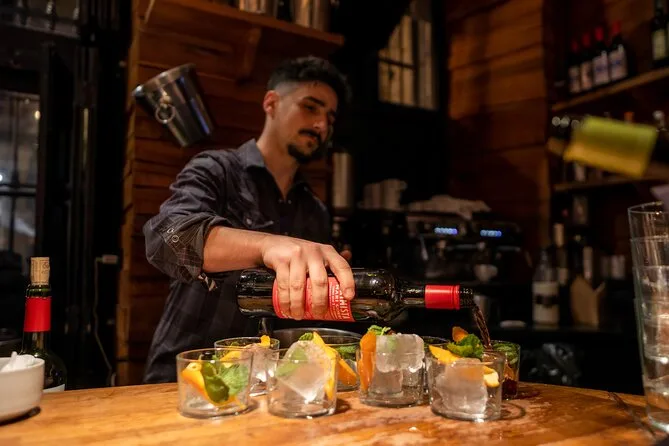
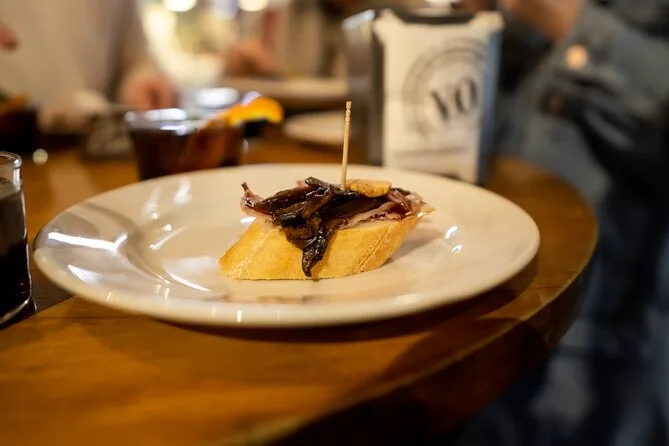
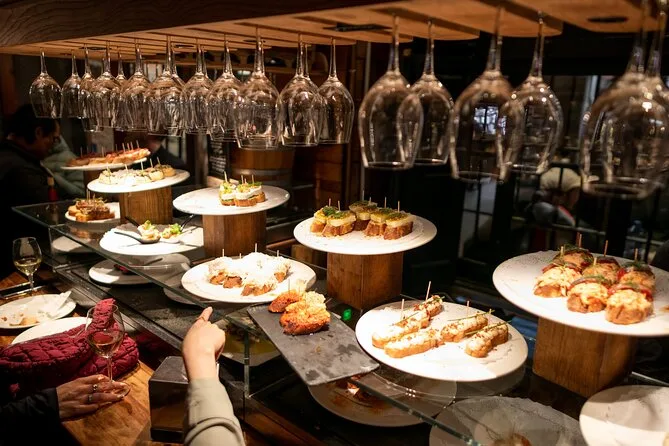
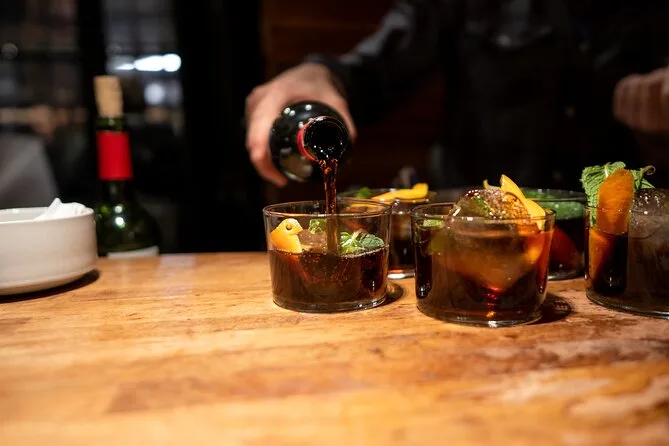
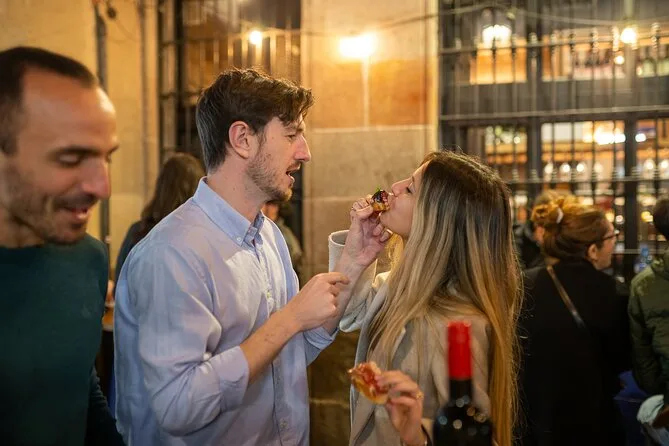
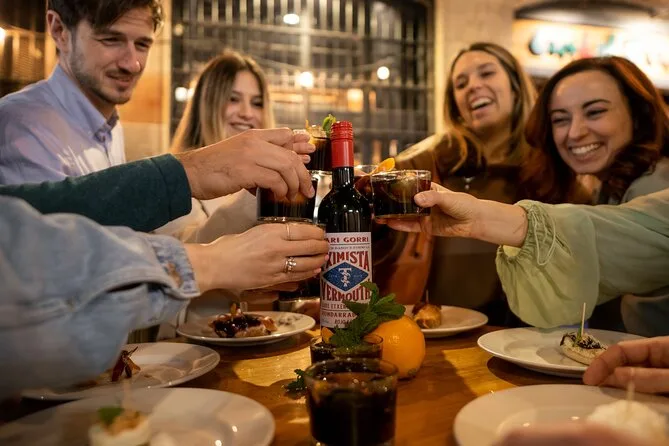
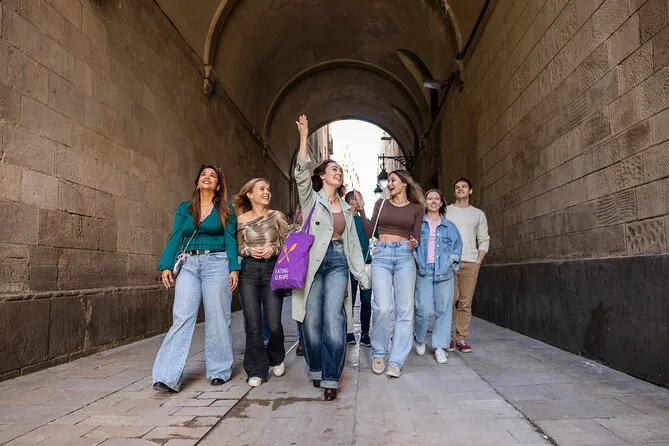
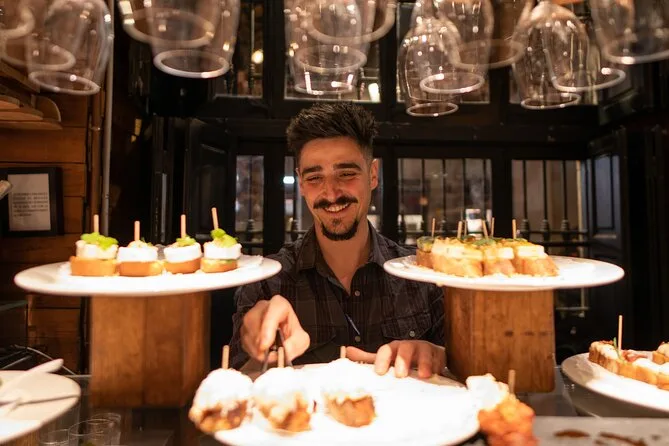
We wandered into El Born next—those medieval alleys are so narrow you have to flatten yourself against the wall for scooters to pass. At one Basque bar, pintxos were lined up like little edible jewels behind the counter. I picked one topped with anchovy and pepper (salty, sharp), sipped a Basque Vermut cocktail that tasted herbal and slightly bitter. I remember how the bartender winked when I mispronounced “Gilda”—I still don’t know if he was amused or just used to tourists mangling Spanish.
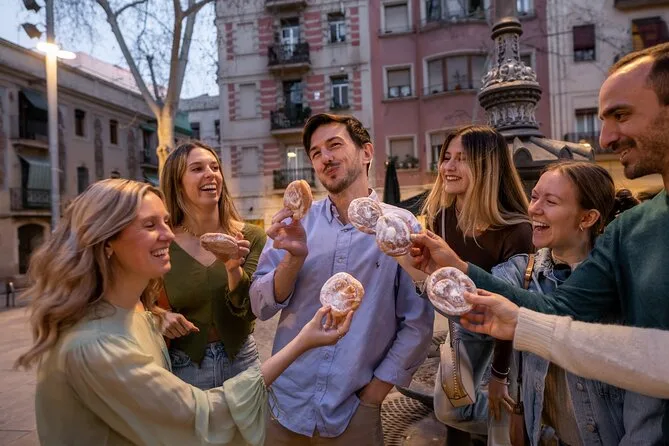
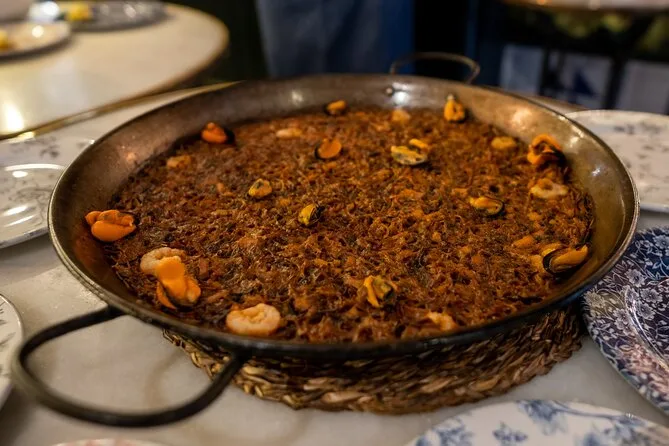
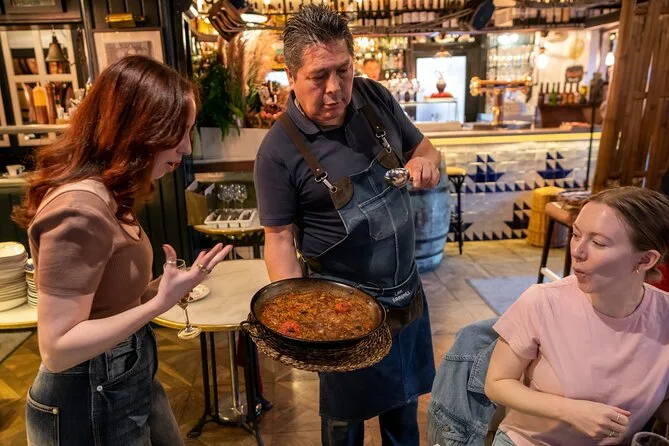
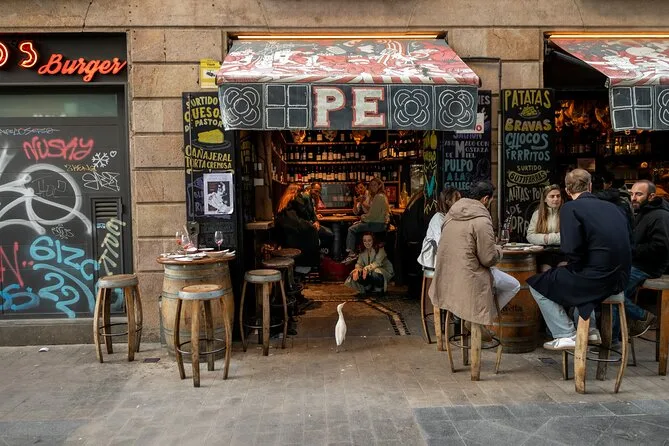
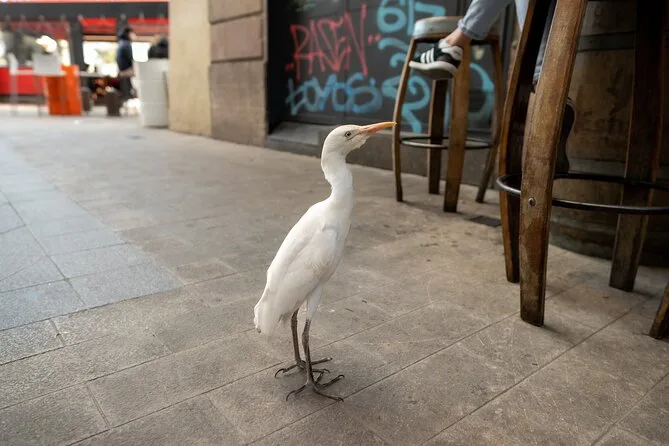
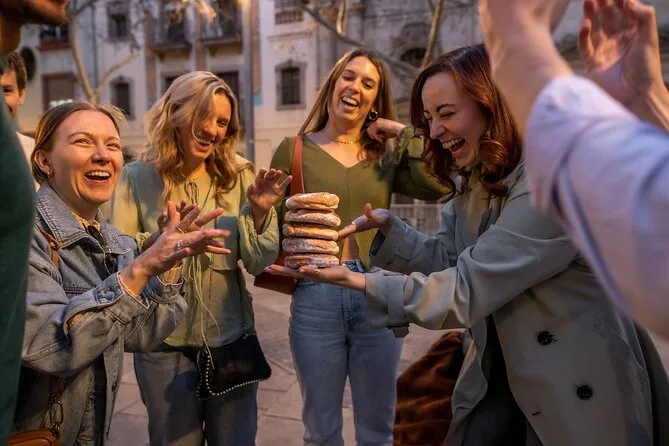
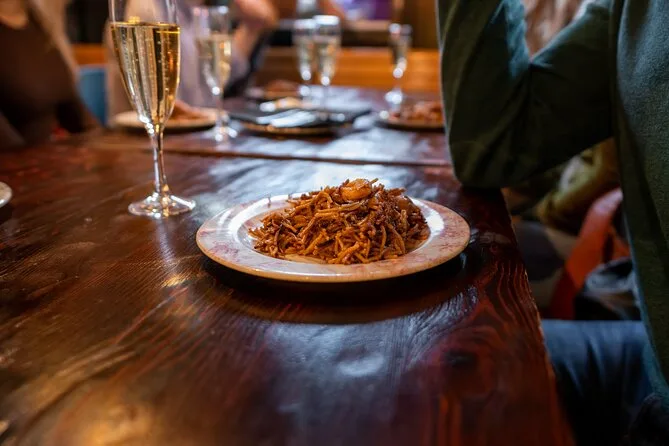
Barceloneta was all sea breeze and chatter from open windows above us. We ducked into what looked like someone’s living room but turned out to be the oldest house on the block—a third-generation restaurant serving Fideuà with alioli so garlicky I could taste it hours later (in a good way). Cava sparkled in mismatched glasses while someone pointed out a resident seabird perched near the kitchen door—apparently he comes for crumbs every night. We finished at a bakery where the smell of sugar hung heavy in the air; biting into that flaky Catalan pastry felt almost like childhood somehow.
I keep thinking about how Marta paused outside Santa Maria del Mar church as dusk settled over El Born—the bricks glowing gold for just a minute before night took over. She said locals carried each stone from Montjuïc by hand centuries ago. It’s strange how food tours can sneak up on you with these quiet moments between bites—maybe that’s what sticks most after all.
3h 30m

Step-by-step itinerary
Day 1 — Explore Barcelona's food and history
- Start at historic Gothic Quarter square
- Walk medieval alleys of El Born
- Pass Basilica de la Mercè and Santa Maria del Mar
- Visit 2000-year-old wall and portside bar
- Eat Aubergine Tortilla and tomato bread
- Enjoy white wine from traditional porrón
- Visit Basque-style bar in El Born
- Choose pintxo and sip Basque Vermut cocktail
- Walk seaside Barceloneta and Marina Port Vell
- Visit Barceloneta Market and oldest house restaurant
- Eat Fideuà with alioli and drink Cava
- Taste traditional Catalan pastry at bakery

Top questions

How long does the Barcelona tapas & wine tour last?
The tour typically lasts around 3-4 hours as you walk between stops in El Born and Barceloneta.
Are vegetarian or gluten-free options available?
Yes, vegetarian and gluten-free diets can be accommodated on this food tour but vegan diets cannot.
Is this Barcelona tapas tour wheelchair accessible?
Yes, all areas and surfaces on this tapas & wine tour are wheelchair accessible.
Does the tour include drinks?
Yes, drinks such as Basque Vermut cocktails, Cava, and white wine from a traditional porrón are included.
What is Fideuà served on this tour?
Fideuà is a Catalan noodle-paella served with alioli at a third-generation restaurant in Barceloneta during the tour.
Do I need to book in advance?
Advance booking is recommended as group sizes are limited for this Barcelona tapas & wine experience.
Is pickup included for this Barcelona food tour?
No hotel pickup is included; guests meet at Basilica de la Mercè in central Barcelona.
Can children join this tapas & wine walking tour?
Yes, children are welcome; infants can ride in prams or strollers during the walk.

What’s included
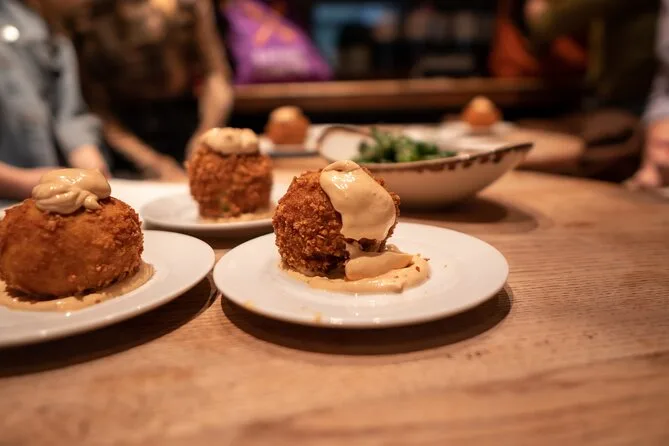
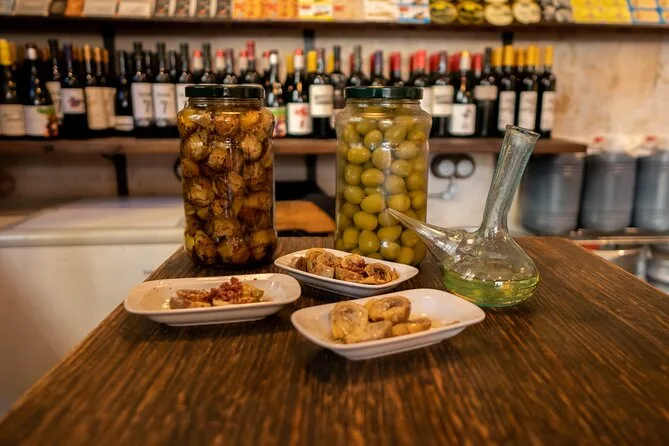
Your evening includes tastings of regional specialties like Aubergine Tortilla with tomato bread, Bomba de Barceloneta, Fideuà with alioli at historic family-run spots plus pintxos and Basque Vermut cocktails; you’ll sip Cava and white wine from a porrón along medieval streets with an English-speaking local guide—and finish sweetly with traditional Catalan pastry before heading home full (and maybe just a little tipsy).
 Super deal
  Free booking, free cancellation.
  Don't lose your place.


 Do you need help planning your next activity?
  +507 6792-0894


