

 +507 6792-0894


Seoul DMZ Tour: Retired Military Guide & Tunnel Walk












Summary
DMZ day trip from Seoul with real soldier stories and North Korea views
You’ll walk through history at Korea’s DMZ with a retired military officer guiding you past bullet-ridden relics, through Mangbaedan Altar’s quiet rituals, deep into the Third Tunnel of Aggression, and up to an observatory where North Korea feels almost close enough to touch. Expect honest stories, real tension—and moments that stick with you long after you’re back in Seoul.

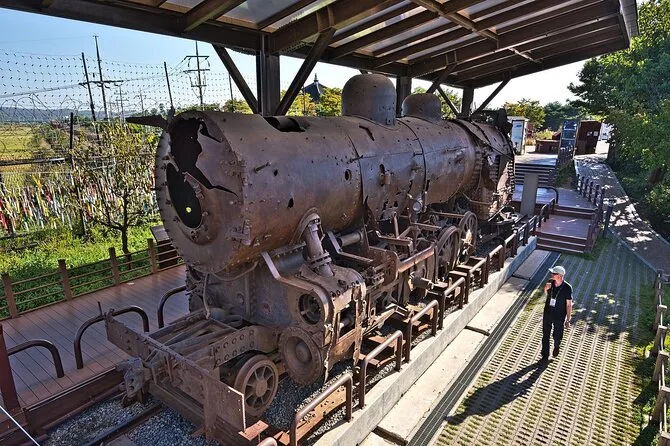
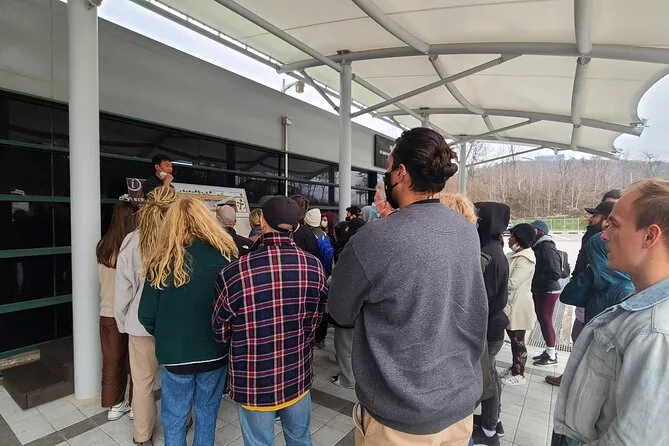
The first thing that hit me was how quiet the air felt as we stepped off the bus near the DMZ, just outside Seoul. Our guide—Major Kim, ex-special forces—didn’t waste time on small talk. He pointed out a battered old locomotive, still pocked with bullet holes, and said something about “history you can touch.” I tried to imagine what it sounded like when those shots were fired but couldn’t. There was a faint smell of wet earth and metal in the morning air. A few of us shuffled closer, maybe out of curiosity or just nerves.
Before we entered the actual DMZ area, we stopped at Mangbaedan Altar. It’s where families separated by the border come to bow toward their ancestors up north. I watched an older woman press her hands together and close her eyes—something about that moment stuck with me longer than I expected. Major Kim explained it all in this mix of Korean and English, sometimes switching mid-sentence if he got caught up in a memory. Someone asked about his time on the front line; he just smiled and said, “You never forget the sound of boots on gravel here.”
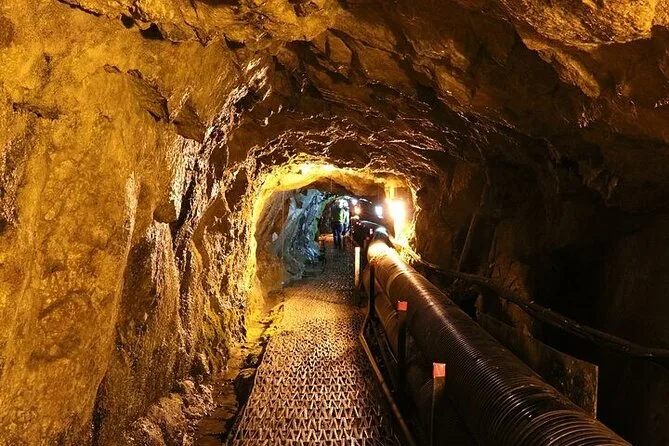
The main event was the Third Tunnel of Aggression—a narrow, damp corridor dug right under our feet. We put on helmets (mine wobbled) and ducked inside. The walls were cold and rough; you could hear water dripping somewhere ahead. It’s only 1.95 meters high in places—I’m not tall but still had to hunch. The guide told us North Korea built it for surprise attacks, but now it’s just tourists like us breathing heavy in the dark. I kept thinking about how close we actually were to another country—just a few meters of stone between us.
Afterward came the observatory part—either Dora or Odusan depending on weather (we got Dora). The sky was clear enough that morning to spot Gaeseong city across the border, which felt surreal. People took turns at the binoculars; someone whispered they saw movement on a distant road but who knows? The silence up there is different—it’s not peaceful exactly, more like everyone’s holding their breath for a second too long.
 6h–7h
6h–7h

Step-by-step itinerary
Day 1 — DMZ tour with observatory and tunnel visit
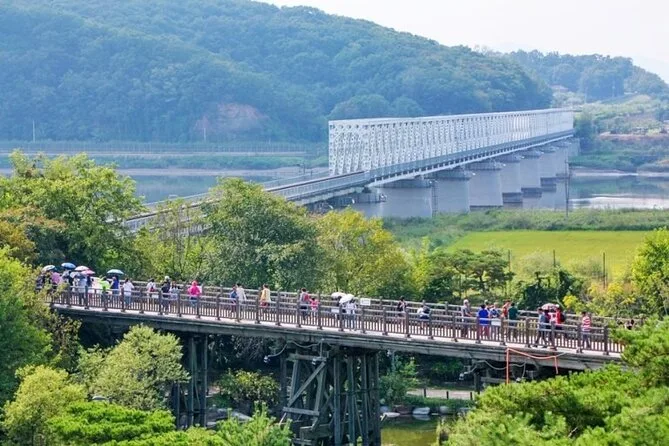
- View Bridge of Freedom
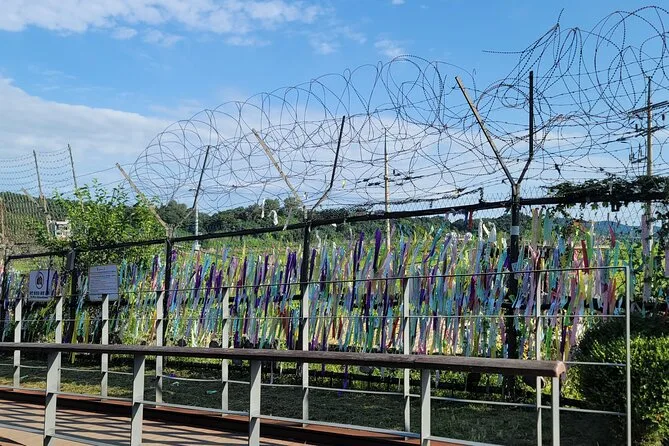
- Visit Mangbaedan Altar
- See war-damaged locomotive
- Enter and walk 3rd Invasion Tunnel
- Visit Dora or Odusan Observatory

Top questions

How long does this half-day DMZ tour from Seoul take?
The tour is compact and lasts about half a day including transfers from Seoul.
Who leads this DMZ tour?
The tour is led by retired South Korean military officers with frontline experience.
Do I need my passport for this DMZ day trip?
Yes, you must bring a valid passport on the day of travel for ID checks at the DMZ.
Which observatory will we visit during this tour?
You’ll visit either Dora or Odusan Observatory depending on visibility that day.
Is hotel pickup included in this Seoul DMZ tour?
Hotel pickup is included for groups of 10 or more; otherwise roundtrip transfer is provided from central Seoul.
Are entry fees covered in this DMZ experience?
Yes, all admission fees to sites like the Third Tunnel and observatories are included.
Is there any shopping stop during this tour?
No shopping stops are included—the focus is entirely on historical sites within the DMZ area.
What physical condition do I need for this tunnel walk?
You should have moderate fitness as walking through the tunnel involves some bending and uneven ground.

What’s included
Your day includes roundtrip transfer from Seoul (with free hotel pickup for groups of 10+), all admission fees for DMZ sites including either Dora or Odusan Observatory based on weather, access to Mangbaedan Altar and Bridge of Freedom, plus guidance throughout from a licensed professional—usually one of Korea’s retired military officers sharing their own stories along the way.
 Super deal
  Free booking, free cancellation.
  Don't lose your place.


 Do you need help planning your next activity?
  +507 6792-0894


