

 +507 6792-0894


Seoul DMZ Tour: Gondola, Red Bridge & Third Tunnel Day Trip







Summary
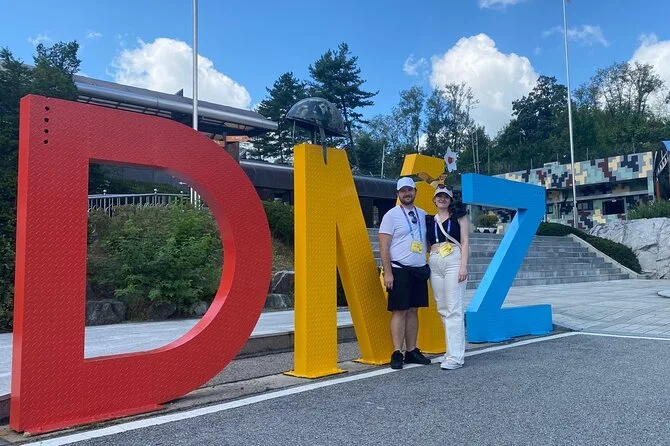
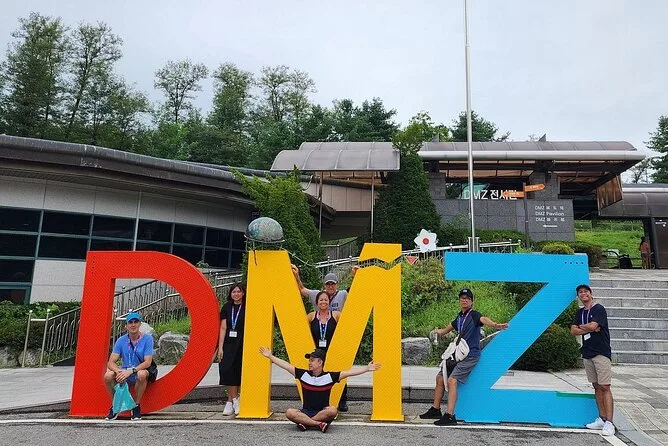
DMZ day trip from Seoul with gondola ride, tunnels and suspension bridge
You’ll stand at Korea’s tense border on this DMZ day trip from Seoul—crossing creaky bridges, peering into secret tunnels, riding a gondola over forbidden rivers, and sharing laughs with your guide along the way. Expect moments of silence mixed with stories that linger long after you’re home.

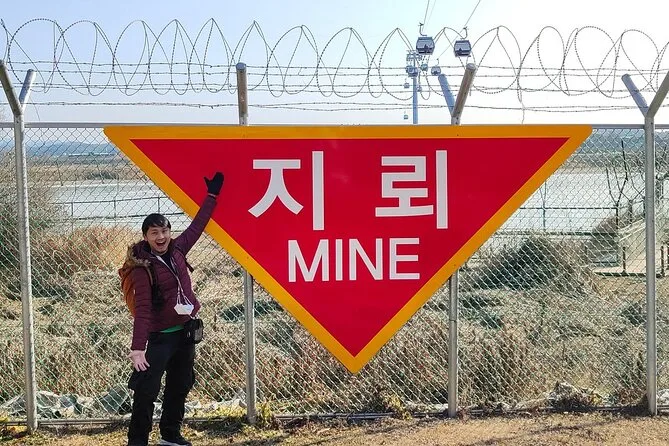
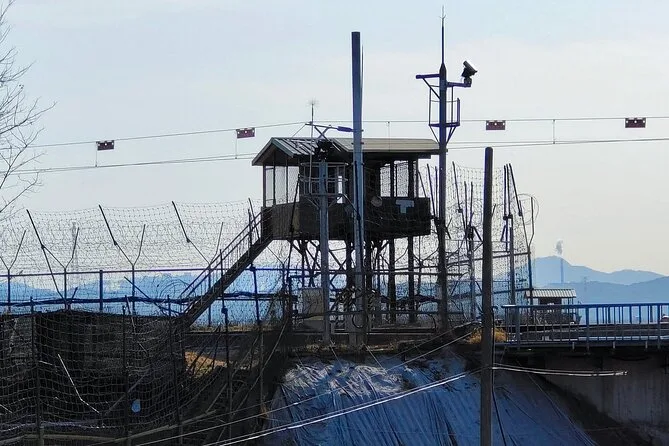
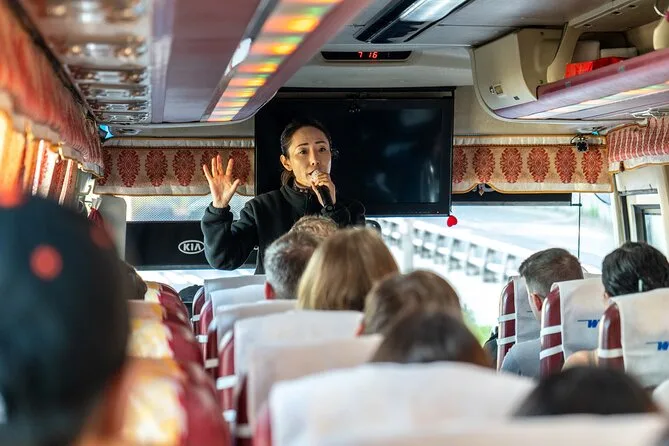
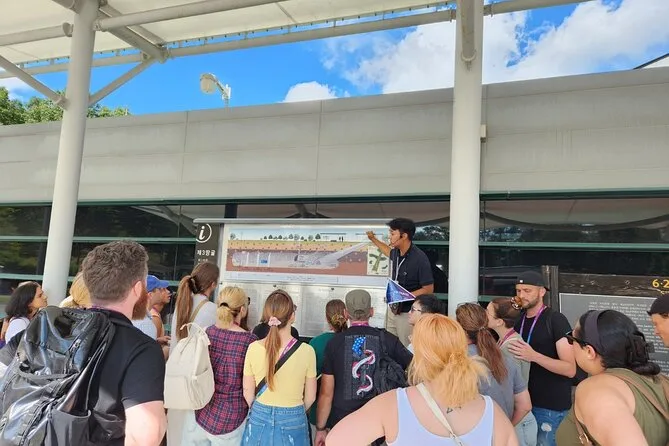
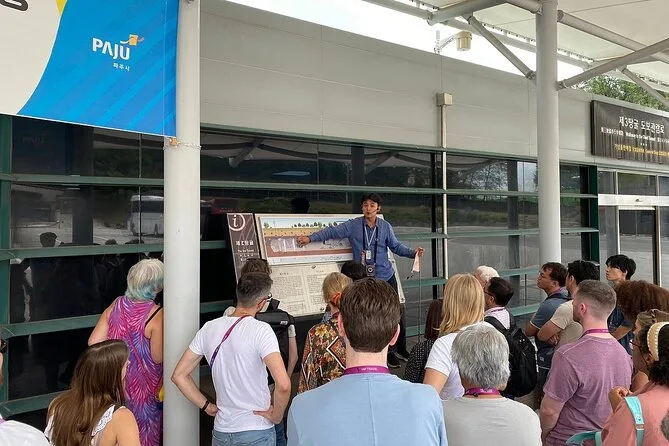
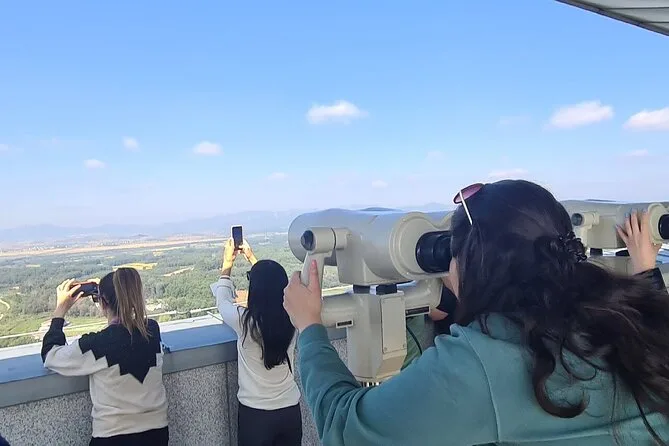
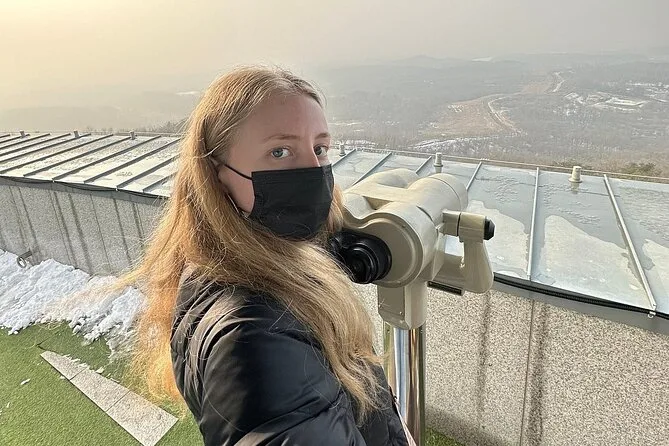
I didn’t expect to feel nervous when our bus stopped at the military checkpoint outside Seoul — but there it was, that odd hush as soldiers checked our passports. Our guide, Ji-won, just grinned and cracked a joke about her “serious face” photo on her ID. That helped. The DMZ tour from Seoul is one of those things you think will be all history and facts, but honestly? It’s way more layered. There’s this weird mix of quiet countryside (pine trees everywhere), barbed wire, and then suddenly you’re peering through binoculars at North Korea’s side. I caught myself holding my breath a few times.
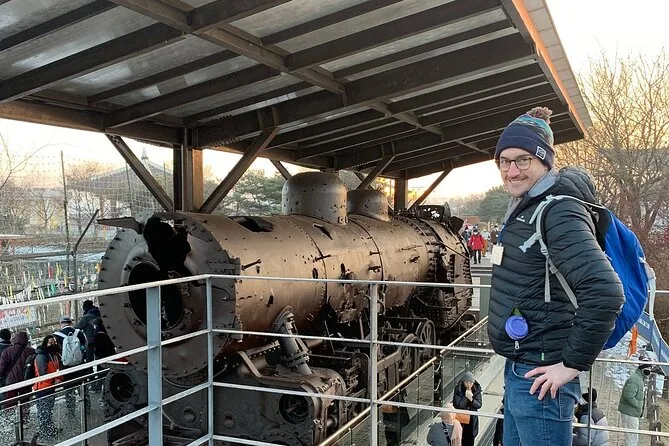
Imjingak Park surprised me — pinwheels spinning in the wind, ribbons tied to fences fluttering like prayers. The Iron Horse train sits rusted and silent; I touched its metal and it felt colder than I expected. Ji-won told us about families separated for decades who come here to leave notes or just stand facing north. The wind picked up right then — maybe that sounds dramatic, but it really did — and someone behind me whispered something about how close we were to another world. We walked over the Freedom Bridge next, boards creaking underfoot while people left little paper cranes wedged into cracks.
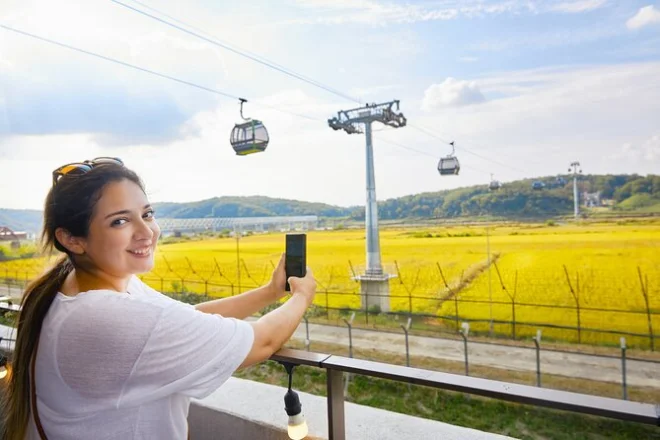
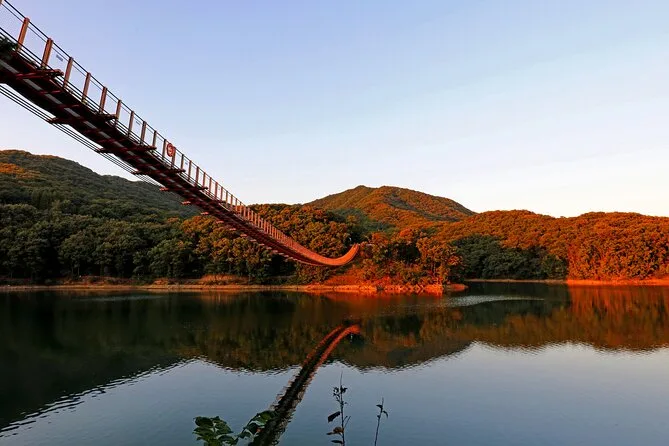
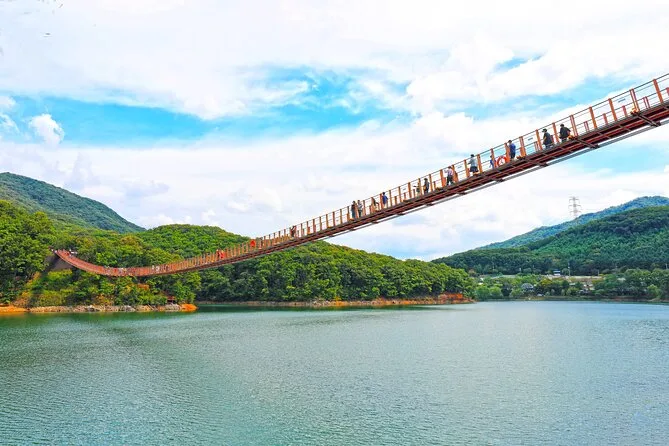
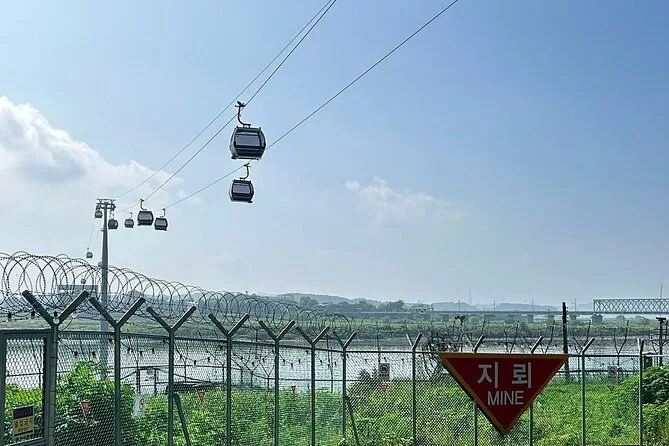
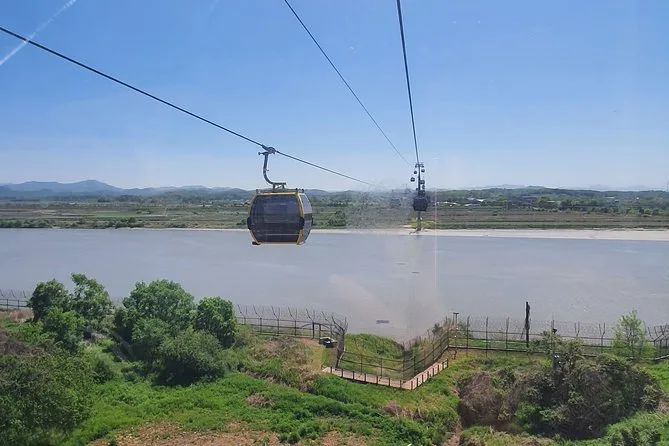
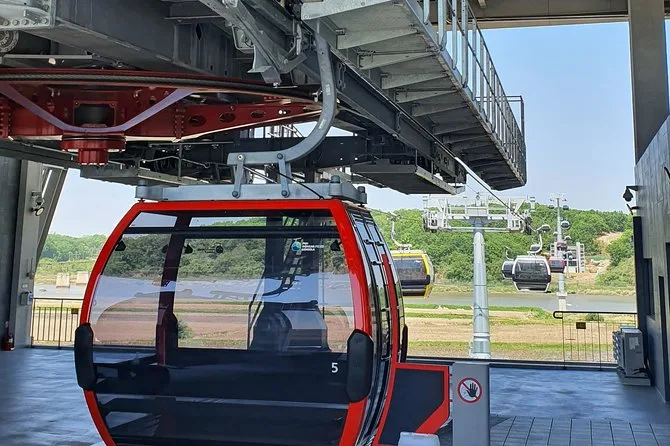
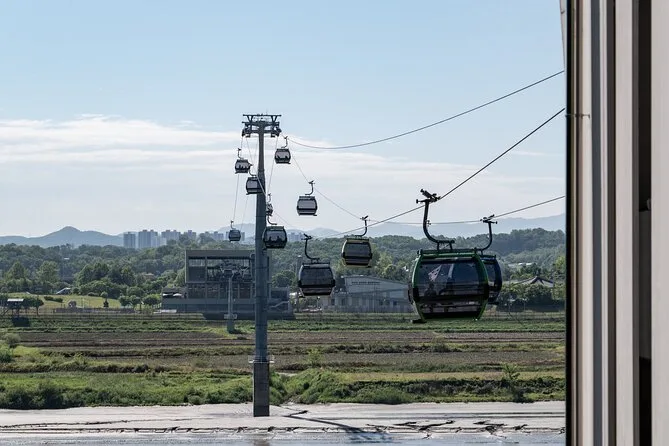
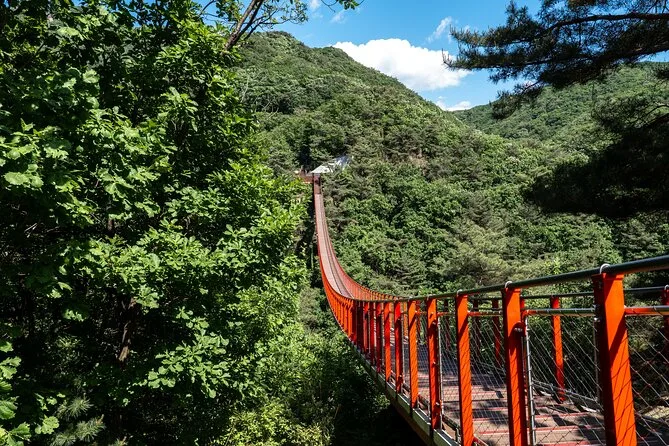
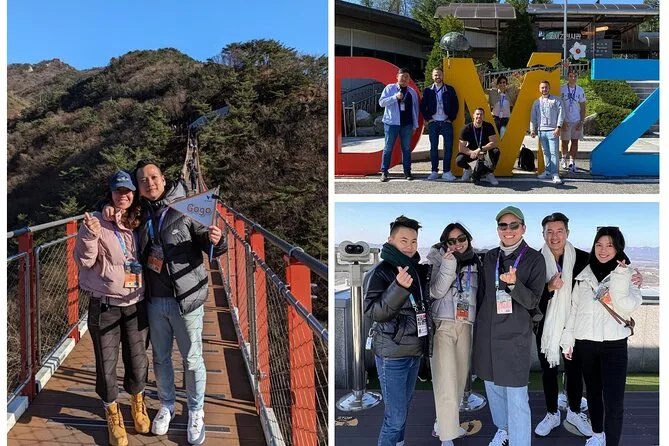
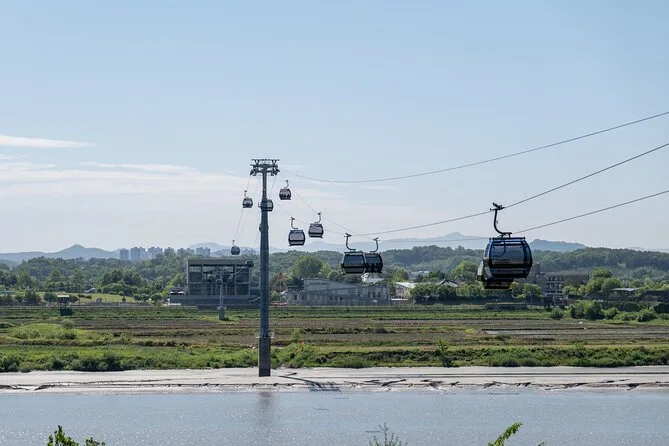
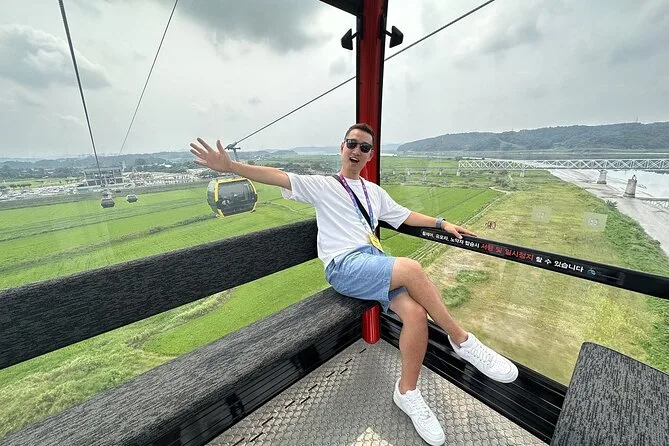
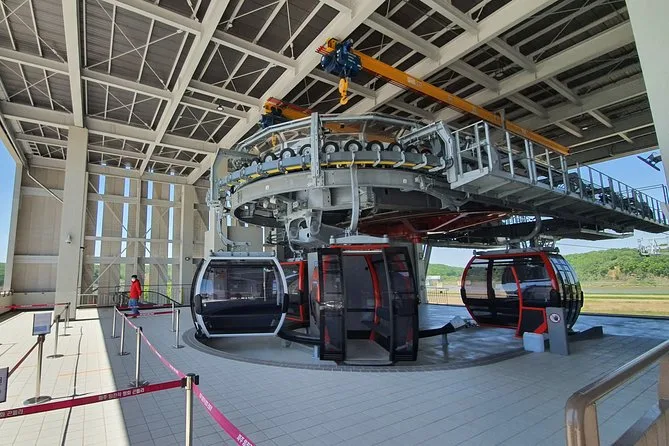
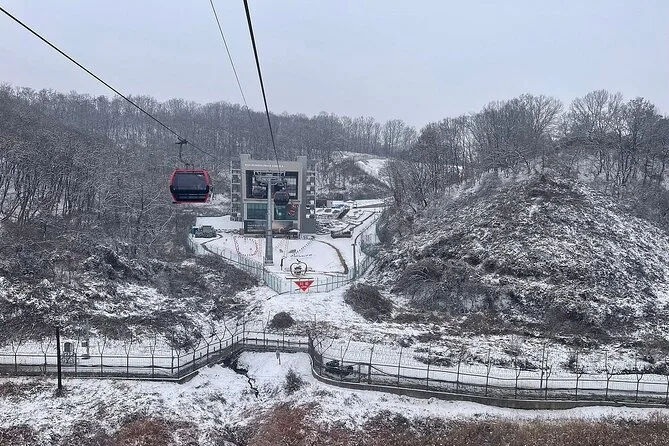
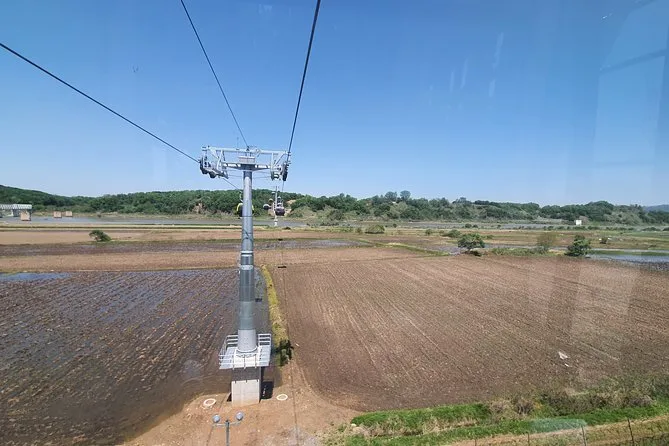
The optional gondola ride was… honestly a bit nerve-wracking for me (heights aren’t my thing), but the view over the Imjin River made my palms sweat for a good reason. You get this strange feeling of floating above history itself — there’s farmland below that nobody can touch because of old landmines or whatever else is buried down there. If you skip the gondola, Ji-won said there’s always the Red Suspension Bridge at Gamaksan Mountain later on — which wobbles just enough to make everyone laugh nervously as they cross. Li from our group tried to take a selfie mid-bridge and almost dropped his phone; we all cheered when he managed not to.
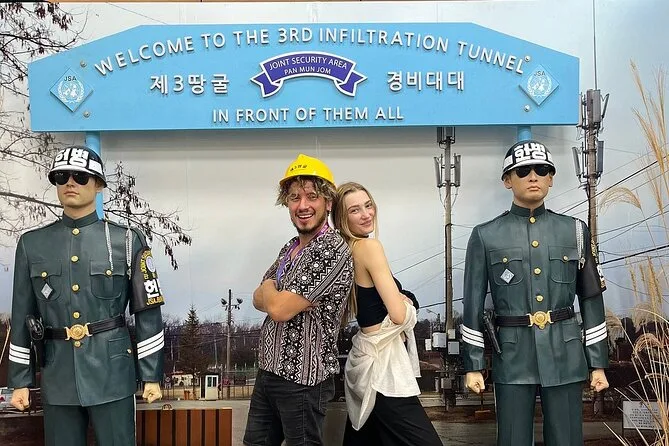
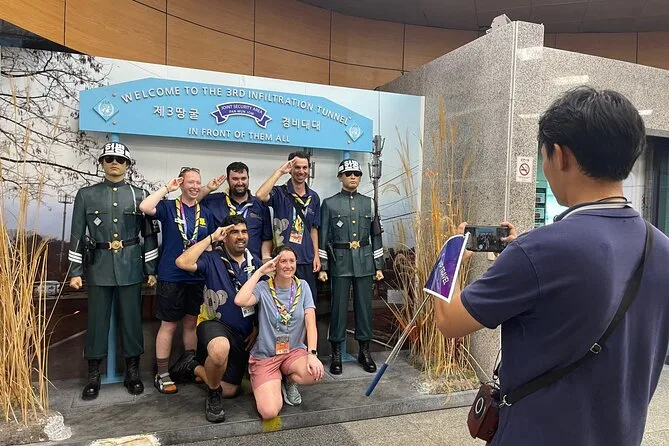
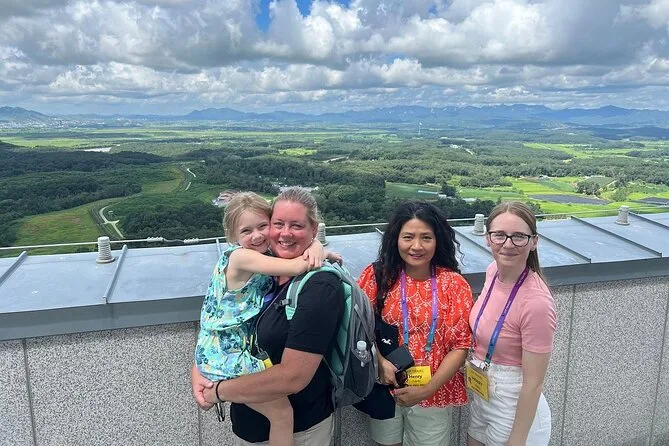
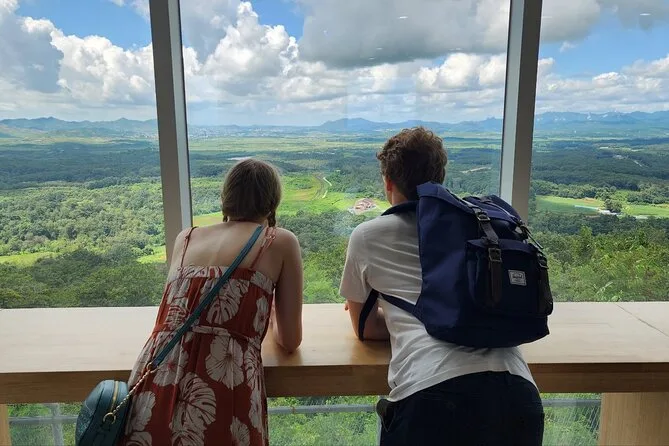
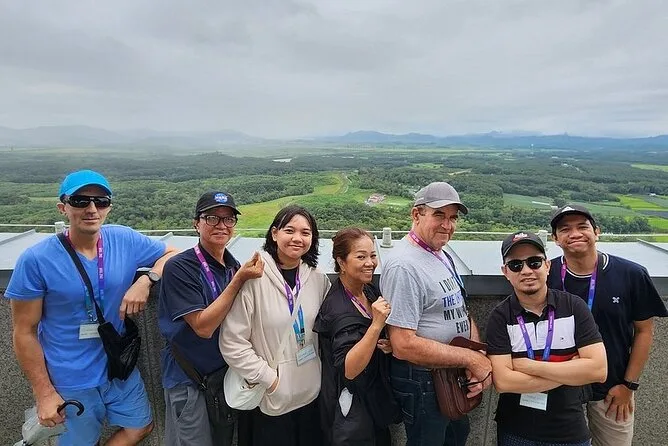
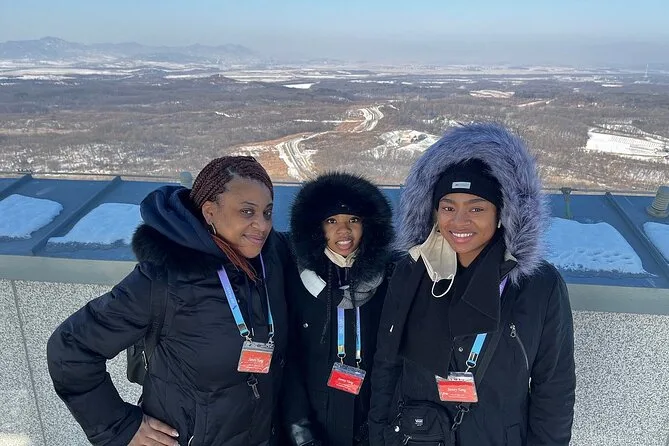
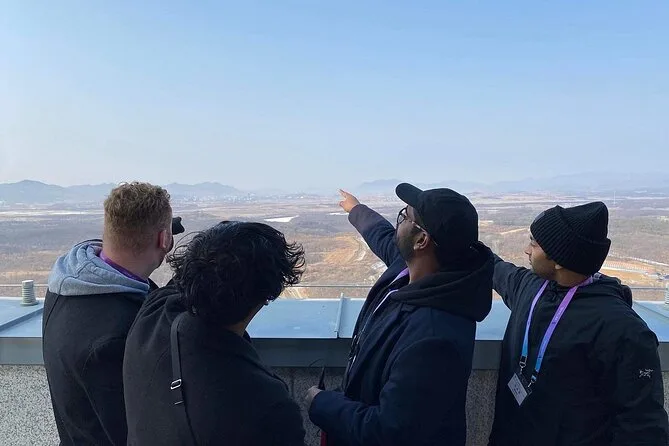
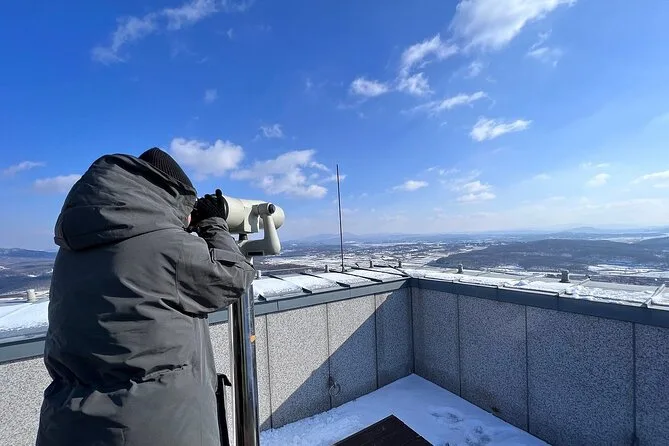
I still think about walking through the Third Tunnel of Aggression — damp walls echoing every footstep, helmets knocking against stone now and then (I’m not tall but still managed to bonk mine). It’s claustrophobic but worth it for that bizarre sense of stepping straight into Cold War history. At Dora Observatory you can see North Korea’s propaganda village through high-powered binoculars; if you’re lucky with weather you’ll spot even further into Kaesong City. On the way back we stopped in Tongilchon village for soybean ice cream (better than it sounds), which felt oddly comforting after all that heavy stuff.
 7h 30m

Step-by-step itinerary
Day 1 — Explore DMZ and surrounding landmarks
- Meet at Seoul subway station
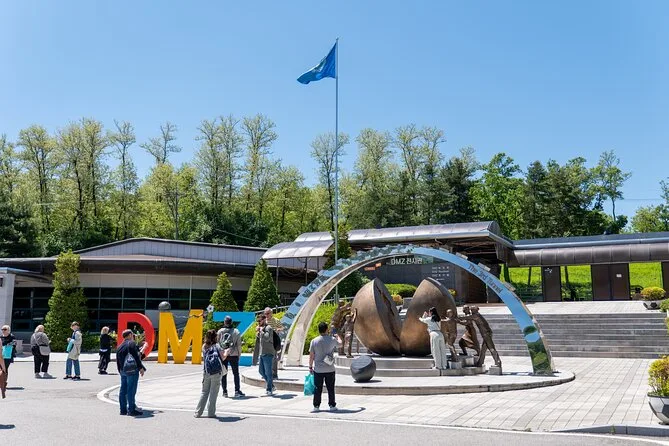
- Visit Korean Demilitarized Zone
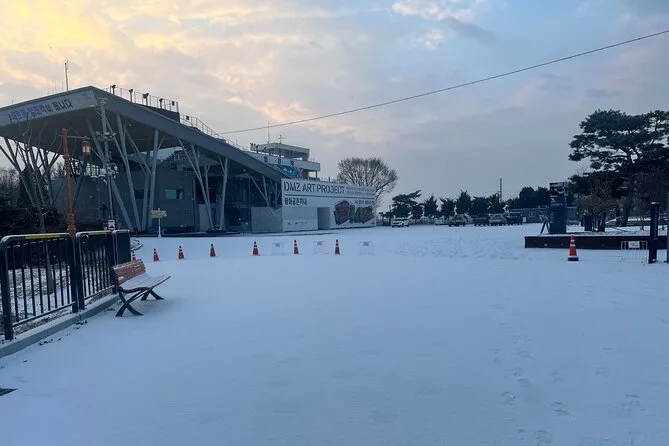
- Explore Imjingak Pyeonghoa-Nuri Park
- Walk Bridge of Freedom
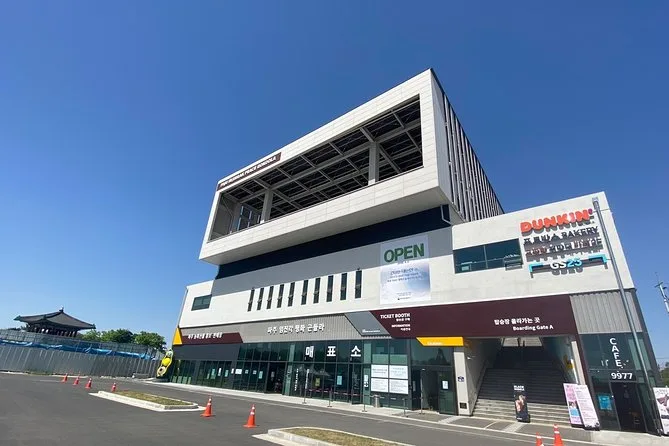
- Optional ride on Paju Imjingak Peace Gondola
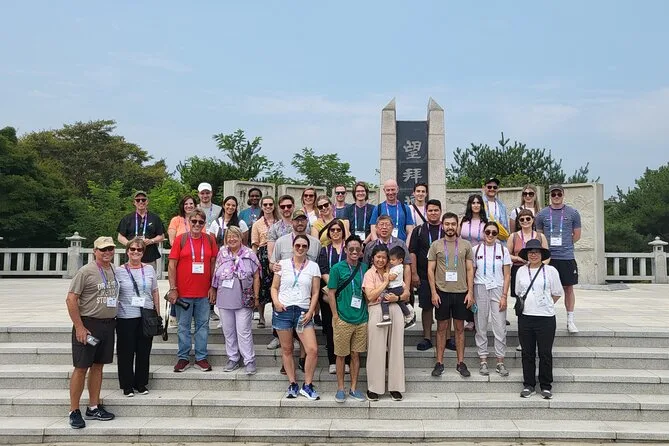
- Visit Mangbaedan Memorial Altar
- See Dokgae Bridge
- View Iron Horse at Jangdan Station
- Ring Pyeonghwauijong Peace Bell
- Pass Unification Bridge checkpoint
- Stop at Third Tunnel of Aggression
- Visit Dora Observatory
- Rest at Tongilchon Jangdankong Maeul village
- Optional walk on Gamaksan Red Suspension Bridge
- Optional walk on Majang Lake suspension bridge
- Return and drop off at Seoul locations

Top questions

Is passport required for the DMZ tour from Seoul?
Yes, bring your passport or ID for military checkpoints and optional gondola rides beyond the Civilian Control Line.
What is included in the DMZ day trip from Seoul?
The tour includes pickup at central locations in Seoul, air-conditioned transport, entry fees, and an expert local guide.
Can I do both the gondola ride and Red Suspension Bridge?
You can choose either or both as optional add-ons during your DMZ tour day trip from Seoul.
Is lunch included in this DMZ tour?
No set lunch is included but there are snack stops like Tongilchon village where you can try local treats such as soybean ice cream.
How long does it take to reach the DMZ from Seoul?
The drive usually takes around 1–1.5 hours depending on traffic and checkpoint stops.
Are children allowed on this DMZ day trip?
Yes, infants can join with an adult; strollers are allowed on board.
Is walking through the Third Tunnel difficult?
The tunnel is narrow and steep in places; those uncomfortable with closed spaces can wait outside by the exit.
Where does the DMZ tour drop off in Seoul?
You can choose between Hongdae, Myeongdong Shopping Street or Seoul City Hall for drop-off after your tour ends.

What’s included
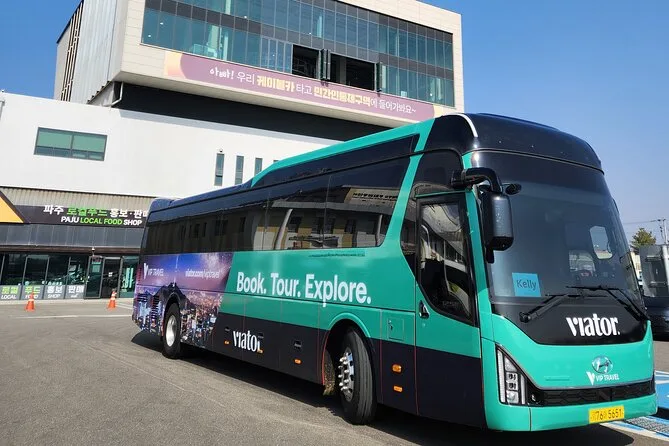
Your day includes easy pickup at three central Seoul subway stations, air-conditioned bus transport throughout all sites like Imjingak Park and Dora Observatory, entry fees covered—including access to key spots like the Third Tunnel—and guidance from a knowledgeable local who keeps things real (and light) even when crossing military checkpoints or trying out local snacks together before heading back into city life.
 Super deal
  Free booking, free cancellation.
  Don't lose your place.


 Do you need help planning your next activity?
  +507 6792-0894


