

 +507 6792-0894


Gyeongju: UNESCO Sites Private Tour with Flexible Pickup



Summary
Walk ancient paths in Gyeongju with a private guide and real stories
You’ll wander ancient temples and royal tombs in Gyeongju with a local guide who brings Silla history alive—from touching cold temple stones at Bulguksa to feeling mountain air in Seokguram Grotto. Expect laughter over language slips, time for photos on Woljeonggyo Bridge, and real stories woven through every stop.

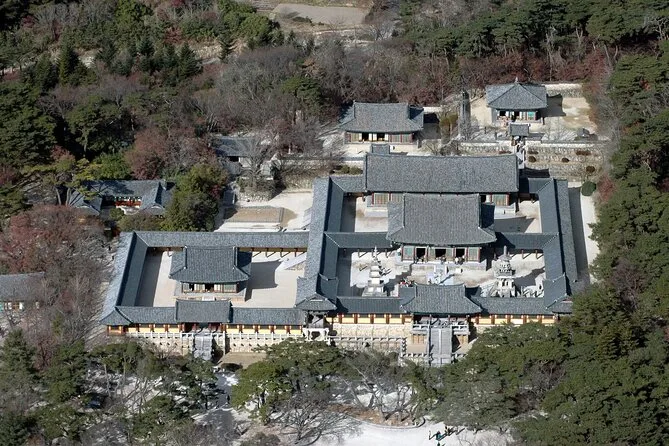
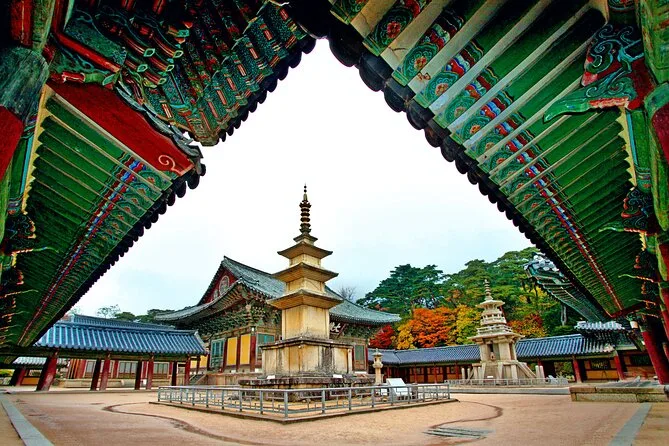
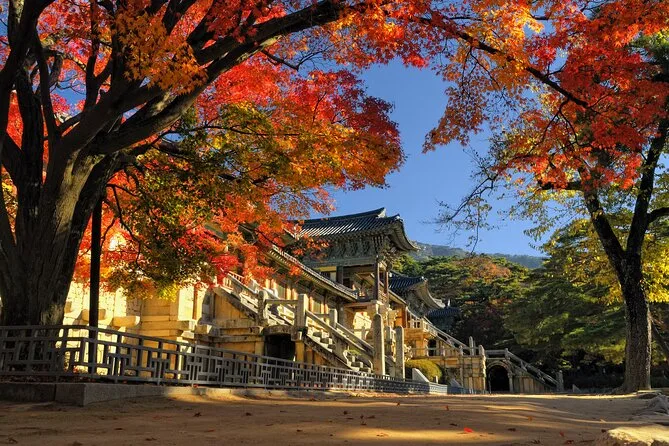
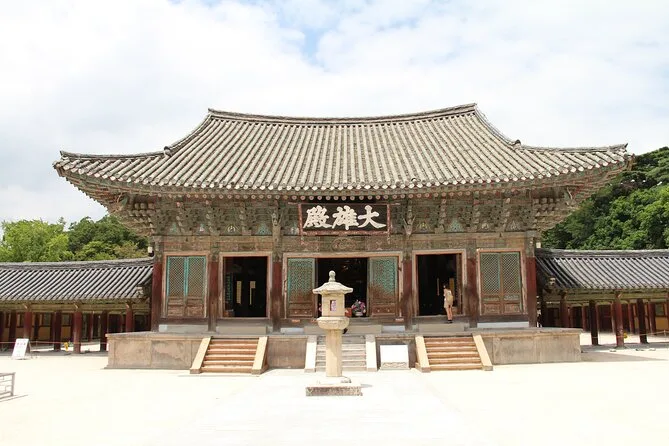
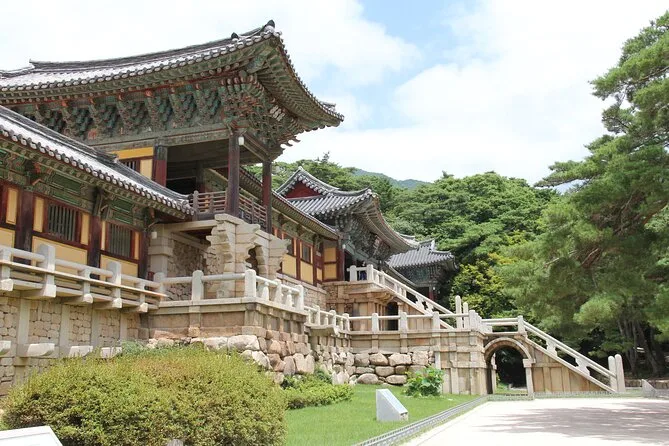
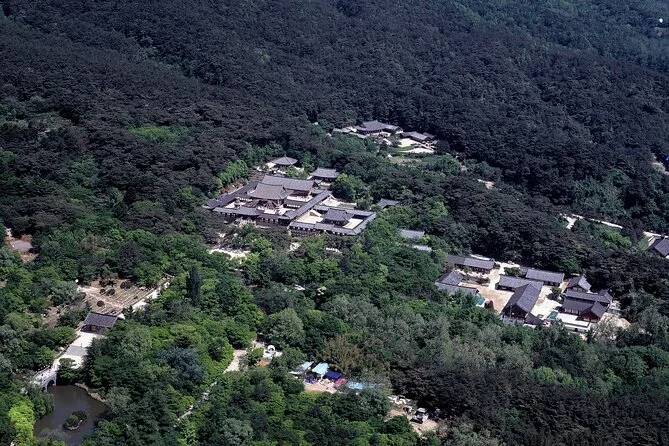
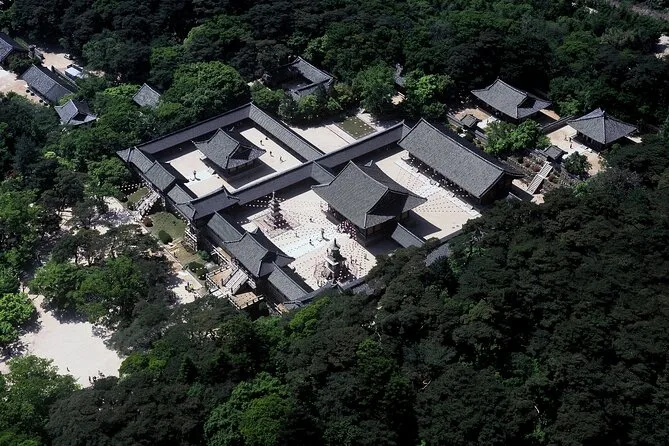
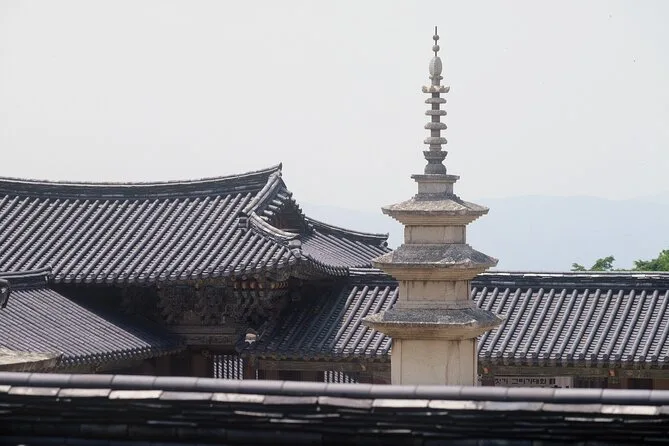
The day started with our guide, Minji, waving from the van outside my hotel in Busan—she had this calm smile that made me feel like I’d known her longer than five minutes. We drove toward Gyeongju as the city faded behind us and rice paddies took over. There was this faint scent of pine when we stepped out at Bulguksa Temple. The stone steps were cool under my hand (I touched them without really thinking), and Minji pointed out the Dabotap pagoda, telling us how it’s survived for centuries—her voice got quiet when she talked about the monks who still come here early in the morning. I tried to imagine that kind of peace, but honestly, I mostly just felt hungry (luckily lunch was coming).
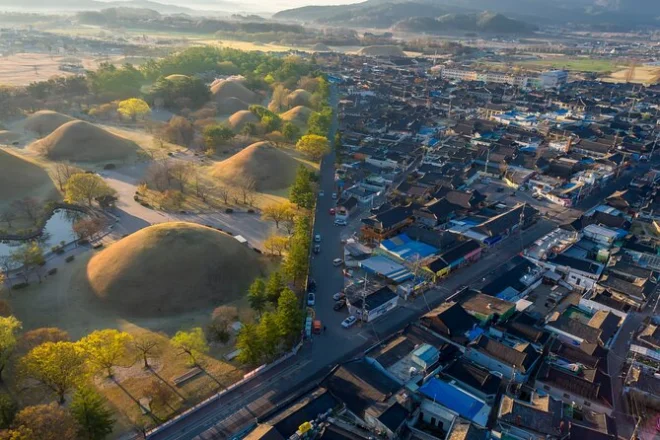
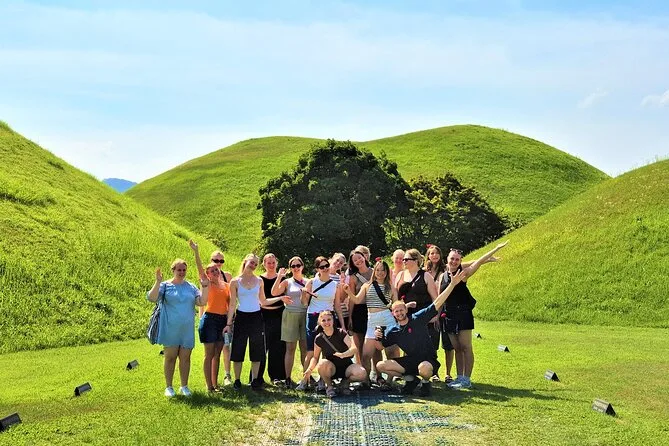
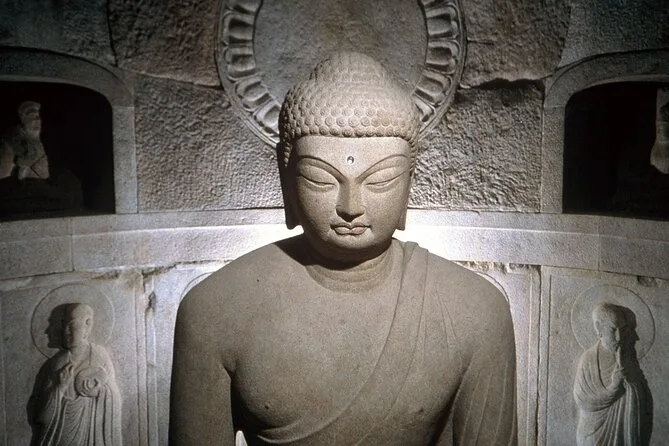
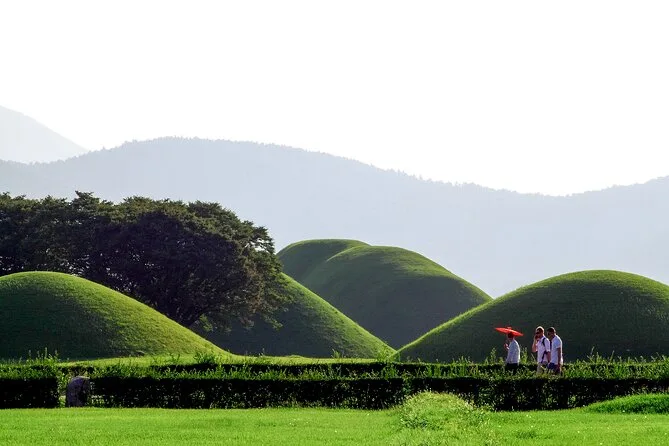
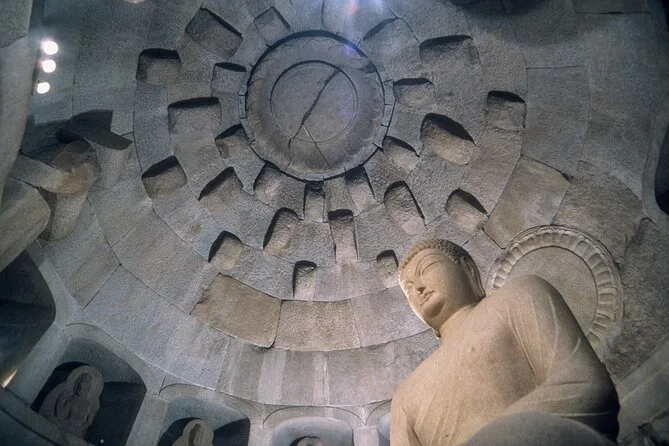
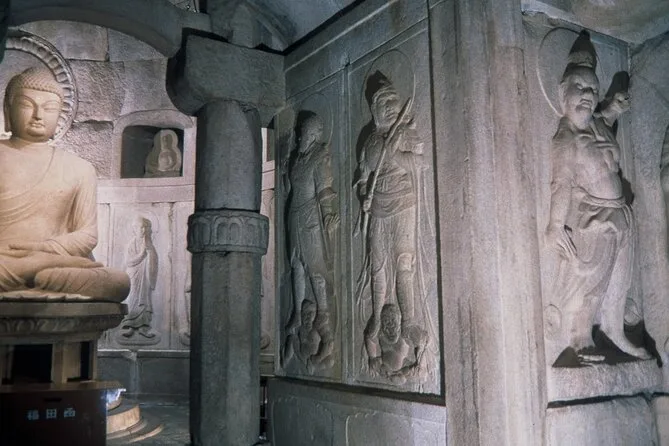
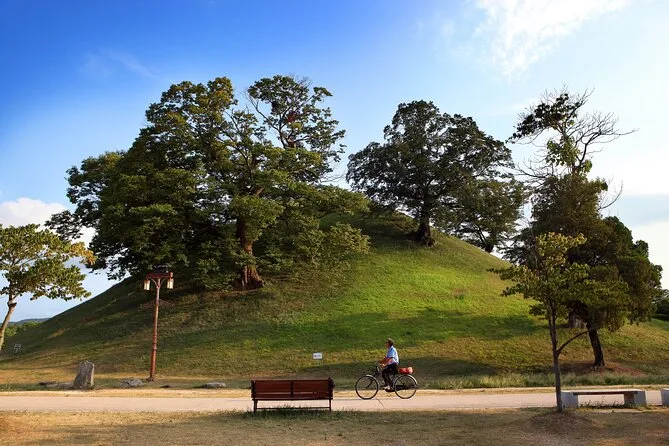
Seokguram Grotto was next, up a winding road where you could hear cicadas even through closed windows. The air inside the grotto was chilly compared to outside—almost damp—and the granite Buddha looked so serene it made me forget to take a photo at first. There’s something about seeing these UNESCO sites in Gyeongju that makes history feel less like a textbook and more like someone’s old family story. At Daereungwon Tombs, Minji showed us how to spot which mounds belonged to kings or queens (she said you can tell by the size, but I still guessed wrong). Walking through those grassy mounds felt oddly peaceful—you could hear kids laughing somewhere nearby.
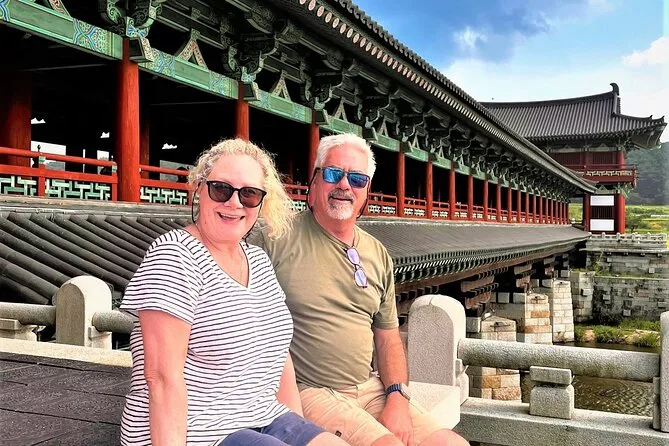
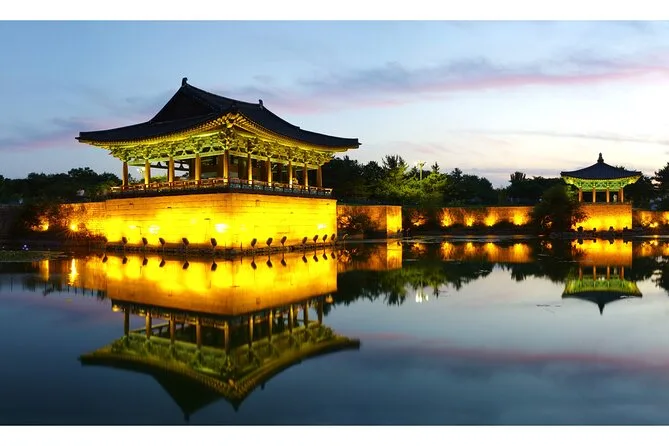
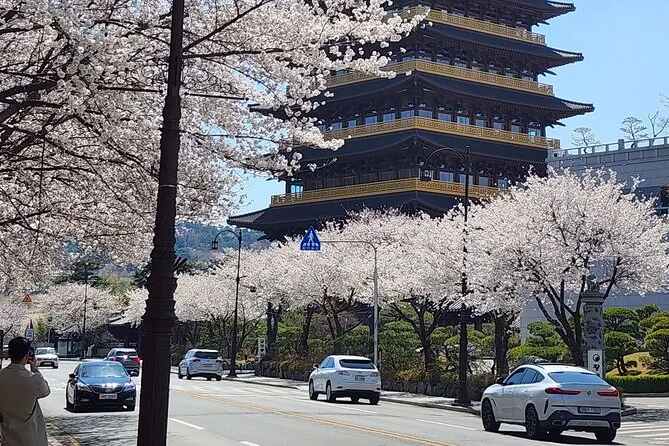
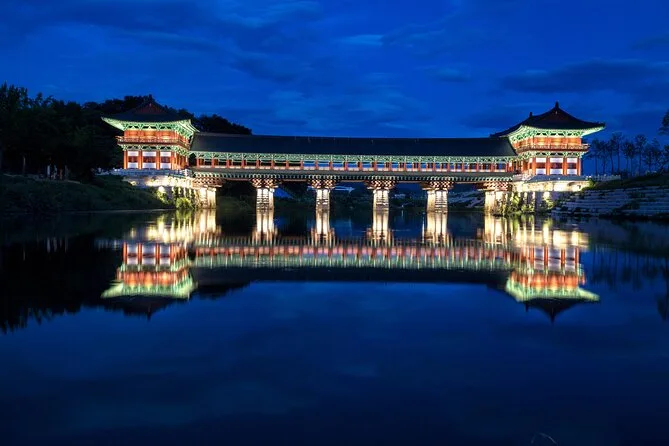
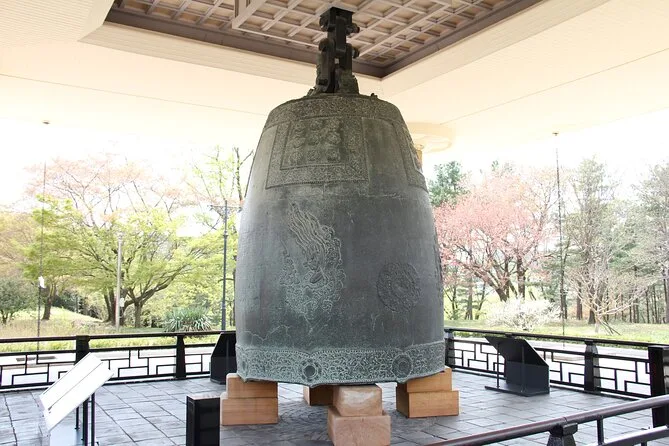
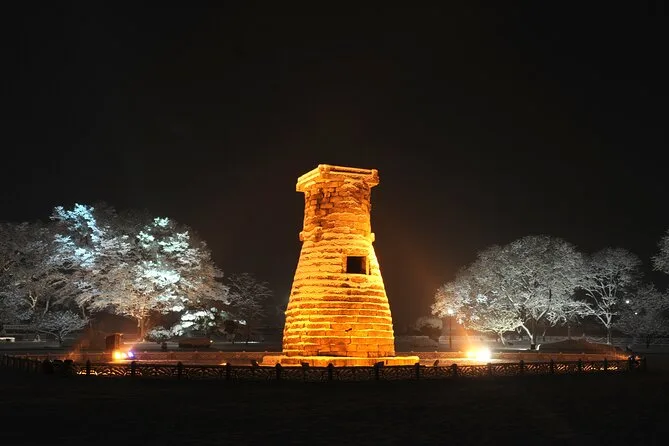
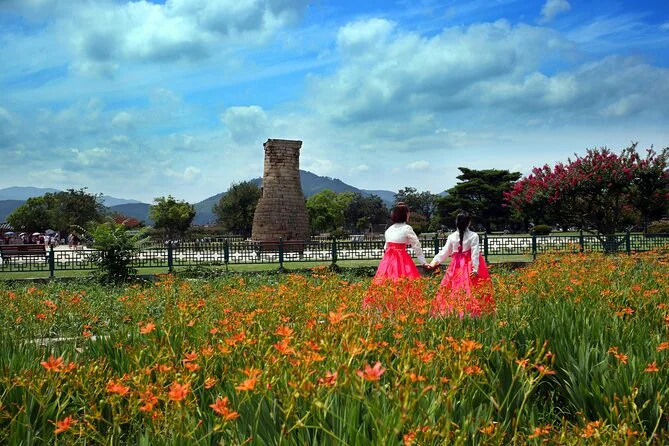
I didn’t expect to enjoy the museum as much as I did—there’s this giant bell you can’t ring (I asked), and golden crowns that look too delicate to have survived all those years. Cheomseongdae Observatory was smaller than I pictured but somehow more impressive up close; Minji explained how they used it for farming decisions, which made me think of my grandma watching weather reports back home. We ended at Woljeonggyo Bridge where the wood creaked underfoot and families posed for photos against the river—there was this warm light just before sunset that made everything look softer.
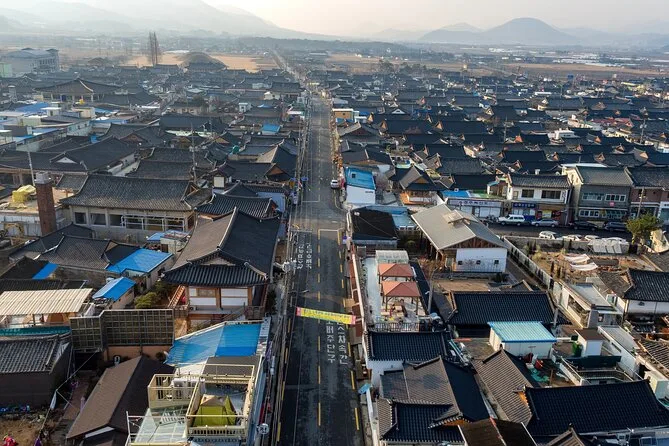
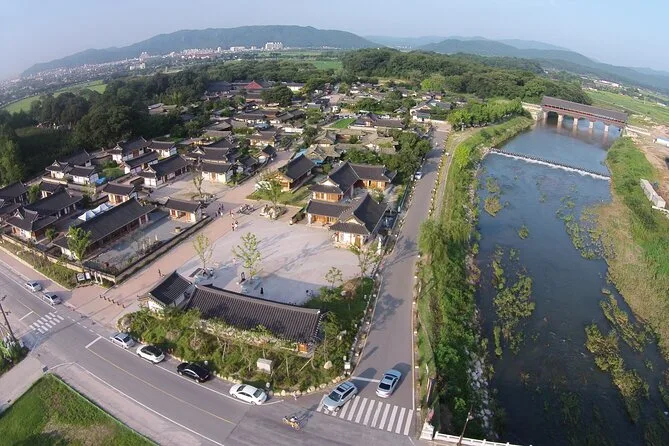
Somewhere between hanok rooftops in Gyochon Village and trying to pronounce “Bulguksa” right (Minji laughed—I definitely butchered it), I realized how much of Gyeongju is about layers: old stones under new bridges, past lives echoing through present ones. It’s not always neat or easy to describe, but I still think about that quiet moment inside Seokguram sometimes—you know?
 4h–9h
4h–9h

Step-by-step itinerary
Day 1 — Explore Gyeongju UNESCO heritage sites
- Visit Bulguksa Temple
- Tour Seokguram Grotto
- Explore Daereungwon royal tombs
- See exhibits at Gyeongju National Museum
- Pass by Cheomseongdae Observatory
- Walk through Gyochon Village
- Visit Woljeonggyo Bridge

Top questions

Is pickup available from both Busan and Gyeongju?
Yes, you can be picked up from either Busan or Gyeongju and dropped off at your preferred location.
Are meals included on this private tour?
The tour includes a good choice of meals; details can be customized based on your preferences.
Which UNESCO sites are visited during this tour?
Bulguksa Temple and Seokguram Grotto are both included as UNESCO World Heritage sites on the tour.
Is this tour wheelchair accessible?
Yes, transportation options are wheelchair accessible and specialized infant seats are available if needed.
How long does it take to get from Busan to Gyeongju?
The drive typically takes around 1 hour 15 minutes depending on traffic conditions.
What language does the guide speak?
Your licensed guide speaks fluent English or Chinese.
Can infants join this tour?
Yes, infants and small children can ride in a pram or stroller; service animals are also allowed.
What is special about Cheomseongdae Observatory?
Cheomseongdae is Asia's oldest surviving astronomical observatory built during Queen Seondeok's reign.

What’s included
Your day includes private transportation in an air-conditioned vehicle with parking fees and tolls covered, plus pickup from your hotel in Busan or Gyeongju. You’ll have a licensed English or Chinese-speaking guide throughout your customizable itinerary—and there’s always time for lunch along the way before heading back.
 Super deal
  Free booking, free cancellation.
  Don't lose your place.


 Do you need help planning your next activity?
  +507 6792-0894


