

 +507 6792-0894


Johannesburg & Soweto: History Tour with Mandela House Stop







Summary
Discover johannesburg’s layered past from constitution hill to soweto streets with local stories and museum visits
You’ll walk through Johannesburg’s living history alongside locals — from Constitution Hill’s echoing corridors to Soweto’s lively streets and Vilakazi Street where legends lived. Taste street food if you like, listen to stories you won’t find in guidebooks, and feel South Africa’s past come alive around you.

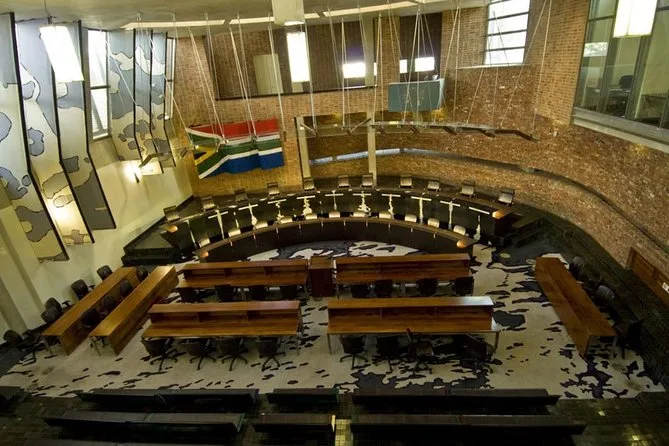
We rolled out of central Johannesburg just after breakfast, our guide Thabo already pointing out the old mine dumps that still shimmer on the horizon. I didn’t expect the city to feel so alive in the morning — street vendors setting up, taxis honking in that particular rhythm you only hear here. First stop was Constitution Hill. The air inside felt heavy, like it remembered things. Thabo told us about the old prison cells — he paused at one doorway, and I caught a faint whiff of damp stone and something metallic. It’s strange how a place can be both hopeful (now it’s the highest court) and still echo with what happened before.
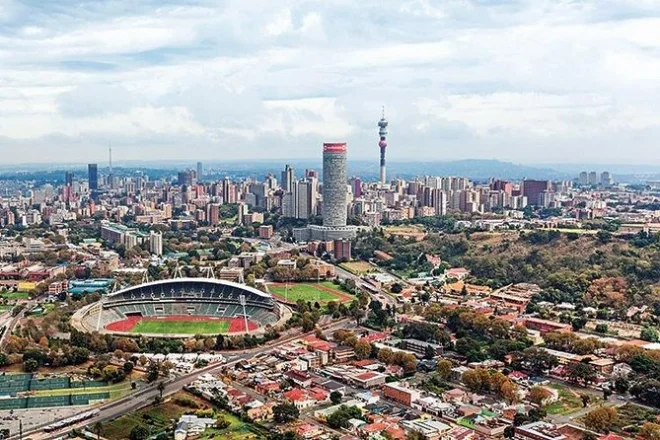
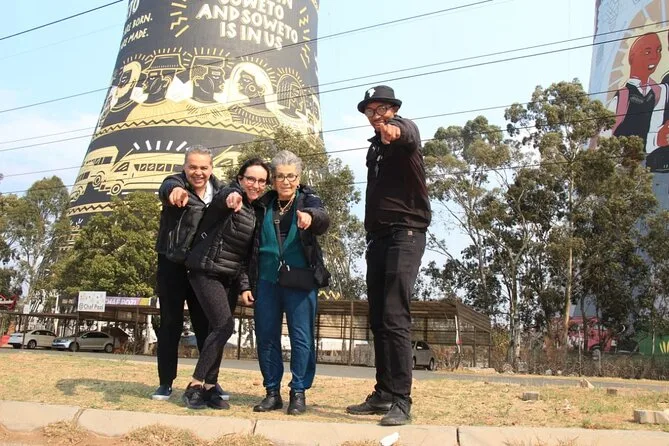
Driving through Braamfontein and Newtown, we passed murals splashed across old warehouses and kids weaving between traffic on their way to school. Thabo kept up a running commentary — sometimes serious, sometimes just laughing at his own jokes about Joburg drivers. We swung by FNB Stadium (he called it Soccer City), which looked massive even from the road. Then suddenly we were in Soweto, where everything seemed brighter somehow — laundry flapping on lines, music drifting from open windows. The Soweto Towers popped up ahead; they’re painted wild colors now but used to be part of a power station. I tried to snap a photo but missed it because I was too busy watching people wave as we drove by.
Vilakazi Street was next — honestly, I got goosebumps standing there knowing both Mandela and Desmond Tutu lived on this block. We stopped outside Mandela House; you can go in if you want (it’s extra), but even just hearing Thabo talk about Mandela’s life right there felt different than reading it in any book. Lunch wasn’t included but we grabbed vetkoek from a street vendor anyway — hot doughy bread with spicy mince inside — and ate leaning against a fence while schoolkids giggled nearby.
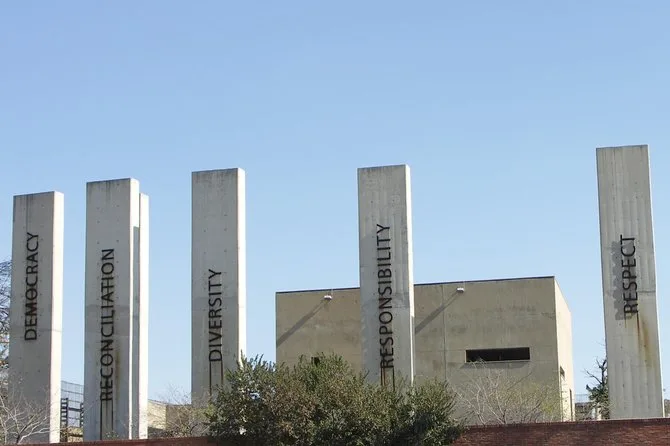
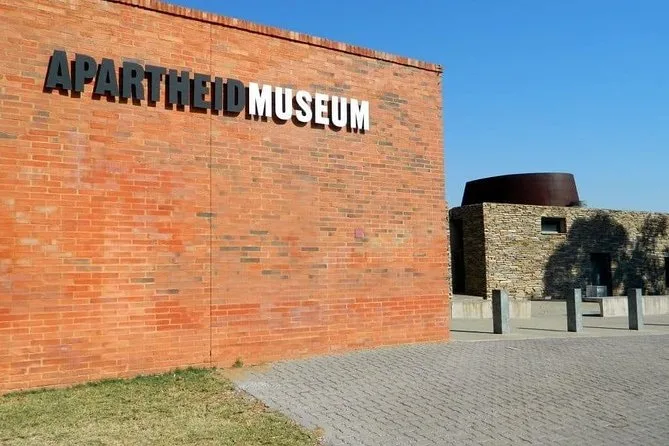
The Hector Pieterson Memorial hit me harder than I expected. There’s this photo everyone knows from 1976, but seeing where it happened made it real in a way that stuck with me all afternoon. By the time we reached the Apartheid Museum (or Hector Pieterson Museum if it’s closed), my head was full but also kind of buzzing with questions I hadn’t thought to ask before. The drive back was quiet for a while; even Thabo let us sit with our thoughts until someone finally asked about his own memories growing up here.
 7h
7h

Step-by-step itinerary
Day 1 — Explore Johannesburg and Soweto highlights
- Visit Constitution Hill prison and court
- Drive through Bramfontein and Newtown
- Drive past FNB Stadium
- Drive past Soweto Towers landmark
- Stop at Vilakazi Street and view Mandela House
- Visit Hector Pieterson Memorial
- Visit Apartheid Museum (Thu-Sun only)

Top questions

How long does the Johannesburg & Soweto tour last?
The tour lasts approximately 6-7 hours.
Is entrance to Mandela House included?
No, entrance is not included but you can enter at your own cost during the stop.
What attractions are visited on this day trip?
You’ll visit Constitution Hill, drive through Newtown and Braamfontein, see FNB Stadium, pass Soweto Towers, stop at Vilakazi Street and Mandela House (outside), visit Hector Pieterson Memorial, and either Apartheid Museum or Hector Pieterson Museum depending on opening days.
Is lunch included in the tour?
No lunch is included; however, there are opportunities to buy food along the way.
Are hotel pickups provided?
The tour includes bottled water and an air-conditioned vehicle; hotel pickup is not specifically mentioned.
Is this tour suitable for families or children?
The tour is suitable for all physical fitness levels; infants and small children can ride in a pram or stroller.
What days is the Apartheid Museum open?
The Apartheid Museum is open Thursday to Sunday; closed Monday & Tuesday when Hector Pieterson Museum is visited instead.

What’s included
Your day includes bottled water throughout and travel in an air-conditioned vehicle as you explore Johannesburg and Soweto with your local guide—entry fees are not included but there’s plenty of time at each stop for photos or grabbing snacks along the way before heading back together at day’s end.
 Super deal
  Free booking, free cancellation.
  Don't lose your place.


 Do you need help planning your next activity?
  +507 6792-0894


