

 +507 6792-0894


Qatar North: Zubarah Fort, Jumail Village & Eliasson Art Tour


Summary
Old forts desert light and quiet villages in northern qatar
You’ll walk through Al Zubarah Fort’s echoing halls with a local guide, wander abandoned homes in Jumail Village where history clings to every stone, and stand beneath mirrored art installations shimmering in the Qatari desert light. It’s a day of unexpected quiet moments—and maybe a little wonder—north of Doha.

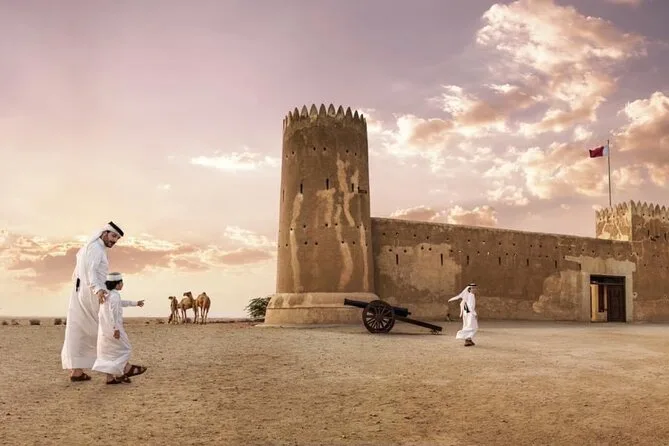
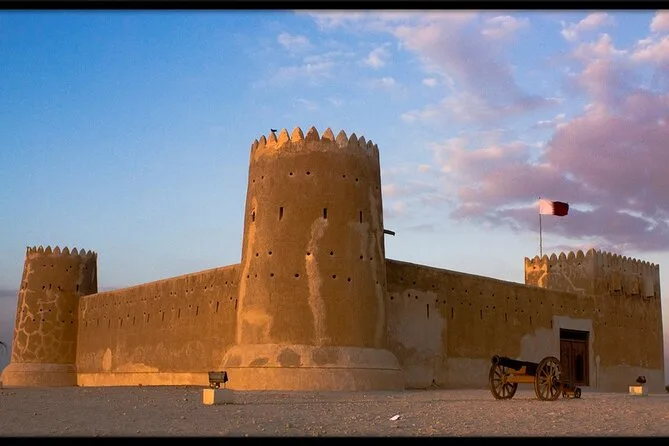
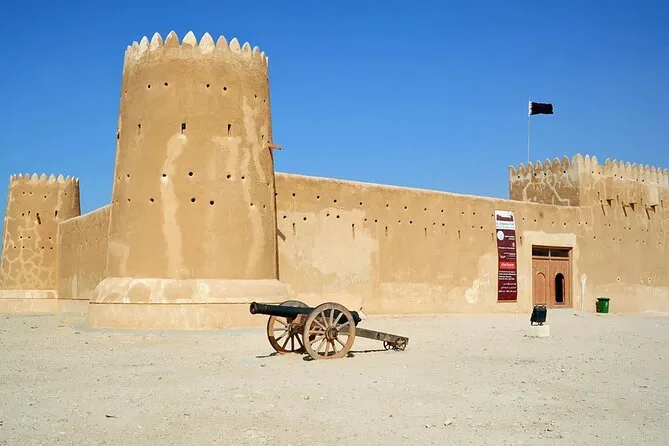
I didn’t expect the silence at Al Zubarah Fort to hit so hard. Our guide, Khalid, just stopped talking mid-sentence and let us listen — wind scraping over the old limestone walls, a faint tang of salt in the air from the sea somewhere out there. He pointed out where archaeologists still dig around the fort, brushing away sand like they’re looking for lost stories. I tried to picture this place as a busy port centuries ago but all I could hear was our footsteps crunching gravel. It felt weirdly peaceful.
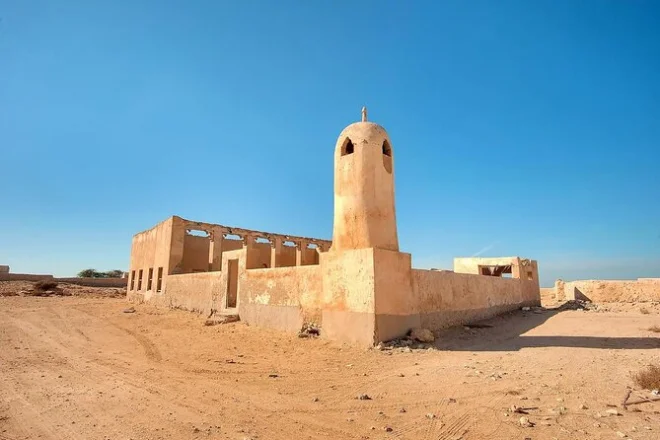
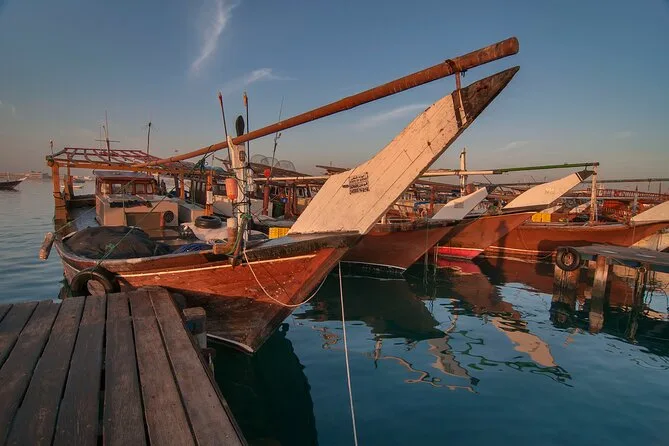
We bumped along in the van up to Jumail Village next. The houses are mostly ruins now — limestone and mud walls, doorways open to the sky. There’s something about seeing old fishing nets tangled in corners that makes you think about who lived here before everything got quiet. Khalid told us about pearling families and how people used to gather for coffee in what’s now just empty rooms. I tried saying “shukran” to an old man who waved from his porch nearby; he grinned and said something back that I definitely didn’t catch.
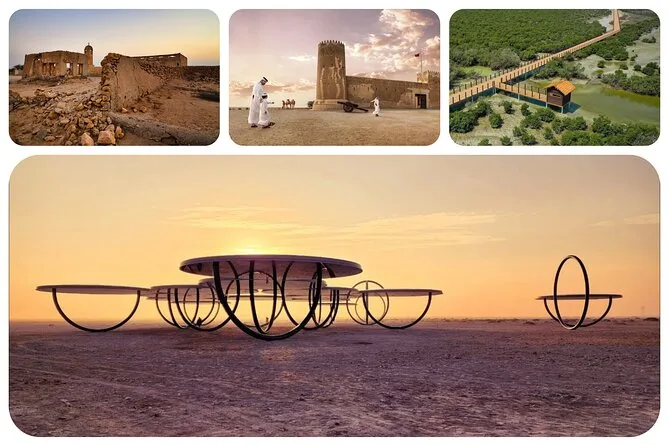
The last stop was honestly the strangest: Olafur Eliasson’s installation out in the desert north of Al Zubarah. You drive past nothing for ages, then suddenly these mirrored columns rise up out of the sand, bending sunlight all over the place. I’m not sure I totally understood it — maybe that’s the point? We stood there squinting at our reflections until someone started laughing because we looked like ghosts under that harsh sun. On clear days you can see Bahrain across the water from here, apparently, but today it was just heat haze and a few birds circling overhead. Still thinking about that feeling of being tiny in such a wide-open space.
 4h–5h
4h–5h

Step-by-step itinerary
Day 1 — Explore northern Qatar heritage sites
- Visit Al Zubarah Fort archaeological site
- Explore old pearling and fishing village
- See desert art installation north of Al Zubarah

Top questions

How far is Al Zubarah Fort from Doha?
Al Zubarah Fort is located on Qatar's northwest coast, roughly 105 km (about 1 hour 15 minutes) by car from Doha.
Is this tour suitable for families with children?
Yes, infants and small children can join; prams or strollers are welcome and infant seats are available.
What is included in this northern Qatar day trip?
The tour includes bottled water, coffee or tea, air-conditioned vehicle transport, and guidance throughout.
Can you see Bahrain from Al Shamal?
On clear days it is possible to see Bahrain across the water from Al Shamal during this tour.
Is Al Zubarah Fort accessible for wheelchairs?
The tour is wheelchair accessible according to provided information.
Who leads the archaeological work at Al Zubarah?
An international team led by Qatar Museums Authority conducts ongoing excavations at Al Zubarah.
What kind of art is at Olafur Eliasson's installation?
The installation features mirrored columns placed in the desert landscape north of Al Zubarah Fort.

What’s included
Your day includes pickup by air-conditioned vehicle from Doha or nearby areas, plenty of bottled water (needed out here), coffee or tea breaks along the way, plus time with a local guide who’ll share stories at each stop before bringing you back again—no need to worry about logistics or entry fees anywhere on this route.
 Super deal
  Free booking, free cancellation.
  Don't lose your place.


 Do you need help planning your next activity?
  +507 6792-0894


