

 +507 6792-0894


Lisbon to Fátima, Nazaré & Óbidos Day Trip with Ginja Tasting



Summary
From Lisbon: Fátima’s Sanctuary, Nazaré cliffs and medieval Óbidos on a small group day trip
You’ll travel from Lisbon through Fátima’s solemn sanctuary and Batalha’s stony grandeur before tasting fresh seafood in Nazaré and sipping Ginja in medieval Óbidos. Expect laughter with your guide, ocean winds on your face, and moments that linger long after you’re home.

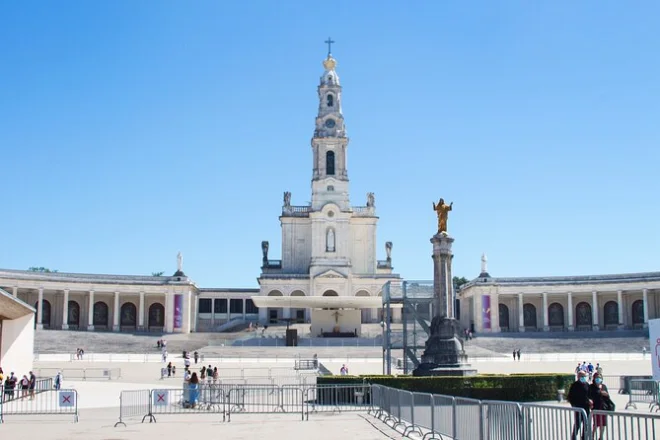
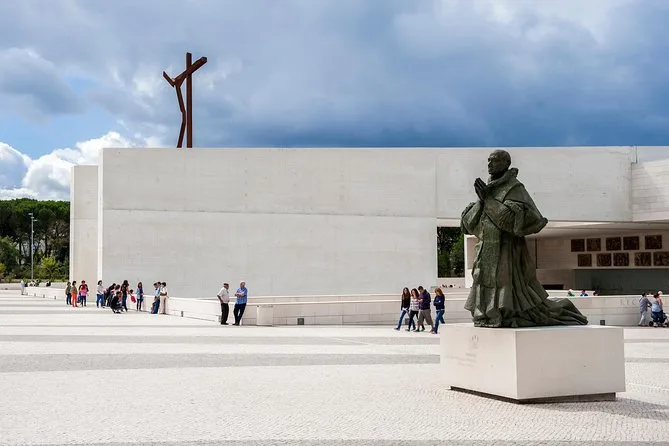
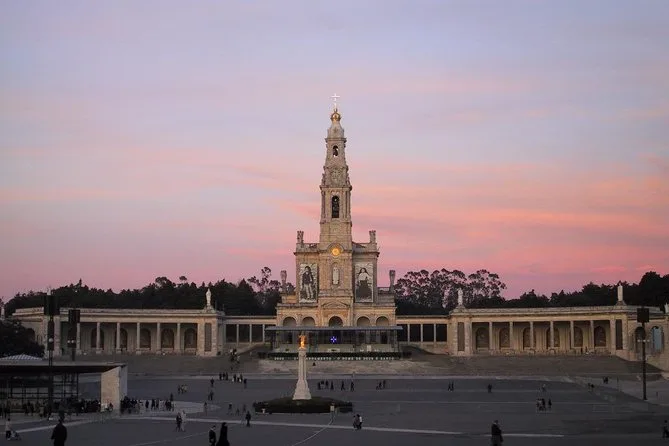
Our morning didn’t start like I pictured — I’d forgotten my sunglasses, so the sunlight over Lisbon hit me right between the eyes as we squeezed into the minivan. Our guide, Ana, noticed and handed me her spare pair with a wink (“Portuguese mothers always come prepared,” she said). That tiny gesture set the tone for the whole day. The drive out of Lisbon was quiet at first; someone’s phone played fado softly until we reached Fátima. I’m not religious but there was something about watching people move slowly across the Sanctuary square, some on their knees, that made me go silent for a bit. The air smelled faintly of melted wax from all those candles burning near the chapel. I didn’t expect to feel anything — but you know how places sometimes surprise you?
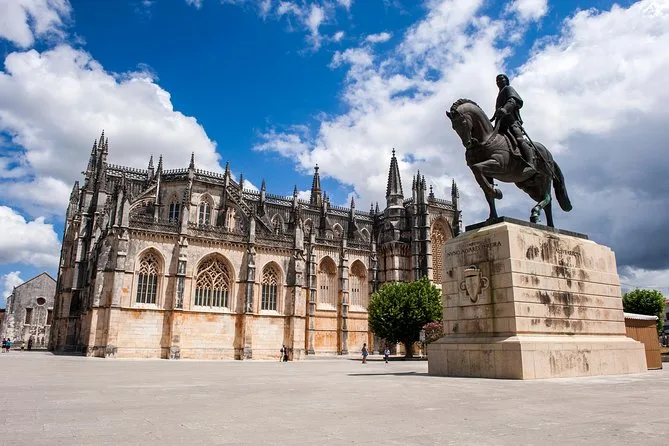
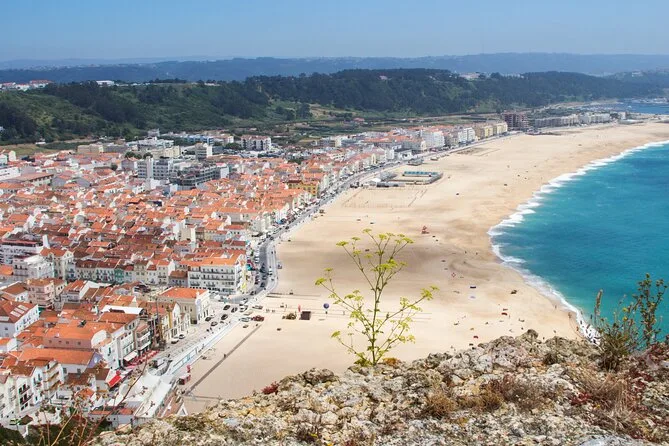
Batalha Monastery looked almost unreal against the sky — all sharp lines and pale stone that felt cool when I touched it. Ana told us about King João I being buried there with his English queen (Philippa? My memory’s already fuzzy), and how Prince Henry the Navigator was their son. We only saw the main church area since time was tight — apparently you need an extra ticket for the cloisters — but even just standing inside, hearing our footsteps echo off centuries-old tiles… it gave me goosebumps. Then Nazaré: bright fishing boats bobbing below chalky cliffs, old women in seven skirts selling dried fish by the road. Lunch was up to us; I ended up sharing grilled sardines with two Canadians from our group who’d never tried them before (they were braver than me with the bones).
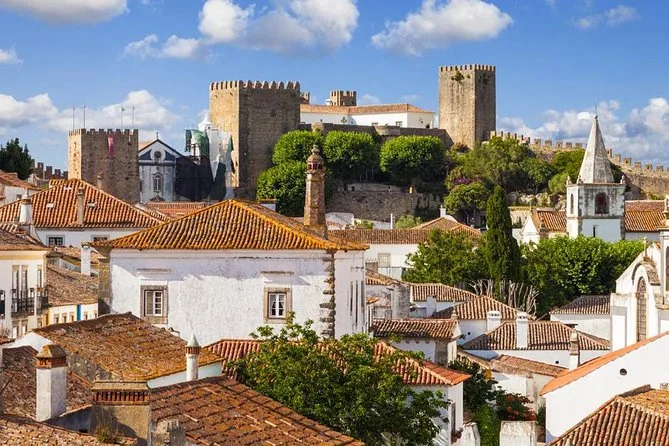
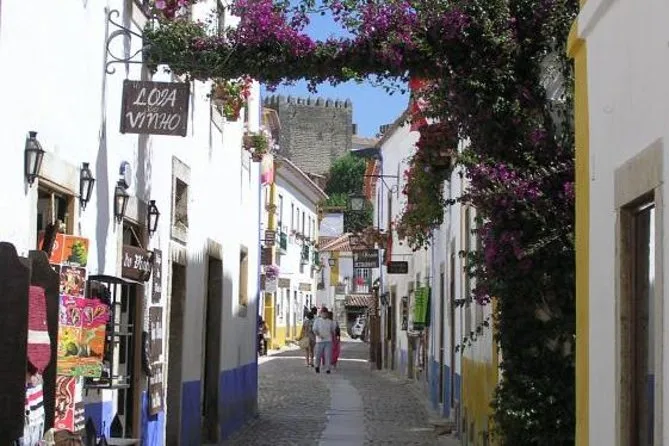
The ocean wind at Nazaré’s lookout nearly took my hat off — honestly, it’s louder than you think up there. We watched a couple surfers try their luck on waves that looked way too big for comfort (Ana said winter is when they get “monsters”). After that came Óbidos, which felt like stepping into a painting: whitewashed houses tangled in bougainvillea, narrow cobbles underfoot. We followed Ana to a tiny shop for Ginja liqueur served in little chocolate cups — sweet and sharp at once. Li laughed when I tried to say “obrigado” properly; probably butchered it.
I still think about wandering those crooked streets in Óbidos as dusk started to fall — just enough time to poke into a ceramic shop and watch an old man painting tiles by hand. The ride back was quiet except for someone snoring gently behind me. Portugal has this way of getting under your skin without trying too hard.
 9h
9h

Step-by-step itinerary
Day 1 — Visit Fátima, Batalha, Nazaré and Óbidos
- Travel from Lisbon to Fátima
- Visit Sanctuary of Fatima
- Visit Batalha Monastery main church
- Stop at Nazaré old town
- Lunch break in Nazaré
- Visit Nazaré cliffs viewpoint
- Explore medieval village of Óbidos
- Sample Ginja liqueur in Óbidos
- Free time in Óbidos village
- Return to Lisbon

Top questions

How long is the day trip from Lisbon to Fátima, Nazaré & Óbidos?
The tour lasts one full day with multiple stops including Fátima, Batalha Monastery, Nazaré, and Óbidos before returning to Lisbon.
Is lunch included on this day trip?
No, lunch is not included; you’ll have free time in Nazaré to choose your own restaurant or café.
Do we visit all areas of Batalha Monastery?
You visit only the main church area; access to other parts like cloisters requires an extra ticket purchased onsite.
Is hotel pickup provided?
The tour includes transport by air-conditioned minivan but does not specify hotel pickup; check booking details for meeting point info.
Is this tour suitable for children?
Yes, child seats are available if requested at booking; strollers and large luggage cannot be accommodated in vehicles.
What is included in this small-group tour?
A local guide, transport by minivan, and Ginja liqueur tasting are included.
How many people are in each group?
The tour operates as a small group; rarely during peak times it may use a 24-seat minibus if needed.

What’s included
Your day includes transport by air-conditioned minivan throughout Fátima, Batalha Monastery (main church area), Nazaré and Óbidos; guidance from a local expert who shares stories along the way; plus a tasting of traditional Ginja liqueur served in Óbidos before heading back toward Lisbon together.
 Super deal
  Free booking, free cancellation.
  Don't lose your place.


 Do you need help planning your next activity?
  +507 6792-0894


