


Lisbon: Slave Trade Walking Tour & African History Stories



Summary
Lisbon’s layered history, slave trade truths & city echoes
You’ll walk through Lisbon’s oldest neighborhoods with a local guide who doesn’t shy away from hard truths — from Alfama’s winding alleys to Commerce Square’s wide expanse and the quiet weight of Largo do Carmo. Expect honest stories about the Atlantic Slave Trade, Portugal’s colonial past, and moments that linger long after you’ve left.

I didn’t expect to start our morning in Lisbon thinking about silence — but that’s what hit me first at Largo do Carmo. The square was almost empty except for our small group and our guide, Joana, who had this gentle way of pausing before she spoke. She pointed out the stone walls still marked from the 1974 coup. I caught a whiff of roasted chestnuts from a nearby vendor mixing with the damp smell of old stone. It felt strange to stand where revolutions happened and realize how much isn’t written on plaques.
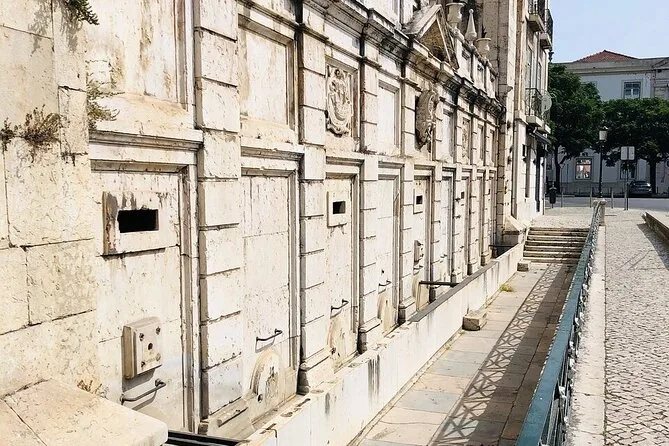
We wandered down towards Alfama, squeezing through alleys that felt older than memory. Joana told us about the Atlantic Slave Trade and Portugal’s role — not just facts, but stories about people who lived and died here. At one corner, she stopped by a site where a monument to victims will stand someday (it’s just a patch of pavement now). She asked us to imagine what it would mean for Lisbon to finally have that memorial. I tried to picture it but honestly, it was hard — maybe because so much of this history is invisible here. A woman selling oranges watched us curiously; I wondered if she’d heard these stories before.
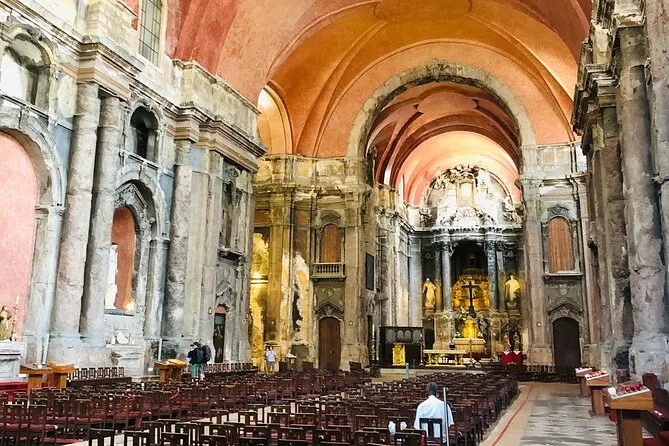
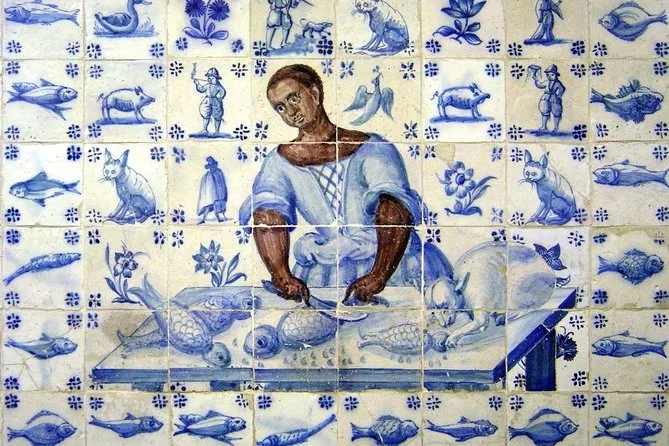
Commerce Square looked different after hearing about its past as the commercial heart of Lisbon — not just ships and spices but enslaved people too. Joana didn’t sugarcoat anything; she talked about daily life for captives in the city and how they shaped Lisbon’s culture in ways we don’t always see. There was a moment when someone in our group asked about religion and slavery, and Joana explained how churches played their part — her voice got quiet then. I still think about that pause.
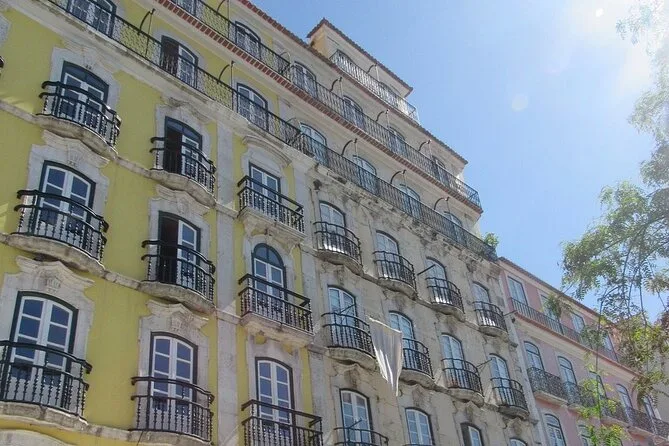
The tour ended back near Largo do Carmo with talk of Portugal’s colonial collapse in the 1970s. The sun came out suddenly, lighting up the tiled facades like nothing heavy had ever happened here — but you could feel it anyway, under your feet or maybe just in your chest. I left feeling unsettled but grateful for those three hours; it wasn’t easy history, but it felt honest.
 3h
3h

Step-by-step itinerary
Day 1 — Historical walking tour of Lisbon's slave trade
- Meet guide and introduction
- Visit Alfama neighborhood and learn slavery history
- See future slave trade victims monument site
- Explore Commerce Square and colonial trade
- Learn about enslaved captives' daily lives
- Discover enslaved captives' religious interactions
- Visit Largo do Carmo and learn about 1970s colonial empire fall

Top questions

How long is the Lisbon slave trade walking tour?
The tour lasts approximately 3 hours.
Does this tour include Alfama and Commerce Square?
Yes, both Alfama and Commerce Square are included in the itinerary.
Is there hotel pickup for this historical walking tour?
No hotel pickup is included; you meet your guide at the designated starting point.
Is this tour suitable for travelers with limited mobility?
No, it’s not recommended for travelers with walking difficulties or poor cardiovascular health.
Are infants or children allowed on this tour?
Infants and small children can join if they are in a pram or stroller.
Will we visit any monuments related to slavery?
You’ll visit the future site of a monument to victims of the Slave Trade; currently there is no monument yet.
Who leads this Lisbon historical walking tour?
A professional local guide leads each small group tour.
Does this day trip cover contemporary Portuguese history?
Yes, it also addresses recent events like the fall of Portugal's colonial empire in the mid-1970s.

What’s included
Your experience includes guidance from a professional local guide throughout Lisbon’s historic center, all relevant local taxes covered, plus time at key sites like Alfama, Commerce Square, and Largo do Carmo before returning on your own schedule at tour's end.
 Super deal
  Free booking, free cancellation.
  Don't lose your place.


 Do you need help planning your next activity?


