

 +507 6792-0894


Krakow to Auschwitz: Guided Tour with Transfer & Entry



Summary
Krakow day trip to Auschwitz Birkenau with local guide and transfer
You’ll travel from Krakow with hotel pickup or meeting point arranged, then join a licensed local guide for an honest walk through both Auschwitz and Birkenau camps. Expect quiet moments at memorials, real stories from your guide, and time for reflection before returning to Krakow — it’s not easy but it’s important.

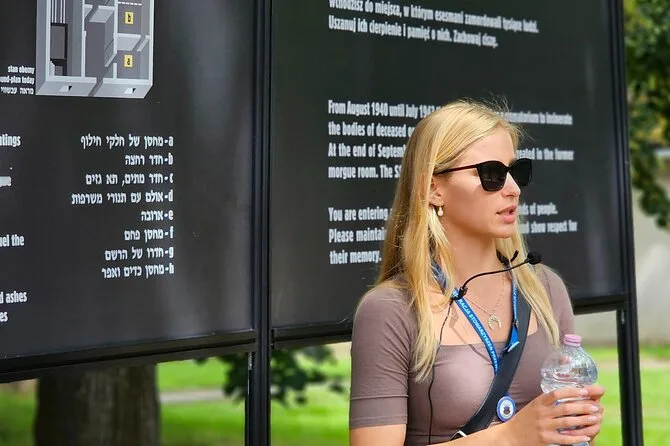
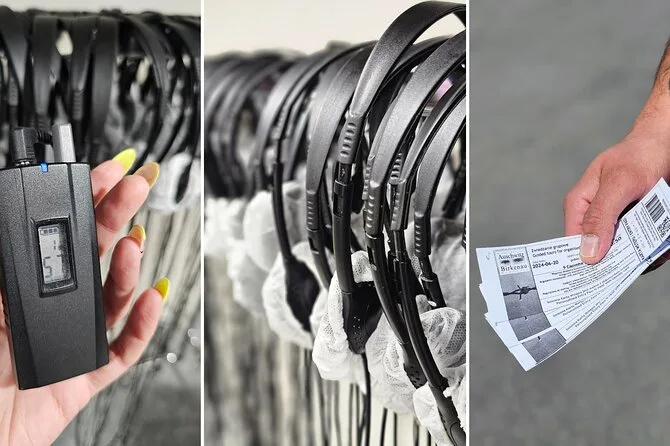
“You don’t have to say much here,” our guide Marek said quietly as we stepped off the minibus in Oswiecim. He had that kind of voice you lean in for — soft but certain. The ride from Krakow was about an hour or so, mostly quiet after the first few minutes. I remember watching the fields blur past and thinking how ordinary everything looked, which somehow made what we were about to see even heavier. When we arrived, Marek handed us our headsets and pointed out where we could grab a quick coffee before starting — he joked that Polish coffee is “strong enough for this place.” I took mine black, nerves jangling a bit.
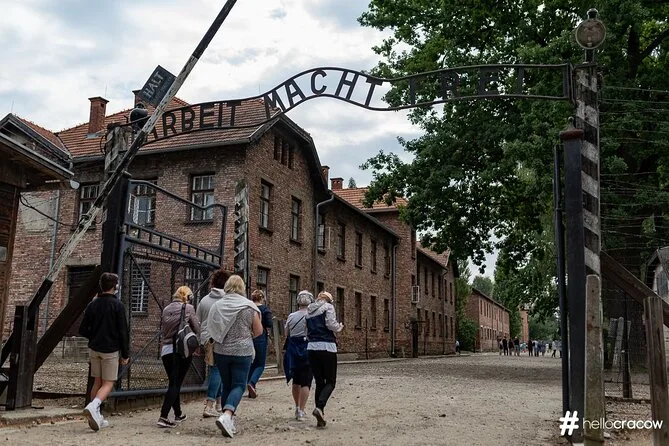
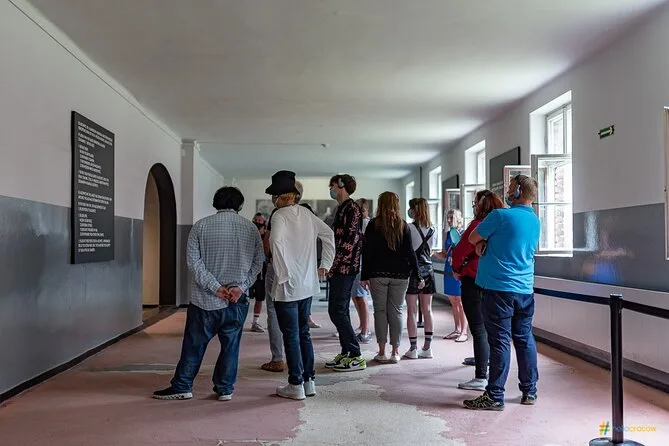
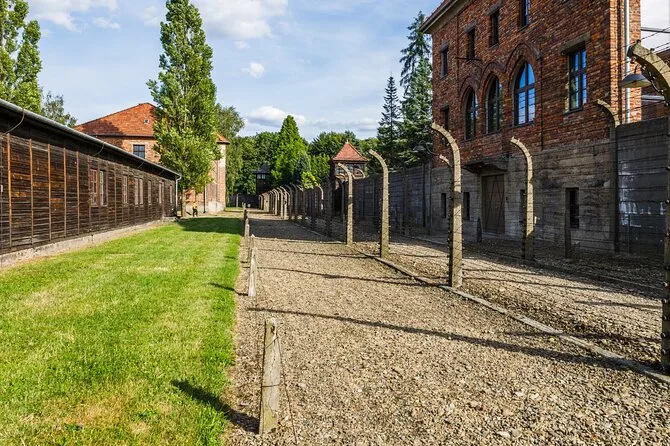
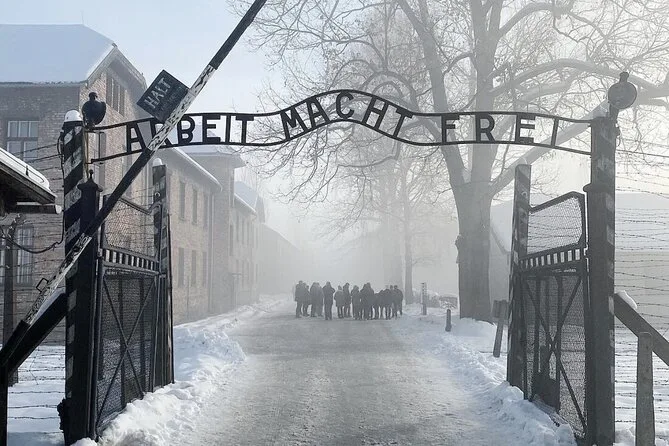
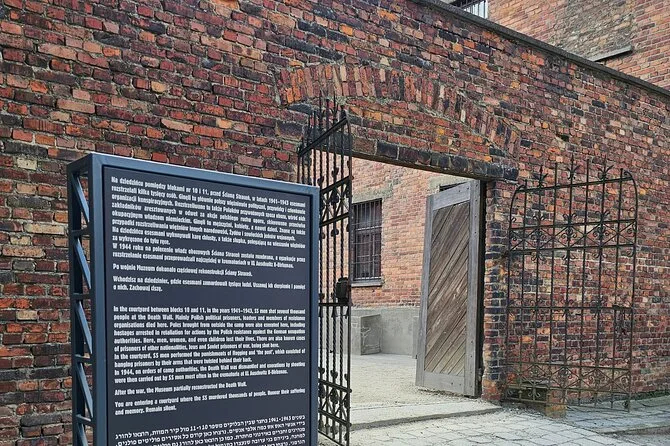
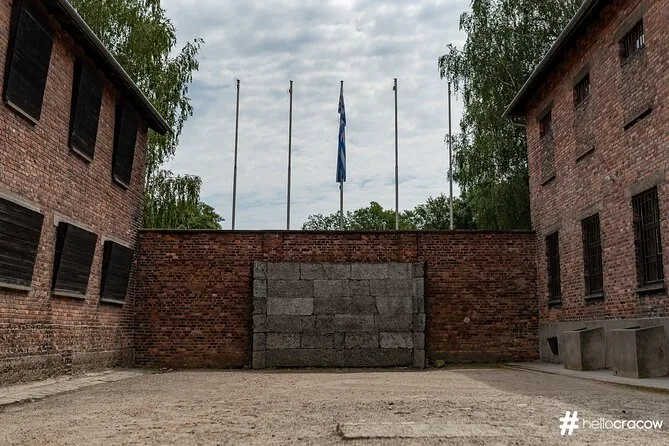
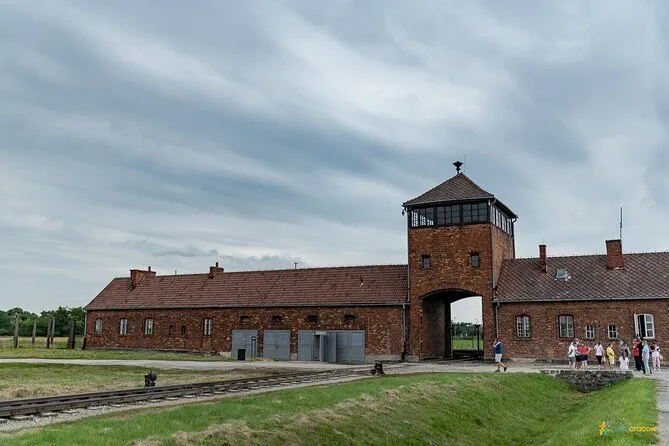
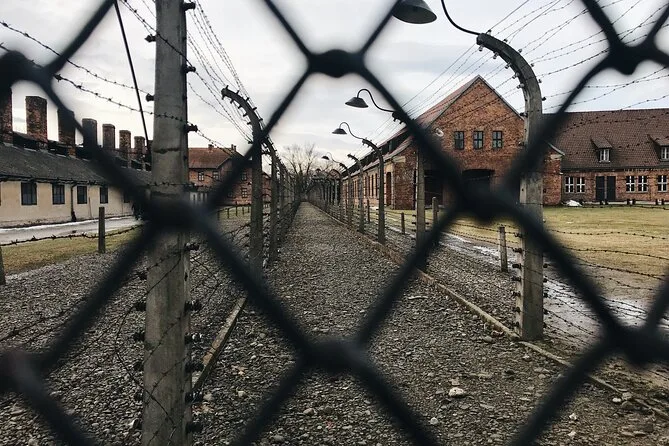
Walking under the “Arbeit Macht Frei” sign at Auschwitz I felt strange — like my body knew more than my mind could process. The gravel crunched under our shoes, and there was this faint smell of old brick and grass in the air. Marek didn’t rush us; he paused at the Death Wall and let silence do most of the talking. At one point, he told us about a local woman who still brings flowers here every week. It’s those small details that stick with me more than any textbook ever did. The group was maybe twenty people, everyone sort of keeping their own space out of respect.
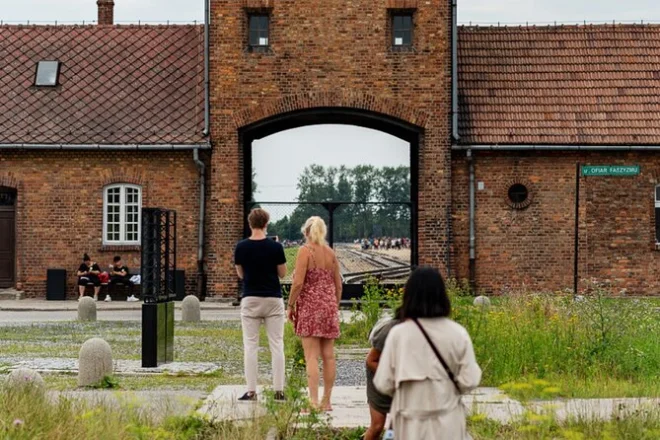
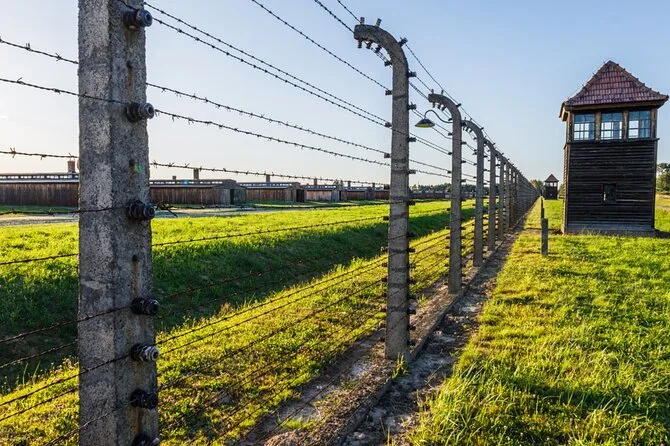
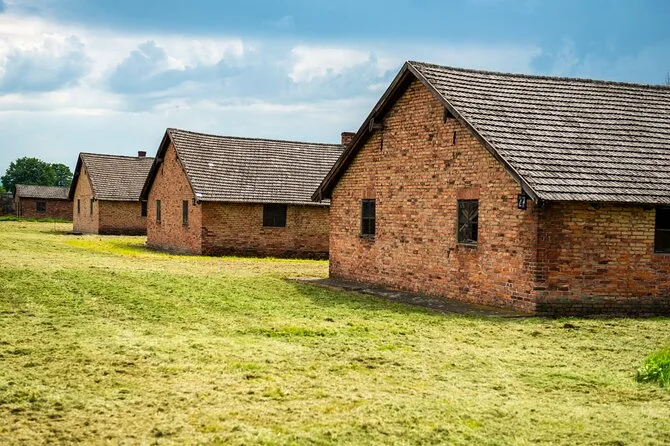
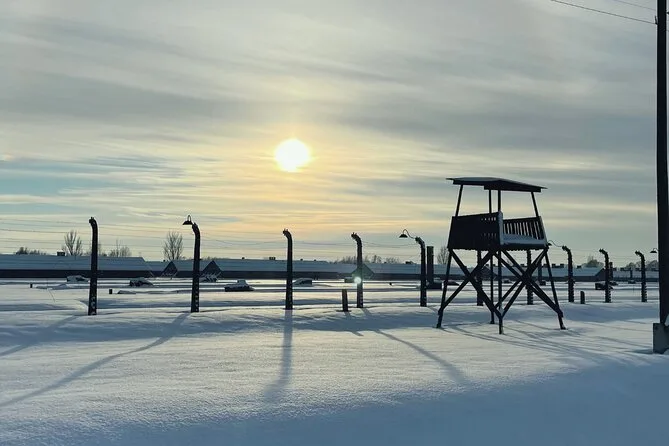
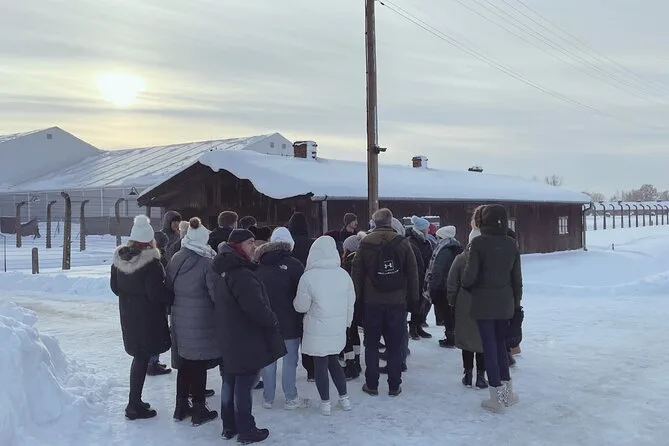
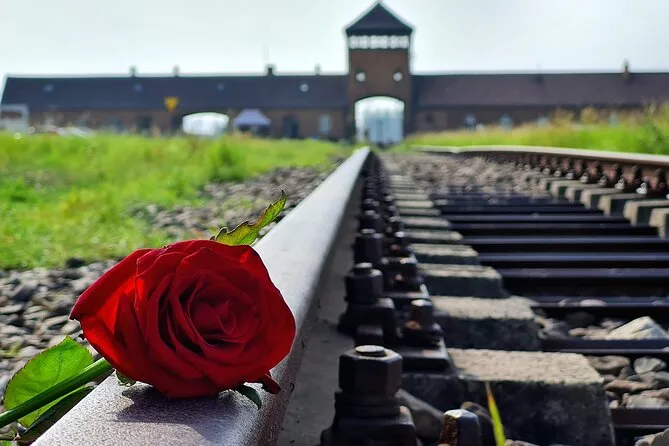
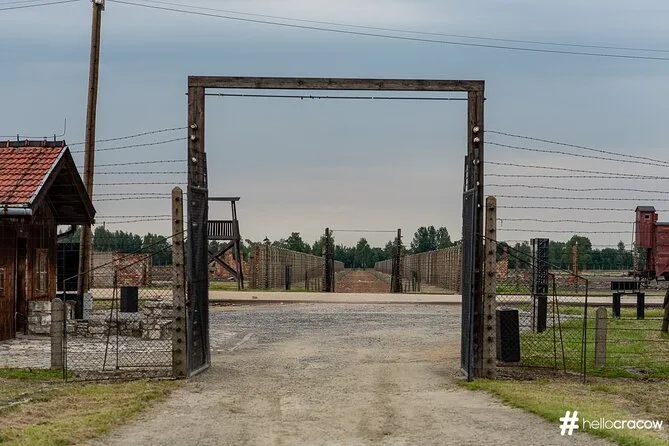
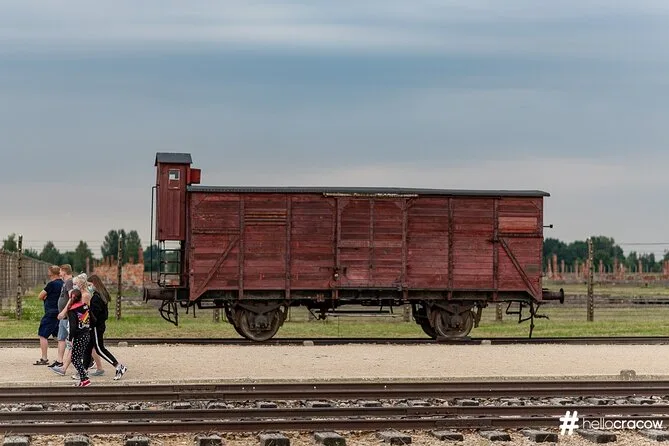
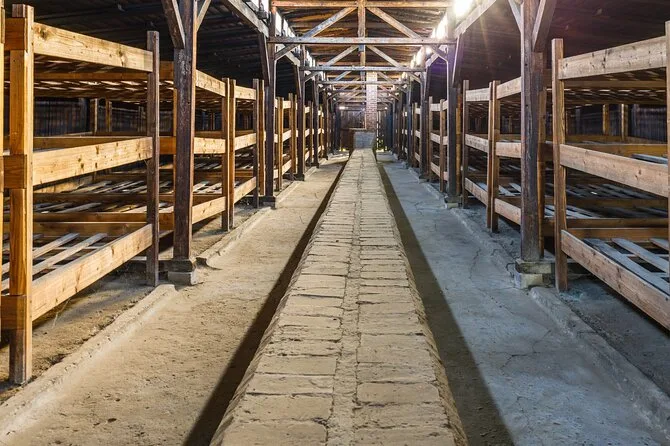
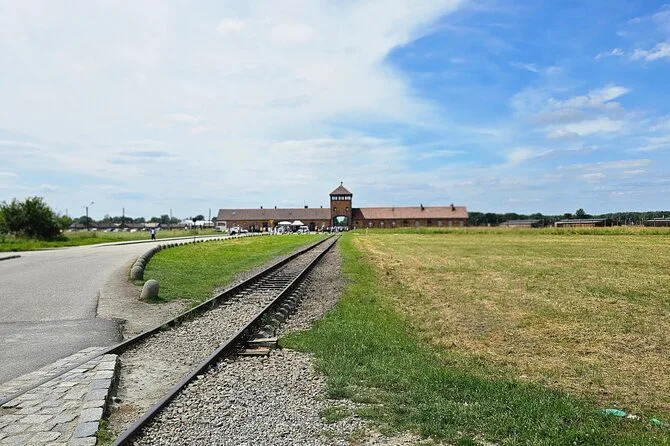
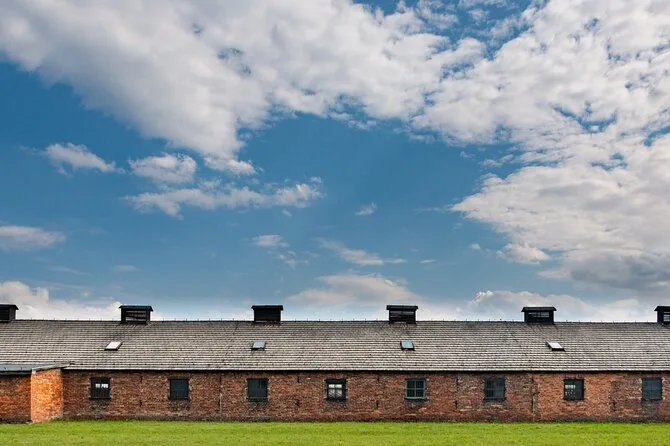
After a short break (I just needed air), we drove the few minutes to Birkenau. It’s so much bigger than I’d pictured — endless rows of barracks, barbed wire catching bits of sunlight. Marek explained how trains would arrive right where we stood; I caught myself staring at the tracks longer than I meant to. Someone asked about Josef Mengele and Marek answered gently but honestly — no drama, just facts. There was this moment when a breeze came through and all you could hear was birds somewhere far off; it felt wrong and right at the same time.
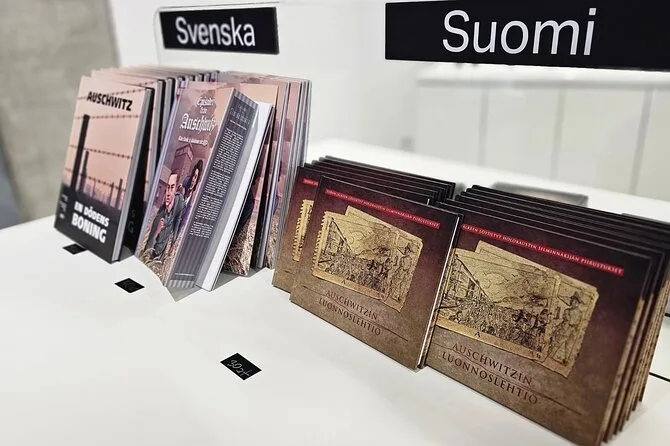
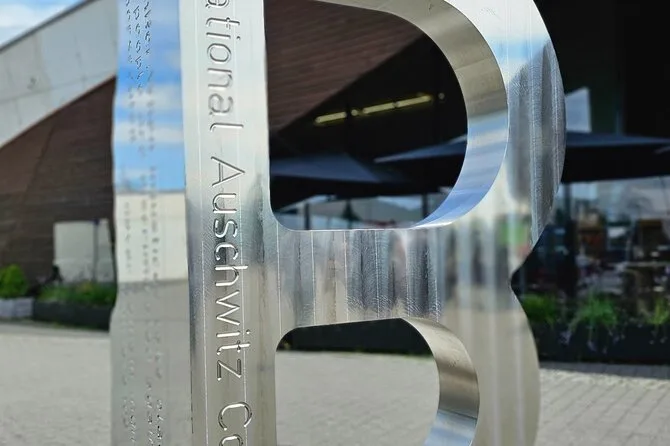
I didn’t expect how much I’d want to linger afterward — not talking, just sitting near the exit bookstore while people drifted around quietly. On the drive back to Krakow, nobody really spoke until we hit city traffic again. Even now, days later, I keep thinking about that patch of wildflowers by the fence at Birkenau. You notice odd things when you’re trying to make sense of something so big.
 7h
7h

Step-by-step itinerary
Day 1 — Visit Auschwitz-Birkenau from Krakow
- Travel from Krakow to Oswiecim
- Short break and introduction to guide
- Tour Auschwitz I camp with guide
- Short break after Auschwitz I
- Visit Birkenau camp with guide
- Rest and browse bookstore or store
- Return to Krakow

Top questions

How long is the day trip from Krakow to Auschwitz?
The total tour lasts around 7 hours including transfers between Krakow and Auschwitz-Birkenau (about 1 hour 15 minutes each way) plus guided visits at both camps.
Is hotel pickup included in the Auschwitz tour?
Hotel pickup is available if you book the limited 15-person option; otherwise you’ll meet at a designated point in Krakow.
What do you see on an Auschwitz Birkenau guided tour?
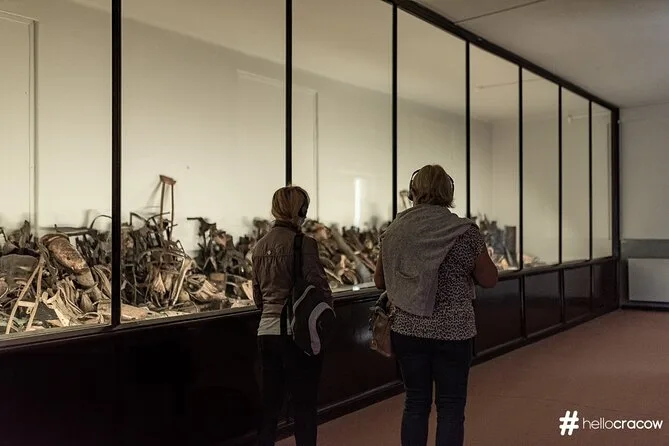
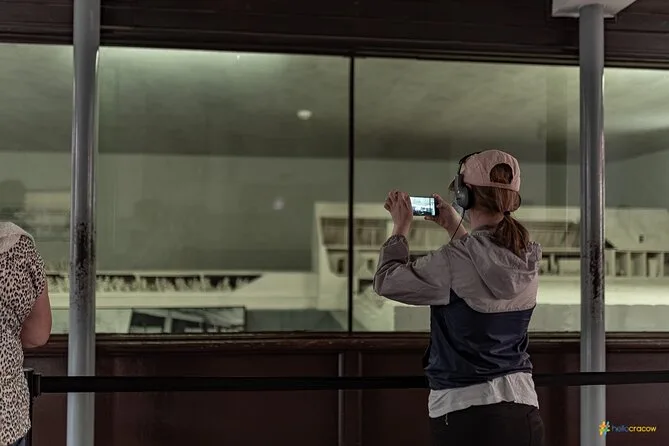
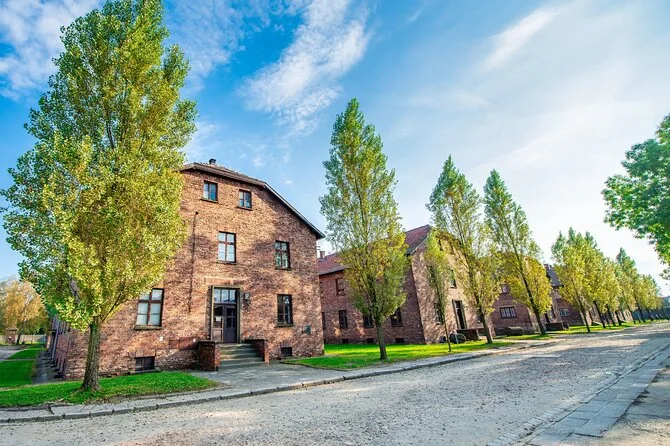
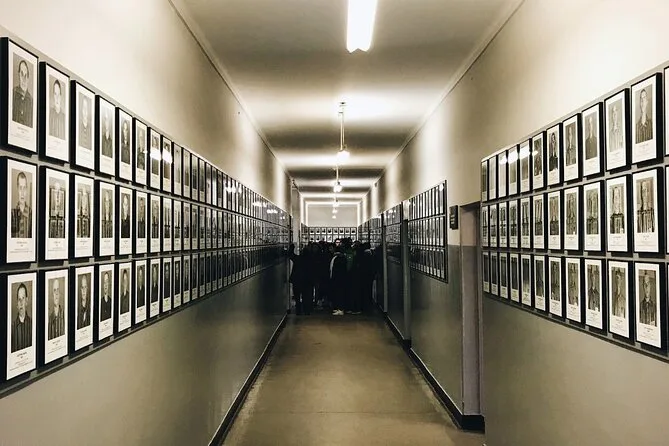
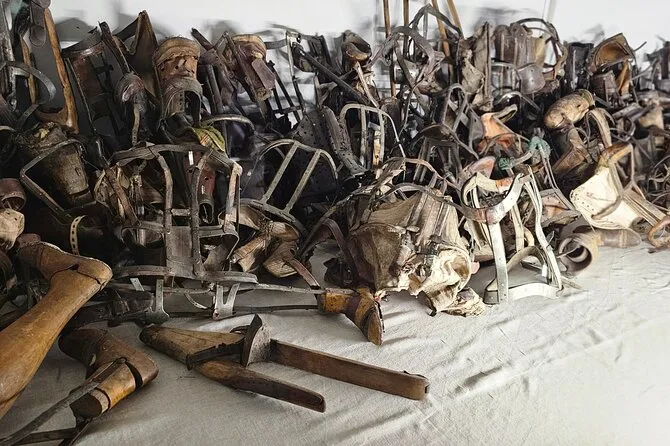
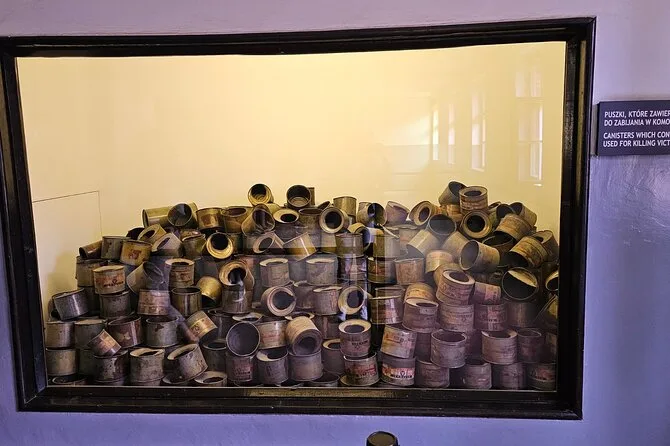
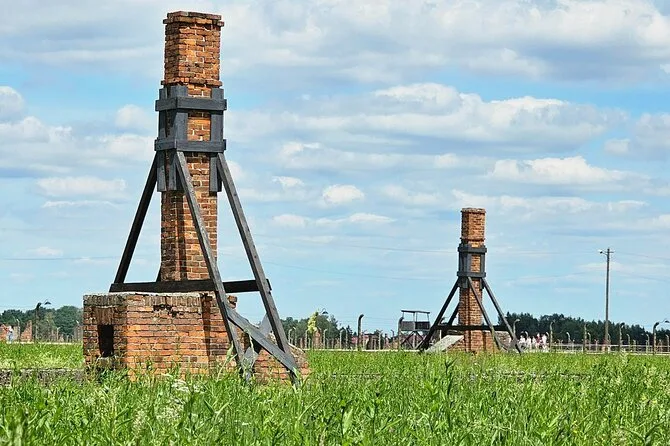
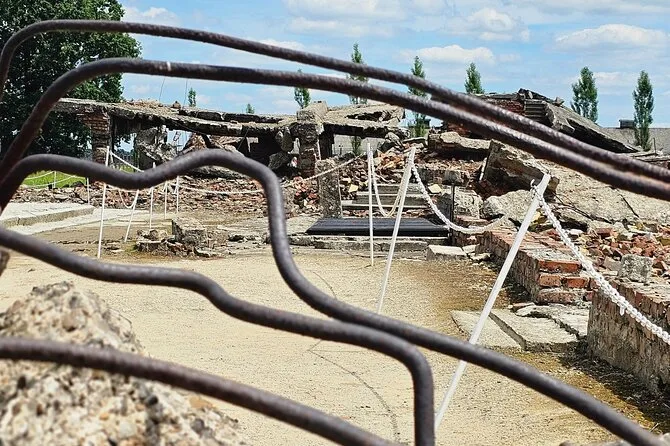
You visit both Auschwitz I and Birkenau (Auschwitz II), including original barracks, memorials like the Death Wall, gas chambers (where permitted), railway ramp, and preserved ruins.
Are entry tickets included in this tour?
Yes, entry fees for both Auschwitz I & II are included in your booking along with headsets for clear audio during guiding.
Is lunch provided during the tour?
No lunch is included; there isn’t time for a full meal between visits so bring snacks as food facilities aren’t available on-site.
Can children join this tour?
The site is recommended for ages 13+ due to sensitive content; children must be accompanied by an adult and infant seats are available if needed.
How big are tour groups at Auschwitz?
The group size is up to 30 people per museum rules; smaller groups (up to 15) are possible with certain booking options.
Do you visit both camps on this day trip?
Yes, you visit both Auschwitz I and Birkenau (Auschwitz II) with your licensed guide leading throughout.

What’s included
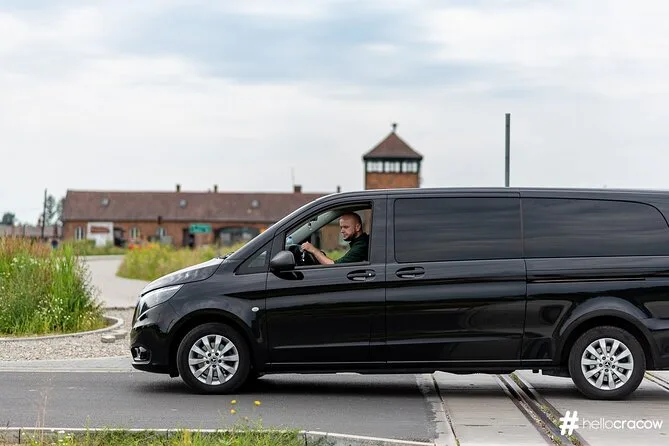
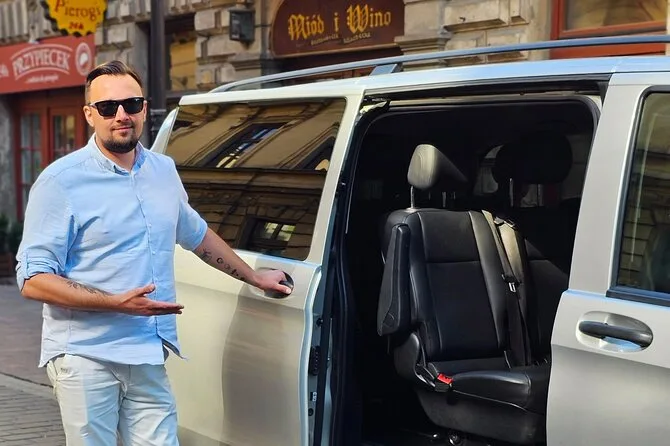
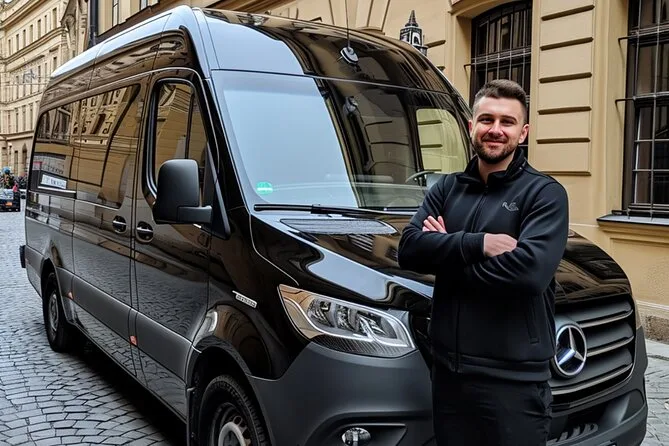
Your day includes round-trip transportation from Krakow by air-conditioned vehicle (either van or mini-bus), entry fees for both Auschwitz I & Birkenau camps, professional assistance if anything comes up during your visit, use of headsets so you can hear your licensed local guide clearly even outside or in larger groups, plus hotel pickup if selected or easy meeting point arrangements before heading out together.
 Super deal
  Free booking, free cancellation.
  Don't lose your place.


 Do you need help planning your next activity?
  +507 6792-0894


