
Salkantay Trek Machu Picchu: Glamping, Coffee Tour & Local Food
 Super deal


Summary
Salkantay trail mornings glacial lakes coffee farms and machu picchu light
You’ll wake before dawn in mountain cabins with coca tea in hand, trek past glacial lakes on the Salkantay Trail, share meals of fresh Peruvian food with new friends, learn coffee secrets from local farmers near Lucmabamba, and finally walk through Machu Picchu as sunlight breaks over ancient stone walls.
 5d
5d

Step-by-step itinerary
Day 1 — Cusco to Humantay Lake Trek
- Hotel pickup in Cusco at 4:00 AM
- Breakfast in Mollepata (not included)
- Meet horsemen and pack horses in Challacancha
- Hike to Soraypampa through Andean scenery
- Visit Humantay Lake and take photos
- Lunch at camp with authentic Peruvian food
- Relax and acclimatize in afternoon
- Dinner and overnight in mountain cabins
Day 2 — Salkantay Pass and Collpapampa
- Breakfast surrounded by Andes
- Hike to Salkantay Pass (4,630 m)
- Rest and take photos at pass
- Descend through cloud forest
- Lunch during hike
- Arrive and relax in Collpapampa cabins
- Dinner in peaceful surroundings
Day 3 — Cloud Forest and Coffee Tour
- Breakfast in Collpapampa
- Descend through cloud forest and waterfalls
- Arrive in Lucmabamba
- Enjoy coffee tour and learn process
- Lunch with authentic Peruvian food
- 4-Day Trek: Transport to Hidroelectrica (not included)
- 4-Day Trek: Walk railway to Aguas Calientes
- 5-Day Trek: Leisure afternoon or optional activities
- Overnight in cabins or hotel in Aguas Calientes
Day 4 — Machu Picchu or Llactapata Trek
- 4-Day Trek: Breakfast at hotel
- 4-Day Trek: Shuttle bus to Machu Picchu (not included)
- 4-Day Trek: Guided tour of Machu Picchu
- 4-Day Trek: Return to Cusco by car
- 5-Day Trek: Breakfast and hike Llactapata Inca Trail
- 5-Day Trek: Visit Llactapata Archaeological Site
- 5-Day Trek: Descend to Hidroelectrica for lunch
- 5-Day Trek: Walk to Aguas Calientes
- 5-Day Trek: Dinner and overnight in hotel
Day 5 — Machu Picchu Tour and Return
- Early breakfast
- Shuttle bus to Machu Picchu (not included)
- Guided tour of Machu Picchu
- Free time or optional Huayna Picchu hike
- Return by car via Hidroelectrica to Cusco
- Optional train upgrade for return journey

Top questions

How long is the Salkantay Trek to Machu Picchu?
The trek covers about 75 km over 4 or 5 days from Cusco to Machu Picchu.
Is hotel pickup included for the Salkantay Trek?
Yes, pickup from hotels in Cusco historic center is included at around 4:00 AM on day one.
Are meals included during the trek?
Yes, all main meals are freshly prepared by a chef along the route and include authentic Peruvian dishes.
Do you visit a coffee farm on this trek?
Yes, there is a hands-on coffee experience in Lucmabamba where you can roast and taste organic Peruvian coffee.
What kind of accommodation is provided?
You stay in rustic mountain cabins (glamping sky huts) along most of the route and a hotel in Aguas Calientes before visiting Machu Picchu.
Is there luggage support during the hike?
Horses carry up to 6 kg of your personal belongings between campsites; you only need a daypack while hiking.
Can vegetarians or vegans join this trek?
Vegetarian and vegan meal options are available at no extra cost if requested in advance.
How do you return from Machu Picchu to Cusco?
You can return by car (included) or upgrade to train for a faster journey through Sacred Valley (extra cost).

What’s included
Your trip includes hotel pickup from Cusco’s historic center, all main meals freshly cooked by a professional chef (with vegetarian/vegan options), three nights in comfortable mountain cabins plus one night in an Aguas Calientes hotel, daily snacks and afternoon tea breaks with popcorn or cookies, luggage support by horses for up to 6 kg per person, English/Spanish-speaking guides throughout the Salkantay Trail and at Machu Picchu itself, hands-on coffee experience at Lucmabamba with local farmers, first-aid support along the route, free storage service for extra bags in Cusco, electricity at campsites for charging devices, boiled water for drinks at camp each day—and all transportation between key points during your trek.

Someone’s knocking at the cabin door — it’s still dark, but there’s coca tea steaming in my hands before I even sit up. The air at Soraypampa is sharp, kind of sweet with grass and something cold. Our guide, Juan, grins like he’s done this a thousand times. He points out Humantay Lake shimmering blue under the clouds; I’m not sure if my legs or my eyes are more awake yet. Breakfast is simple but hot — eggs, quinoa porridge — and honestly, it tastes better here than anywhere else.
We set out for Salkantay Pass after sunrise. The climb is slow and quiet except for boots crunching on gravel and someone humming behind me (I think it was Carla from Lima). At the top — 4,630 meters — everyone stops talking for a minute. I just stare at the snow on Salkantay Mountain and try to catch my breath. It’s not just altitude; it’s like you’re standing in a place that doesn’t care about time. On the way down, the landscape turns green so fast it feels like cheating — waterfalls, orchids, coffee plants popping up beside the path.
Lunches and dinners are always some version of “authentic Peruvian food,” but what that means changes every day. One night we had lomo saltado with these tiny yellow potatoes; another time it was trout with herbs I couldn’t name (Juan tried to teach me Quechua words for them — didn’t go well). In Lucmabamba, we met Señora Rosa who showed us how she roasts coffee beans over an open fire. The smell stuck to my jacket for days. She laughed when I tried to grind beans by hand — apparently I’m hopeless at it.
The last morning is all nerves and excitement because Machu Picchu is finally close enough to feel real. Aguas Calientes wakes up early too; vendors setting up fruit stalls, steam rising off the river. The guided tour through Machu Picchu itself is quieter than I expected — maybe everyone’s just tired or maybe there’s something about those stones that makes you whisper without thinking. There’s free time after to wander alone or just sit on a wall looking down at the terraces until your legs stop shaking.
Similar tours
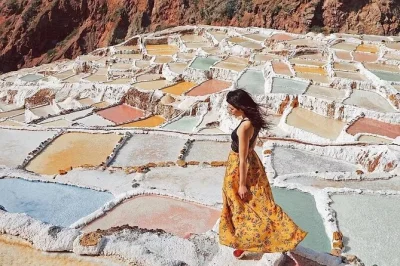 Cusco to Machu Picchu: Sacred Valley Tour by Train & Local Lunch
★★★★★★★★★★ 4.90 (339) From US$ 429
Cusco to Machu Picchu: Sacred Valley Tour by Train & Local Lunch
★★★★★★★★★★ 4.90 (339) From US$ 429
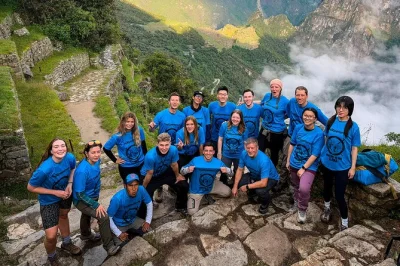 Machu Picchu: 4-Day Inca Trail Trek & Panoramic Train Ride
★★★★★★★★★★ 4.98 (5356) From US$ 754.40
Machu Picchu: 4-Day Inca Trail Trek & Panoramic Train Ride
★★★★★★★★★★ 4.98 (5356) From US$ 754.40
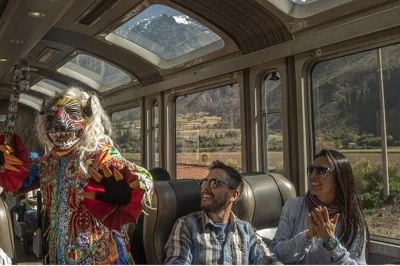 Machu Picchu by Train: Full Day Tour from Cusco with Pickup
★★★★★★★★★★ 4.96 (293) From US$ 419
Machu Picchu by Train: Full Day Tour from Cusco with Pickup
★★★★★★★★★★ 4.96 (293) From US$ 419
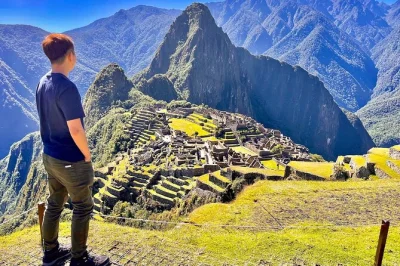 Machu Picchu Day Trip from Cusco: Train, Circuit 2 & Pickup
★★★★★★★★★★ 4.96 (187) From US$ 465
Machu Picchu Day Trip from Cusco: Train, Circuit 2 & Pickup
★★★★★★★★★★ 4.96 (187) From US$ 465
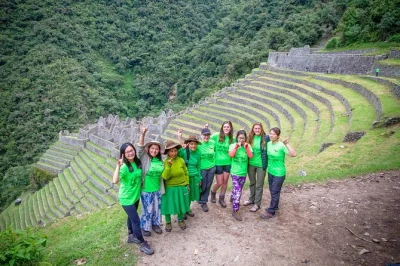 Machu Picchu: Short Inca Trail Hike & Guided Tour 2D/1N
★★★★★★★★★★ 4.99 (3976) From US$ 585
Machu Picchu: Short Inca Trail Hike & Guided Tour 2D/1N
★★★★★★★★★★ 4.99 (3976) From US$ 585
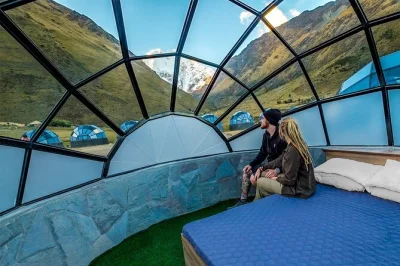 Salkantay Trek & Sky Camp: 4-Day Machu Picchu Hike
★★★★★★★★★★ 4.97 (3808) From US$ 695
Salkantay Trek & Sky Camp: 4-Day Machu Picchu Hike
★★★★★★★★★★ 4.97 (3808) From US$ 695
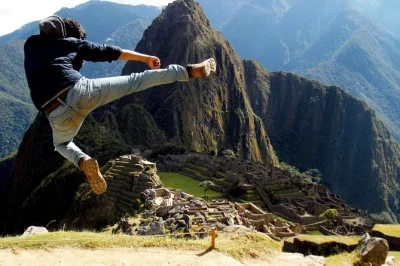 Machu Picchu 2-Day Minivan Tour: Jungle Hike & Sunrise Entry
★★★★★★★★★★ 4.68 (150) From US$ 203
Machu Picchu 2-Day Minivan Tour: Jungle Hike & Sunrise Entry
★★★★★★★★★★ 4.68 (150) From US$ 203
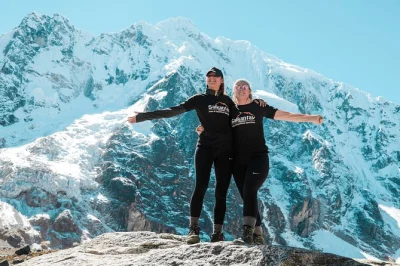 Salkantay Trek to Machu Picchu: 5-Day Hike & Sky Camp Experience
★★★★★★★★★★ 4.99 (4995) From US$ 760
Salkantay Trek to Machu Picchu: 5-Day Hike & Sky Camp Experience
★★★★★★★★★★ 4.99 (4995) From US$ 760
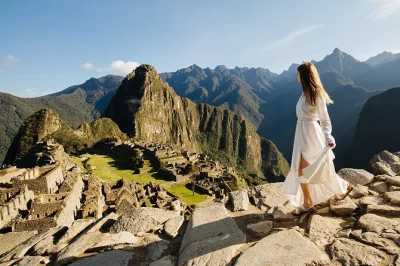 Machu Picchu Day Trip from Cusco: Panoramic Train & Guided Tour
★★★★★★★★★★ 4.83 (1017) From US$ 395
Machu Picchu Day Trip from Cusco: Panoramic Train & Guided Tour
★★★★★★★★★★ 4.83 (1017) From US$ 395
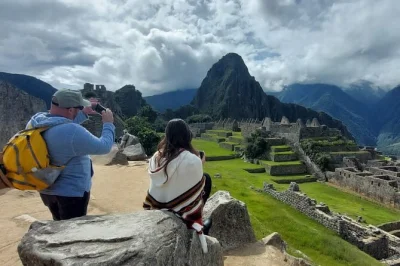 Machu Picchu from Cusco: Day Trip by Train & Guided Tour
★★★★★★★★★★ 4.85 (341) From US$ 354
Machu Picchu from Cusco: Day Trip by Train & Guided Tour
★★★★★★★★★★ 4.85 (341) From US$ 354
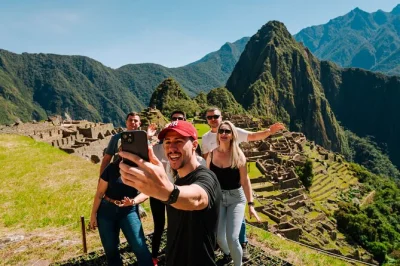 Machu Picchu Day Trip from Cusco: Panoramic Train & Small Group
★★★★★★★★★★ 4.86 (166) From US$ 389
Machu Picchu Day Trip from Cusco: Panoramic Train & Small Group
★★★★★★★★★★ 4.86 (166) From US$ 389
 Machu Picchu Day Trip from Cusco by Train & Sacred Valley
★★★★★★★★★★ 4.77 (126) From US$ 365
Machu Picchu Day Trip from Cusco by Train & Sacred Valley
★★★★★★★★★★ 4.77 (126) From US$ 365


 Do you need help planning your next activity?


