

 +507 6792-0894


Machu Picchu: 4-Day Inca Trail Trek & Panoramic Train Ride



Summary
Hiking the Inca Trail to Machu Picchu with sunrise views and local flavors
You’ll follow ancient Inca steps from Cusco all the way to Machu Picchu’s Sun Gate at sunrise, camping under stars and sharing stories with guides and fellow trekkers. Expect chef-cooked meals on trail, support from local porters, entry tickets covered—and moments that stick long after you’re home.

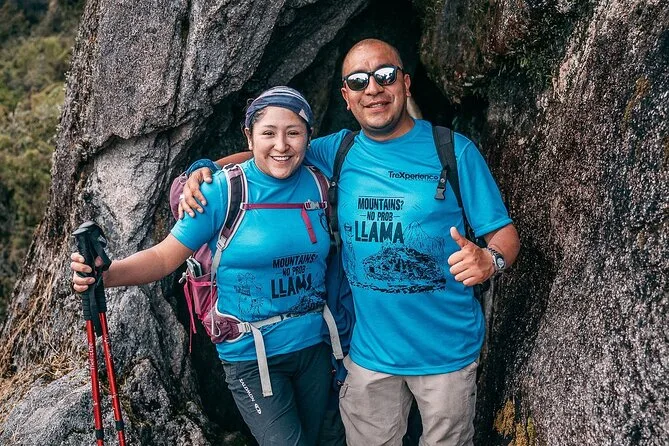
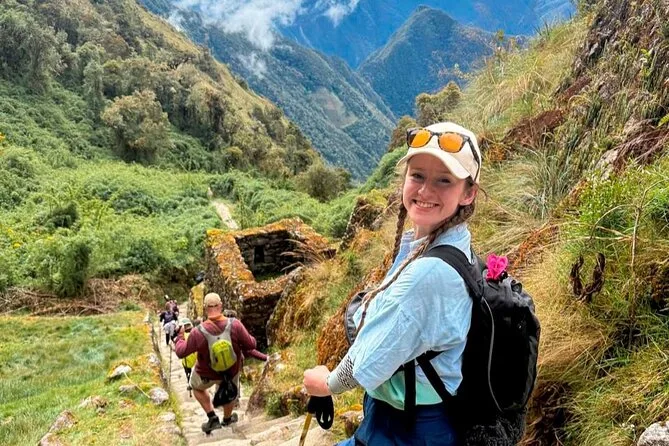
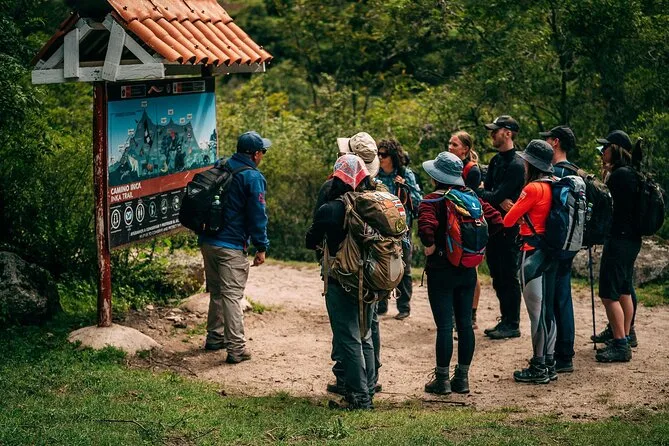
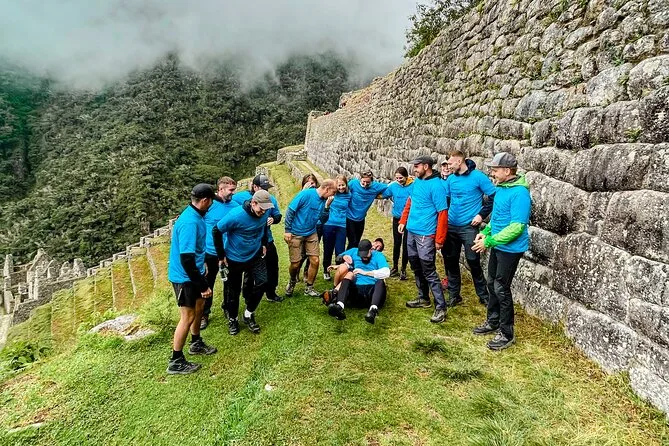
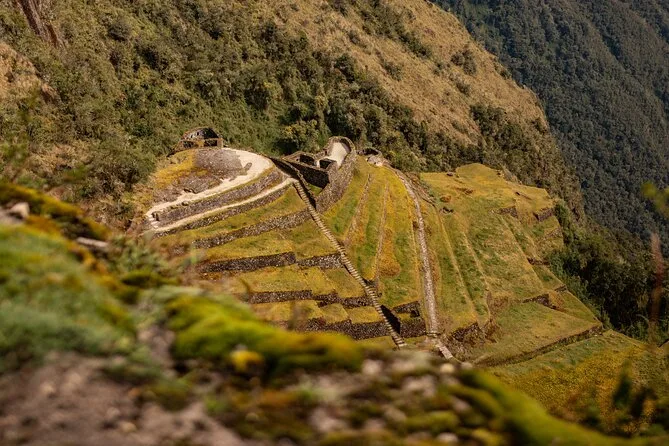
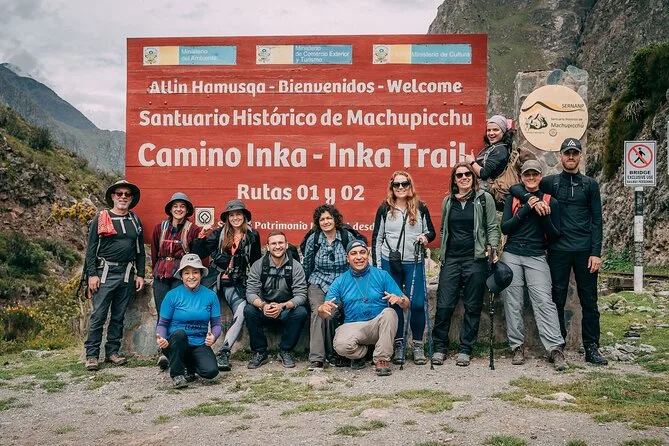
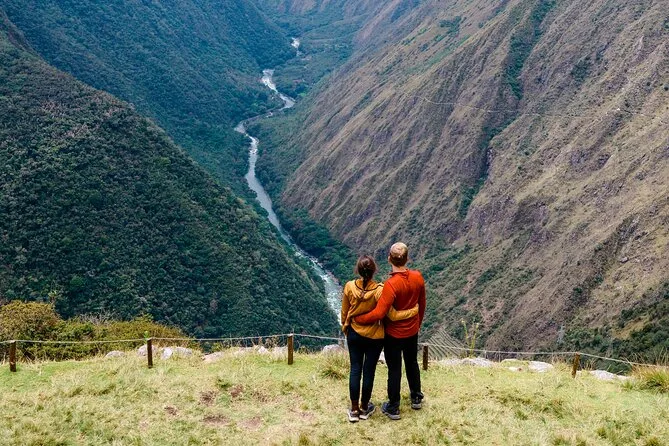
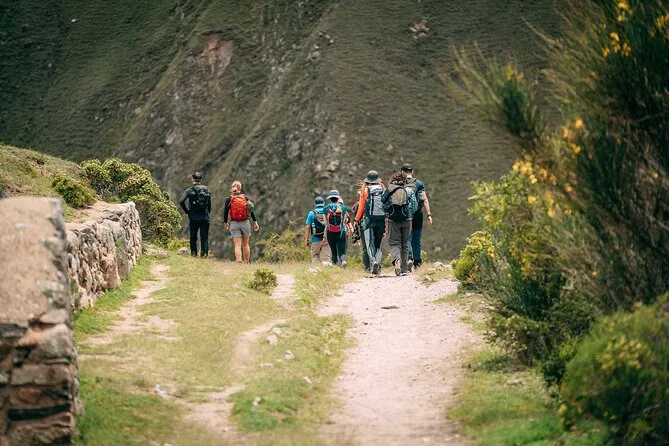
I didn’t really know what to expect when that van picked us up in Cusco before dawn. My head was fuzzy from the altitude — and maybe nerves — but by the time we stopped for breakfast in Ollantaytambo, I felt a weird mix of excitement and “what have I signed up for?” Our guide, Marco, was already cracking jokes in Spanish and English. He called out last-minute tips while we sipped coca tea in the chilly air. At Km 82, there were porters grinning at us (I swear they knew how tough it would get), and after a quick passport check we started walking. The first stretch felt almost gentle — passing tiny villages where kids waved as we shuffled by, their dogs trailing behind. When we reached Willkaraqay and looked down at Llactapata’s terraces, I remember thinking: these stones have seen so much more than I ever will.
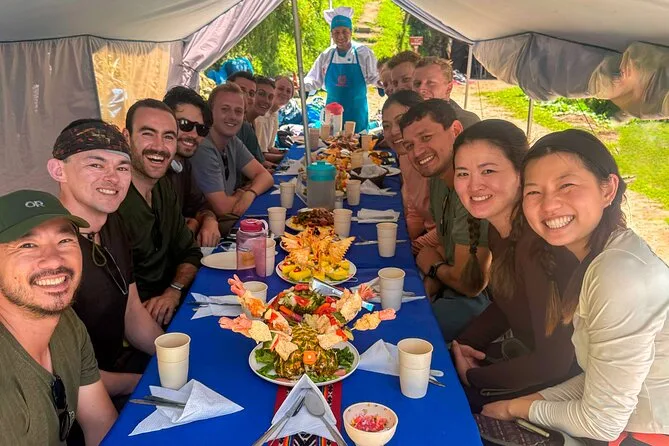
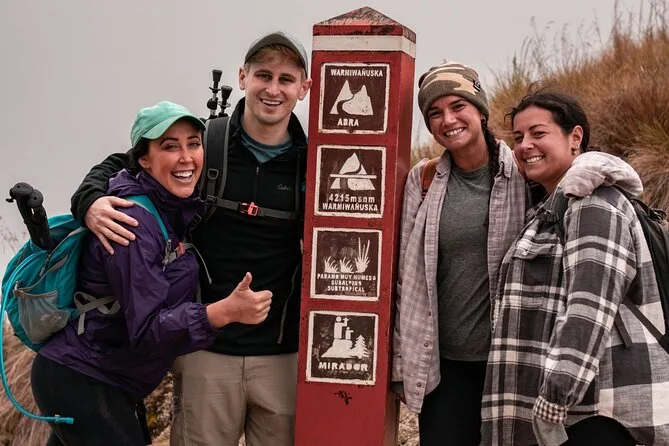
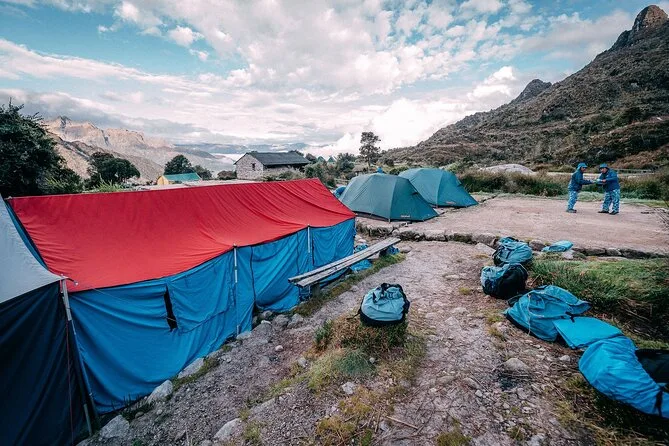
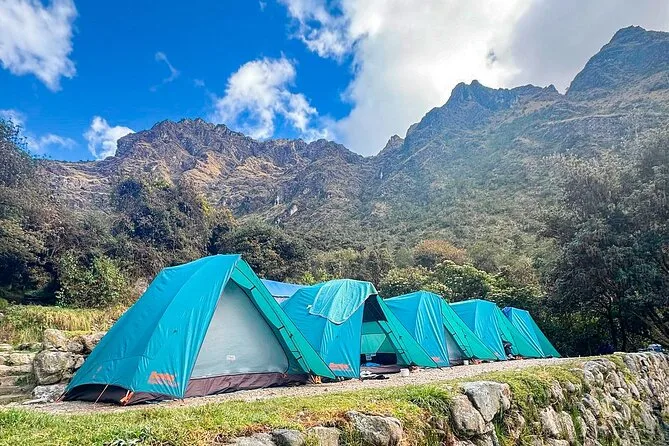
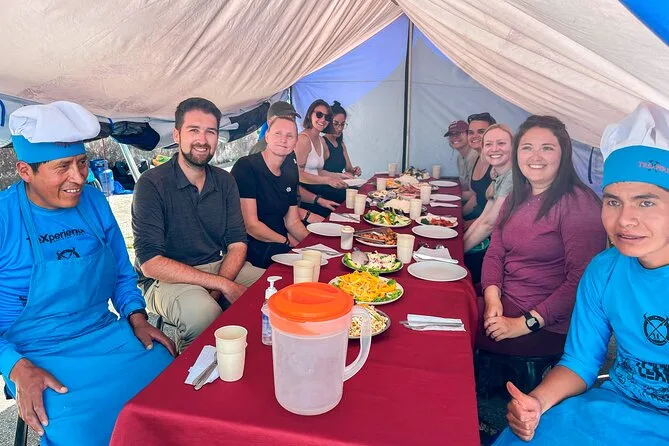
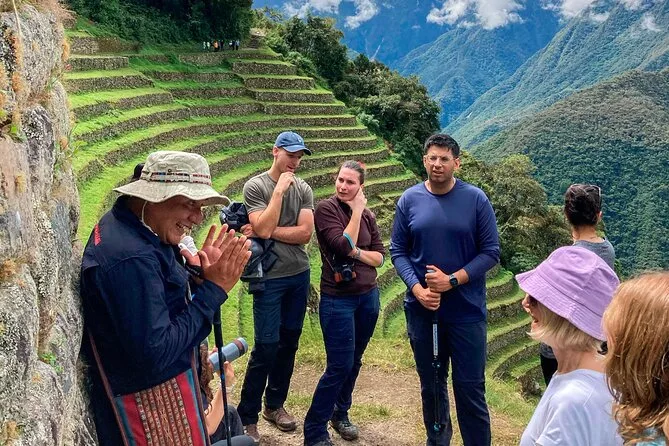
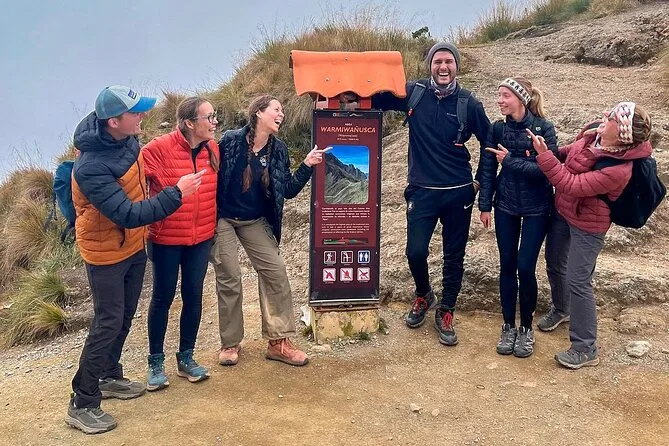
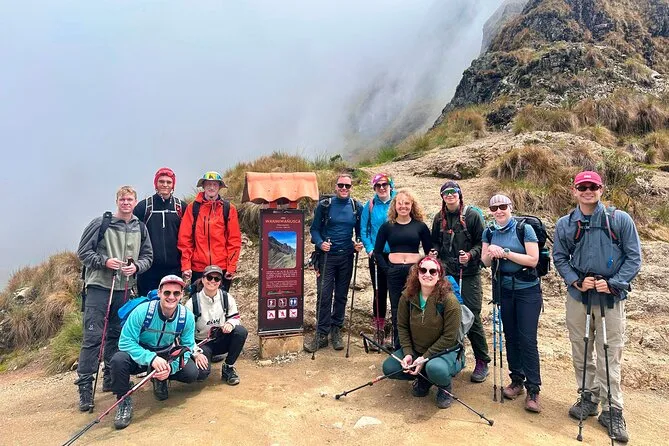
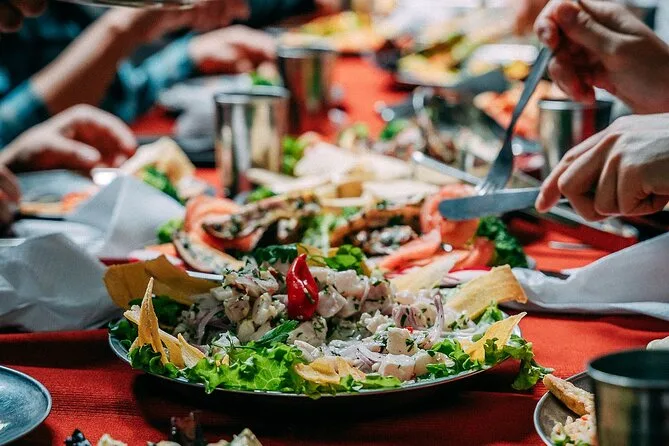
The second day on the Inca Trail is still burned into my legs. Dead Woman’s Pass sounds dramatic for a reason — it’s steep, cold at the top, and the wind has this sharp bite that wakes you up more than any coffee could. Marco stopped us just before the summit for a little ceremony with coca leaves; he explained how locals honor the Apus, mountain spirits. I’m not sure what I expected to feel but standing there with everyone silent (except one guy quietly catching his breath), it felt like something important was happening. Lunches were always better than I thought possible on a trek — hot soup, rice with veggies, even fresh trout one day. The porters moved so fast it seemed unreal; by the time we arrived at camp each night our tents were up and tea was waiting.
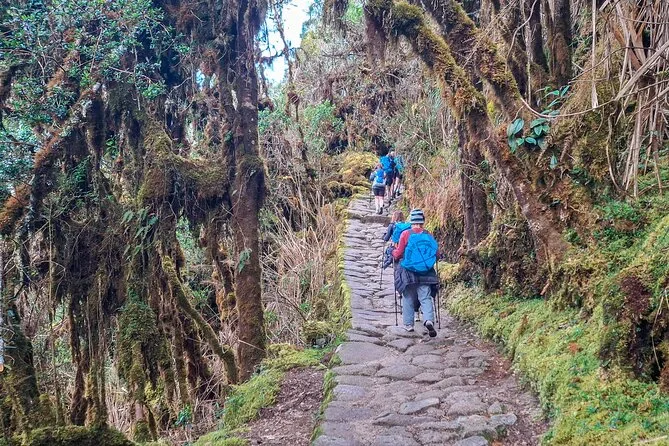
The third morning brought misty forests that looked straight out of some lost world movie — moss hanging everywhere and birds making odd little calls I still can’t imitate. We wandered through Phuyupatamarca (“City in the Clouds”), which lived up to its name; clouds drifted right across our faces while Marco pointed out orchids growing wild along the path. By Wiñay Wayna campsite that afternoon my legs were jelly but I didn’t care anymore — everyone was swapping stories over dinner and someone even tried to teach me Quechua (I failed spectacularly). There was supposed to be a surprise that night but… well, I won’t spoil it.
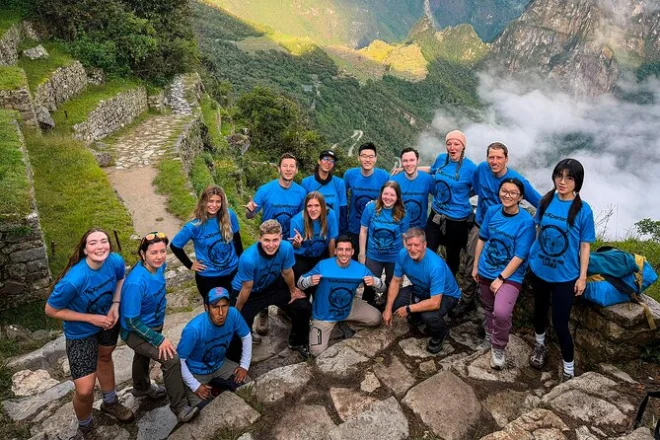
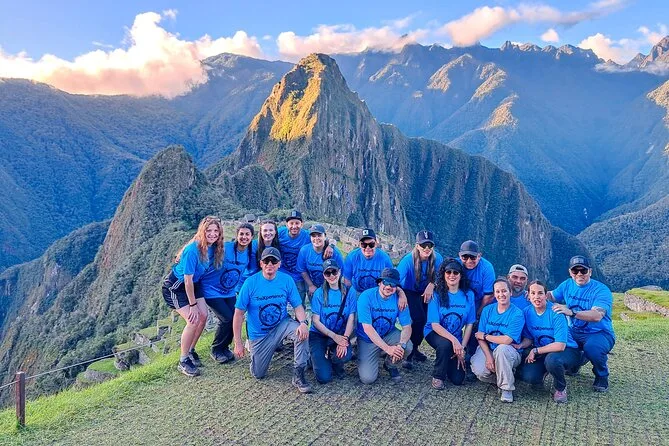
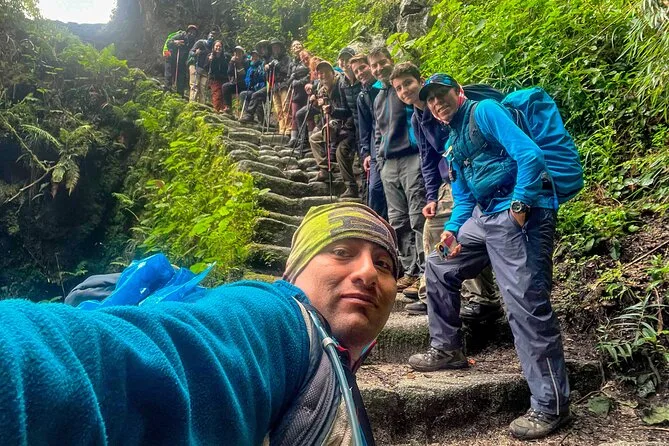
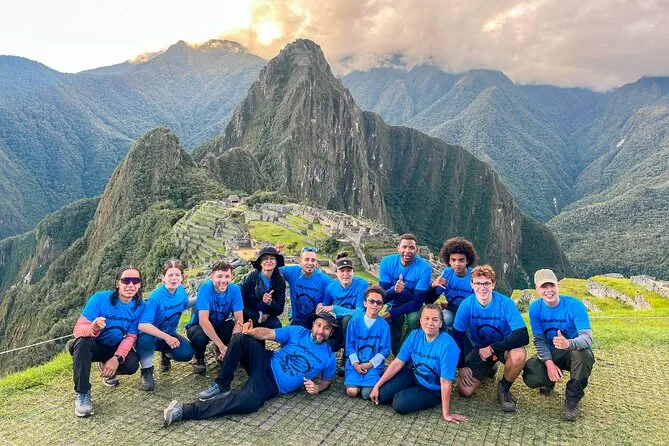
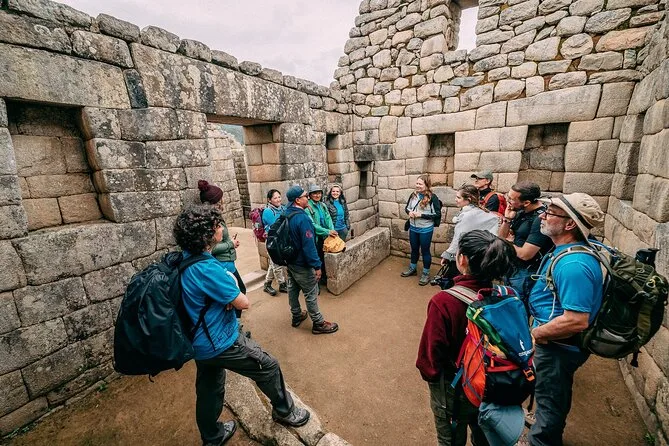
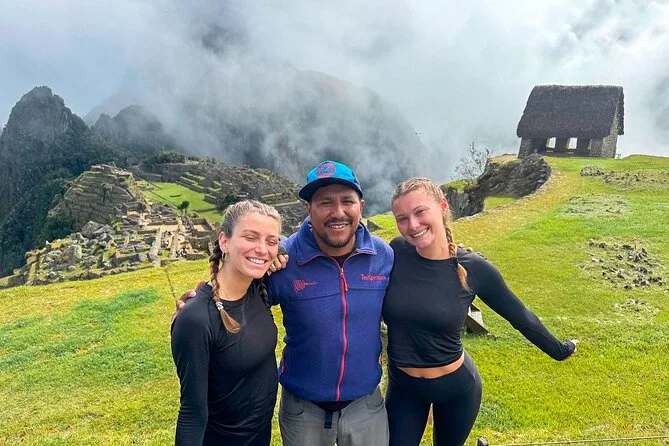
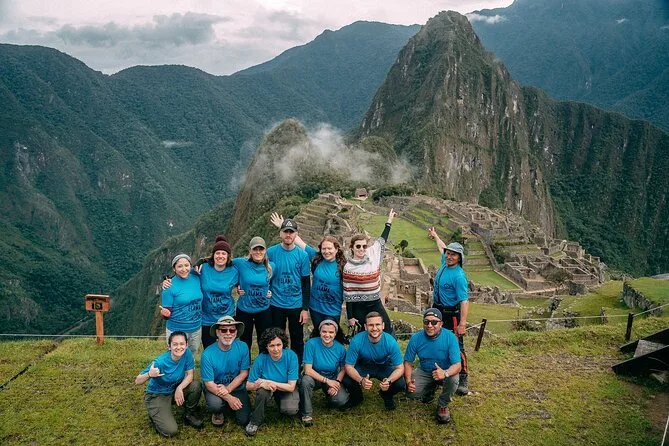
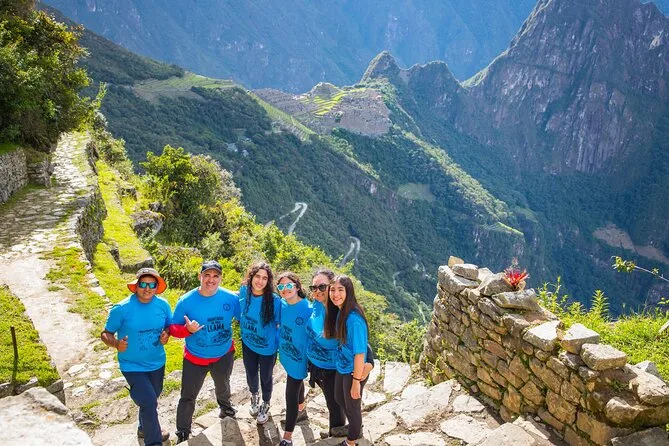
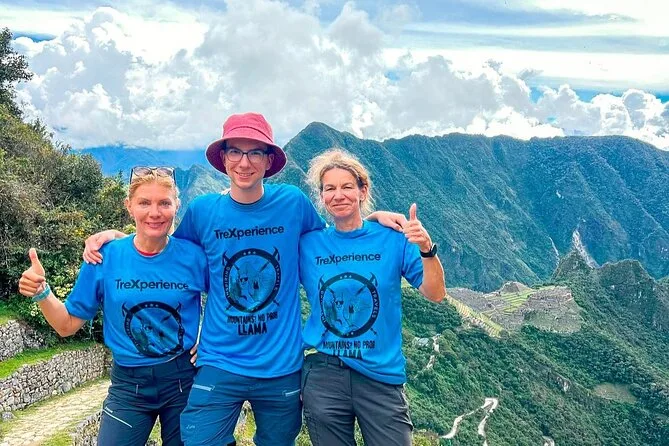
That last morning is honestly hard to describe without sounding cheesy. We lined up at the checkpoint in pitch dark with headlamps bouncing around like fireflies. The final climb to Intipunku — Sun Gate — felt endless until suddenly there it was: Machu Picchu glowing gold in early light below us. Nobody said anything for a minute or two; even Marco just let us stand there quietly. Later we walked down into the citadel itself for a proper tour (Circuit 1 then Circuit 3) and then took a bus down to Aguas Calientes for lunch — my first real beer in days tasted way too good if I’m honest.
 4d
4d

Step-by-step itinerary
Day 1 — Cusco to Ayapata campsite
- Pickup from Cusco hotel early morning
- Breakfast stop in Ollantaytambo town
- Meet adventure team at Km 82
- Begin scenic hike on Inca Trail
- Visit Willkaraqay and Llactapata ruins viewpoint
- Lunch at Hatunchaca village
- Hike to Ayapata Campsite
- Settle into tents and enjoy dinner
Day 2 — Climb Dead Woman’s Pass to Chaquicocha
- Breakfast and hot drink at Ayapata
- Climb to Dead Woman’s Pass
- Ceremony honoring mountain spirits
- Descend to Pacaymayo campsite
- Lunch and rest at Pacaymayo
- Hike to Runkurakay Pass and explore ruins
- Visit Sayacmarca ruins
- Arrive at Chaquicocha campsite for dinner
Day 3 — Hike to Wiñaywayna campsite
- Breakfast at Chaquicocha
- Hike through forests and Inca sites
- Visit Phuyupatamarca “City in the Clouds”
- Explore Intipata terraces
- Arrive at Wiñay Wayna and have lunch
- Free time and guided Inca site visit
- Farewell dinner at campsite
Day 4 — Explore Machu Picchu and return
- Early breakfast at Wiñay Wayna
- Wait at checkpoint for gates to open
- Hike to Sun Gate for Machu Picchu view
- Guided tour of Machu Picchu citadel
- Bus down to Aguas Calientes town
- Free time to explore and eat
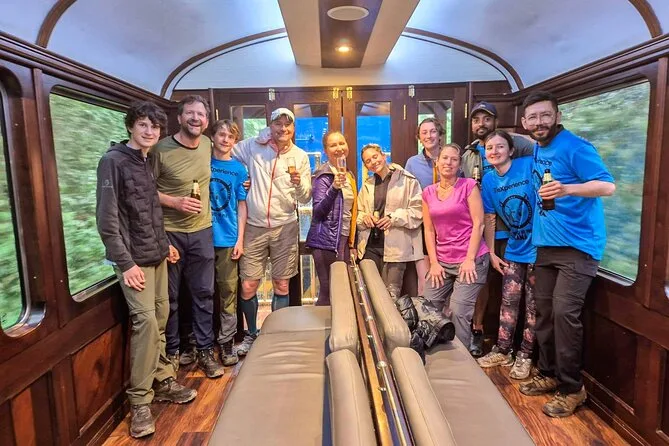
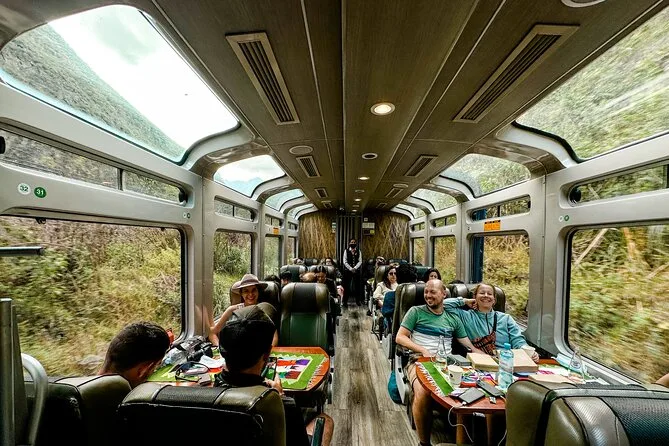
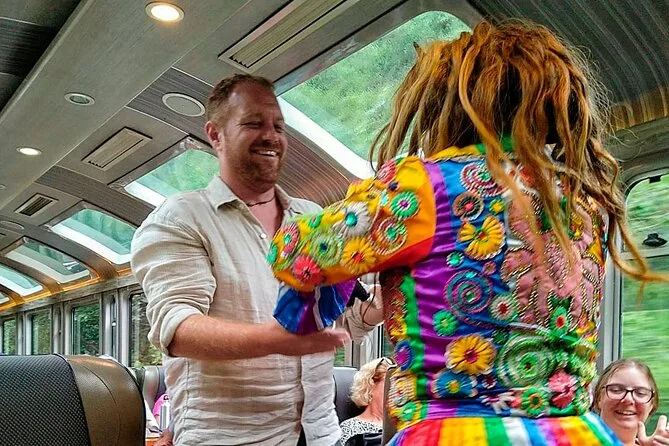
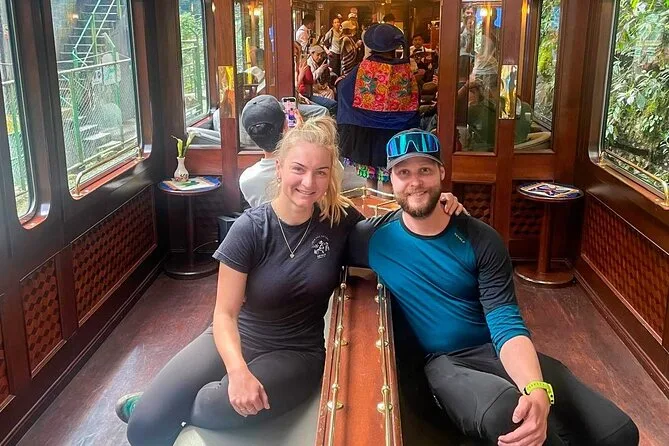
- Scenic Vistadome train to Ollantaytambo
- Private transport back to Cusco
- Arrive in Cusco evening

Top questions

How difficult is the 4-day Inca Trail trek?
This trek requires high physical fitness due to steep climbs like Dead Woman’s Pass (4,215m). It’s challenging but manageable with preparation.
Does this Machu Picchu trek include hotel pickup?
Yes, hotel pickup is included from Cusco or Sacred Valley towns like Urubamba or Ollantaytambo.
Are meals provided during the Inca Trail tour?
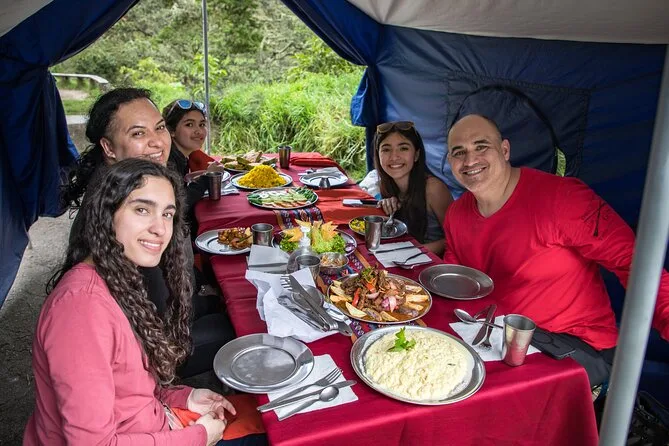
Yes—breakfasts, lunches, dinners (with vegetarian/vegan options), snacks, and purified water are all prepared by trail chefs.
Do you need permits for this Inca Trail trek?
All government permits and entry tickets for both Inca Trail & Machu Picchu are included in your booking.
Is camping gear provided on this Machu Picchu tour?
You’ll get spacious tents (shared), sleeping pad, pillow, rain poncho, duffle bag for personal items—and porter service for your gear.
What train do you take back from Machu Picchu?
The return is on either Vistadome or 360° panoramic trains through Sacred Valley scenery back toward Ollantaytambo.
Can dietary needs be accommodated on this trek?
Vegetarian or vegan meals are available if requested at booking—just let them know your preference ahead of time.
How many nights do you camp during this trip?
You’ll spend three nights camping at designated sites along the trail before reaching Aguas Calientes/Machu Picchu.

What’s included
Your journey includes hotel pickup from Cusco or Sacred Valley towns; all government permits plus entry tickets for both Inca Trail and Machu Picchu; three nights camping with tents set up by porters; daily chef-prepared meals using fresh local ingredients; snacks and purified water throughout; bilingual professional guide leading every step; porter service carrying your main gear; emergency equipment like first-aid kit and oxygen; bus transfer from Machu Picchu down to Aguas Calientes; panoramic train ride back through Sacred Valley on Vistadome or 360° trains; private transport return to Cusco—and luggage storage if needed before departure.
 Super deal
  Free booking, free cancellation.
  Don't lose your place.


 Do you need help planning your next activity?
  +507 6792-0894


