

 +507 6792-0894


Hunza Valley Tour: Autumn Colors, Forts & Karakoram Highway


Summary
Guided Hunza Valley Adventure: Forts, Lakes & Local Culture
You’ll travel deep into Hunza Valley—crossing high passes, exploring ancient forts, boating on Attabad Lake, hiking glaciers, and meeting locals along winding mountain roads. If you want real adventure mixed with culture and history (plus some great food), this trip covers it all without feeling rushed or staged.

Landing in Islamabad felt like stepping into a different pace of life. Our guide met us right at the airport—no confusion, just a friendly face holding a sign with my name. The drive to the hotel took us past Lake View Park. It was early morning, so you could smell fresh-cut grass and hear birds waking up. The city’s traffic hadn’t picked up yet; it was all pretty calm.
The next day, we hit the Karakoram Highway. I’d heard stories about this road—how it twists through mountains and hugs rivers—but seeing it is something else. We stopped for tea at a roadside stall; the chai was strong and sweet, just what you need on a long drive. By late afternoon, we reached Chilas. The air here is drier, and you can see dust swirling around as trucks rumble by.
On our way to Gulmit, we caught our first glimpse of Nanga Parbat—the ninth highest mountain in the world. It just appears out of nowhere behind a bend in the road. In Gilgit City, our guide pointed out local fruit vendors selling apricots and walnuts right off their carts. Later that day, we passed Rakaposhi too (that’s number 27 on the world’s tallest list). It’s hard not to stare at these peaks—they really do dominate everything.
Khunjerab Pass sits at 4,693 meters and honestly, you feel it in your lungs when you step out of the van. There’s a national park here—if you’re lucky (we weren’t), you might spot ibex or even a marmot darting across the rocks. This is also where Pakistan meets China; there’s an official border gate with guards who don’t mind posing for photos if you ask nicely.
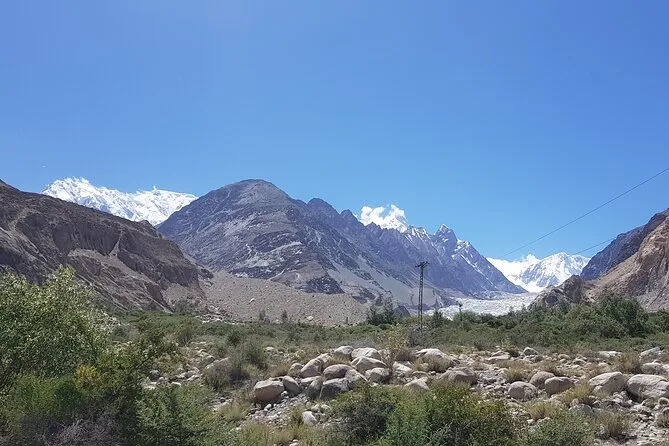
Gulmit and Passu are quieter villages but full of surprises. We hiked up to Passu Glacier one morning—the path gets slippery with loose stones but the views are worth every step. Borith Lake is close by; its water looks almost metallic under cloudy skies. Walking across the old suspension bridge near Hussaini was nerve-wracking (the planks creak), but locals cross it daily like it’s nothing.
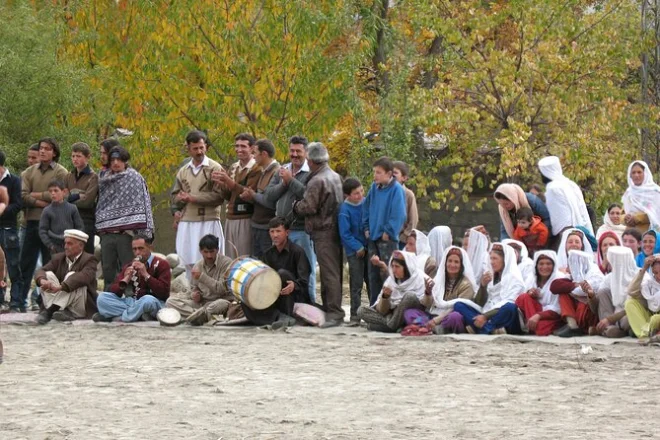
In Gulmit village, kids waved as we walked past stone houses painted in faded blues and greens. Ghulkin village had this tiny bakery where I tried fresh bread straight from a clay oven—still warm inside.
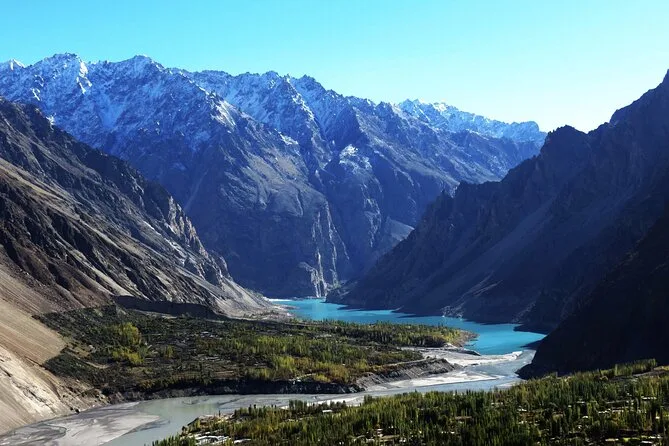
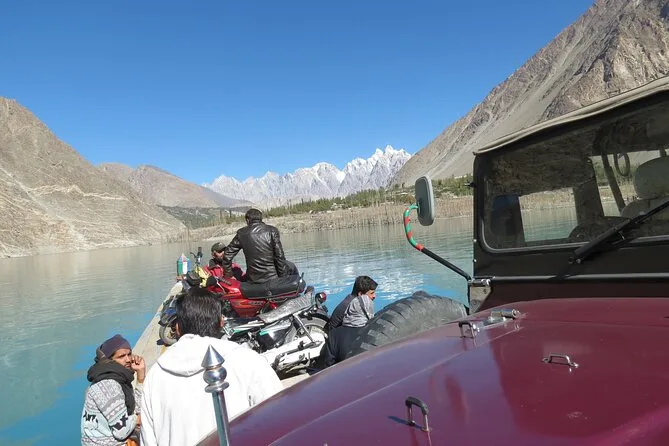
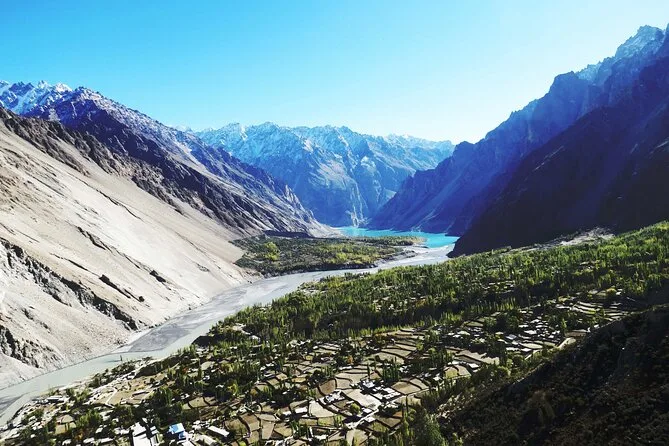
Attabad Lake is unreal—a bright turquoise stretch formed after a landslide years ago. We took a boat ride; cold spray hit my face every time the wind picked up speed. Later on, our guide explained the story behind Hunza’s sacred rocks—ancient carvings right by the roadside that most people miss unless someone points them out.
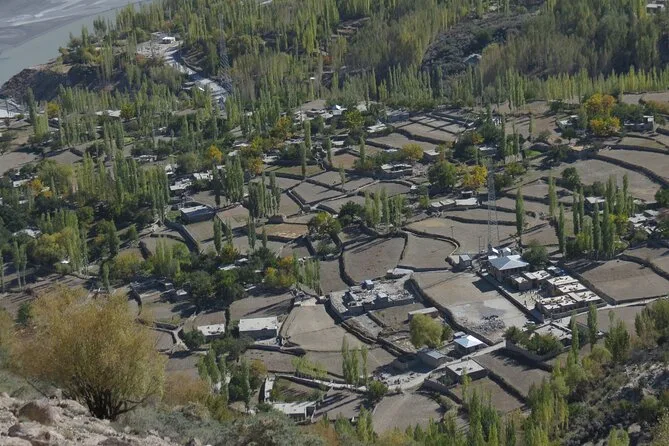
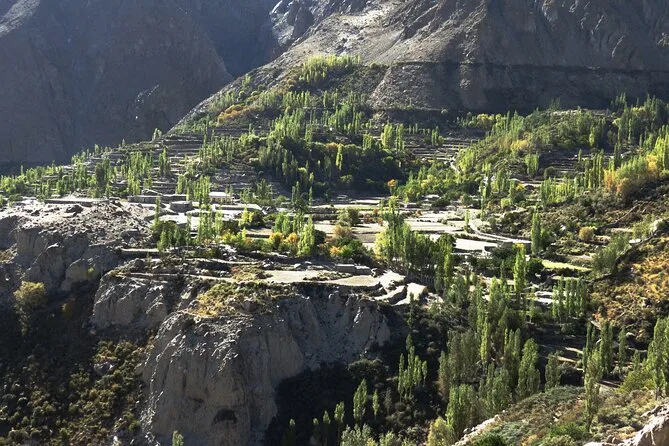
The Hoper Glacier sits tucked away in another valley near Karimabad; getting there means bouncing along narrow roads while goats block your way now and then. Karimabad itself feels like an old mountain town—cobblestone paths lined with apricot trees and small shops selling dried mulberries.
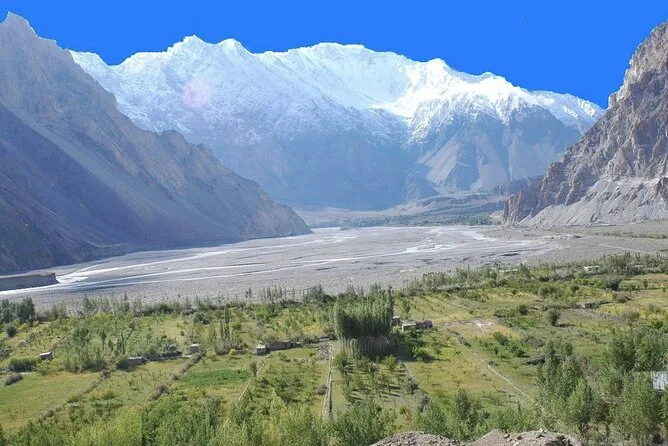
Baltit Fort stands above everything else here—a maze of wooden balconies and steep staircases built centuries ago by local rulers (the guides inside know every story). Altit Fort is even older; its watchtower gives you wide-open views over Hunza Valley below. One evening we climbed up to Duiker just before sunset—the sky turned pink behind snow-capped peaks while someone nearby played soft music on their phone.
The drive back takes you through Babusar Pass (sometimes still icy even in late spring) and Lulusar Lake—a quiet spot where shepherds graze sheep along the shorelines. Naran town has small cafés where travelers swap stories over plates of pakora.
Before heading home from Islamabad, we stopped at Taxila Museum to see relics from Gandhara civilization—old coins, statues with serene faces—and then visited Faisal Mosque (huge white marble courtyard) and Pakistan Monument for one last look at city life before flying out.
 9d
9d

Step-by-step itinerary
Day 1 — Arrival in Islamabad
- Arrival at Islamabad airport
- Transfer to hotel
Day 2 — Drive to Chilas
- Drive on Karakorum Highway
Day 3 — Chilas to Gulmit
- View 9th highest mountain
- Visit Gilgit City
- See 27th highest mountain
Day 4 — Khunjerab Pass Visit
- Explore national park
- Visit highest paved border crossing
Day 5 — Gulmit and Passu Exploration
- Hike to Passu glacier
- Visit Borith Lake
- Walk suspension bridge
- Explore Gulmit village
- Explore Ghulkin village
Day 6 — Gulmit to Karimabad
- Boating at Attabad Lake
- Learn about sacred rocks
- Visit Hoper glacier
Day 7 — Karimabad Sightseeing
- Visit Baltit Fort
- Visit Altit Fort
- Sunset at Duiker viewpoint
Day 8 — Karimabad to Naran Valley
- Stop at Babusar Pass
- Enjoy Lulusar Lake
- Explore Naran area
Day 9 — Naran to Islamabad and Departure
- Visit Taxila Museum
- Visit Faisal Mosque
- Visit Pakistan Monument

Top questions

Is this tour suitable for families with young children?
The tour includes some hikes and high-altitude areas but can be adjusted for families; specialized infant seats are available upon request.
What kind of accommodation should I expect?
You’ll stay in comfortable hotels each night with twin-sharing rooms included in your package.
Are meals included during the trip?
No meals are included by default but there are plenty of local cafés and restaurants along the route recommended by guides.
I have limited mobility—is this tour accessible?
Certain activities involve walking or uneven terrain; please let us know your needs so we can advise or adjust where possible.

What’s included
Your package covers all hotel stays on twin sharing basis plus transport in an air-conditioned vehicle throughout the journey. A knowledgeable local guide will be with you every step—from airport pickup to final drop-off—and infant seats can be arranged if needed. Public transport options are nearby at several stops if you want extra flexibility during free time.
 Super deal
  Free booking, free cancellation.
  Don't lose your place.


 Do you need help planning your next activity?
  +507 6792-0894


