

 +507 6792-0894


Bergen Walking Tour: Fortress, Bryggen & Local Neighborhoods








Summary
Wander Bergen’s fortress, Bryggen wharf and hillside streets with stories
You’ll walk Bergen’s fortress grounds with a local guide, wander colorful Bryggen wharf as stories unfold around you, climb quiet hillside lanes lined with wooden houses, and end near bustling food streets — all while getting glimpses of real Bergen life between history lessons.

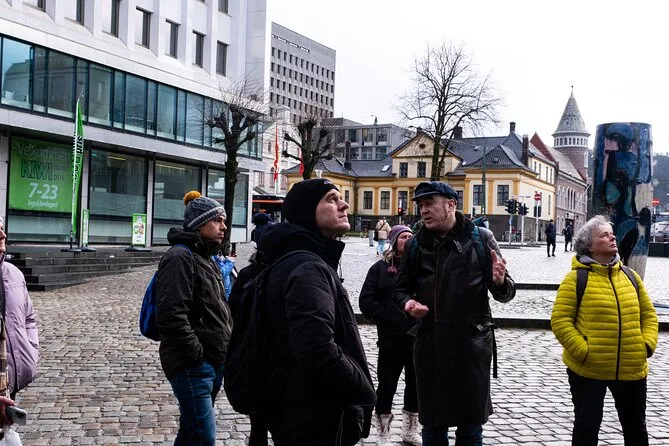
Hands in his pockets, our guide Erik paused outside the old stone walls of Bergenhus Fortress. He pointed at a mossy cannon and said something about kings and pirates — I was still catching my breath from the sea air, honestly. The fortress sits right by the harbor, so you get this mix of salt and old stone smell that kind of clings to your jacket. We didn’t go inside Håkon’s Hall (it costs extra), but just standing there you could almost picture medieval feasts or whatever they did back then. Erik told us Bergen was Norway’s capital for a while — which I didn’t know — and somehow managed to make centuries of royal drama sound like gossip from last week.
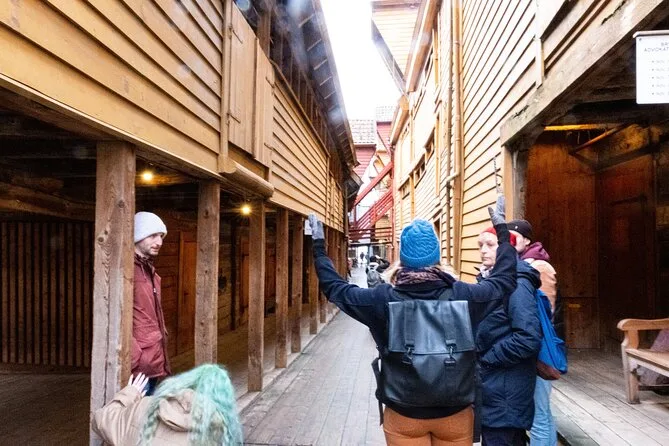
After that we wandered over to Bryggen. The wooden buildings lean at odd angles, painted in reds and yellows that look faded but stubbornly bright even under gray clouds. There were tourists snapping photos but also locals ducking into tiny shops — felt like both a museum and someone’s neighborhood at the same time. Erik explained how German merchants (the Hanseatic League) basically ran things here for 1000 years. He tried to teach us how to say “Bryggen” properly; I definitely failed. The history part ended at St. Mary’s Church, which is apparently the oldest building in Bergen. We didn’t go inside — I peeked through the door anyway, just curious.
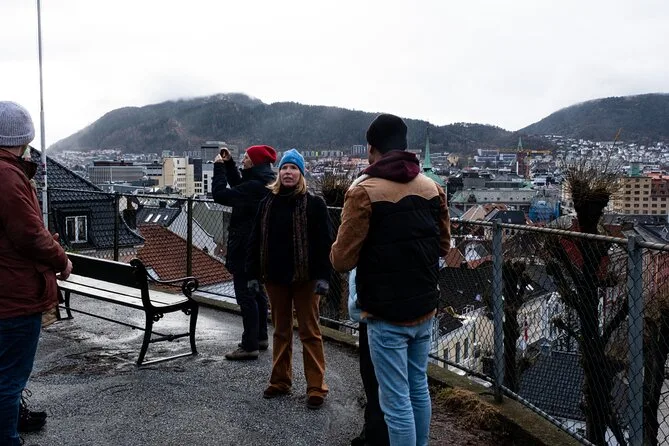
The best bit for me was climbing up into Fjellsiden, where the streets get narrow and suddenly it’s all wooden houses with flowerpots on crooked steps. It got quieter up there; you could hear someone playing piano behind an open window. Erik talked about daily life — taxes (high), food (lots of fish), house prices (don’t ask). At one point he waved at a neighbor who just smiled and kept sweeping her stoop, totally unfazed by us trailing past like ducklings. We passed the funicular station too; apparently hiking is practically mandatory if you live here.
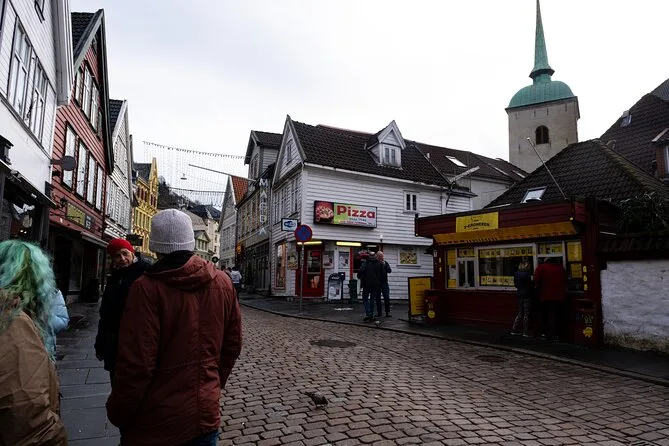
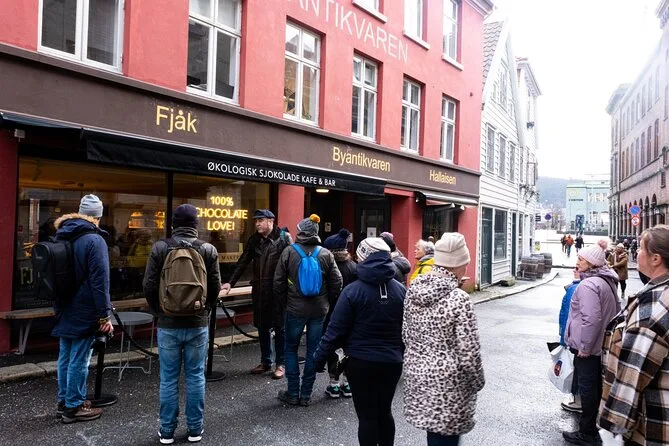
The tour wrapped up near Skostredet street with its string of restaurants — smelled bread baking somewhere nearby, which made me wish lunch was included (it isn’t). Standing by the fish market at the end, I realized I’d stopped thinking about being a tourist and started wondering what it’d be like to live here instead.
 2h
2h

Step-by-step itinerary
Day 1 — Explore Bergen's history and local life
- Visit Bergen Fortress
- Pass by Håkon's Hall
- Explore Bryggen UNESCO site
- Pass by St. Mary's Church
- Walk uphill to Fjellsiden district
- Pass by funicular station
- Discuss modern Bergen on Skostredet street
- Finish outside fish market and tourist office

Top questions

How long is the Bergen walking tour?
The walk covers about 3 km (2 miles) and lasts around 2–2.5 hours.
Does the tour include entry to museums or churches?
No entry fees are included; we do not go inside Håkon’s Hall or St. Mary’s Church.
Is this walking tour suitable for children or strollers?
Yes, infants and small children can ride in a pram or stroller along the route.
Will we visit Mt. Floyen during this tour?
No, you’ll pass by the funicular station but do not take it up Mt. Floyen during this tour.
Is lunch or food included on this Bergen walking tour?
No meals are included; however, your guide will point out recommended restaurants along Skostredet street.
Where does the walking tour start and finish?
The tour starts at Bergenhus Fortress and finishes outside the fish market/tourist office in central Bergen.
What level of fitness is required for this walk?
A moderate level of physical fitness is recommended due to stairs and some uphill sections.
Are guides licensed or authorized locals?
Yes, tours are led by authorized local guides familiar with Bergen’s history and neighborhoods.

What’s included
Your day includes a guided small-group walking tour led by an authorized local guide through Bergenhus Fortress grounds, UNESCO-listed Bryggen wharf area, hillside neighborhoods around Fjellsiden, plus recommendations for top restaurants before finishing near the fish market — no hidden fees or surprise charges along the way.
 Super deal
  Free booking, free cancellation.
  Don't lose your place.


 Do you need help planning your next activity?
  +507 6792-0894


