
Waitangi: Māori Hāngī Dinner & Cultural Night with Day Pass
 Super deal


Summary
Waitangi evening with hāngī feast live Māori songs stories and day entry
You’ll feel welcomed into Māori culture at Waitangi—mixing with locals over drinks, watching hāngī food lifted from an earth oven, joining a bush walk at dusk with traditional challenge rituals, then sharing laughter and stories over a generous buffet dinner after an energetic performance. The day pass gives you time to explore museums and grounds too—just let yourself soak it all in.
 1d–2d
1d–2d

Step-by-step itinerary
Day 1 — Waitangi Treaty Grounds and Hāngī dinner
- Visit Waitangi Treaty Grounds
- Explore museums and heritage buildings
- Relax at Whare Waka Café
- Enjoy complimentary drink on arrival
- Watch hāngī chef explain cooking
- Take immersive bush walk
- Experience traditional Māori challenge
- Watch Te Pitowhenua cultural performance
- Enjoy buffet hāngī dinner

Top questions

How long does the Māori cultural experience at Waitangi last?
The evening experience starts around 5pm and includes dinner and entertainment; daytime admission covers two consecutive days for museums and grounds.
Is pickup included for the Waitangi hāngī dinner?
Yes, evening transfers from selected locations are included—contact them for details after booking.
What food is served at the hāngī dinner?
The buffet includes various meats, stuffing, vegetables, breads, salads, and steamed pudding for dessert—all cooked traditionally in an earth oven.
Are special dietary requirements accommodated?
Yes—just inform them at booking if you have any dietary needs or restrictions.
Can children or infants join this tour?
Yes—infants and small children can come along; prams or strollers are allowed.
What museums are included with admission?
Your pass covers Te Kōngahu Museum of Waitangi and Te Rau Aroha Museum of the Price of Citizenship plus heritage buildings on site.
Is there a guided tour during daytime admission?
You can book a daytime guided tour and cultural performance—just let them know when reserving your spot.
Where does the experience take place?
The event is held at Waitangi Treaty Grounds in New Zealand’s Bay of Islands region.

What’s included
Your day includes complimentary pickup from select locations in the evening, entry to Waitangi Treaty Grounds valid for two days (with access to both award-winning museums), a guided bush walk with local hosts, live Māori performing arts show by Te Pitowhenua group, plus a generous buffet hāngī dinner with drinks served at Whare Waka Café before heading back out into the Bay air.

I didn’t really know what to expect when we showed up at Waitangi for the Māori cultural experience — just this mix of nerves and curiosity buzzing in my chest. The Bay of Islands air felt thick with woodsmoke and sea salt, and as soon as we stepped into Whare Waka Café, someone handed me a drink (I forget what it was called, but it tasted earthy and sweet). There were a few other travelers milling around, but mostly locals — lots of laughter bouncing off the deck. Our host, Mereana, greeted us by name. She had this way of making you feel like you’d been invited to a family gathering instead of a tour.
The hāngī dinner was honestly the part I was most curious about. We watched the chef lift steaming baskets from the earth oven — the smell hit first: smoky, almost grassy, definitely nothing like my kitchen back home. He explained how everything’s layered underground to cook slowly; I tried asking a question about the stuffing and totally mangled the pronunciation (he grinned anyway). Then came this short bush walk just as dusk started to settle in. It got quiet except for birds and our footsteps on damp leaves. Suddenly two men appeared out of nowhere — full traditional dress — doing the wero challenge right in front of us. Kind of intense but also… respectful? It’s hard to explain unless you’re there.
After that we circled back for the performance inside. Te Pitowhenua group did songs and haka that rattled my chest; at one point I caught myself holding my breath during a poi dance because everyone else was so still. Dinner was buffet style — meats falling apart, root veggies, bread that tasted faintly sweet, plus some pudding I still think about when I’m hungry late at night. People were swapping stories between bites; one woman next to me said she brings her grandkids every year.
I wandered through both museums earlier in the day (the Treaty House is heavier than it looks), but honestly it’s those small moments — steam rising from earth, someone clapping your shoulder after you try saying “kia ora” — that stick with me more than anything on display. If you go, don’t rush through it all; let yourself get pulled along by whatever happens next.
Similar tours
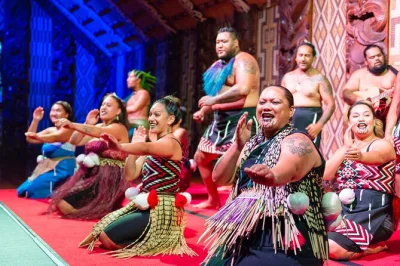 Waitangi Treaty Grounds: Guided Tour, Museums & Māori Performance
★★★★★★★★★★ 4.65 (347) From US$ 44.45
Waitangi Treaty Grounds: Guided Tour, Museums & Māori Performance
★★★★★★★★★★ 4.65 (347) From US$ 44.45
 Bay of Islands: V8 Trike Ride to Opua, Haruru Falls & Lookout
★★★★★★★★★★ 4.91 (180) From US$ 141.16
Bay of Islands: V8 Trike Ride to Opua, Haruru Falls & Lookout
★★★★★★★★★★ 4.91 (180) From US$ 141.16
 Bay of Islands: Tall Ship Sailing & BBQ Lunch Cruise
★★★★★★★★★★ 4.91 (384) From US$ 123.14
Bay of Islands: Tall Ship Sailing & BBQ Lunch Cruise
★★★★★★★★★★ 4.91 (384) From US$ 123.14
 Bay of Islands: Kawiti Glow Worm Caves & Opua Forest Walk
★★★★★★★★★★ 4.62 (141) From US$ 150.17
Bay of Islands: Kawiti Glow Worm Caves & Opua Forest Walk
★★★★★★★★★★ 4.62 (141) From US$ 150.17
 Bay of Islands: Tall Ship Sundowner Sail & Ferry Transfer
★★★★★★★★★★ 4.89 (111) From US$ 66.07
Bay of Islands: Tall Ship Sundowner Sail & Ferry Transfer
★★★★★★★★★★ 4.89 (111) From US$ 66.07
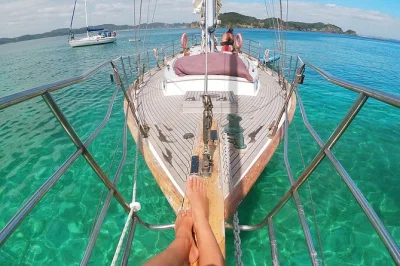 Bay of Islands: Small-Group Sailing & Island Hopping Day Tour
★★★★★★★★★★ 4.91 (228) From US$ 111.12
Bay of Islands: Small-Group Sailing & Island Hopping Day Tour
★★★★★★★★★★ 4.91 (228) From US$ 111.12
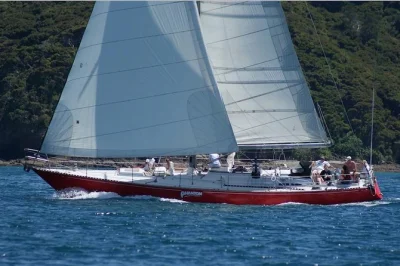 Bay of Islands: Sailing tour with local crew & island stop
★★★★★★★★★★ 4.95 (183) From US$ 117.13
Bay of Islands: Sailing tour with local crew & island stop
★★★★★★★★★★ 4.95 (183) From US$ 117.13
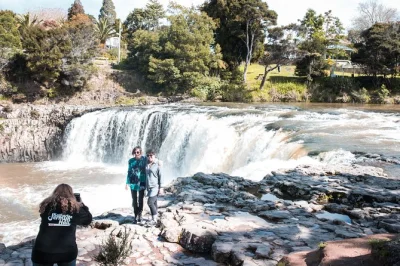 Bay of Islands: Glow Worm Caves, Haruru Falls & Chocolate Tasting
★★★★★★★★★★ 4.53 (354) From US$ 147.16
Bay of Islands: Glow Worm Caves, Haruru Falls & Chocolate Tasting
★★★★★★★★★★ 4.53 (354) From US$ 147.16
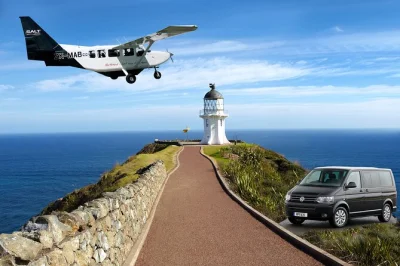 Cape Reinga & Ninety Mile Beach: Scenic Flight & Lighthouse Tour
★★★★★★★★★★ 4.95 (146) From US$ 335.76
Cape Reinga & Ninety Mile Beach: Scenic Flight & Lighthouse Tour
★★★★★★★★★★ 4.95 (146) From US$ 335.76
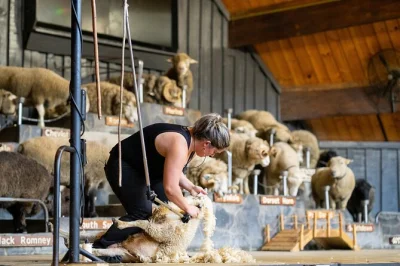 Rotorua: Agrodome Farm Show & Tour with Animal Feeding
★★★★★★★★★★ 4.65 (226) From US$ 39.04
Rotorua: Agrodome Farm Show & Tour with Animal Feeding
★★★★★★★★★★ 4.65 (226) From US$ 39.04
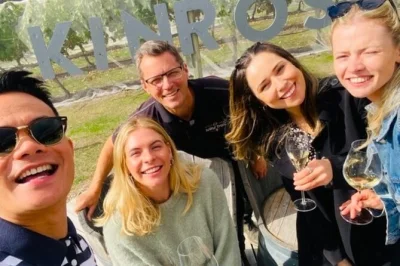 Queenstown Wine Tour: Flexible Shuttle & Arrowtown Stops
★★★★★★★★★★ 4.97 (336) From US$ 59.47
Queenstown Wine Tour: Flexible Shuttle & Arrowtown Stops
★★★★★★★★★★ 4.97 (336) From US$ 59.47
 Marlborough: Wine Tasting Afternoon Tour & Vineyard Lunch
★★★★★★★★★★ 4.77 (159) From US$ 123.14
Marlborough: Wine Tasting Afternoon Tour & Vineyard Lunch
★★★★★★★★★★ 4.77 (159) From US$ 123.14


 Do you need help planning your next activity?


