

 +507 6792-0894


Omaka WWII Dangerous Skies Exhibition Tickets & Entry Info
 45m–7h
 4.57
(23 reviews)
4.57
(23 reviews)





Summary
WWII Aircraft Experience at Omaka Aviation Heritage Centre
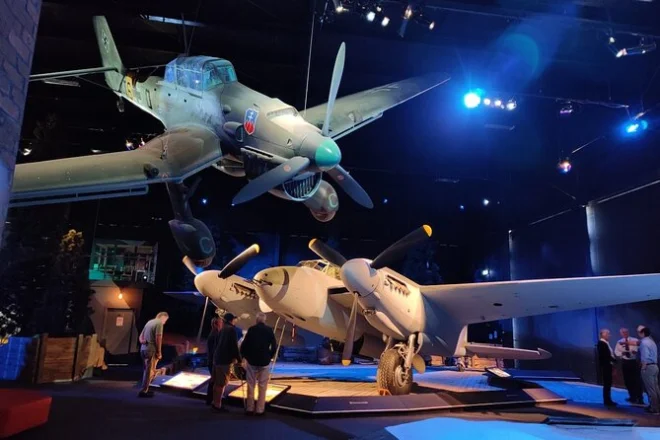
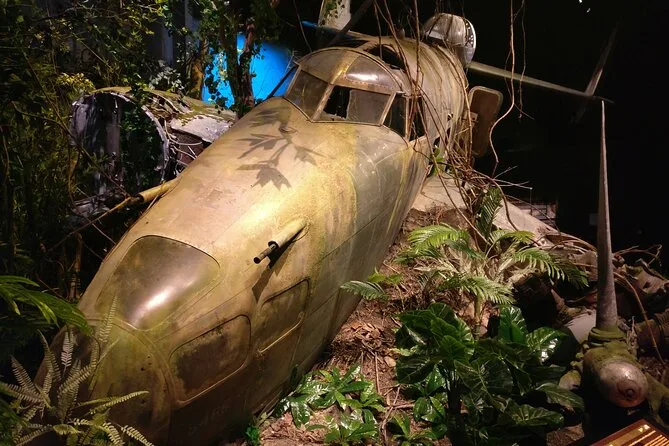
You’ll get up close to legendary WWII aircraft and hear stories that don’t make it into textbooks. This isn’t just for aviation buffs—the displays are hands-on and personal, with details that stick with you long after you leave.

Stepping into the ‘Dangerous Skies’ hall, I felt a chill—maybe it was the hum of old engines or just the way the light caught on polished metal. The first thing that hit me was the real de Havilland Mosquito right in front of us. You can almost smell the oil and dust, like someone just wheeled it in from a mission. Our guide, Pete, pointed out bullet holes patched up on one wing—he said they left them there on purpose, to keep things honest.
The exhibition isn’t just about planes. There’s this section on women pilots—I’d never heard about some of their stories before. The Battle of Stalingrad display is something else: you walk through a dim tunnel with distant radio static and muffled voices in Russian. It’s not flashy, but it gets under your skin. We spent about an hour wandering around, but honestly, you could stay longer if you’re into the details. There’s a little coffee kiosk near the exit; I grabbed a flat white while watching kids try to pronounce “Focke Wulf.”
45m–7h

Step-by-step itinerary
Day 1 — Visit Omaka Aviation Heritage Centre
- Explore Dangerous Skies WWII Exhibition

Top questions

How long should we plan to spend at the Dangerous Skies exhibition?
Most visitors spend at least 45 minutes here, but if you like reading every panel or chatting with staff, an hour or more is easy.
Is the museum suitable for children or people with limited mobility?
Absolutely—it’s wheelchair accessible throughout and prams are welcome. Kids seem to love the interactive bits and big aircraft displays.
Can we buy food or drinks inside?
Yes, there’s a small coffee kiosk offering light snacks and drinks near the exit area.
Are tickets available at the door or should we book ahead?
You can buy tickets when you arrive, but booking ahead online means you skip any lines—especially handy during weekends or holidays.

What’s included
Your ticket covers entry to the Dangerous Skies WWII exhibition at Omaka Aviation Heritage Centre. Wheelchair access is available everywhere; prams and service animals are welcome too. There’s a coffee kiosk for snacks and drinks, plus souvenirs if you want something to take home.
 Super deal
  Free booking, free cancellation.
  Don't lose your place.


 Do you need help planning your next activity?
  +507 6792-0894


