

 +507 6792-0894


Dunedin Otago Peninsula: Evening Blue Penguin Viewing & Reserve Access
 1h 30m
 4.95
(459 reviews)
4.95
(459 reviews)



Summary
Blue penguins waddle home at dusk with wild sea air and local stories
You’ll stand just meters from wild blue penguins as they return home at dusk on Dunedin’s Otago Peninsula. Hear local stories from conservation guides, learn about Māori history woven into the land, and watch other wildlife slip by under the changing sky. Bring your camera (no flash), your curiosity—and maybe a warm jacket for those salty winds.

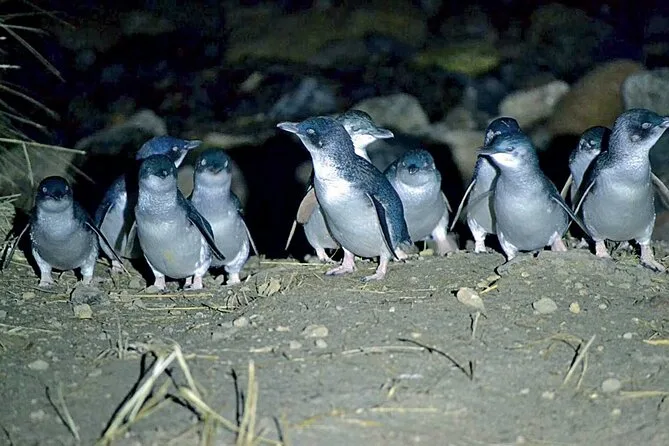
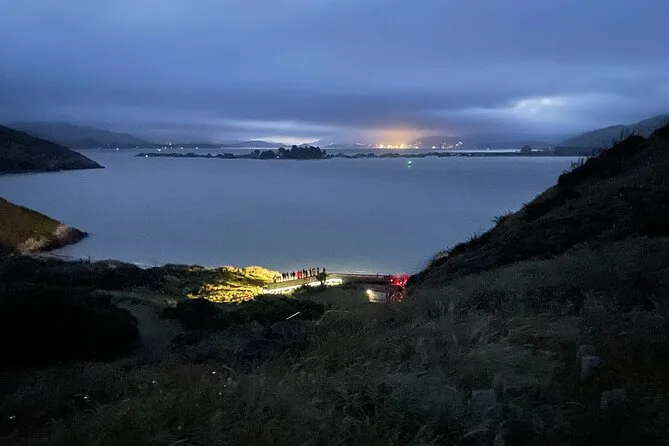
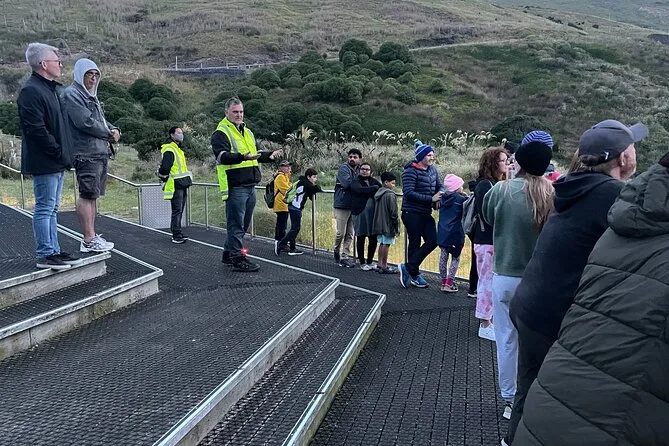
We were already halfway down the gravel path when someone behind me whispered, “There!” and our guide, Matt, just grinned. He’d warned us to keep our voices low — apparently penguins don’t care for loud humans. The wind off the Otago Peninsula was salty and a bit sharp, but honestly, I barely noticed once those tiny blue shapes started popping up along the rocks. It’s weird how quickly you forget about cold hands when you’re watching a blue penguin shuffle past your shoes.
Matt talked us through the Māori history of this spot — something about old pa sites and how the headland’s always been a place for arrivals. I liked that. He pointed out a few seals sprawled like old coats on the sand below, and I tried (and failed) to spot an albatross overhead. The main keyword here is “blue penguin viewing,” but it’s not just ticking off a wildlife list; it felt more like joining in on some quiet ritual as they came back from sea, one after another, sometimes in little groups that looked almost organized.
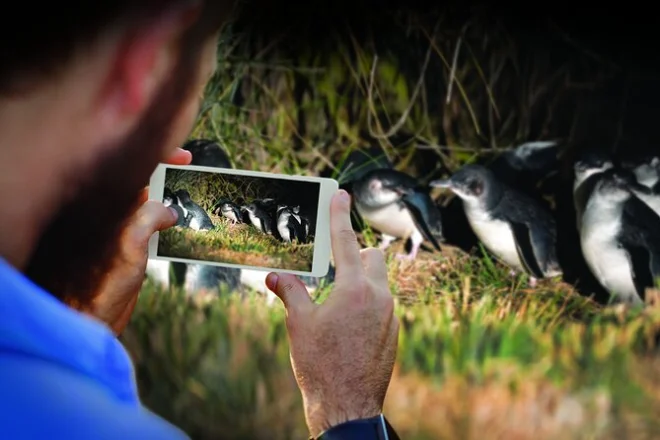
I didn’t expect to get so close — you’re just a few meters away on these open platforms, and yeah, photography’s allowed (no flash). There was this moment where one penguin paused right in front of us and shook itself off, spraying tiny droplets everywhere. Someone next to me laughed quietly; it was contagious. Even in winter with fewer birds around (we saw maybe 30?), it didn’t feel lacking at all. The light goes kind of blue-grey as dusk settles in — hard to describe but I still think about that view sometimes.
If you’re thinking about booking this evening penguin tour from Dunedin, just bring a rain jacket instead of an umbrella (umbrellas are banned — apparently they freak out the birds). It’s a short walk with some steps but nothing too tough if you’re steady on your feet. The reserve staff are mostly conservation folks who really know their stuff; you can tell they care more about the birds than putting on any kind of show. So yeah, not flashy — but real.
1h 30m

Step-by-step itinerary
Day 1 — Evening blue penguin viewing tour
- Introduction to Māori history
- Watch blue penguins arrive at dusk
- Observe penguins from open platform
- Take photos without flash

Top questions

How many blue penguins can I see on this tour?
Depending on the season, you may see between 10 and 200 blue penguins returning from sea each evening.
Is transportation included in this Dunedin evening penguin tour?
No transport is included; you need your own car to reach the reserve for this option.
Can I take photos during the blue penguin viewing?
Yes, photography is allowed but no flash is permitted to protect the penguins.
What should I bring for weather protection?
Bring a rain jacket instead of an umbrella—umbrellas aren’t allowed at the reserve.
Are there many steps or difficult walking sections?
The walk is about 300 meters with over 60 built-in steps along gravel paths and boardwalks; guests must be able to walk unaided.
Will I learn about Māori history during this tour?
Yes, guides share stories about the Māori significance of the headland before penguin viewing begins.
Is lunch or dinner included with this tour?
No meals are included; only entry fees and guided access are provided.
Are refunds available if no or few penguins appear?
If fewer than five penguins are seen, Viator bookings receive a 30% refund; direct bookings may offer more.

What’s included
Your evening includes entry fees for guided access to New Zealand’s largest blue penguin colony on Otago Peninsula near Dunedin. Conservation experts lead small groups along boardwalks for up-close viewing at dusk (with photography allowed—just no flash). You’ll also hear stories about local Māori history at this significant site before heading back under the night sky.
 Super deal
  Free booking, free cancellation.
  Don't lose your place.


 Do you need help planning your next activity?
  +507 6792-0894


