

 +507 6792-0894


Kathmandu Valley: UNESCO 7 World Heritage Sites Day Tour






Summary
Spin prayer wheels, watch rituals and taste history in Kathmandu
You’ll trace centuries of history across Kathmandu Valley’s UNESCO World Heritage Sites — spinning prayer wheels at Swayambhunath, tasting local curd in Bhaktapur, pausing for reflection at Pashupatinath’s riverside rituals, and ending beneath Boudhanath’s fluttering prayer flags as dusk settles over the city.

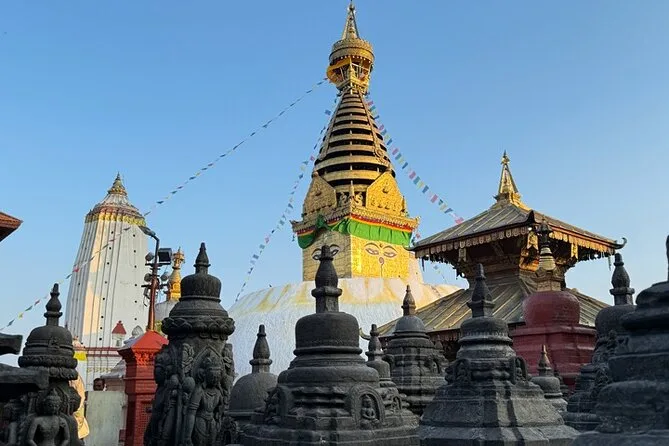
The first thing I noticed was the clang of a bell somewhere above the city — not loud, but it lingered as we climbed those endless steps to Swayambhunath. Our guide, Rajan, pointed out monkeys darting between shrines (one tried to steal a snack from a kid’s hand — he just laughed). The air up there smelled like incense and dust, and honestly, I was already sweating before breakfast. But that view over Kathmandu? It’s still stuck in my head. We spun the prayer wheels together and Rajan explained how Buddhists and Hindus both come here — I hadn’t realized how much these worlds overlap in Nepal.
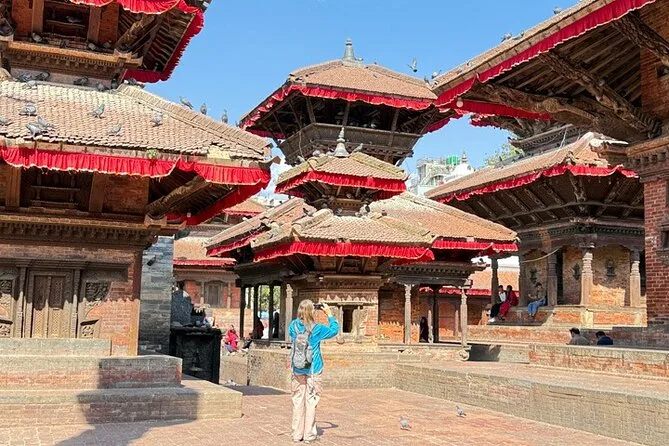
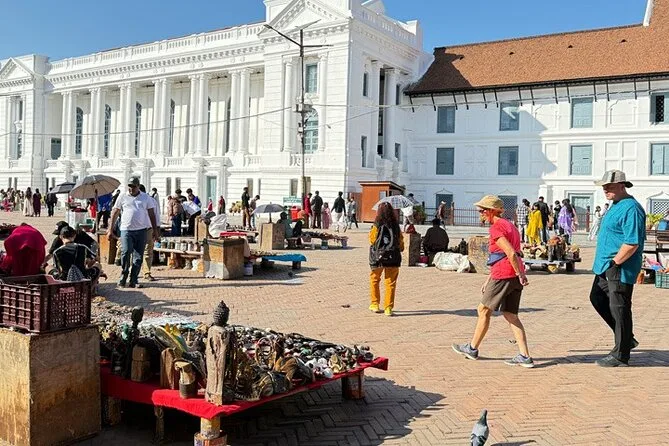
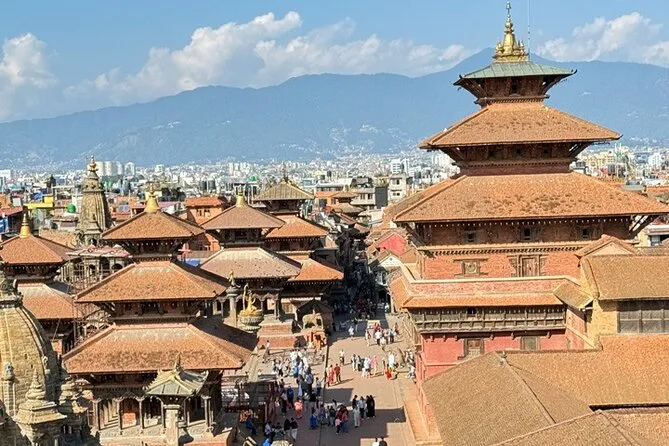
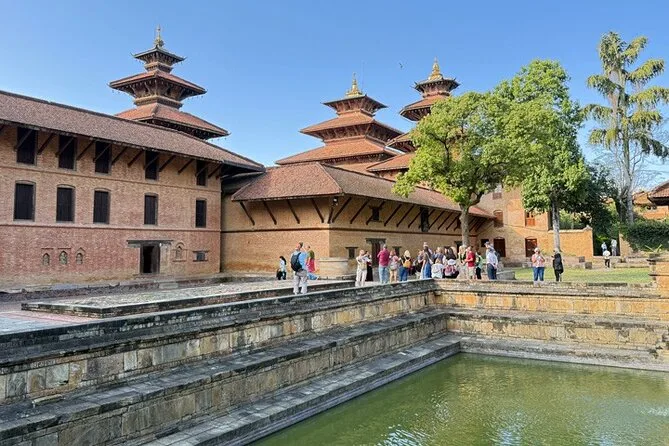
We zigzagged through the city by car — it felt like time travel jumping from one UNESCO site to another. In Kathmandu Durbar Square, there were construction sounds everywhere, but also flashes of color: women selling marigold garlands, a group of boys playing near the Kal Bhairav statue. Rajan led us quietly past Kumari Ghar; he whispered about the living goddess tradition as if not to disturb something sacred. Patan Durbar Square was calmer somehow, red brick underfoot and pigeons everywhere. The Golden Temple glowed even on a cloudy day. I tried to remember the names of all those courtyards but gave up after two.
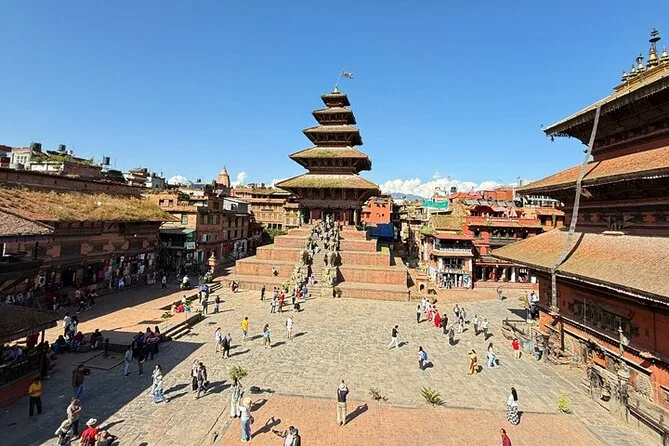
Bhaktapur felt different — older maybe? Or just slower. We wandered past carved wooden windows (fifty-five of them, apparently) and up to Nyatapola Temple where a woman offered us curd in little clay pots. It tasted cool and slightly sour; Rajan said it’s called ‘juju dhau’ but I’m sure I mispronounced it. Changu Narayan was quieter than the rest, tucked away with champak trees all around and carvings that looked almost alive if you stared long enough.
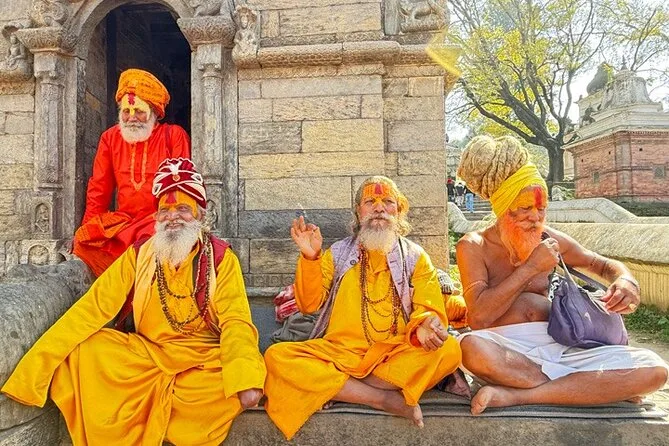
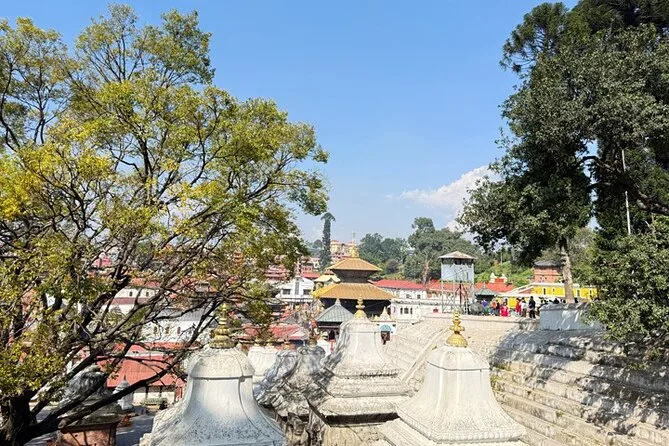
Pashupatinath hit me hard — smoke rising by the riverbank where families gathered for cremation rituals. It felt intrusive at first but Rajan just nodded gently and let us stand back in silence for a while. Then Boudhanath: prayer flags whipping in the wind, monks circling clockwise with their malas clicking softly. We ended there as dusk crept in; incense thick in the air and someone chanting nearby. I didn’t expect to feel so much in one day — or to be this tired (in a good way). If you only have one day trip in Kathmandu Valley, this is probably it.
 12h
12h

Step-by-step itinerary
Day 1 — Visit all seven UNESCO sites in Kathmandu
- Climb 365 stairs at Swayambhunath Stupa
- Spin prayer wheels and see Hindu temples
- View three large golden Buddha statues
- Explore Kathmandu Durbar Square landmarks
- Visit Kumari Chowk and living goddess home
- Tour Patan Durbar Square courtyards
- See Krishna Temple and Shankar Narayan Temple
- Visit Patan Museum at Keshav Narayan Chowk
- Explore Golden Temple (Hiranya Varna Mahavihar)
- Discover Bhaktapur City and Durbar Square
- Climb Nyatapola Temple steps
- Visit Dattatreya Temple in Bhaktapur
- See Palace of Fifty-Five Windows
- Walk around Siddha Pokhari pond
- Tour Changu Narayan Temple and surroundings
- Visit Boudhanath Stupa and surrounding gompas
- Explore Pashupatinath Temple complex

Top questions

How long does the UNESCO Seven World Heritage tour take?
The tour lasts about 12 hours but can be shortened on request.
Is hotel pickup included for this Kathmandu Valley tour?
Yes, hotel pickup and drop-off are included.
Are entry fees to all seven sites covered?
Yes, entry fees for all seven UNESCO sites are included.
What is the main mode of transport between heritage sites?
A private vehicle is used for fast travel between locations.
Is lunch provided during the tour?
No lunch is mentioned as included; you may want to bring snacks or buy food along the way.
Are infants or children allowed on this day trip?
Infants and small children can join; prams or strollers are allowed.
Is this tour suitable for travelers with limited mobility?
The tour involves stairs and walking; it's not recommended for those with poor cardiovascular health.
Who leads the UNESCO World Heritage Sites tour?
An English-speaking local guide accompanies you throughout the day.

What’s included
Your day includes hotel pickup and drop-off by private car, all required entry fees at each of Kathmandu Valley’s seven UNESCO World Heritage Sites, plus guiding throughout by an English-speaking local who knows every shortcut (and snack stop) along the way.
 Super deal
  Free booking, free cancellation.
  Don't lose your place.


 Do you need help planning your next activity?
  +507 6792-0894


