

 +507 6792-0894


Annapurna Circuit Trek 10 Days: Route, Highlights & Local Life


Summary
10-Day Annapurna Circuit: Trekking Nepal’s Iconic Trail
You’ll trek through forests, cross wild rivers on hanging bridges, meet locals who still live by old Tibetan customs, climb high passes with epic mountain views, visit sacred temples—and finish off relaxing by Pokhara’s lakefront cafés. If you want real adventure mixed with culture (and don’t mind sore legs), this trek delivers every step of the way.

The morning we left Kathmandu was chilly—one of those crisp starts where you can see your breath as you wait for the bus. Our guide showed up right on time, grinning and already sipping his first cup of sweet Nepali tea. The drive to Besisahar took most of the day. Somewhere after Mugling, we stopped at a roadside stall for spicy momos and watched clouds drift over distant hills. By late afternoon, Besisahar came into view—a jumble of guesthouses and shops with the first hint of snow peaks in the distance.
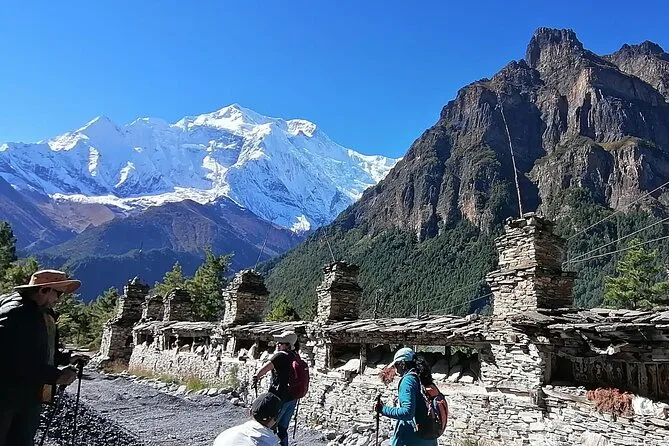
The next day’s ride to Chame wound through pine forests and along rivers that never seemed to stop rushing. Chame itself felt like a frontier town—wooden lodges, prayer flags everywhere, and two small hot springs just outside town where locals soak their feet after long days. Our guide pointed out how many people here trace their roots back to Tibet; you can see it in the faces and the way houses are built with stacked stones and carved windows.
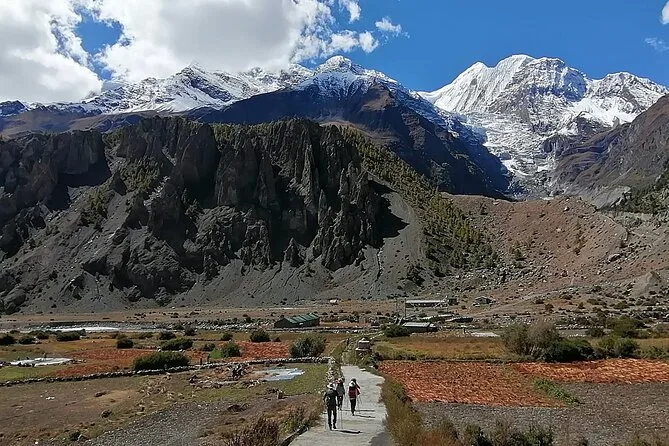
Trekking from Chame to Pisang meant crossing swaying bridges high above blue water. The air got thinner, cooler. At one point, we paused near Paungda Danda—a massive curved rock face that looks almost unreal against the sky. Pisang sits scattered across a hillside; kids played marbles outside a tiny shop selling yak cheese and instant noodles.
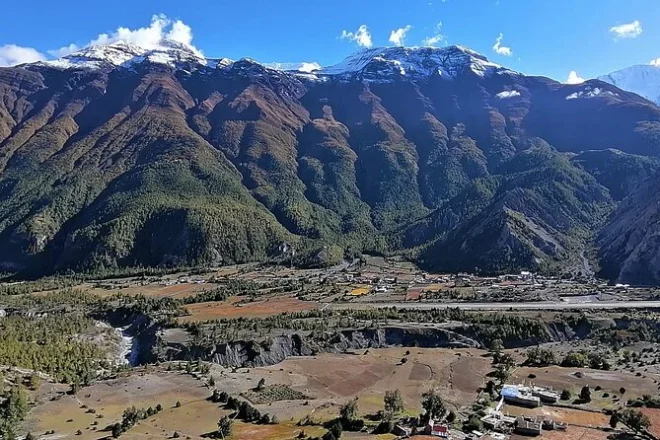
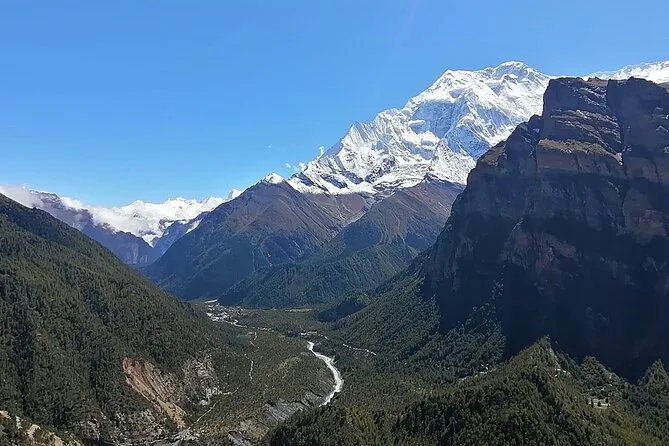
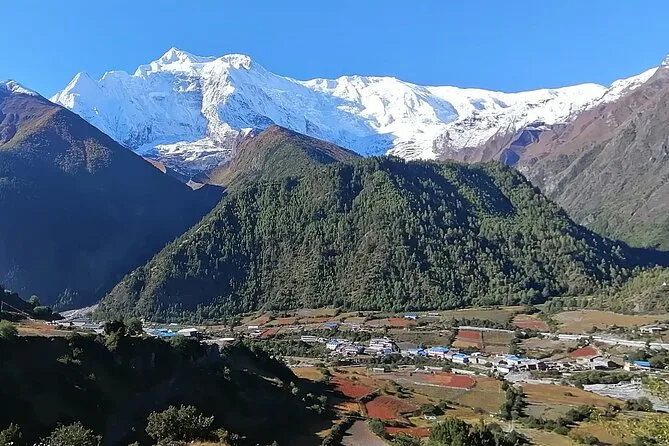
Walking towards Manang was all about pine scents and mountain views—Gangapurna, Annapurna II & III, Tilicho Peak… they’re so close it feels like you could reach out and touch them. We crossed the Marshyangdi River just as the sun dipped behind the ridge; by then my legs were jelly but Manang’s warm guesthouse beds made up for it.
We spent a day acclimatizing in Manang—no rush. Locals invited us for salty butter tea (an acquired taste) and we wandered down to Gangapurna Lake where prayer flags fluttered in the wind. It’s quiet here except for dogs barking or an occasional bell from a yak passing by.
The climb up to Letdar was slow going but worth every step—the valley opens up wide, yaks graze near Gunsang village, and you can feel the altitude in your lungs. By Ledar, everyone’s moving slower but spirits are high; there’s always someone sharing dried fruit or stories from past treks.
The trail to Thorong Phedi is narrow—sometimes just loose gravel hugging steep slopes above the Jorsang Khola river. We kept our heads down against sudden gusts of wind until finally reaching Thorong Phedi—a cluster of lodges tucked under towering cliffs. Early night here; tomorrow would be tough.
Crossing Thorong La Pass (5,416m) started before sunrise with headlamps bobbing in a line ahead of us. The cold bites hard at this height but reaching the top is pure relief—prayer flags snap in icy wind and you get this wild view over Dhaulagiri range before dropping down rocky switchbacks toward Muktinath. That evening we visited Muktinath Temple—a place sacred to both Hindus and Buddhists—with pilgrims lighting lamps as dusk settled over Mustang’s dry hills.
The descent to Jomsom felt almost easy compared to what came before—passing through Jharkot and Khingar villages where stone houses huddle together against the wind. The Kali Gandaki Valley is wide open here; dust swirls around your boots while Nilgiri peak looms above Jomsom town.
Last morning: breakfast with strong coffee before catching a tiny plane back to Pokhara. The flight skims right over deep gorges—you’ll want a window seat if you can get it! Pokhara’s lakeside cafés felt like another world after days on dusty trails; we celebrated with fresh momo dumplings by Fewa Lake as boats drifted past in golden light.
 10d
10d

Step-by-step itinerary
Day 1 — Drive to Besisahar
- Drive from Kathmandu to Besisahar
Day 2 — Drive to Chame
- Drive to Chame via Tyanja and Kopar
Day 3 — Trek to Pisang
- Trek through forest and cross bridges to Pisang
Day 4 — Trek to Manang
- Walk past pine forests to Manang
Day 5 — Explore Manang Village
- Explore Manang village and visit Gangapurna Lake
Day 6 — Trek to Letdar
- Trek from Manang to Letdar via Gunsang and Yak-Kharka
Day 7 — Trek to Thorong Phedi
- Trek along Jorsang Khola to Thorong Phedi
Day 8 — Trek to Muktinath
- Hike over Thorong La Pass to Muktinath
- Visit Muktinath temple
Day 9 — Trek to Jomsom
- Descend Kali Gandaki Valley to Jomsom
Day 10 — Flight to Pokhara and Free Time
- Flight from Jomsom to Pokhara
- Free time in Pokhara including Fewa Lake boating

Top questions

How difficult is this Annapurna Circuit trek?
This route needs moderate fitness—you’ll walk 5–9 hours daily at altitude (up to 5,416m). Some paths are steep or rocky but guides help pace things safely.
What kind of accommodation should I expect?
You’ll stay mostly in local mountain lodges or guesthouses—simple rooms with basic comforts (warm blankets!). In Pokhara: a comfortable 3-star hotel awaits at journey’s end.
Is food provided during trekking days?
Main meals aren’t included but every lodge offers Nepali staples like dal bhat (rice & lentils), noodles or momos—and plenty of hot tea or coffee each day!
Are flights included?
Your domestic flight from Jomsom back to Pokhara is covered—it’s quick (about 30 minutes) but offers amazing aerial views if skies are clear!

What’s included
Your trip covers private transport between main stops plus your scenic flight from Jomsom to Pokhara. Guides and porters are included (one porter per two trekkers), along with sleeping bags if needed—and there’s always fresh tea or coffee waiting at rest stops along the way!
 Super deal
  Free booking, free cancellation.
  Don't lose your place.


 Do you need help planning your next activity?
  +507 6792-0894


