

 +507 6792-0894


Walvis Bay & Swakopmund Township Tour with Local Guide














Summary
Experience Mondesa Township Culture & Woermannhaus History
If you want to see Swakopmund beyond its beaches and shops, this township tour lets you meet real people, try local food, and hear stories you won’t find in any guidebook.

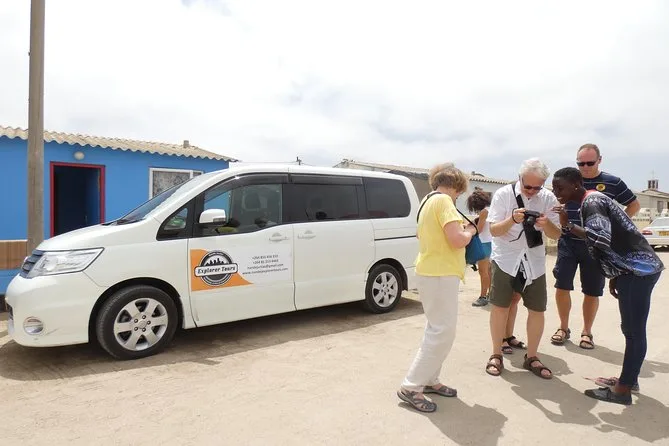
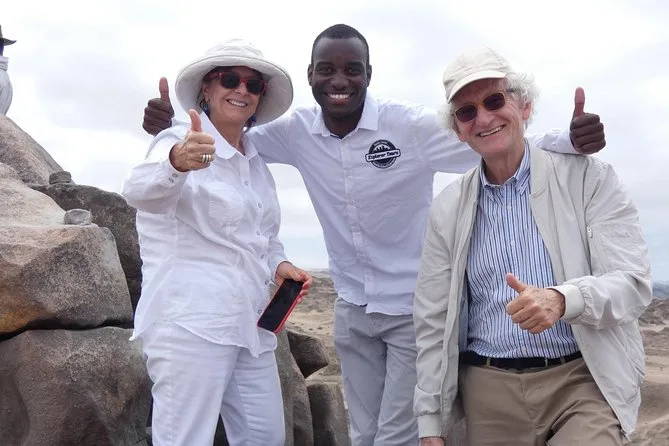
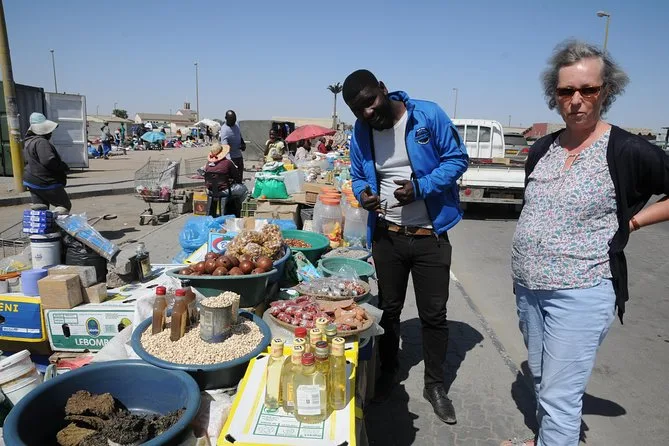
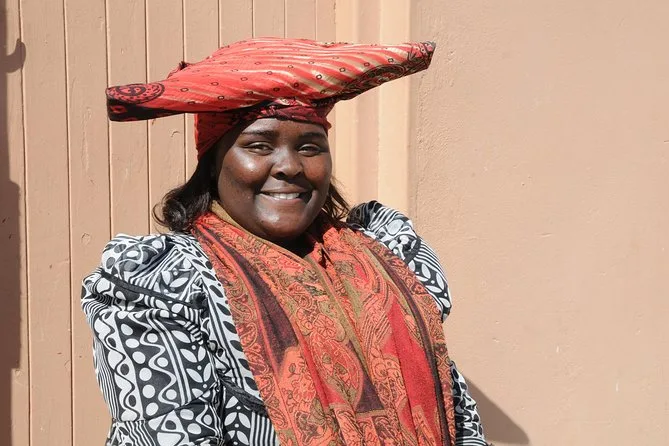
Right after our guide picked us up in Swakopmund, we rolled into Mondesa just as the morning air still carried that salty breeze from the Atlantic. The streets were already alive—kids darting between houses, music drifting from a nearby shebeen, and someone grilling kapana on the corner. Our guide, Joseph, grew up here and seemed to know every face we passed. He started off with stories about how Mondesa grew over the years, pointing out murals and sharing what each symbol meant to the community.
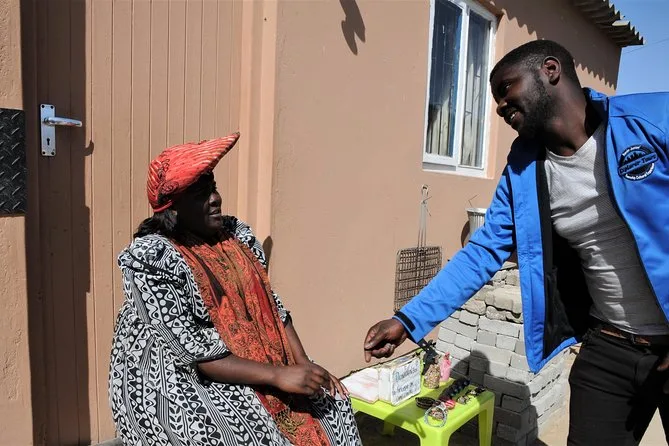
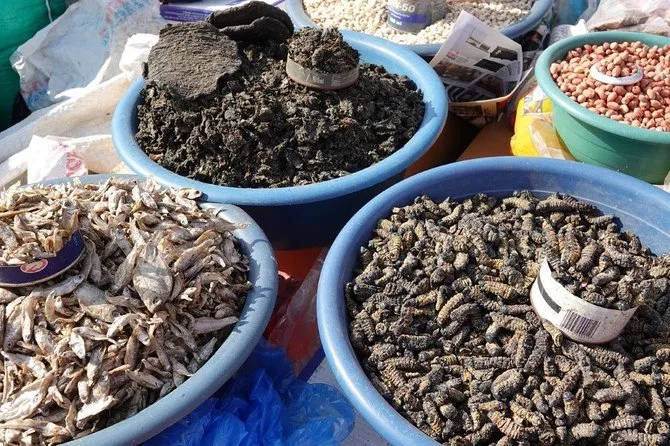
We stopped by a family home where we tried oshikundu—a slightly sour homemade drink—and sampled mahangu porridge. I’ll admit, I was nervous about the flavors at first, but Joseph’s aunt laughed and told me to just take a small bite. It was warm and earthy, nothing like anything I’d had before. The Damara click language lesson was next; I couldn’t quite get my tongue around it, but everyone had a good laugh at my attempts. There’s something about learning directly from people who live here—it sticks with you.
Later on, we visited the DRC kindergarten. The kids were outside playing soccer with a ball patched together from old plastic bags—didn’t slow them down one bit. Their energy was contagious; a few of us joined in for a quick game before heading to Woermannhaus. Standing under its old tower (locals call it Damara Tower), you can almost picture folks scanning for ships or ox wagons way back when. Joseph filled us in on how this place changed hands—from Damara and Namaqua Trading Company to Woermann Brock & Co.—and why it still matters today.
The tour wrapped up with a choir performance back in Mondesa. Their voices echoed down the street—raw and real—and for a moment everyone just listened. It wasn’t polished or staged; it felt like being welcomed into someone’s living room. By the end of those three hours (honestly felt longer in the best way), I left with more than just photos—I left knowing a bit more about Swakopmund’s heart.
 4h
4h

Step-by-step itinerary
Day 1 — Visit Woermannhaus Historical Site
- See Damara Tower and trading company history

Top questions

Is this tour suitable if I have limited mobility?
Yes, it’s wheelchair accessible and involves only about five minutes of walking at a time.
Can I choose between biking or driving?
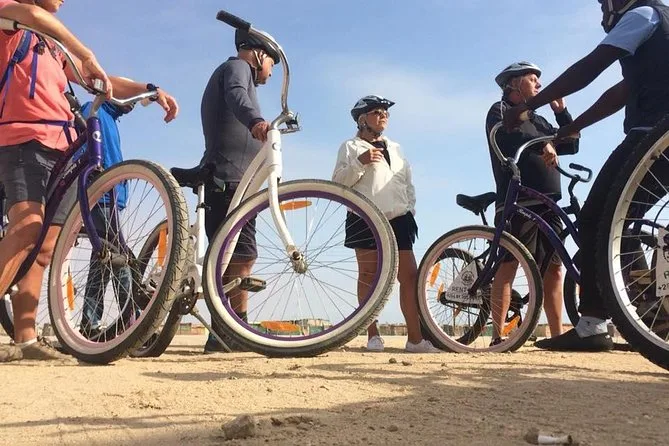
Absolutely—you can pick either a bicycle or car for getting around during the tour.
What kind of food will we try?
You’ll get to sample traditional Oshiwambo dishes like mahangu porridge and oshikundu drink at a local family home.
How long does the tour last?
The experience usually takes about three hours but can run longer depending on group interest and questions.

What’s included
Your spot includes pickup in Swakopmund, all guiding by locals who know these streets inside out, buffet lunch with traditional foods, and your choice of bike or car for getting around.
 Super deal
  Free booking, free cancellation.
  Don't lose your place.


 Do you need help planning your next activity?
  +507 6792-0894


