

 +507 6792-0894


Private Roman Ruins & Meknes Day Tour from Fez



Summary
Guided Volubilis and Meknes Excursion with Local Insights
You’ll travel from Fez in comfort, discovering Morocco’s Roman ruins at Volubilis, sacred Moulay Driss Zerhoun, and imperial Meknes—all with a local guide who brings each stop to life.

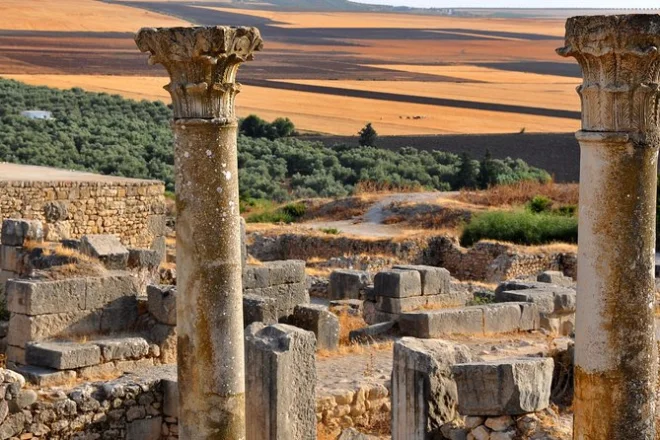
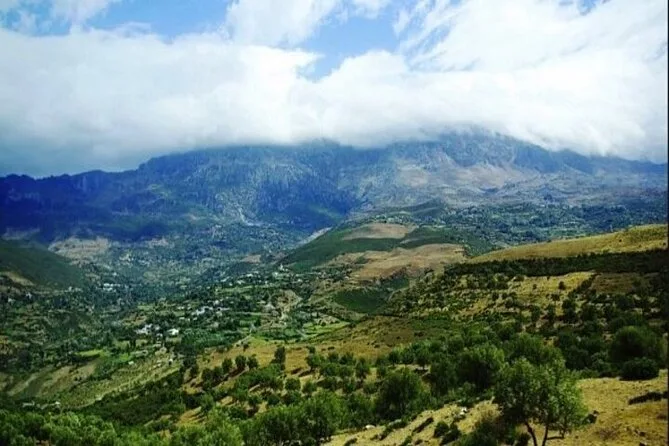
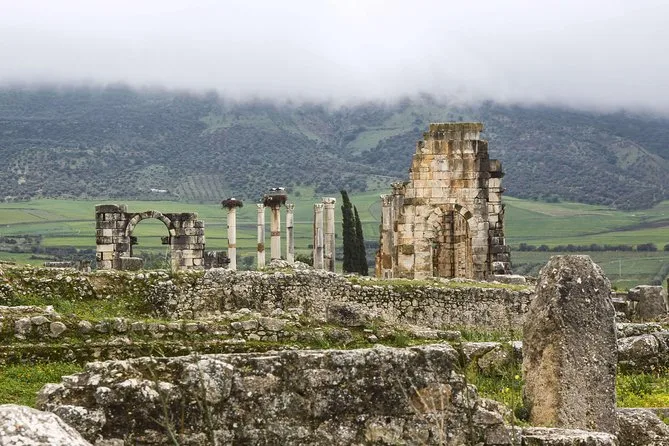
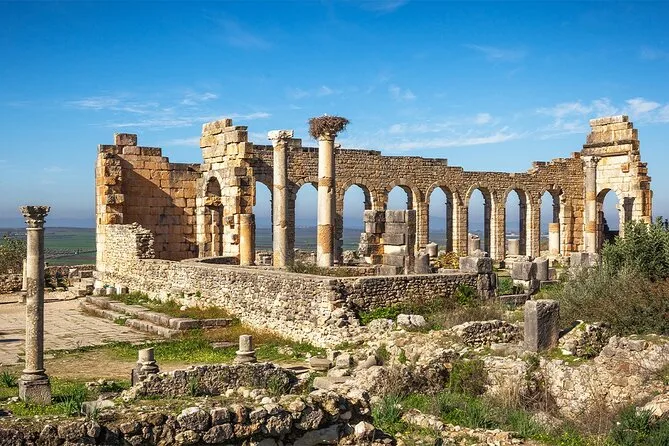
We left Fez just after breakfast, the city still shaking off its morning chill. Our driver, Youssef, greeted us with a smile and a bottle of cold water—small thing, but it felt thoughtful. As we wound out of the city, the landscape shifted fast: olive groves, distant hills, and the odd stork perched on a rooftop. The air smelled faintly of wild herbs and damp earth after last night’s rain. We passed the Chahed dam, its surface glassy and still, before the first glimpse of Volubilis appeared—columns rising out of the green like something out of a dream.
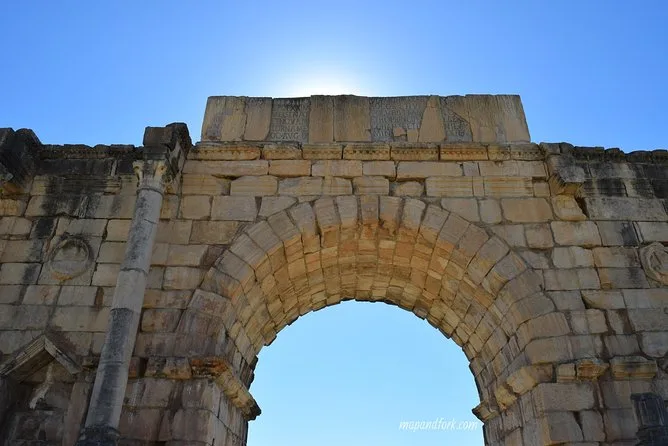
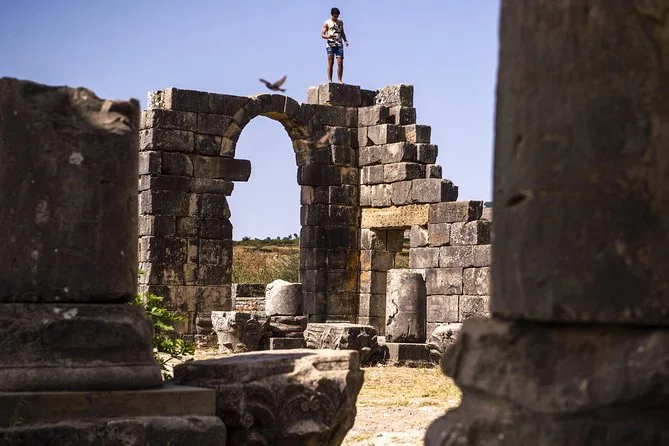
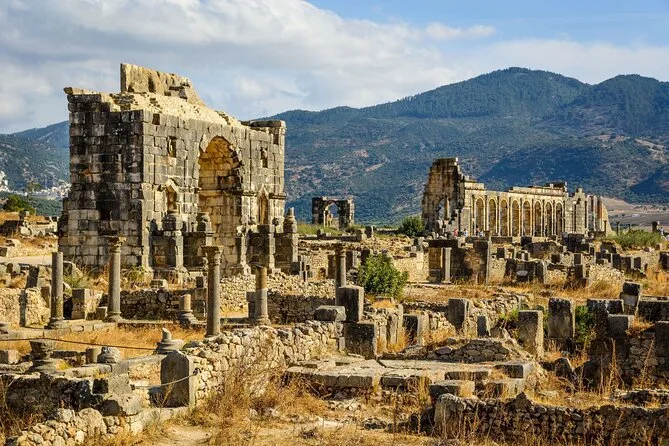
Walking through Volubilis with our guide was like flipping through the pages of a history book, except you could run your hands over the mosaic floors and feel the sun warming the ancient stones. He pointed out the Arch of Caracalla and explained how the Romans built their city here for its fertile land. I could hear birds calling from the olive trees and, for a moment, it was easy to imagine life bustling around the forum centuries ago. The site wasn’t crowded—just a handful of other visitors and a local farmer leading his donkey along the edge of the ruins.
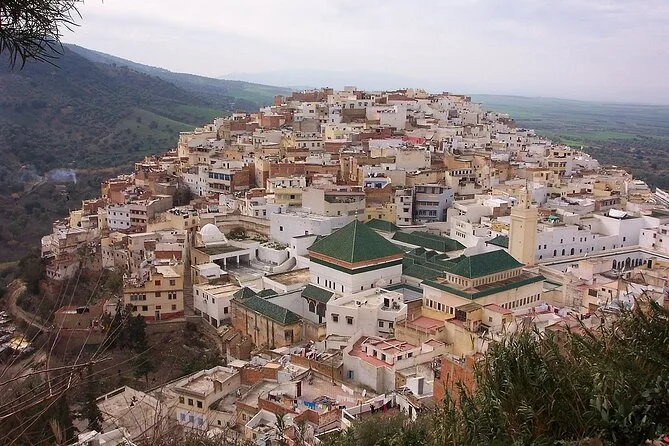
Next up was Moulay Driss Zerhoun, perched on two hills. The whitewashed houses seemed to tumble down the slopes, and there was this faint scent of baking bread as we wandered the narrow streets. Our guide shared stories about Idriss I and why this town is so important to Moroccans. We stopped for mint tea at a tiny café overlooking the valley—honestly, one of those moments you want to bottle up.
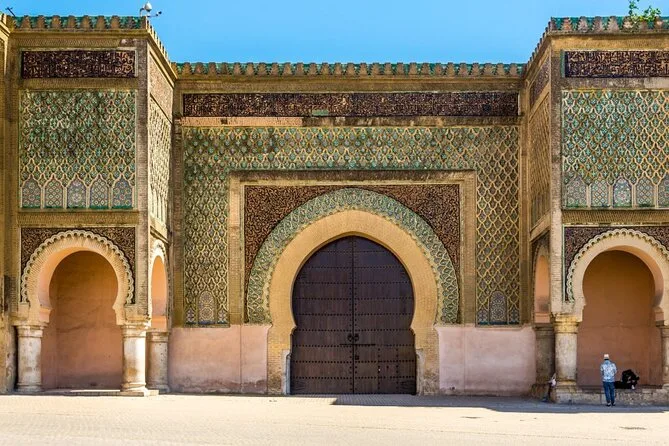
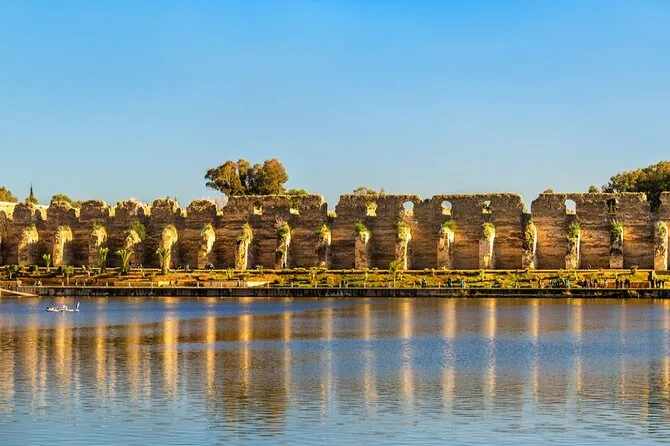
By lunchtime, we’d reached Meknes. The city felt different: grander, more lived-in. Bab Mansour’s gate was even more impressive up close than in photos—huge wooden doors studded with metalwork, mosaics catching the sunlight. We ducked into El Heri es-Souani, where you could still smell the cool dampness of old stone granaries. Lunch was simple but perfect: tagine and fresh bread at a spot our guide recommended near the medina. On the drive back to Fez, I watched the countryside slip by and realized how much history we’d packed into just one day.
 6h–8h
6h–8h

Step-by-step itinerary
Day 1 — Explore Volubilis, Moulay Driss, Meknes
- Visit Volubilis Roman ruins
- Explore Moulay Driss Zerhoun
- Tour Meknes city and Bab Mansour

Top questions

How long does this day trip take?
It’s a full-day experience—usually around 8 to 9 hours including travel time and stops.
Is this tour suitable for kids or older travelers?
Absolutely! The pace is relaxed, and transportation is comfortable. There are options for strollers and wheelchair access too.
Can we choose where to have lunch?
Yes, your guide can suggest local spots in Meknes or you can pick somewhere that catches your eye in the medina.
Will we have free time to explore on our own?
You’ll have some time at each stop to wander or take photos at your own pace.

What’s included
You’ll get picked up right from your hotel in Fez by a friendly driver in an air-conditioned car. Bottled water’s included, and your local guide speaks English or French—just let them know your preference. The tour’s flexible for families and accessible for everyone.
 Super deal
  Free booking, free cancellation.
  Don't lose your place.


 Do you need help planning your next activity?
  +507 6792-0894


