


4-Day Marrakech to Merzouga Desert Tour with Camel Trek



Summary
Atlas Mountains Adventure & Sahara Desert Experience
You’ll cross mountain passes, wander ancient kasbahs, ride camels into real Sahara dunes, and share music and food with locals—all in four days that feel like weeks’ worth of stories.

The first morning started early—still cool outside, the city barely awake as we left Marrakech behind. The road climbed fast into the Atlas Mountains, twisting through Tizi n’Tichka pass. We stopped for mint tea at a roadside café; you could smell fresh bread baking somewhere nearby. Our guide, Youssef, pointed out Berber villages tucked into the hills—some houses painted blue or pink, goats wandering right across the road.
By late morning, we reached Telouet and wandered through its old kasbah. The walls are faded but you can still see bits of colored tilework if you look close. Later, Ait Ben Haddou appeared like something out of a movie (turns out it actually is—Youssef rattled off a list of films shot here). Lunch was simple tagine in a tiny place overlooking the mudbrick walls. We poked around Atlas Film Studios before heading to Dades Valley for the night. The air smelled faintly of roses as we passed Skoura—locals say May is best for that.
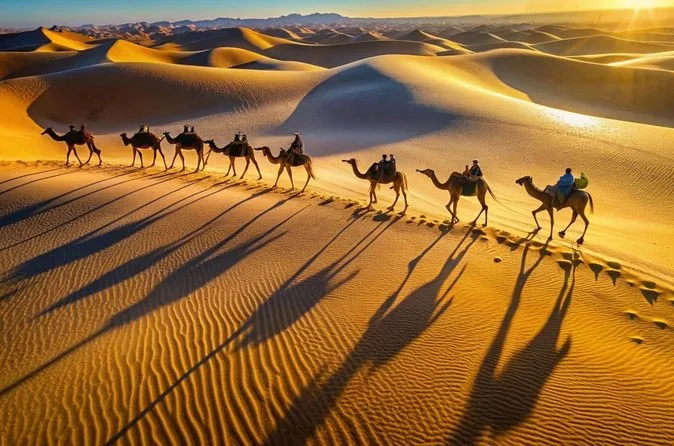
Day two meant more winding roads and quick stops for photos—Todra Gorge was narrow and echoey, with water trickling down below. Somewhere near Erfoud, date palms started popping up everywhere and the air felt warmer, drier. By afternoon we reached Merzouga. After dropping our bags at the hotel (just what we needed for one night), we met our camels. Riding into the dunes at sunset was surreal—the sand turns gold and orange and it’s so quiet except for the camels’ soft grunts. At camp, there was drumming under the stars and someone handed around sweet mint tea. I tried sandboarding but mostly just fell over laughing.
The next morning, after sunrise over the dunes (worth waking up early), we visited Khemlia village where local musicians played gnawa music—deep rhythms that kind of get under your skin. In Rissani, we wandered through a market that sells everything from spices to donkey saddles; our guide explained how this town used to be a caravan hub ages ago. Lunch was with a Touareg family—Berber pizza spiced with things I couldn’t name but tasted amazing.
The drive back followed the Draa Valley—palms everywhere—and we stopped in Agdez for tea with an older couple who’d lived there all their lives. Our last night was in Ouarzazate; I remember dipping my feet in the hotel pool just as dusk settled in.
On the final day, we took the “Thousand Kasbahs” route home, stopping at Taourirt Kasbah for one last look at those thick fortress walls before winding back over Tizi n’Tichka pass to Marrakech. It felt like coming back from another world.
 4d
4d

Step-by-step itinerary
Day 1 — Atlas Mountains and Kasbahs
- Pickup from Marrakech and drive via Tizi 'n Tichka pass
- Visit Telouet Kasbah
- Visit Ait Ben Haddou Kasbah
- Lunch at Ait Ben Haddou
- Visit Atlas Film Studios
- Drive to Skoura and Dades Valley
- Overnight in Dades hotel
Day 2 — Desert Journey to Merzouga
- Drive through Todra Gorges and Berber villages
- Arrive at Merzouga hotel and prepare for camel trek
- Camel ride across Erg Chebbi dunes
- Sandboarding and sunset at highest dunes
- Overnight in Berber nomad camp
Day 3 — Merzouga to Ouarzazate via Draa Valley
- Explore Merzouga and visit Khemlia village
- Drive to Rissani and visit local market
- Lunch with Touareg family
- Drive through Draa Nakob valley and visit Agdez
- Overnight in Ouarzazate hotel
Day 4 — Return to Marrakech via Atlas Mountains
- Visit Glaoui Kasbah Taourirt in Ouarzazate
- Drive through Amerzgane and Aglmouss villages
- Drive via Tizi 'n Tichka pass back to Marrakech

Top questions

Is this tour suitable for kids or older travelers?
Yes! The tour is designed for all fitness levels and is wheelchair accessible. There are some long drives but plenty of stops along the way.
What should I pack for the desert night?
Bring layers—it gets chilly after sunset even if days are warm. A small bag is best since you’ll leave most luggage at the hotel before heading into the dunes.
Are meals included?
Breakfasts and dinners are included at your accommodations; lunch stops are usually at local cafés or with families along the route (not always included).
Can I try sandboarding even if I’ve never done it before?
Absolutely! Most people haven’t tried it before—it’s fun whether you stand up or just slide down sitting.

What’s included
Your stay covers hotels in Dades and Ouarzazate plus a luxury desert camp in Merzouga (with real beds). Camel trek (one per person), sandboarding gear, air-conditioned transport with an English-speaking driver/guide are all included too.
 Super deal
  Free booking, free cancellation.
  Don't lose your place.


 Do you need help planning your next activity?


