


3-Day Marrakech to Merzouga Desert Tour with Camel Trek


Summary
Morocco Desert Adventure: Atlas Mountains, Kasbahs & Sahara Camp
You’ll cross mountain passes, wander ancient kasbahs, walk cool gorges, and sleep under Saharan stars—all in three days from Marrakech to Merzouga. If you want real Morocco beyond postcards, this is it.

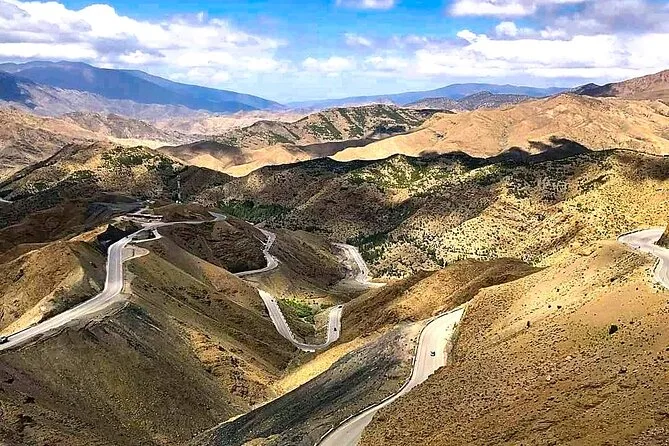
The first thing I noticed as we left Marrakech was how the air changed—cooler up in the Atlas Mountains, with that faint scent of pine and earth. Our driver, Hassan, chatted about his childhood in a Berber village as we zigzagged up Tizi-n-Tichka Pass. The road twisted so much I lost count of the switchbacks. Every now and then, we’d pass tiny roadside stalls selling fresh oranges or argan oil. At the top, you could see valleys dotted with clay houses clinging to the hillsides.
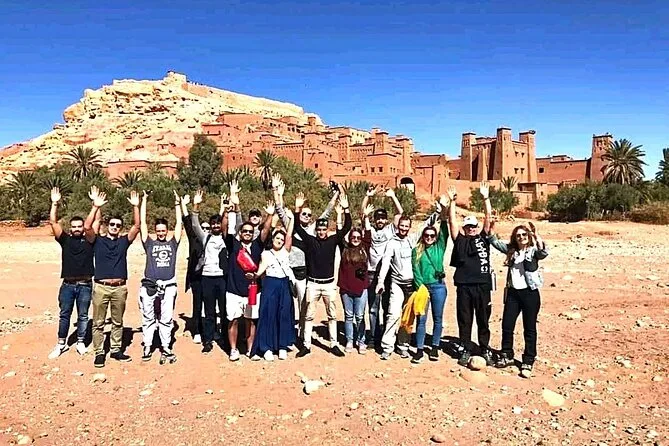
We stopped at Ait Benhaddou just before lunch. Walking through those ancient mudbrick walls felt like stepping into another world—there’s this quiet hum of daily life mixed with echoes from old movie sets (Hassan pointed out where Gladiator was filmed). The sun was sharp but not too hot; a local woman sold mint tea near the entrance, and I swear it tasted sweeter than anywhere else.
By evening, after hours winding through rocky valleys and seeing goats perched impossibly on ledges, we reached Dades Gorge. The guesthouse had thick blankets and a view over the riverbed—at night, you could hear water trickling below if you left your window open.
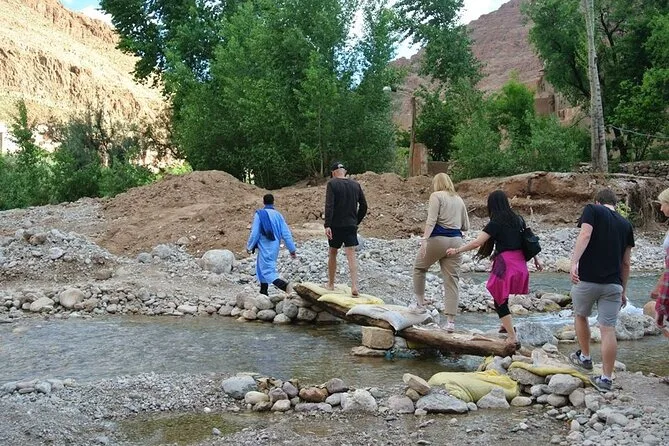
The next morning started early. Todra Gorge is something else—the walls rise straight up on both sides, cool and damp even when the rest of Morocco feels dry. We walked along the river path; kids splashed barefoot in shallow pools while an old man sold dates from a battered cart. Heading towards Merzouga after that, you start to feel the desert creeping in: palm trees thin out, sand gets everywhere (even inside my shoes), and suddenly there’s nothing but dunes ahead.
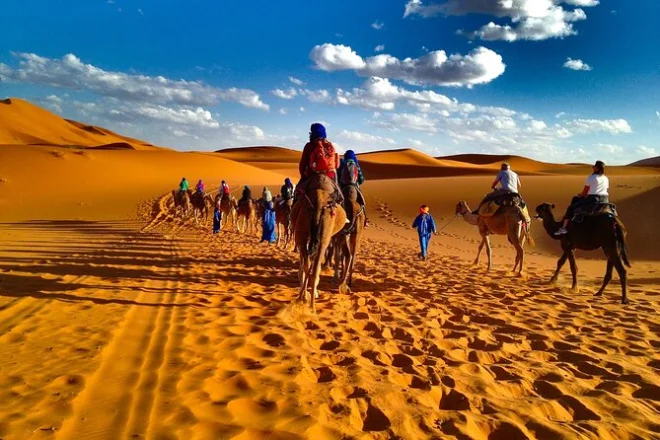
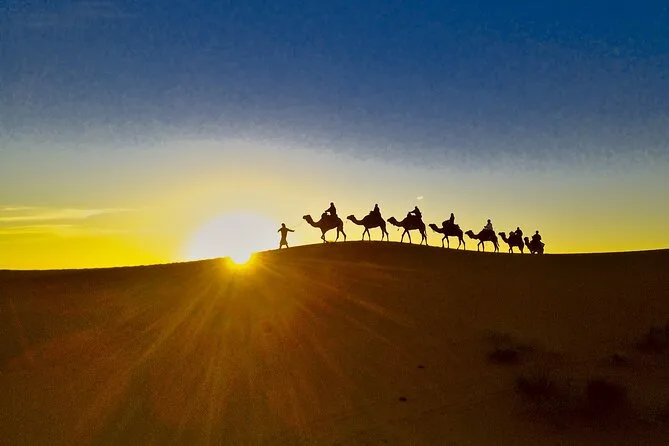
Riding camels at sunset across Erg Chebbi is hard to describe—you just have to be there. The silence is deep except for soft hoofbeats and an occasional laugh from our guide Youssef. When we reached camp, dinner was waiting: tagine under canvas lit by lanterns. Later, locals played drums by a fire while we watched stars spill across the sky—no city lights for miles.
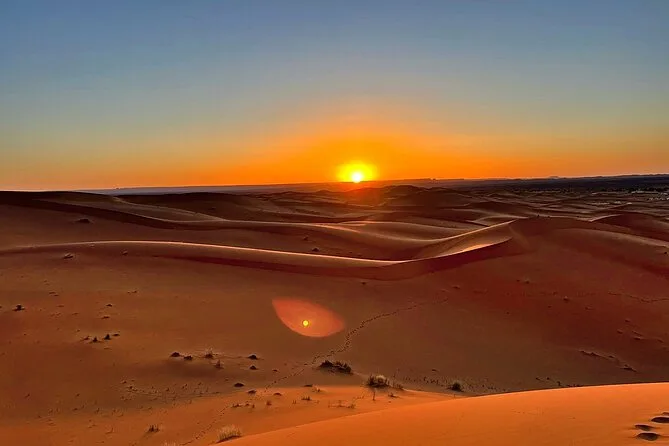
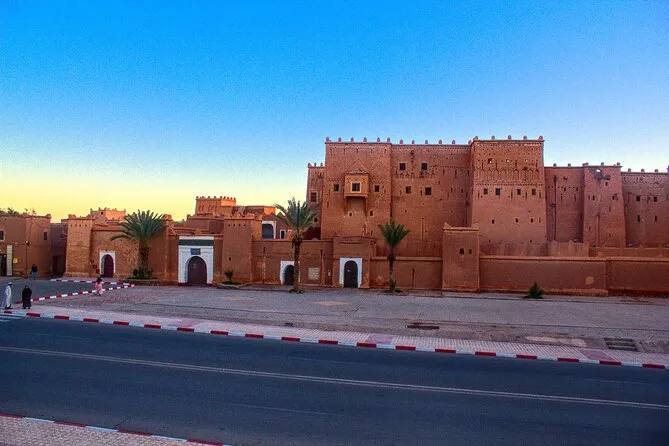
On the last day, sunrise woke us early—gold light over endless sand. After breakfast and one last camel ride back to Merzouga village (my legs were sore but happy), it was time for the long drive home. We stopped briefly at Taourirt Kasbah in Ouarzazate for photos; locals waved as we passed by. By late afternoon, Marrakech’s bustle felt like another planet compared to the quiet of the desert.
 3d
3d

Step-by-step itinerary
Day 1 — Marrakech to Dades Gorge
- Pick up from Marrakech
- Drive via Tizi-n-Tichka Pass
- Visit Ait Benhaddou Kasbah
- Drive to Dades Gorge
- Dinner at hotel in Dades
Day 2 — Dades to Merzouga Desert
- Walk in Todra Gorge
- Drive to Merzouga and camel trek
- Dinner and campfire in desert camp
Day 3 — Merzouga to Marrakech
- Morning camel trek and breakfast
- Drive back to Marrakech via Ouarzazate

Top questions

Is this tour suitable for families with kids?
Yes! The pace is relaxed and there are options for infant seats in the vehicle. Kids usually love riding camels and exploring new places along the way.
How long is each day’s drive?
The first two days average about 5-6 hours on the road with stops for sightseeing and meals. The last day is longer—around 10 hours including breaks.
What should I pack for this trip?
Bring layers—it can be chilly at night in the desert even if days are warm. Comfortable shoes are a must for walking in gorges or on sand dunes.
Are there vegetarian meal options?
Yes! Just let your guide know ahead of time; most guesthouses and camps can prepare vegetarian dishes like vegetable tagine or couscous.

What’s included
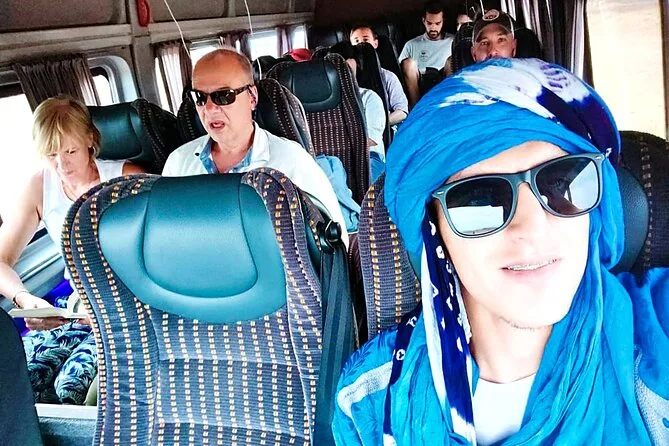
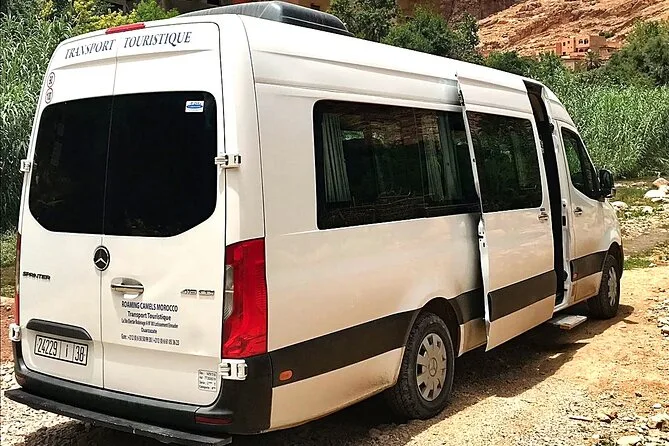
This tour covers transport in an air-conditioned vehicle, a camel ride into Erg Chebbi dunes at sunset, overnight stays (one in a guesthouse near Dades Gorge and one in a desert camp), plus breakfast and dinner each day. Guides are local—happy to share stories or answer questions along the way.
 Super deal
  Free booking, free cancellation.
  Don't lose your place.


 Do you need help planning your next activity?


