


3-Day Marrakech to Merzouga Desert Tour with Camel Ride


Summary
Atlas Mountains, Kasbahs & Sahara Adventure from Marrakech
If you want more than just snapshots of Morocco, this 3-day desert tour lets you really feel it: mountain villages, ancient kasbahs, camel rides at sunset—and nights under Saharan stars you won’t forget anytime soon.

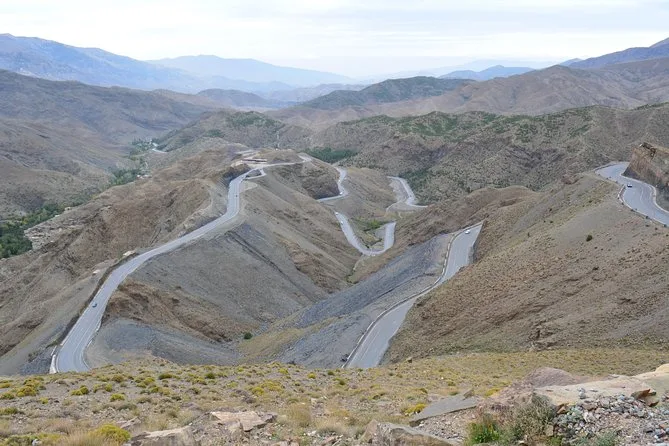
The first thing I noticed leaving Marrakech was the cool morning air—almost crisp, even in spring. Our driver threaded through the city’s early traffic and soon we were winding up into the Atlas Mountains. The landscape changed quickly: red earth, scraggly olive trees, and tiny Berber villages clinging to hillsides. Our guide, Hassan, pointed out Toubkal’s snowy peak in the distance—he said it’s the highest in North Africa. We stopped for mint tea at a roadside café; the owner’s radio played old Chaabi songs while we watched clouds drift over the valleys below.
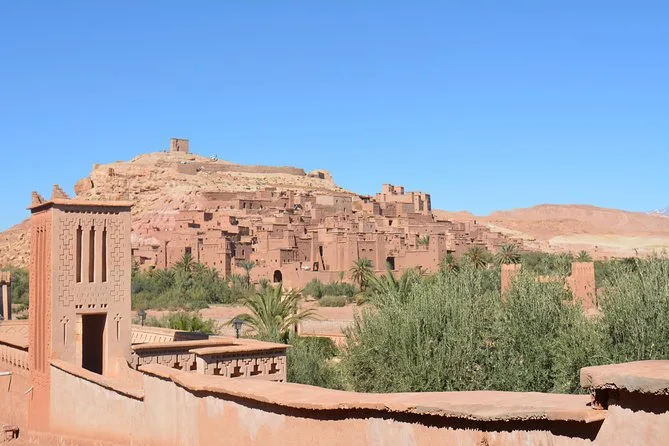
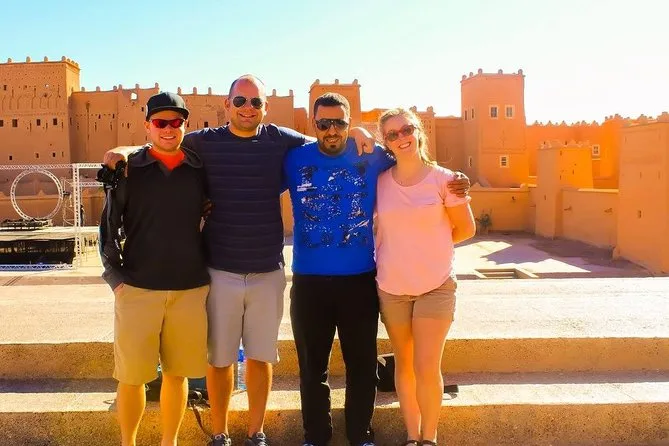
Aït Benhaddou felt like stepping into another time. Mud-brick walls glowing under the sun, narrow alleys echoing with our footsteps. Only a few families still live inside these walls now—the rest have moved across the river for easier living. Hassan explained how this ksar was once a key stop for caravans heading north from the Sahara. I could smell fresh bread baking somewhere nearby as we explored merchant houses and climbed up for a view that stretched forever. Ouarzazate came next—a bigger town with its own kasbah and a real sense of history. There’s even an old Krupp field gun outside Taourirt Kasbah; locals say it belonged to El Glaoui, who ruled here decades ago.
The road east took us through Dades Gorge—twisting cliffs and green patches where villagers grow figs and almonds. By late afternoon, shadows grew long and the air picked up that dry desert scent. We spent our first night in a small hotel tucked between rocky hills; dinner was tagine and oranges dusted with cinnamon.
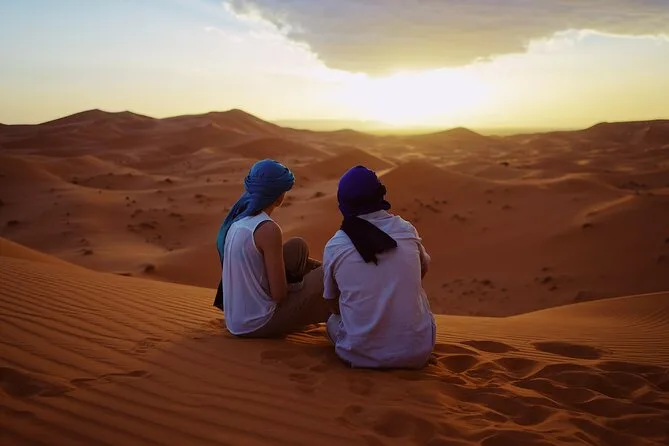
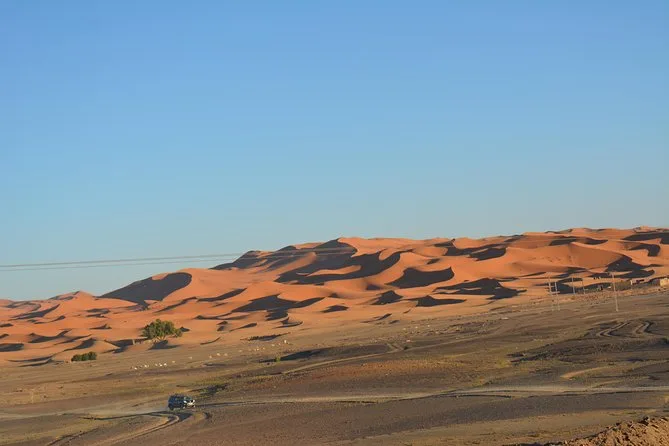
Next morning, Todgha Gorge was cool and shaded—sheer limestone walls rising above us, swallows darting overhead. Tinghir market was just waking up: stalls piled with dates, kids chasing each other around crates of oranges. Erfoud came later—a proper oasis town where you’ll see palm groves stretching out toward the horizon. The wind picked up fine sand as we neared Merzouga; suddenly those famous dunes appeared—huge waves of gold under a wide sky.
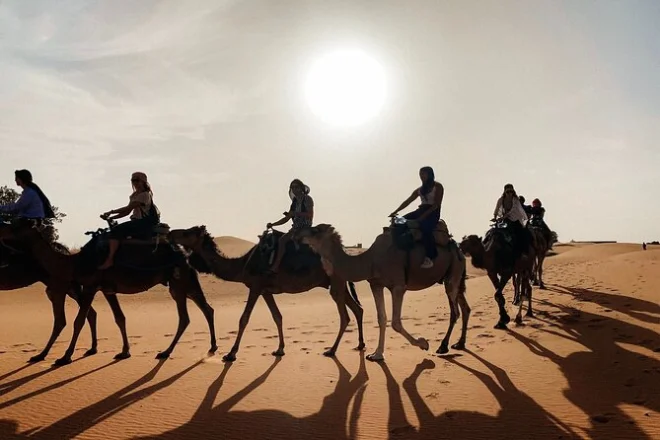
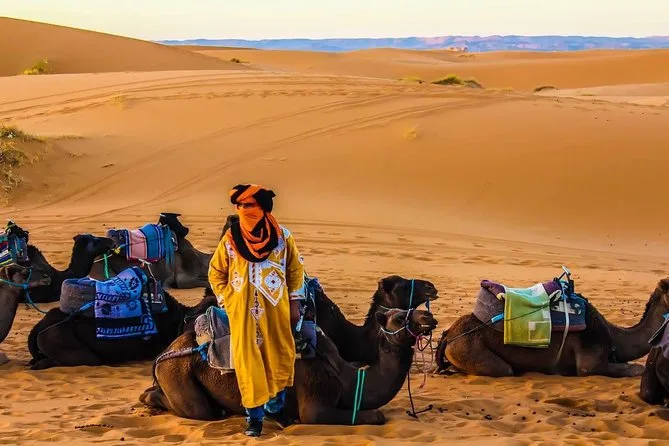
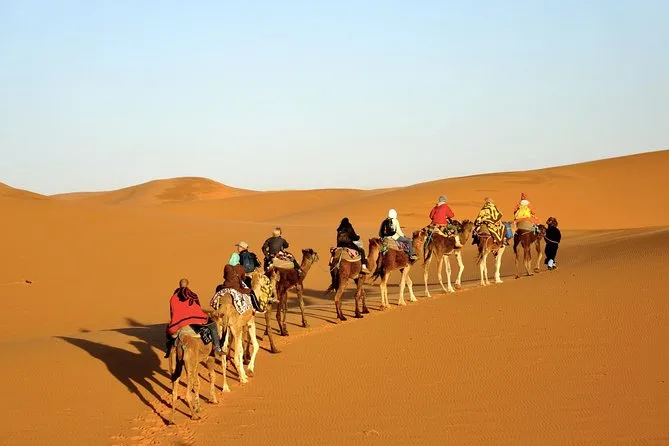
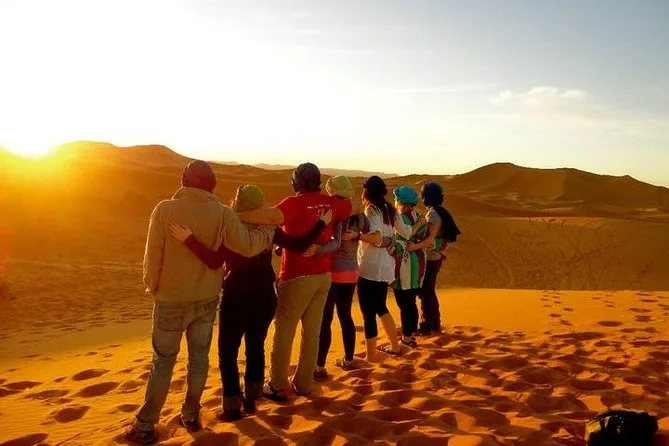
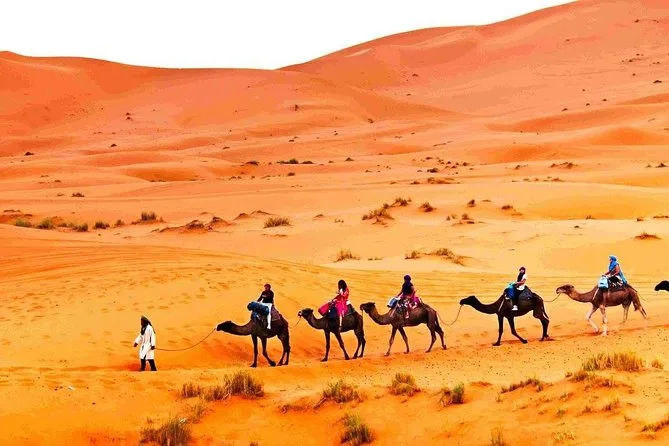
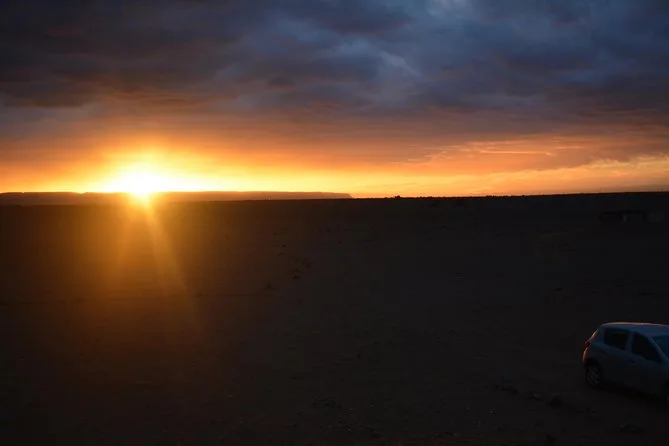
Camel rides aren’t as easy as they look! But after a few wobbly steps I got used to it, swaying gently as we crossed into Erg Chebbi at sunset. The sand felt warm underfoot when we stopped for photos (and yes, sandboarding is harder than it looks). At camp that night—real beds in big tents—we ate by lantern light while someone played drums nearby. Stars out here are something else: bright enough you don’t need a flashlight just to walk around.
On our last day, after breakfast in camp (fresh bread again—Moroccans know their carbs), we visited Rissani before heading back west toward Marrakech. It’s not a big town but there’s always something happening near the main square—donkey carts rattling by or vendors selling sweet chebakia pastries from trays balanced on their heads.
 3d
3d

Step-by-step itinerary
Day 1 — Aït Benhaddou and Atlas Mountains
- Visit Aït Benhaddou fortified village
- Explore Ouarzazate kasbah
- See Atlas Mountains
- Hike Dadès Gorges
Day 2 — Todgha Gorges and Merzouga Desert
- Visit Todgha Gorges
- Explore Erfoud oasis town
- Experience Merzouga and Erg Chebbi dunes
Day 3 — Rissani and Return to Marrakech
- Visit Rissani town near Erg Chebbi

Top questions

Is this desert tour suitable for young children?
Yes! Kids can join as long as they’re with an adult—there are infant seats available and camels are led by experienced handlers.
What kind of accommodation is included?
You’ll spend one night in a comfortable hotel near Dades Gorge and one night in a luxury tented camp right on the edge of the dunes in Merzouga.
Do I need to bring my own food or water?
No need—you’ll be well fed along the way (tagines are everywhere) and bottled water is always available during stops and at camp.
Will there be an English-speaking guide?
Absolutely! Your main guide speaks English (and often other languages too), so you won’t miss any stories or local details along the route.

What’s included
Your spot covers hotel pickup/drop-off (selected hotels), all transport in an A/C van, English-speaking guide throughout, camel ride into Erg Chebbi dunes, sandboarding if you’re game, first night’s hotel stay plus your luxury tented camp experience—including dinner under Saharan stars.
 Super deal
  Free booking, free cancellation.
  Don't lose your place.


 Do you need help planning your next activity?


