

 +507 6792-0894


Teotihuacán: Bike Tour, Murals & Cave Observatory with Lunch


Summary
Teotihuacán murals by bike, cave observatory & valley views
You’ll walk quiet corners of Teotihuacán with a local guide before cycling through its valley for new pyramid views, see ancient murals in real neighborhoods, explore a pre-Hispanic cave observatory (duck your head!), and share lunch made by locals. Expect plenty of human moments—and maybe a few surprises you’ll keep thinking about later.

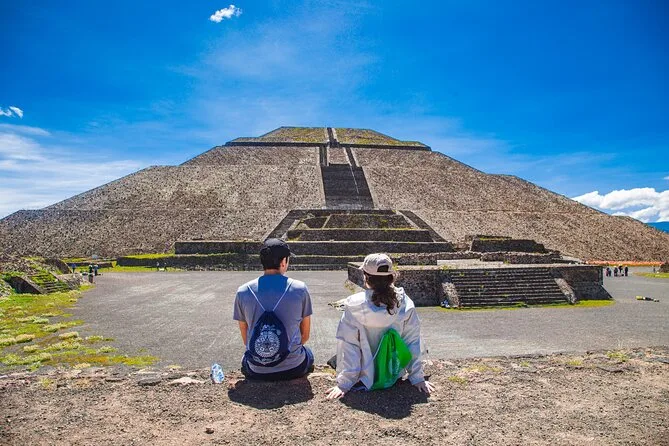
The first thing I noticed was the dust—fine, almost sweet-smelling in the morning air as we rolled our bikes out past the office. I’d just finished a quick snack (tasted like something my aunt would make) and was still trying to wake up properly when our guide, Martín, grinned and asked if we were ready to “meet the real Teotihuacán.” I didn’t really know what he meant yet. The pyramids were there, sure—huge and silent—but it was the little things that stuck with me. Like how Martín waved at every vendor or neighbor we passed. People nodded back without much fuss; you could tell they knew him.
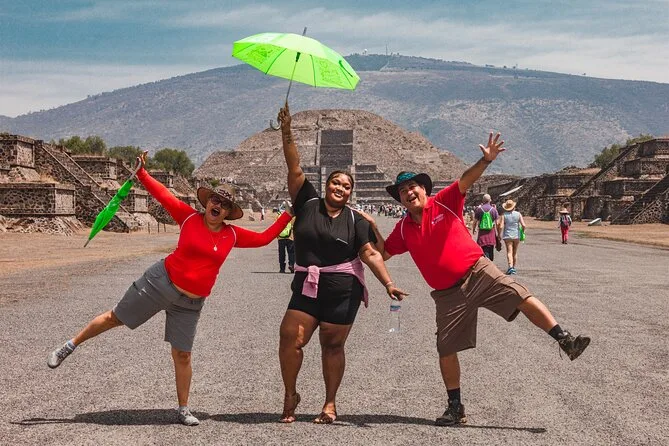
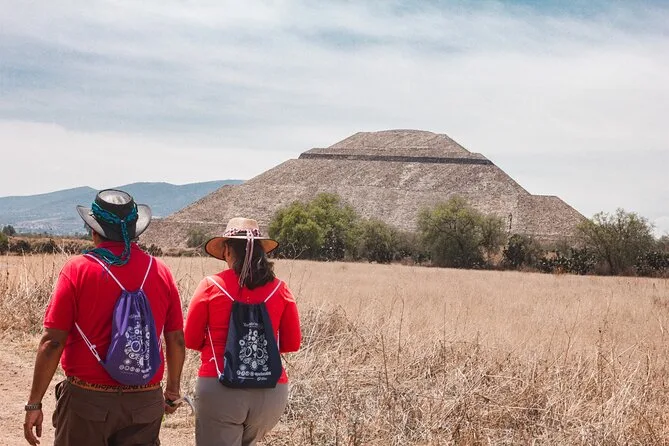
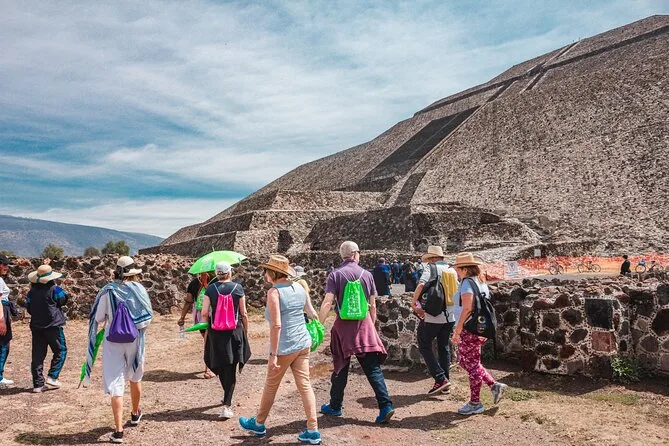
We started on foot through the northern part of the archaeological site. It’s quieter there—less of the big tour groups—and you can actually hear your own footsteps crunching on gravel. At one point Martín stopped us by some faded murals and told us about the pigments they used—he even pointed out where kids from the neighborhood had tried to copy them on their own walls. The sun came out sharp and bright right then. I remember squinting at colors that looked like they shouldn’t have survived this long. Someone in our group tried to pronounce “Quetzalpapálotl” (I won’t say who), and Martín just laughed. It broke any weird museum-seriousness we had going.
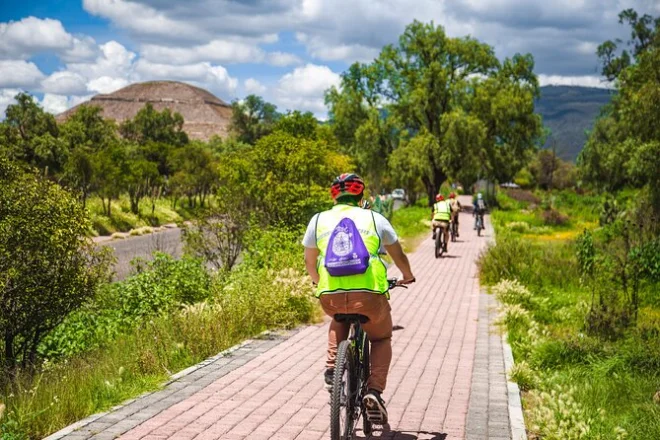
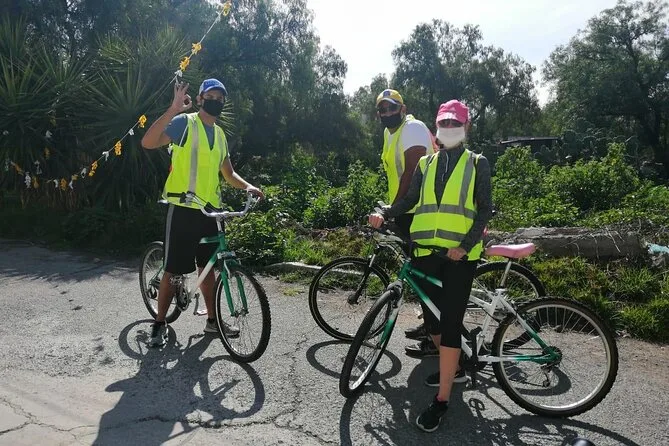
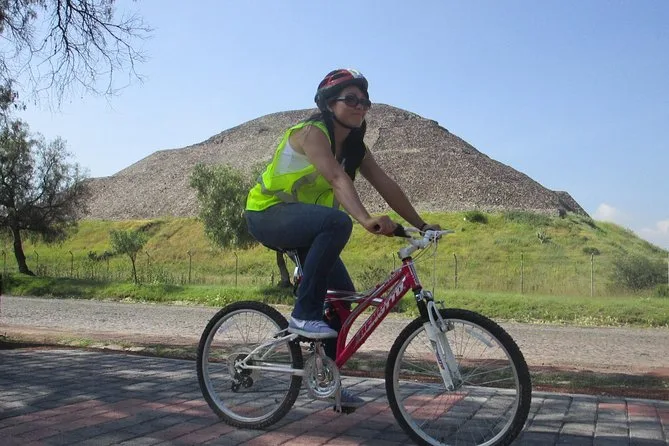
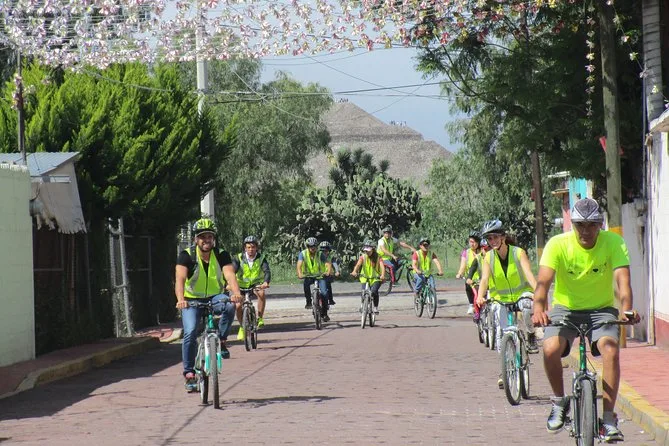
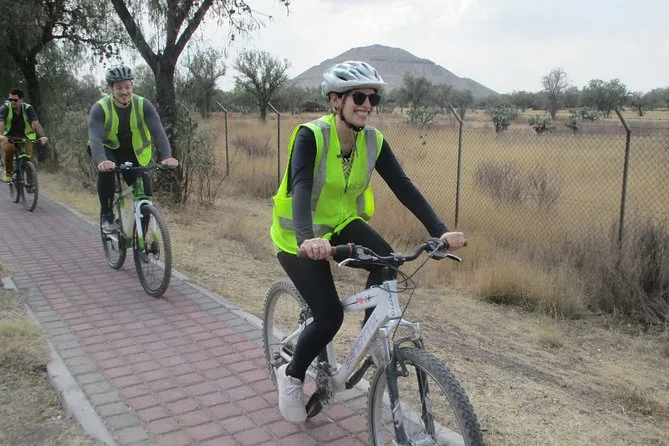
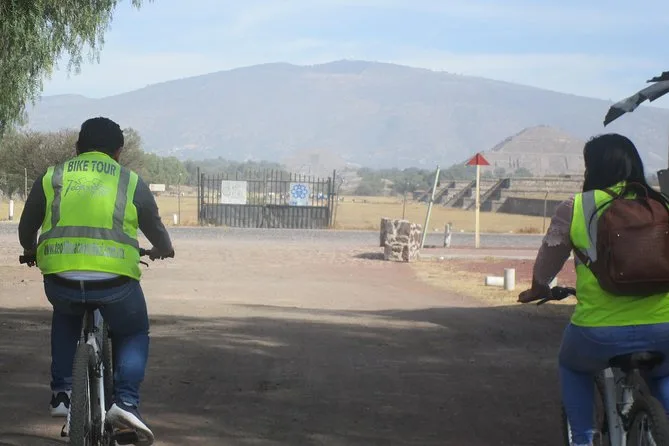
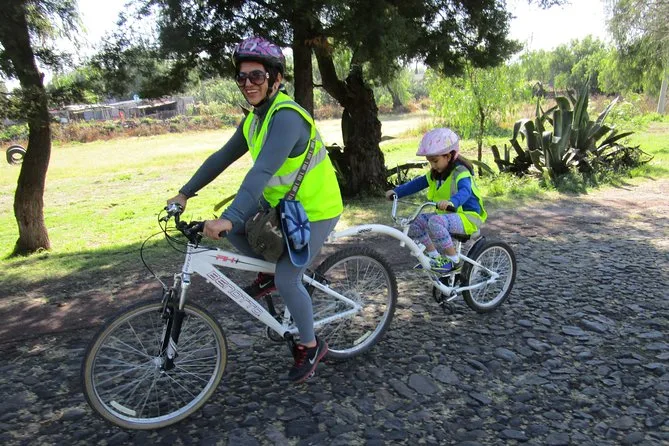
After leaving the main site, we hopped on bikes for a ride through the valley—not far, maybe 20 minutes between stops? You get these surprising angles of the pyramids that you never see in photos. We pulled over at an old neighborhood where some families still keep up these ancient mural paintings—one woman waved us inside her courtyard to look closer. There was this smell of wet stone and chili from someone’s kitchen nearby; I don’t know why but it felt comforting.
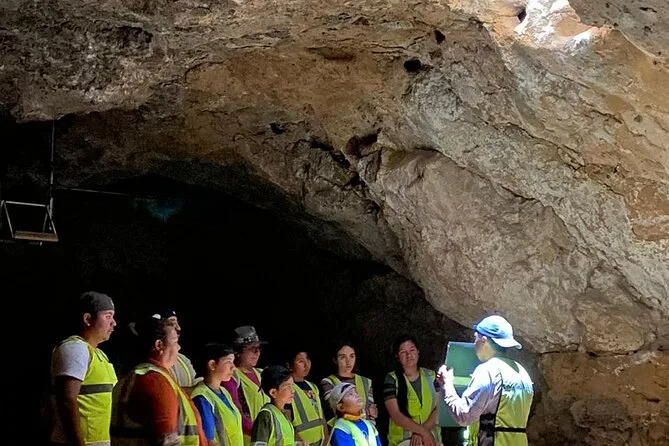
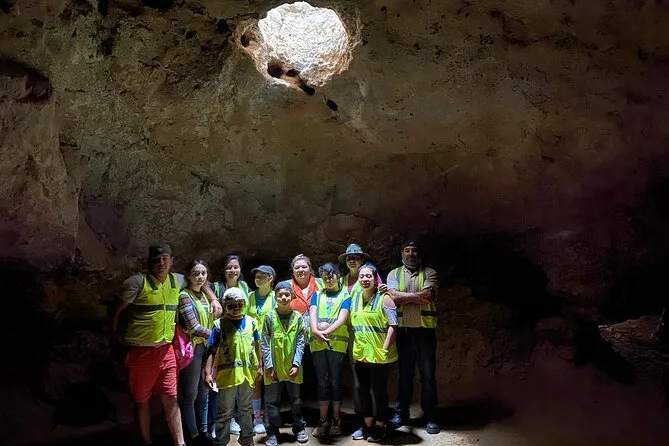
The cave observatory was something else. You have to duck down into cool darkness after all that sun, and suddenly it’s quiet except for drips somewhere deep inside. Martín lit up a spot on the wall and explained how people tracked seasons here centuries ago—he sounded proud but not showy about it. By then my legs were tired but honestly, I didn’t mind sitting around in that shadowy space for a while.
Lunch was at a local spot—a cooperative, so everyone working there seemed to know each other (and most of them knew Martín too). Food came fast: tortillas warm enough to burn your fingers if you weren’t careful. We shared stories about what surprised us most; for me it was how close everything felt—history, neighborhoods, even strangers waving hello as we biked past. I still think about that view from behind my handlebars sometimes—you know?
 6h
6h

Step-by-step itinerary
Day 1 — Teotihuacán walking and bike tour
- Register and snack at office
- Walking tour of northern archaeological site
- Bike tour of Teotihuacán Valley
- Visit neighborhood with mural paintings
- Explore ancient pre-Hispanic observatory
- Visit local products cooperative and lunch

Top questions

Is lunch included in this Teotihuacán bike tour?
Yes, lunch at a local restaurant is included as part of the experience.
Do I need to bring my own bicycle or helmet?
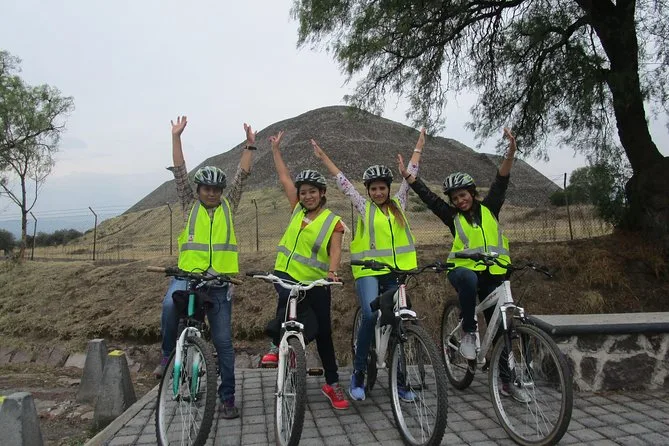
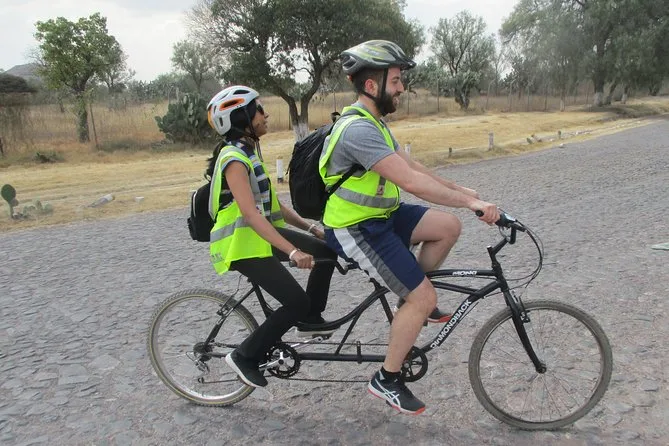
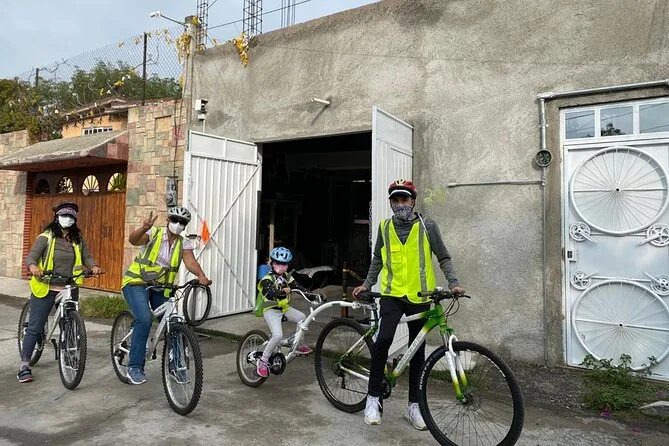
No, bicycles and protective equipment are provided for all participants.
Does this tour go inside Teotihuacán’s archaeological site?
Yes, there is a walking tour inside the northern part of the archaeological site before biking outside.
Is this day trip suitable for children?
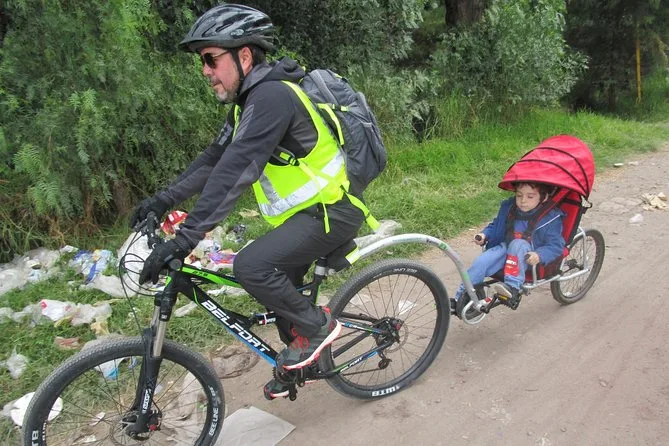
Yes, there are special trailers for kids and infant seats available; children must be accompanied by an adult.
How long is the bike ride during this Teotihuacán tour?
The bike portion covers short distances between stops in the valley outside the main site.
Will we visit any local communities or workshops?
Yes, you’ll visit neighborhoods with mural paintings and stop at a cooperative workshop before lunch.
Are English-speaking guides available?
The tour is led by bilingual local guides who speak English and Spanish.
Is water provided during the tour?
A bottle of water is included along with snacks at the start of your day.

What’s included
Your day includes registration snacks at base camp, entry to Teotihuacán’s northern zone with a bilingual guide, use of bicycle plus safety gear for all ages (including child trailers), guided visits to local neighborhoods with mural art, access to an ancient cave observatory, bottled water throughout—and finally lunch at a community-run restaurant before heading back out into the sunlight again.
 Super deal
  Free booking, free cancellation.
  Don't lose your place.


 Do you need help planning your next activity?
  +507 6792-0894


