

 +507 6792-0894


Puerto Vallarta: Wild Dolphin Swim & Marine Biologist Tour
 3h 30m
 4.74
(642 reviews)
4.74
(642 reviews)



Summary
Swim with wild dolphins in Puerto Vallarta and join marine research
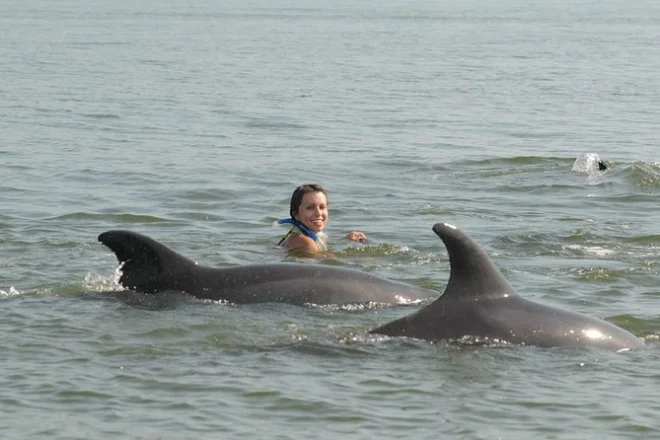
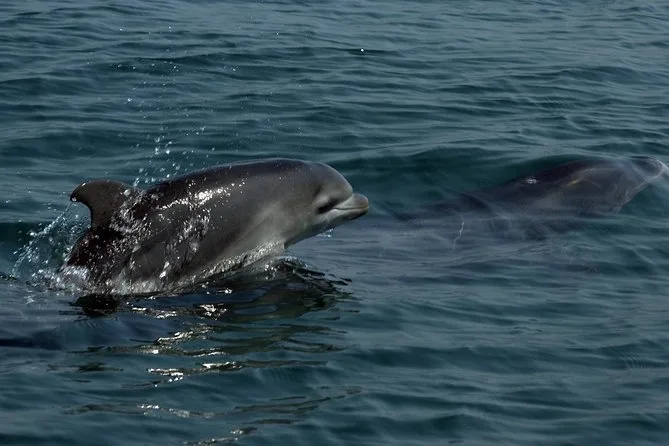
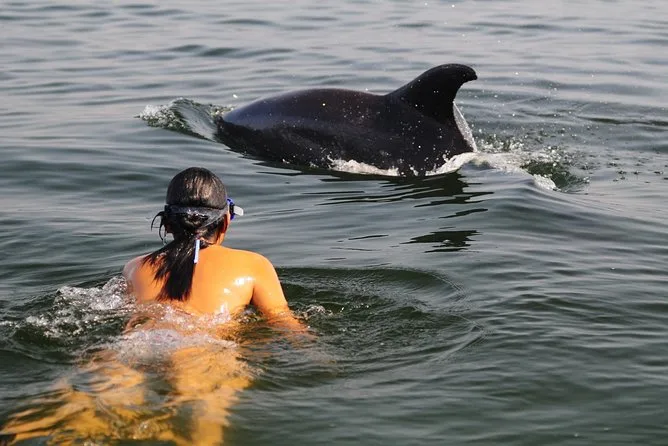
You’ll float off Puerto Vallarta listening to wild dolphins call underwater, then slip into the sea for a possible swim if they’re curious enough to come close. With a marine biologist guiding you and sharing real research insights, every moment feels raw and unscripted—sometimes even quietly magical.

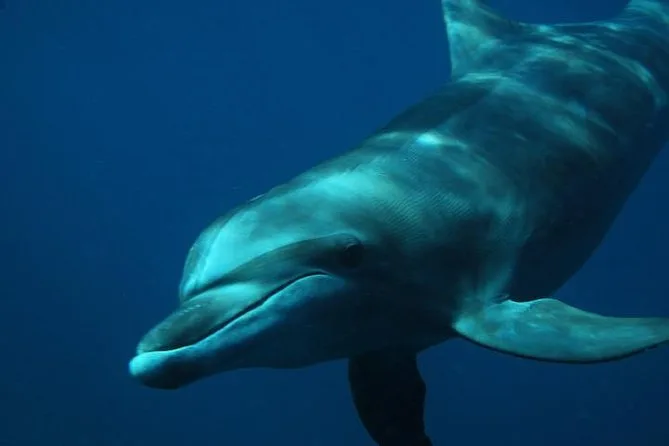
I didn’t expect to get goosebumps from a hydrophone, but there we were—floating off Puerto Vallarta, listening to those wild dolphin clicks and whistles echoing through the boat. Our guide, Ana (she’s a marine biologist who actually studies these bottlenose pods), grinned every time someone’s face lit up at the sounds. I tried to record it on my phone, but honestly, you just have to be there. The sea air had that salty-tangy smell you only get early in the morning, mixed with sunscreen and a hint of diesel from the dock.
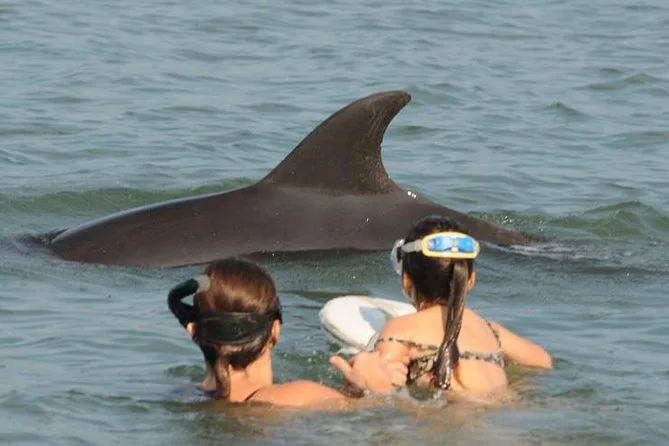
We spotted the dolphins before I even realized—someone shouted, everyone scrambled for their masks. Ana explained how sometimes juveniles are more curious (she called them “the teenagers of the sea”—made me laugh). She was honest about it: no guarantees you’ll swim every time because these are wild animals, not performers. That made it feel right. When we did slip into the water, I remember this moment where one young dolphin darted past so close I could see its eye flash—just for a second—and then it was gone. Water tasted weirdly sweet that day, or maybe that was adrenaline.
There was this little pause after we climbed back onto the boat—everyone quiet for once except for gulls overhead. Ana started talking about their research projects (I didn’t catch all of it, but something about tracking migration patterns), and she let us help jot down some notes. It felt good knowing our tour fee actually funds their work—not just another tourist thing. If you’re looking for a “guaranteed show,” this isn’t it—but if you want to feel like you’re part of something real… well, I still think about that eye contact.
3h 30m

Step-by-step itinerary
Day 1 — Dolphin watching and swimming tour
- Meet professional biologist guides
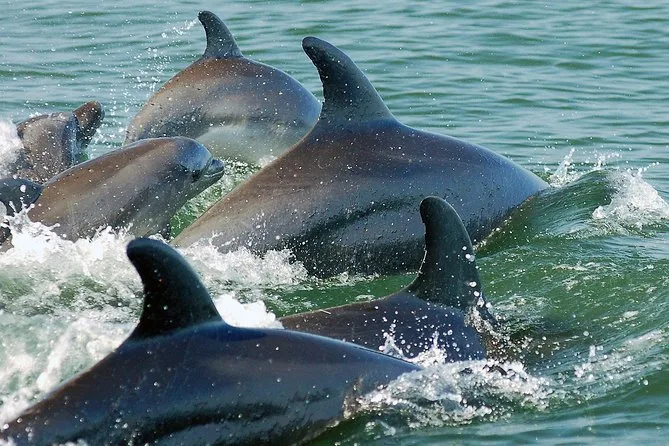
- Travel to bottlenose dolphin group
- Listen to dolphin communication via hydrophone
- Observe dolphins in natural environment
- Swim with dolphins if possible
- Learn about marine research programs
- Participate in dolphin research activities

Top questions

Can you always swim with dolphins on this tour?
No, swimming depends on the dolphins’ mood and behavior since they are wild animals; it's not guaranteed.
Who leads the dolphin tour in Puerto Vallarta?
The tour is led by professional biologists specializing in marine ecology and cetaceans.
Is snorkeling equipment included?
Yes, use of snorkeling equipment is included in your tour.
Are children allowed on this dolphin swim tour?
Yes, infants and small children can join; strollers are allowed and infants must sit on an adult’s lap.
What else might you see besides bottlenose dolphins?
You might also spot spotted dolphins, humpback whales (Dec–Mar), giant mantas, turtles, orcas or false orcas if lucky.
Is bottled water provided during the tour?
Yes, bottled water is included; no alcoholic beverages are served.
Is this dolphin swim tour wheelchair accessible?
Yes, the tour is wheelchair accessible.
Can service animals join the dolphin tour?
Yes, service animals are allowed on board.

What’s included
Your day includes bottled water to keep you refreshed under the sun (no alcohol served), full use of snorkeling equipment for your swim if conditions allow, plus guidance from expert marine biologists who share their knowledge as part of ongoing research during your time at sea.
 Super deal
  Free booking, free cancellation.
  Don't lose your place.


 Do you need help planning your next activity?
  +507 6792-0894


