

 +507 6792-0894


Mauritania Adventure Tour: Iron Train, Desert, Ancient Cities


Summary
Desert Expeditions & Local Culture in Mauritania
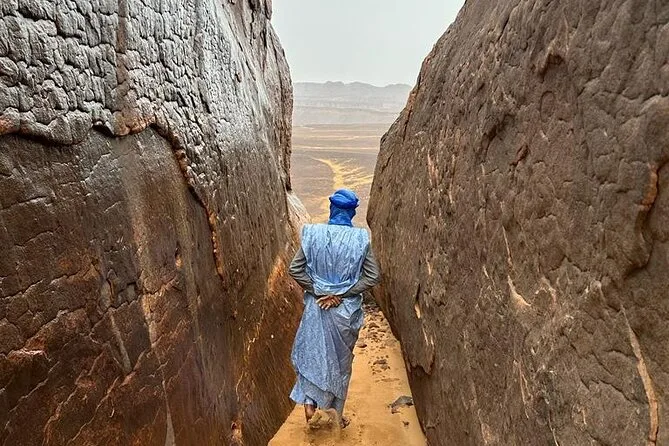
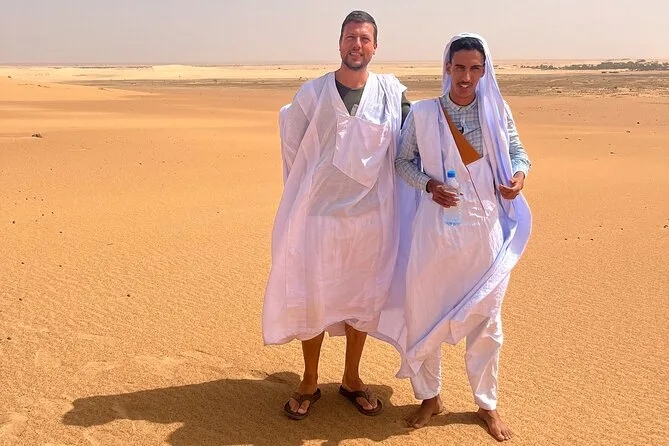
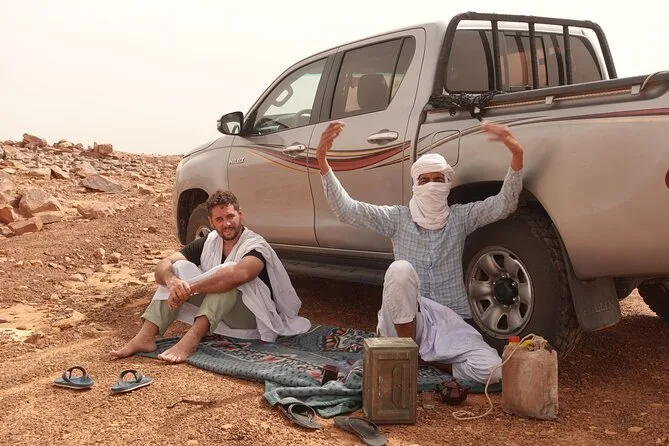
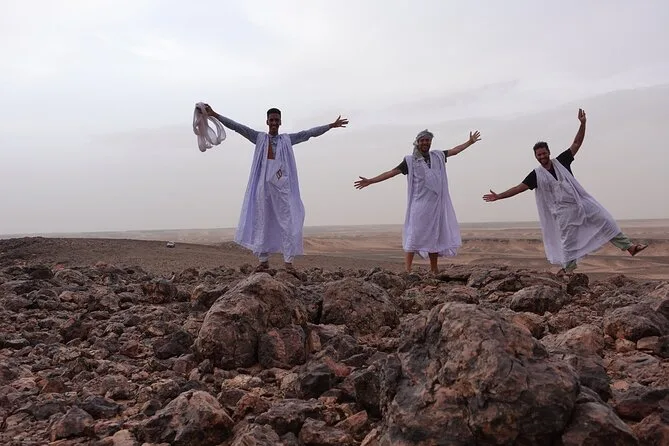
You’ll cross deserts by 4x4 and camel, ride Mauritania’s legendary iron train under starlit skies, explore ancient towns like Chinguetti and Oudane, swim in hidden oases, meet locals over mint tea—and end your journey with art and history in Nouakchott. If you want real adventure mixed with culture and wild landscapes, this trip delivers.

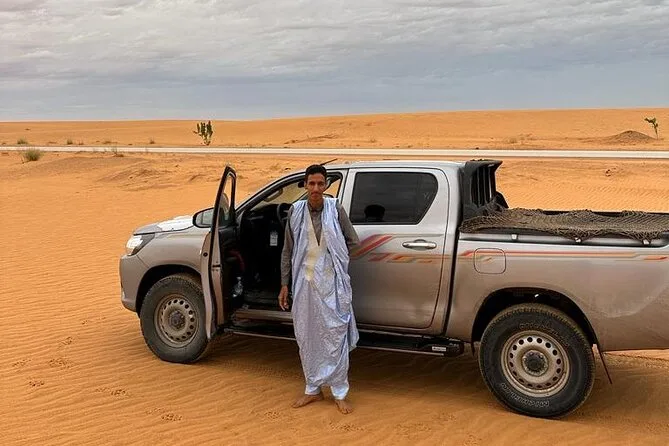
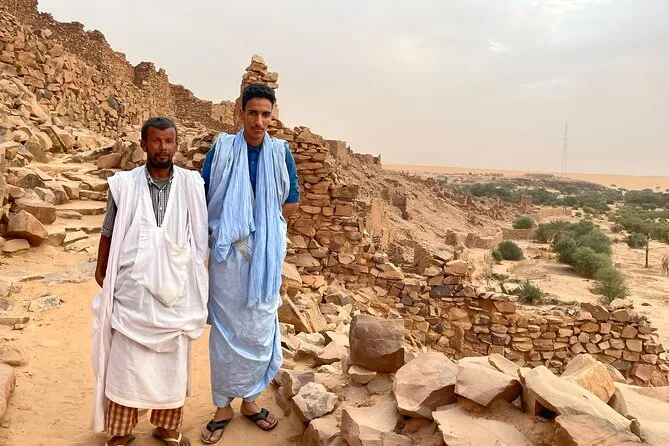
Sand clung to my boots as we left Nouakchott at sunrise, the city slowly giving way to endless ochre plains. Our driver, Ahmed, knew every bump on the road to Akjoujet—he even stopped for sweet mint tea at a roadside shack where goats wandered between tables. By noon, the air shimmered with heat as we rolled into Atar. The scent of grilled lamb drifted from a nearby café. Later that day in Azougui, our guide pointed out ancient stone ruins barely visible against the rocky hills—easy to miss if you didn’t know where to look.
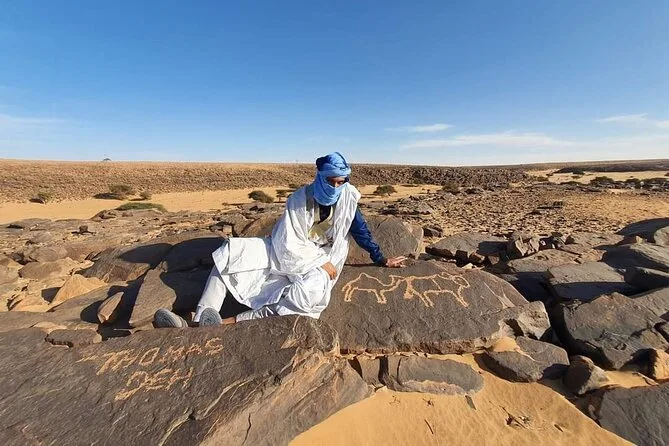
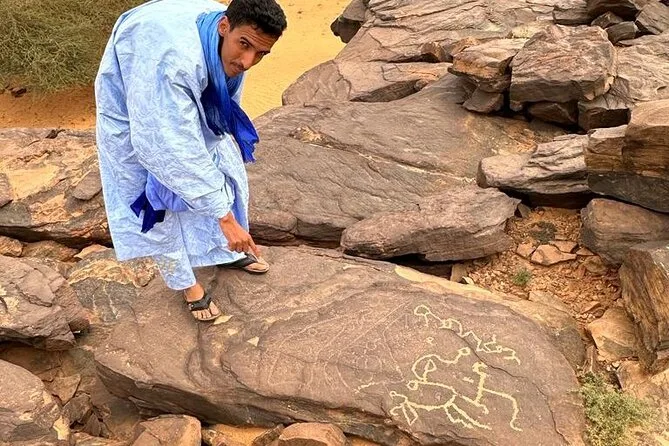
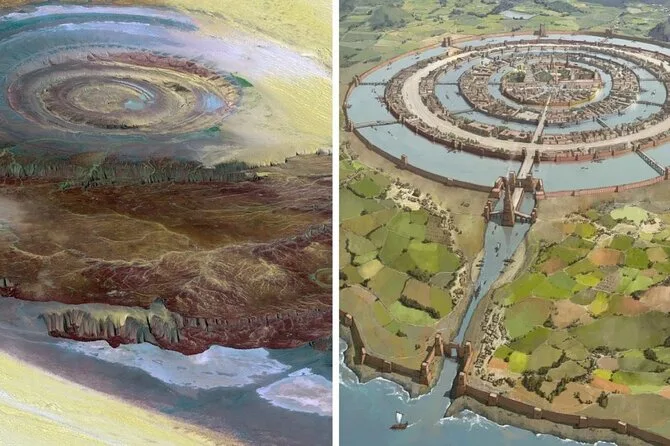
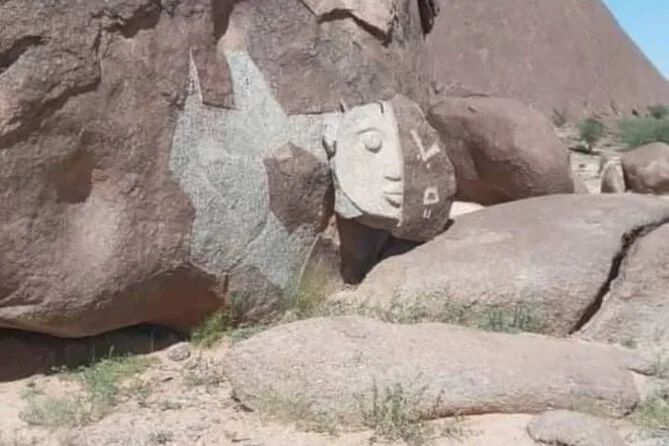
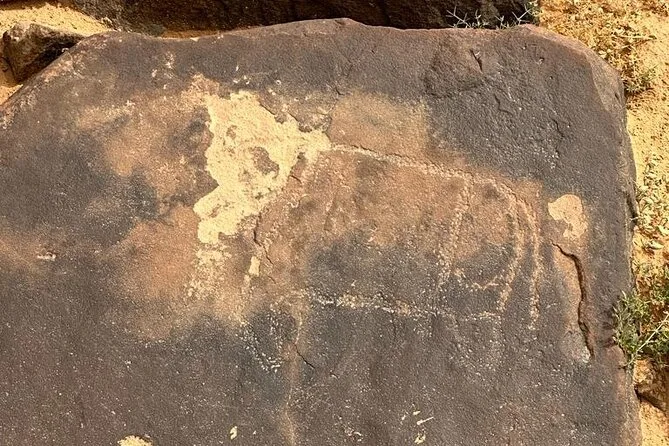
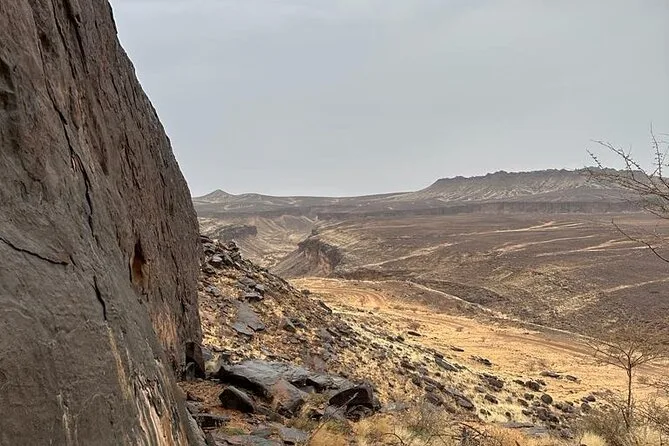
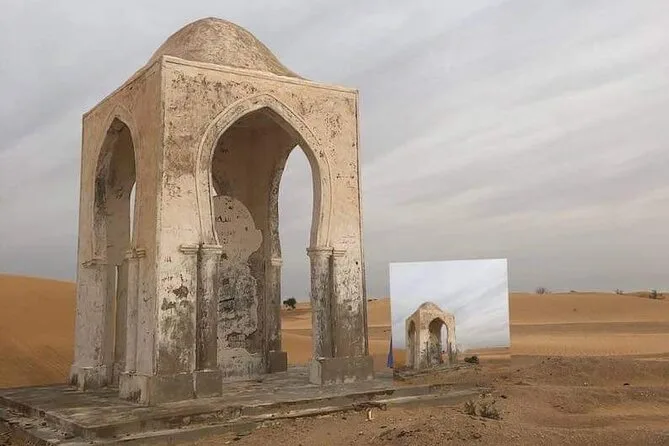
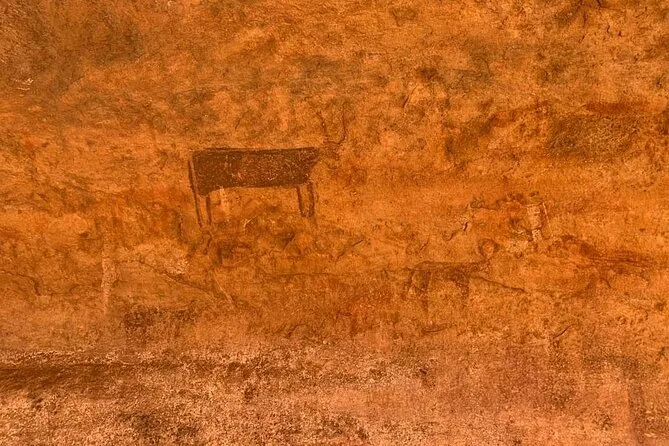
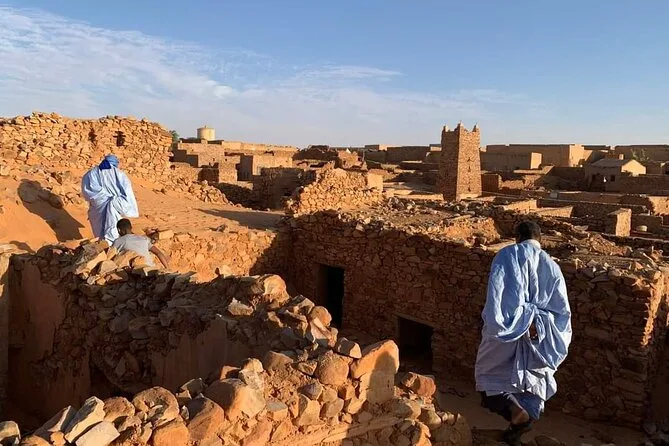
The next morning, Oudane’s old town felt like stepping back centuries. Kids played football in dusty alleys while we traced faded cave paintings tucked behind a crumbling wall outside town. The Richat Structure—locals call it “the Eye of the Sahara”—looked surreal from the ridge; I’d seen photos online but nothing matched standing there with wind whipping sand across my face.
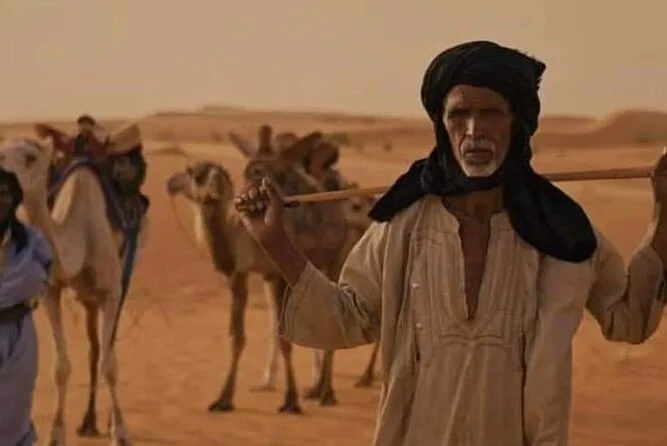
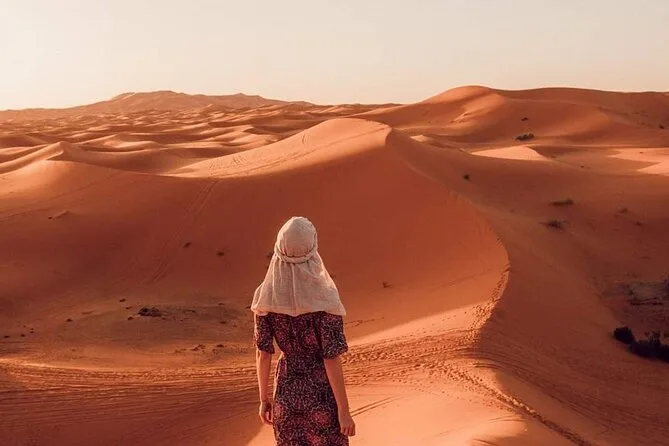
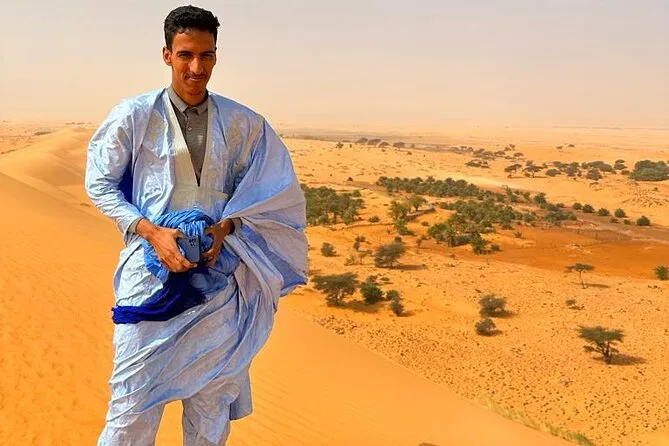
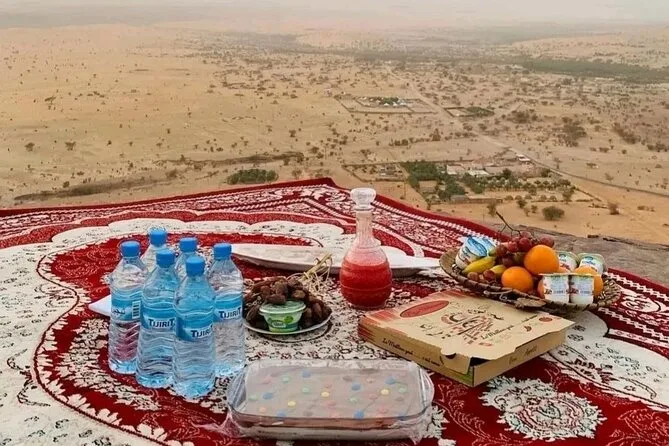
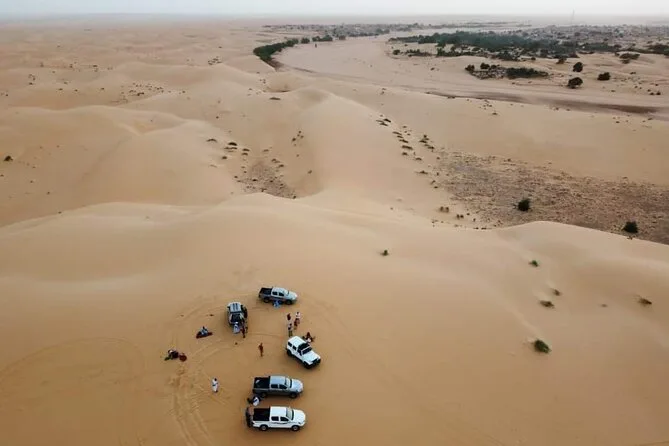
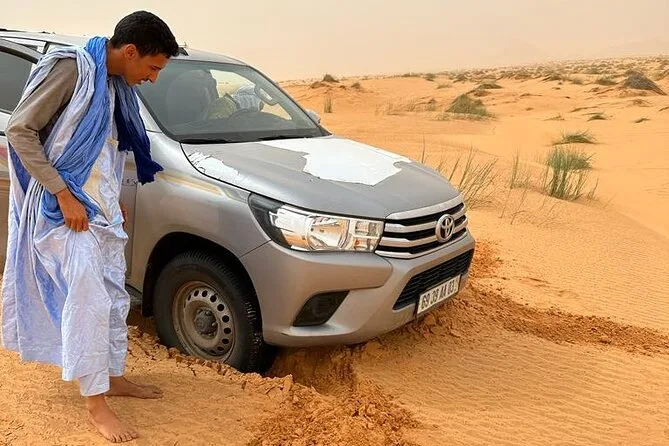
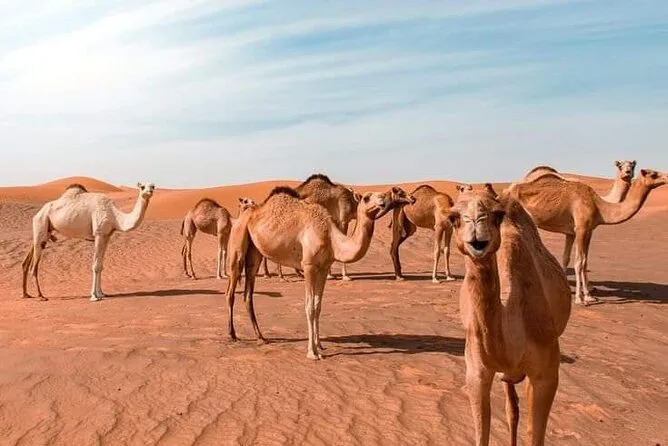
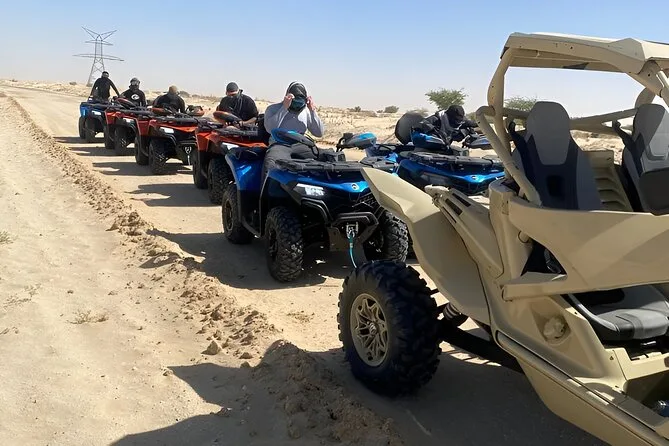
We crossed dunes by 4x4 and camel, stopping in Tenoucheret for tea with Bedouin herders under a canvas tent. Their stories were as strong as their tea—bitter and hot. In Chinguetti, I got lost among shelves of handwritten Qurans in the old library; Fatima, the librarian’s daughter, offered henna tattoos to anyone interested (I still have mine). That night we gathered around a bonfire for music—someone played an old tidinit while stars blinked overhead.
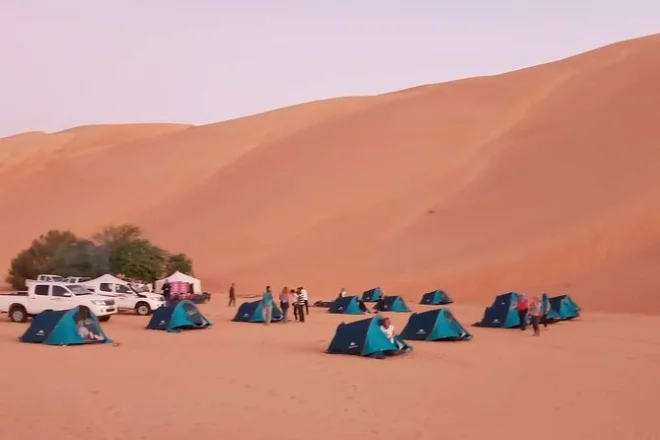
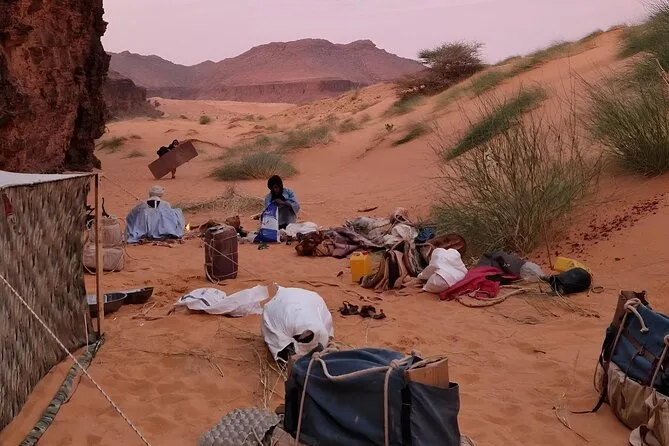
The next day was all about camels and silence. Ten kilometers out from Chinguetti is this dune locals say “sings” when the wind hits just right—it really does hum if you listen close enough. We camped nearby; I barely slept but caught a shooting star before dawn.
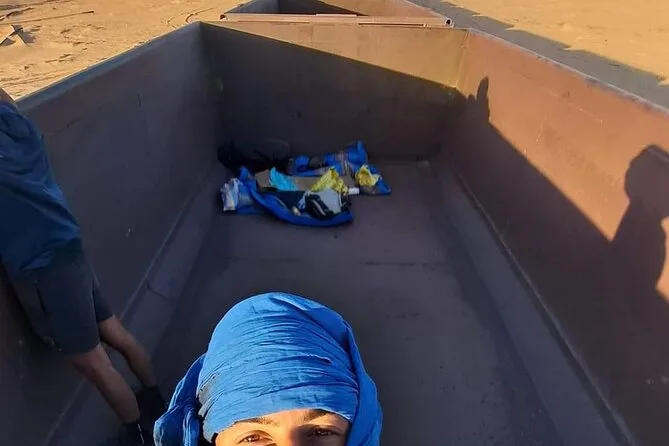
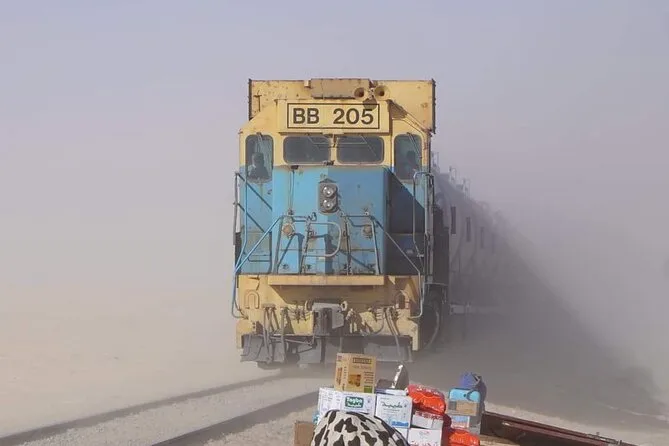
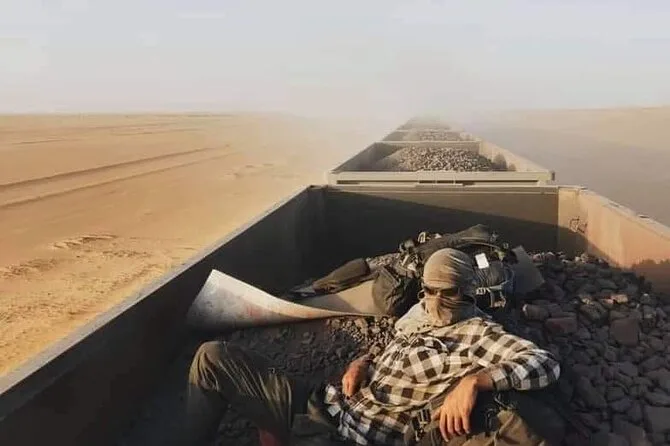
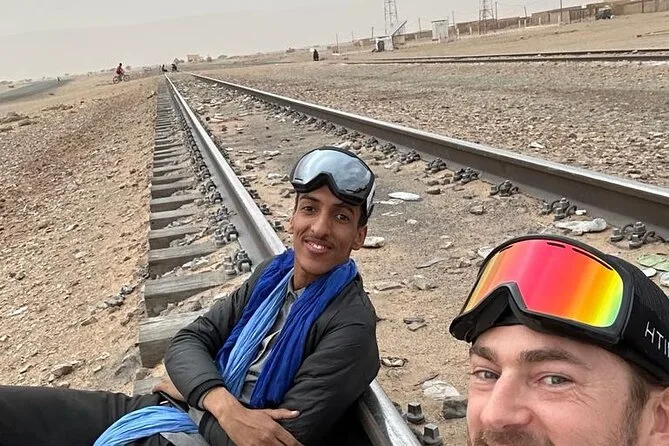
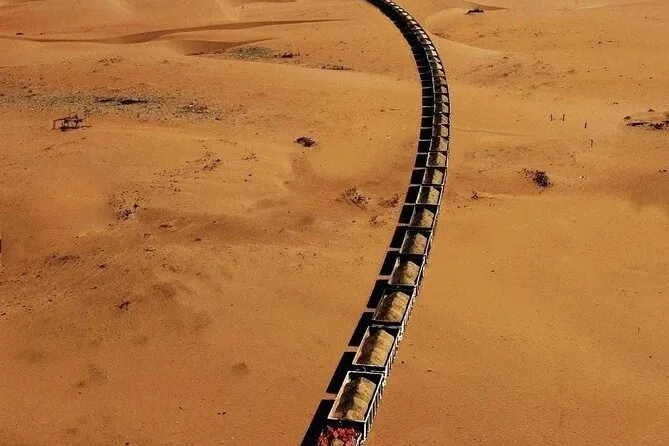
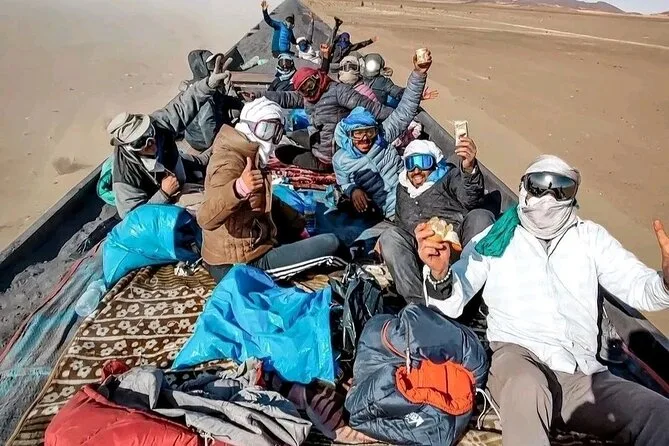
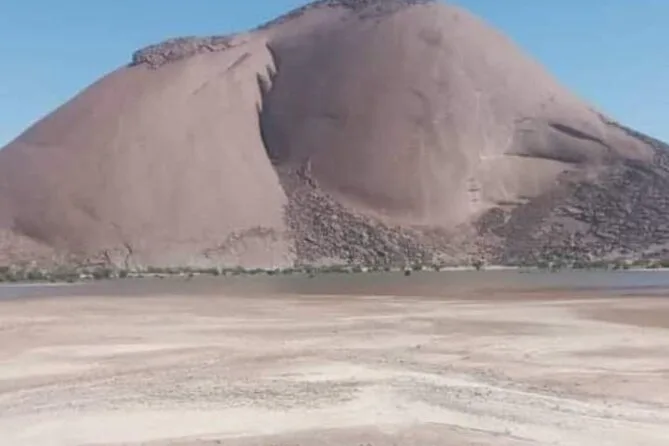
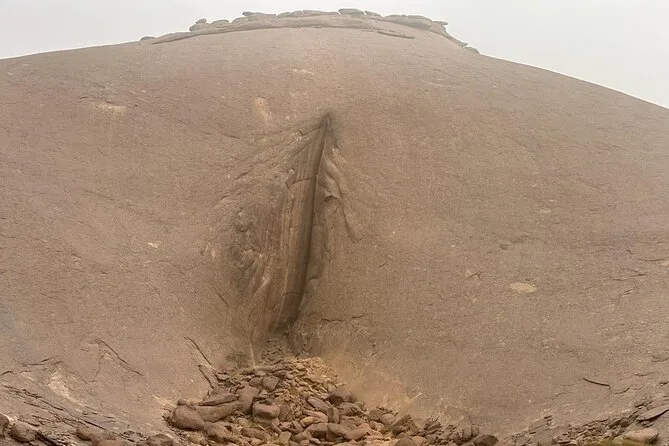
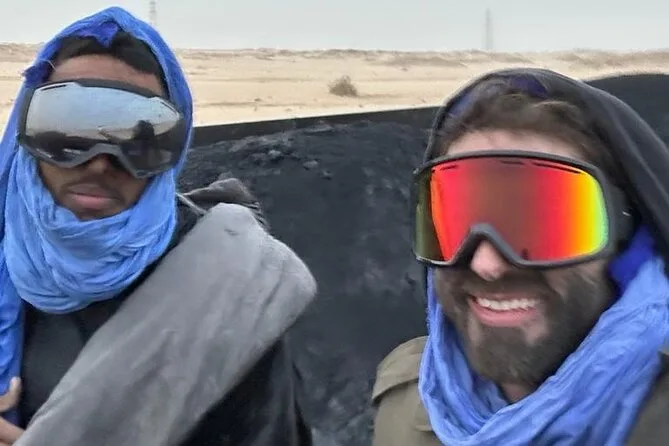
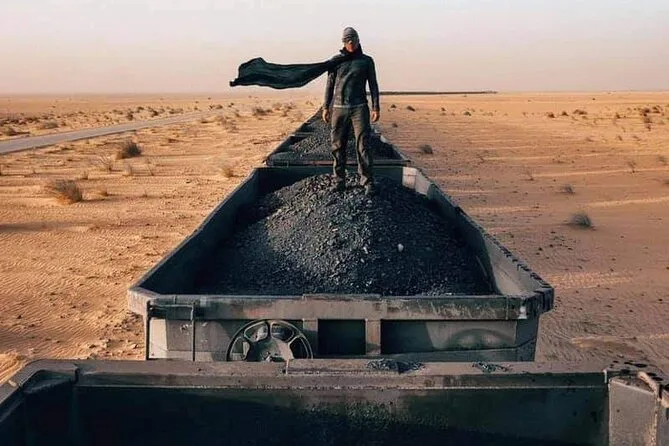
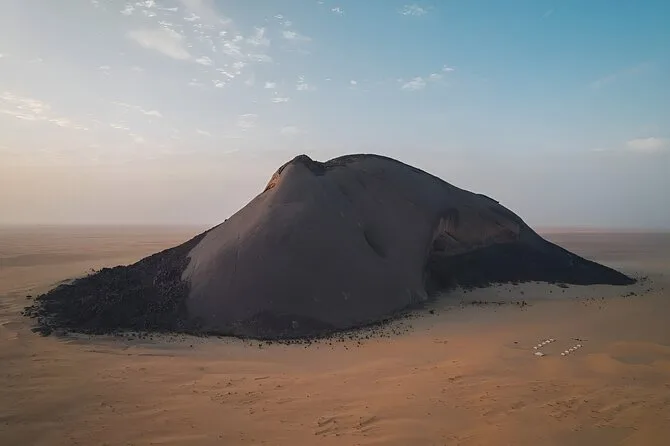
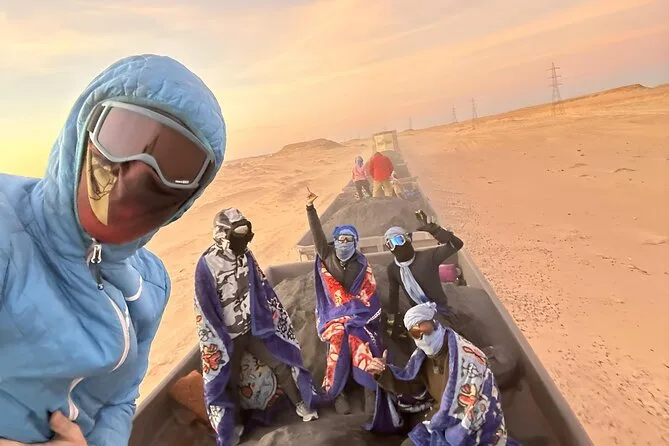
Terjit oasis was a cool shock after so much dust—palms everywhere and water trickling over rocks. We swam in pools shaded by cliffs and ate dates straight from the tree. Later came Choum and its massive monolith (second biggest in the world they say), then an overnight ride on the iron train—loud, gritty, unforgettable. I woke up covered in fine black dust but grinning like a kid.
Noudhibou was all salty air and gulls circling above Cap Blanc’s cliffs. Old fishermen mended nets by hand near rusting boats; we watched birds swoop low over the sea at sunset from Cap Tafarit—a good spot for photos if you’re quick enough before dusk settles in.
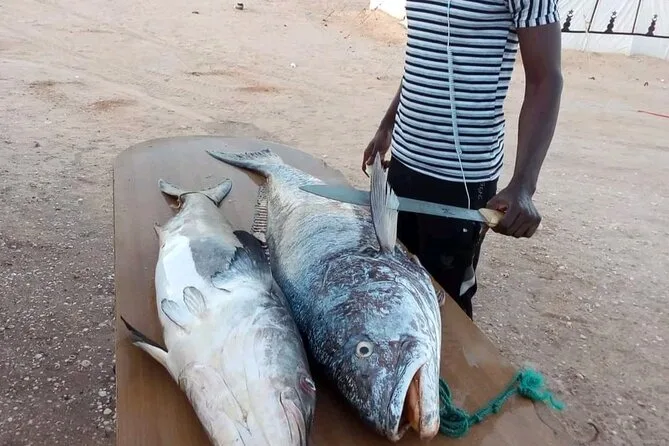
Our last days meant boat rides out from Iwik to see flamingos and pelicans crowding tiny islands, then back to Nouakchott for one more round of city life: browsing Galerie Zeyn’s art displays (lots of bold colors), haggling at the fish market where everything smells faintly briny, and wandering through the National Museum’s quiet halls filled with Berber jewelry and ancient tools.
 10d
10d

Step-by-step itinerary
Day 1 — Noukchott to Tourist Places
- Depart Noukchott to Akjoujet, tea 2h, then to Atar and Azougui
Day 2 — Cave Paintings and Richat
- Visit Oudane old town, cave paintings, Richat structure
Day 3 — Desert Drive and Chinguetti
- Visit Bedouin barber, tea in Tenoucheret, Chinguetti mosque and library, henna tattoo, bonfire and music
Day 4 — Camel to Singing Dune
- Camel ride to the singing dune near Chinguetti
Day 5 — Desert to Oasis
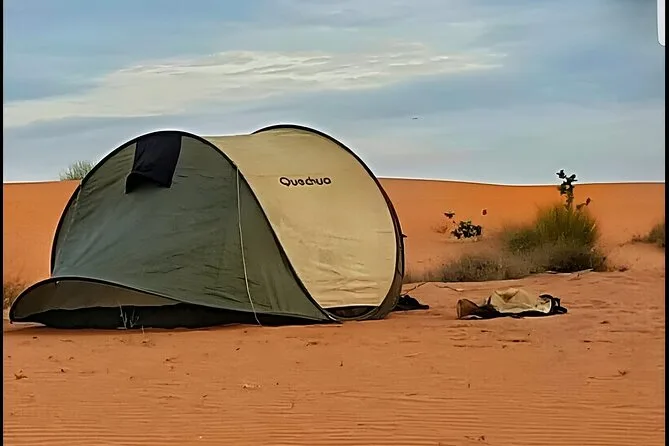
- Visit oasis of Mheireth and Terjit, overnight in tent
Day 6 — Oasis to Iron Train
- Travel to Choum, visit second biggest monolith
Day 7 — Noudhibou Island Tour
- Explore Noudhibou town, old fish market, Cap Blanc bird watching
Day 8 — Sea Exploration
- Depart Noudhibou to Arkeis, optional swimming, sunset at Cap Tafarit
Day 9 — Boat to Island
- Boat trip to island for bird watching, return to Noukchott
Day 10 — Noukchott City Tour
- Visit Galerie Zeyn Art, museum, fish market, zoo, then airport

Top questions

Is this tour suitable for families or solo travelers?
This trip works well for both families (with older kids) and solo travelers looking for group adventure—the pace is flexible and guides are helpful throughout.
What should I pack for riding the iron train?
Bring a scarf or mask (there’s lots of dust), sunglasses, layers for chilly nights, snacks, water bottle—and don’t wear your best clothes!
Are vegetarian meals available?
Yes—just let us know ahead of time so we can arrange veggie options at guesthouses or campsites along the route.
How physically demanding is this tour?
You’ll need basic fitness for walking on sand or climbing into vehicles/camels—but most activities can be adjusted to suit your comfort level.

What’s included
Your spot covers hotels or guesthouses each night (sometimes tents under stars), all main meals including classic Mauritanian dinners, private driver/guide team with local knowledge, comfy 4x4 vehicles (air-conditioned!), entrance fees to sites like museums or libraries—and yes: your place on that legendary iron train ride! Wheelchair access is possible most places; just ask if you have special needs.
 Super deal
  Free booking, free cancellation.
  Don't lose your place.


 Do you need help planning your next activity?
  +507 6792-0894


