

 +507 6792-0894


Putrajaya Cruise & City Tour from Port Klang: Bridges, Mosques & Parks




Summary
Full-Day Putrajaya Excursion with Lake Cruise & Local Highlights
You’ll discover Putrajaya beyond postcard views: walk under futuristic bridges, sample fresh fruit at local parks, snap photos at lakeside mosques—and hear stories only locals know. This tour covers highlights big and small with easy pick-up from Port Klang so you don’t have to worry about logistics or missing hidden gems along the way.

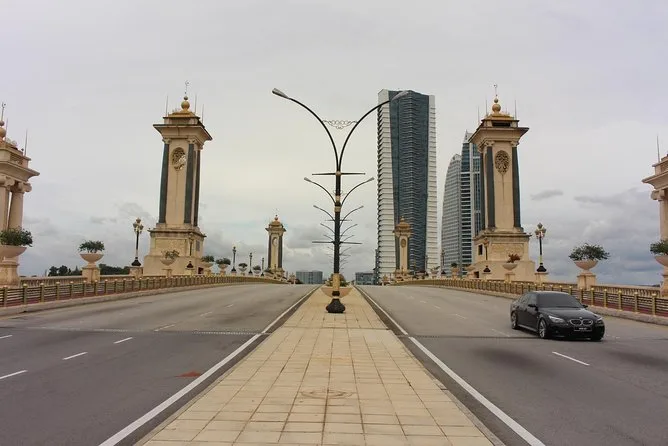
Right after stepping out of the arrival hall at Port Klang, our English-speaking driver was already waving at us—easy to spot in the morning crowd. The drive into Putrajaya took just under an hour, but you’ll notice how the city’s vibe shifts as you leave the port behind. It’s quieter here, almost too clean, and there’s this faint scent of rain on hot pavement if you visit during monsoon season. Our guide, Hafiz, pointed out that even the street lamps are themed to match each precinct.
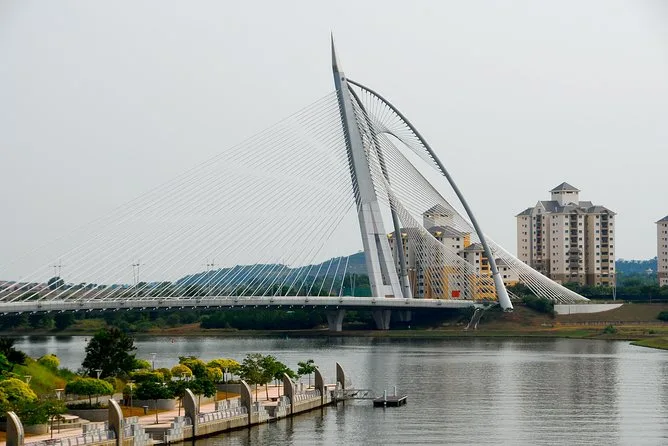
The first thing that caught my eye was the Seri Wawasan Bridge. It looks like something out of a sci-fi movie—sleek cables stretching up like sails. You can see it from different spots around town, but standing right beneath it gives you a sense of just how massive it is. Locals jog across in the early mornings before the sun gets too fierce.
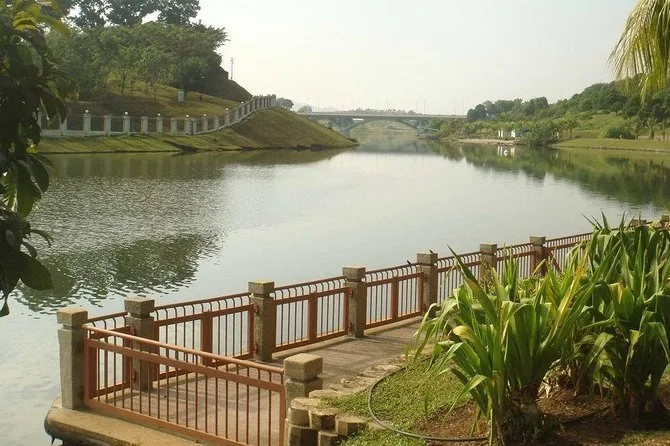
We cruised along Putrajaya Lake next. It’s man-made but feels natural enough; families picnic by the water and sometimes you’ll spot folks fishing off the banks. The lake acts as a cooling system for the city—Hafiz joked that it’s “Putrajaya’s air-con.” If you’re lucky, you might catch dragon boat teams practicing near sunset.
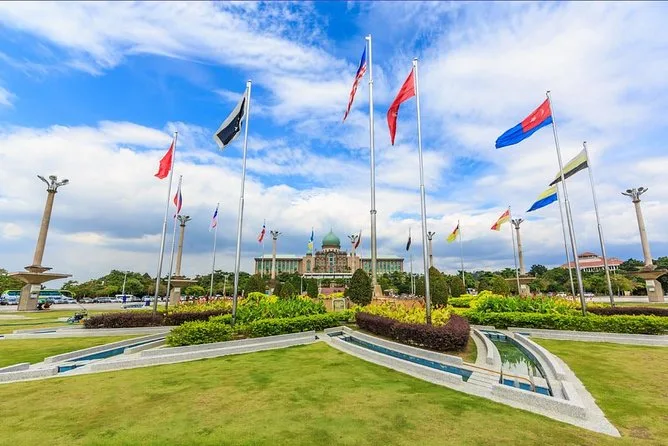
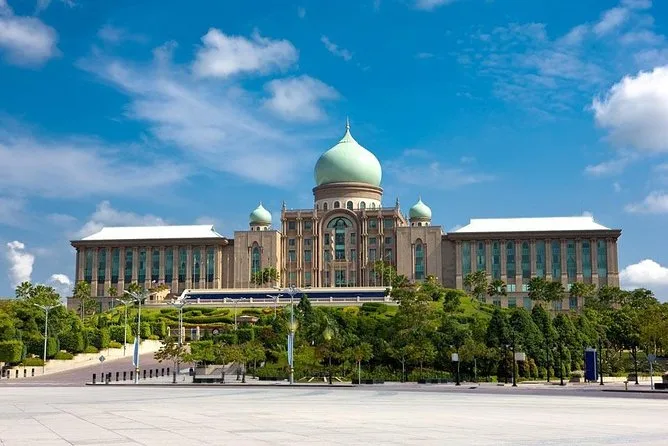
The Perdana Putra complex sits high on a hill, its green dome impossible to miss. You can’t go inside (it’s where ministers work), but we stopped for photos outside. There’s always a steady trickle of people snapping selfies here—especially when the light hits just right and makes the stone glow.
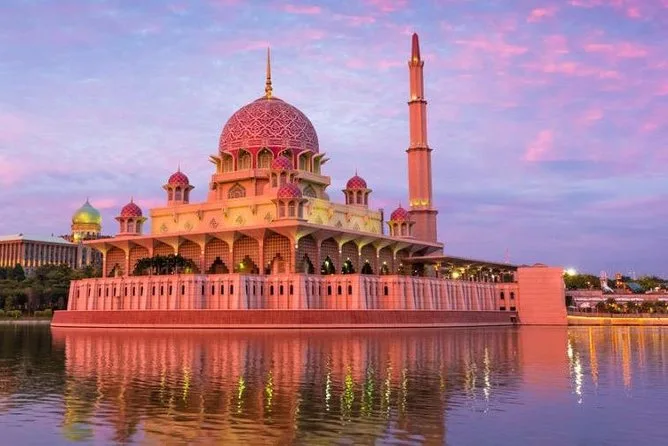
The Putra Mosque is even more striking in person than in photos. That soft pink color comes from rose granite, and when we visited around midday, it seemed to shimmer against the blue sky. Inside, it was cool and hushed; outside, everyone wanted their picture with its reflection on the lake.
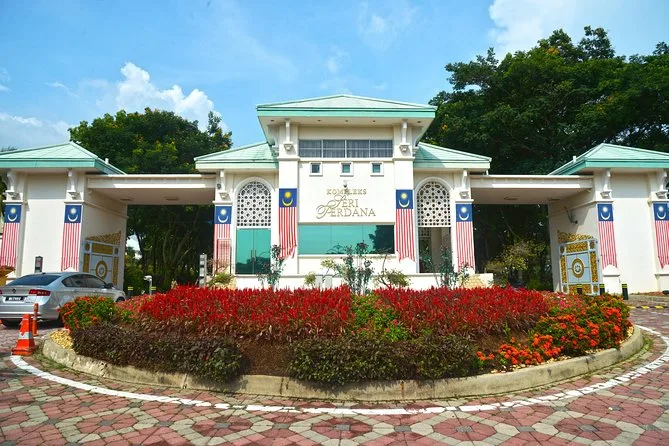
Swinging by Seri Perdana—the Prime Minister’s official residence—felt surreal. You can only admire it from afar since it’s not open to visitors, but our driver shared stories about past leaders who lived there.
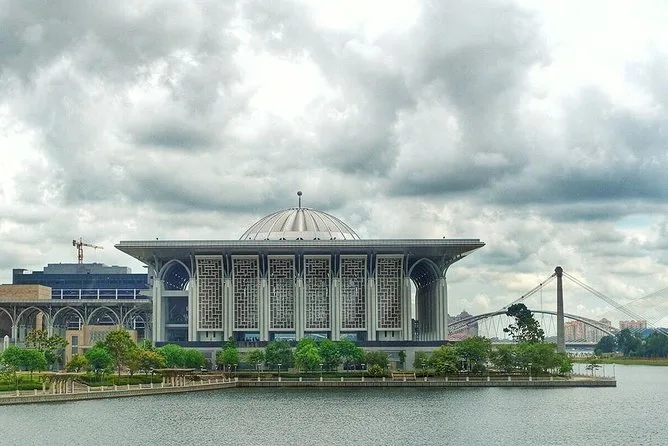
The Iron Mosque (Tunku Mizan Zainal Abidin) is all sharp lines and steel mesh—no minaret here, which is unusual for Malaysia. From a distance, it almost looks like glass catching sunlight.
We walked up to the Millennium Monument next—a spiral walkway wraps around panels telling Malaysia’s story. There’s even a time capsule at its base set to be opened in 2020 (I wondered what they put inside). At the top, you get wide views over the waterfront; bring water if it’s hot because there isn’t much shade up there.
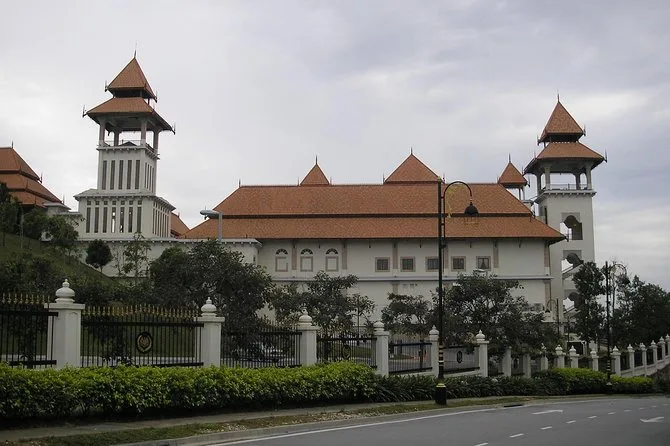
Istana Melawati serves as a royal retreat for Malaysia's king when he visits Putrajaya. You can’t go inside but seeing its unique rooflines against the skyline is worth a quick stop.
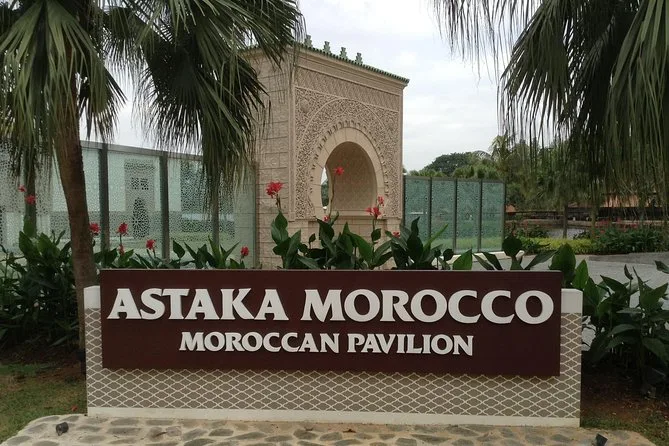
The Moroccan Pavilion surprised me most—it really does look like something straight out of Marrakech with intricate tiles and archways. Hafiz said it symbolizes friendship between Malaysia and Morocco; I spent way too long taking photos here because every corner looked different depending on how sunlight hit those mosaics.
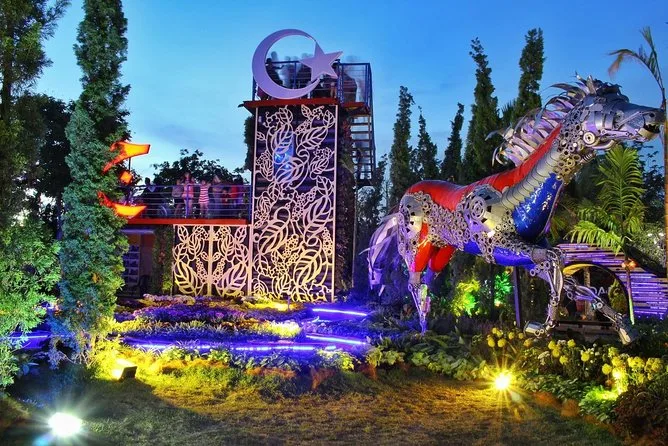
Anjung Floria Park was peaceful when we arrived—just birdsong and gardeners tending flower beds. If you come during Royal Floria Festival season (usually mid-year), expect crowds and bursts of color everywhere. The China-Malaysia Friendship Garden is especially photogenic; I honestly felt like I’d stepped into another country for a moment.
Taman Warisan Pertanian (Agriculture Heritage Park) let us try fresh local fruits—rambutan was in season—and watch rubber tapping demonstrations up close (the smell of latex lingers). There are small stalls selling agro-products too; I picked up some dried mangoes for snacks later.
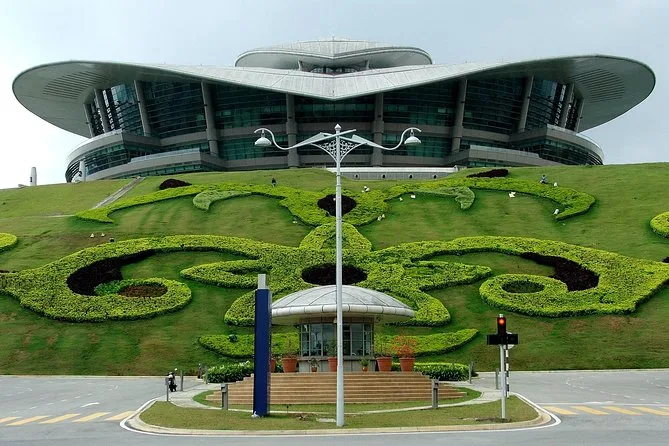
The Putrajaya International Convention Centre stands out with its modern design surrounded by greenery—our guide mentioned it's won several awards for energy efficiency and service quality over the years.
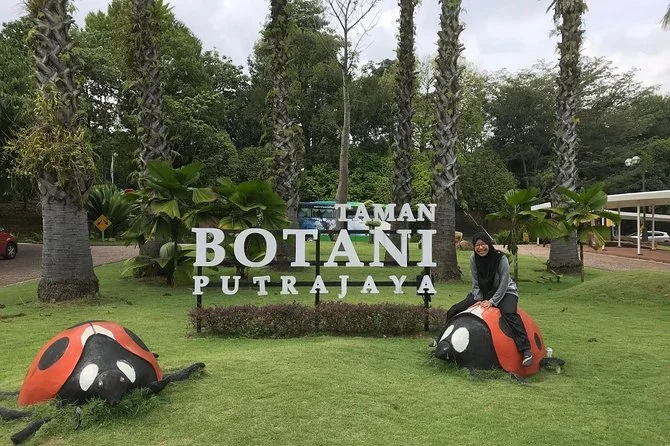
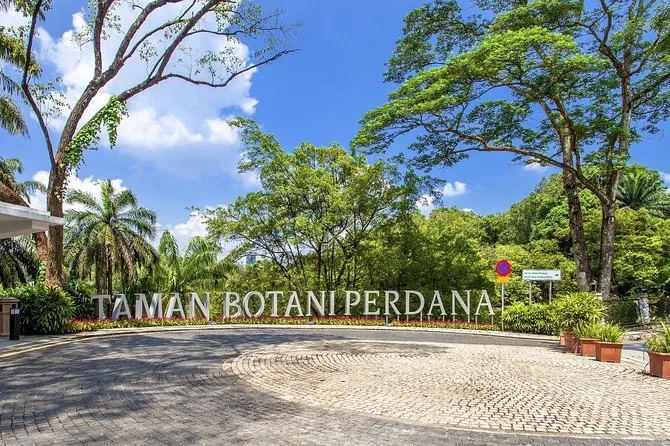
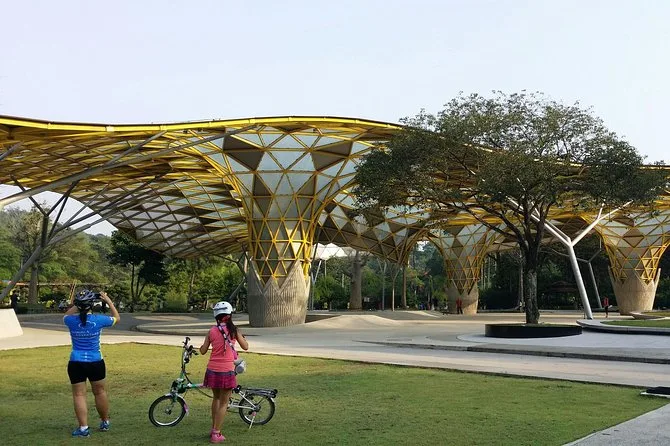
Last stop: Putrajaya Botanical Garden. It sprawls across 92 hectares so we only managed part of it—a maze of orchids and palms from all over Asia-Pacific and Africa regions. Kids would love spotting butterflies here; I lost track after ten species!
If you’ve got extra energy left, Taman Wawasan (“Vision Park”) is huge—you could jog an hour without looping back to your starting point! We just strolled along shady paths while locals did tai chi nearby.
 6h
6h

Step-by-step itinerary
Day 1 — Putrajaya Highlights Tour
- Visit Seri Wawasan Bridge
- Explore Putrajaya Lake
- View Perdana Putra from outside
- Photograph Putra Mosque
- See Seri Perdana Residence
- Visit Iron Mosque
- Walk Millennium Monument
- Tour Istana Melawati
- Admire Moroccan Pavilion
- Stroll Anjung Floria Park
- Explore Agriculture Heritage Park
- Visit Putrajaya International Convention Centre
- Walk Putrajaya Botanical Garden
- Relax at Taman Wawasan Park

Top questions

Is this tour suitable for families with young children?
Yes! The tour is family-friendly—infants can sit on an adult's lap or use a stroller/pram if needed. Most stops are accessible for all ages and fitness levels.
Can we enter any government buildings or mosques?
You can visit inside certain mosques like Putra Mosque if dressed appropriately; government buildings such as Perdana Putra or Seri Perdana are viewable from outside only due to security rules.
How long does this full-day tour last?
The experience usually lasts about 8 hours including travel time from Port Klang to Putrajaya and back—but timing may vary depending on traffic or group pace.
Are entrance fees included in the price?
Yes—all entrance fees are covered so you won’t need extra cash for tickets at any attraction listed in the itinerary.

What’s included
Your day includes pick-up and drop-off right at Port Klang cruise terminal, all entrance fees covered throughout Putrajaya stops, an English-speaking professional driver-guide who knows local shortcuts (and stories), plus comfy air-conditioned transport for every leg of your journey.
 Super deal
  Free booking, free cancellation.
  Don't lose your place.


 Do you need help planning your next activity?
  +507 6792-0894


