

 +507 6792-0894


Pamir Highway Tour: Bishkek to Dushanbe Adventure Guide


Summary
Kyrgyzstan & Tajikistan Overland: Lakes, Passes, and Nomad Life
You’ll travel deep into Central Asia—from Kyrgyz alpine lakes to Tajik mountain passes—meeting nomads, sleeping in yurts or homestays, hiking wild valleys, and crossing borders most travelers never see. If you want real adventure mixed with local hospitality and landscapes that change every hour, this journey delivers.

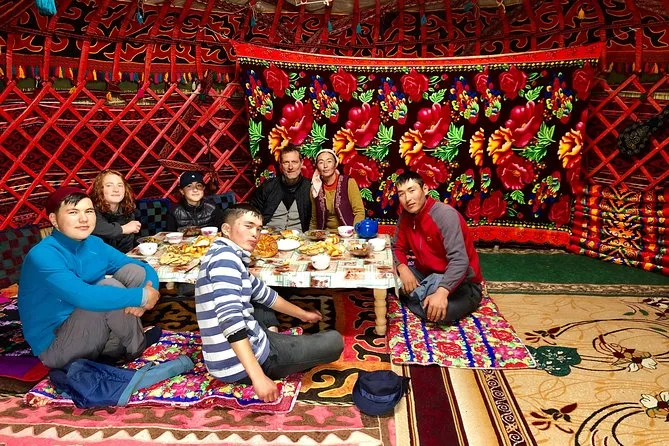
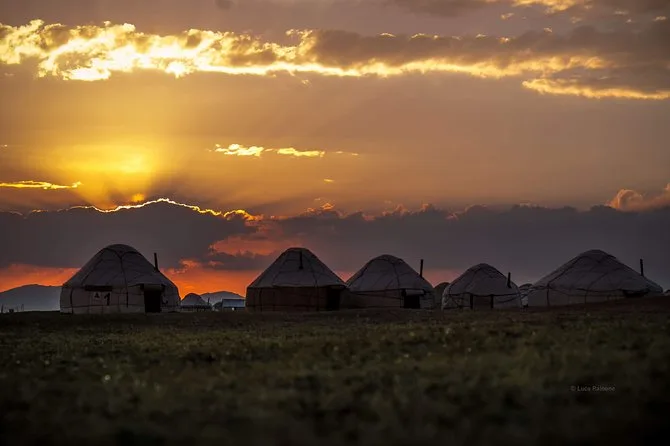
Early morning in Bishkek always feels a bit brisk, even in June. Our driver showed up right on time—he had that quiet confidence you see in folks who know these roads by heart. We left the city behind and made a quick detour at Burana Tower. It’s one of those places that looks almost out of place—an old minaret from the 12th century standing alone with the Tian Shan mountains in the background. The air smelled faintly of wild sage as we climbed Kalmak Ashuu pass; suddenly, Song Kul Lake just appeared below us, all turquoise and ringed with green meadows. Shepherds’ yurts dotted the shore. We spent the night in one—felt like sleeping inside a thick felt cocoon, with the wind rattling outside but warm inside.
The next day’s drive took us over Moldo Ashuu pass—a series of tight switchbacks where you can spot marmots darting across the rocks if you’re lucky. Lunch in Naryn was simple but filling (plov and hot tea). Tash Rabat came into view late afternoon—a stone caravanserai tucked into a valley that once sheltered Silk Road traders. Our guide told stories about merchants hiding gold coins under loose stones here. That night, another yurt stay—this time colder, but they brought extra blankets.
We followed the Naryn River for hours after leaving Tash Rabat, passing more yurts and herds of sheep grazing along the banks. Kazarman village is small—our homestay host greeted us with fresh bread and salty cheese. The road to Osh gets rougher near Kaldama Pass; on top, it’s all jagged peaks and silence except for wind whistling through low bushes. Osh itself felt lively after days in remote valleys—a proper bed and shower never felt so good.
The landscape changed again as we crossed Taldyck Pass toward Sary Mogol—green pastures full of yaks munching quietly. At Tulparkol Lake near Lenin Peak base camp (over 3500 meters high), I could hear distant avalanches rumbling off the glacier now and then. Dinner was hearty stew around a low table in our yurt camp; everyone swapped stories about altitude headaches and strange dreams.
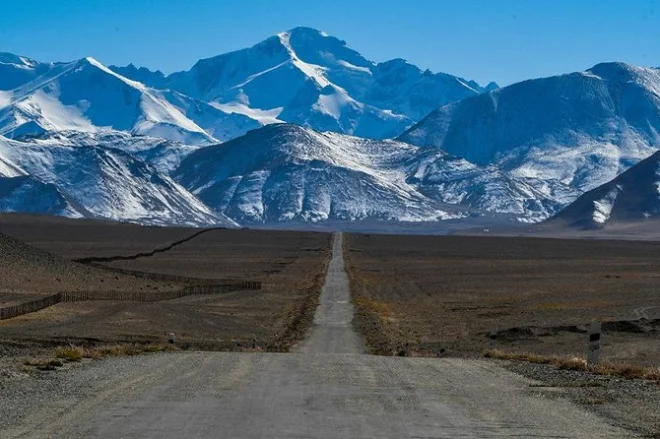
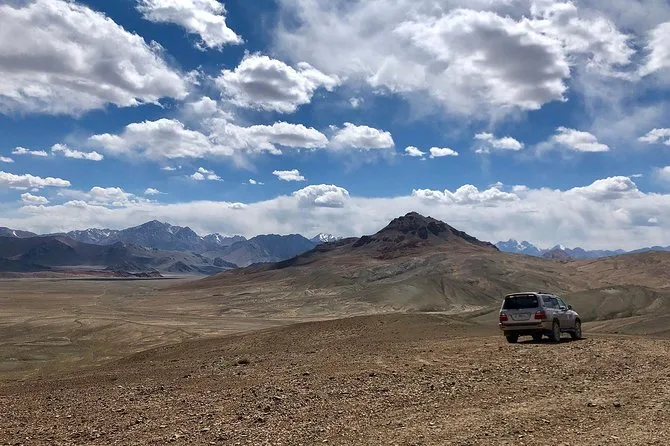
Crossing into Tajikistan meant a long stretch through “no man’s land”—just gravel road and snowfields up to Kyzylart Pass (4280 meters). Karakul Lake looked almost otherworldly—deep blue water surrounded by bare hills. The guesthouse lunch was simple: soup, bread, black tea served by a woman who’d lived there her whole life.
Driving over Akbaital Pass (4655 meters) is something I won’t forget—the air gets thin enough that just walking makes you short of breath. We stopped at Observatory Hill for views toward Muztagh Ata in China; clouds drifted fast overhead but cleared just enough for photos. Downhill to Alichur village for another guesthouse stay—this one had an old Soviet truck parked out front filled with Marco Polo sheep skulls from decades ago.
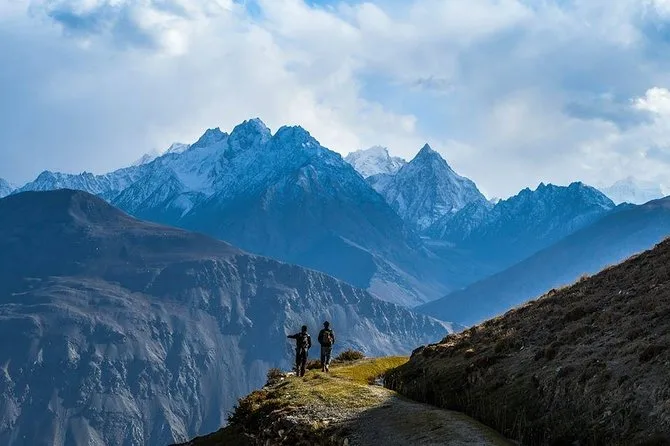
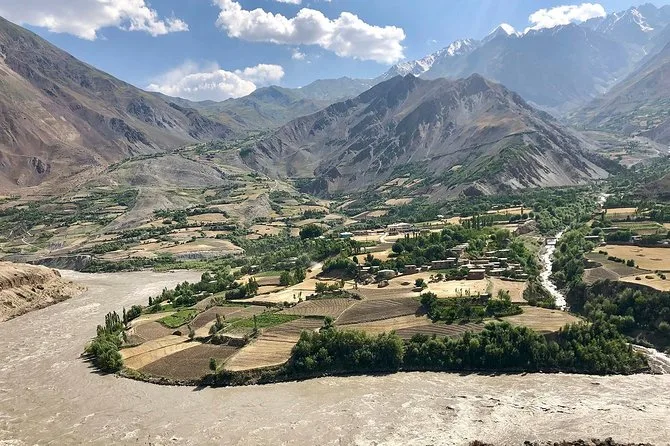
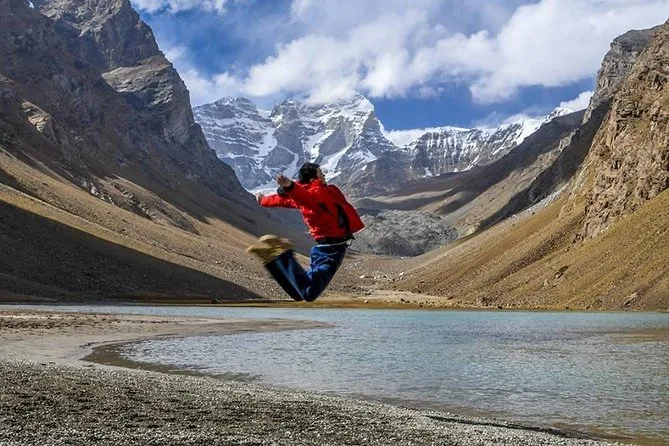
Bulunkul’s lakes shimmered under morning sun; steam rose from hot springs nearby while kids waved at our car from their bikes. Trekking up Panorama Ridge at Kargush Pass (4800 meters) gave us sweeping views down into Afghanistan’s Wakhan Corridor—the border river twisting far below, caravans moving slowly along dusty tracks on both sides.
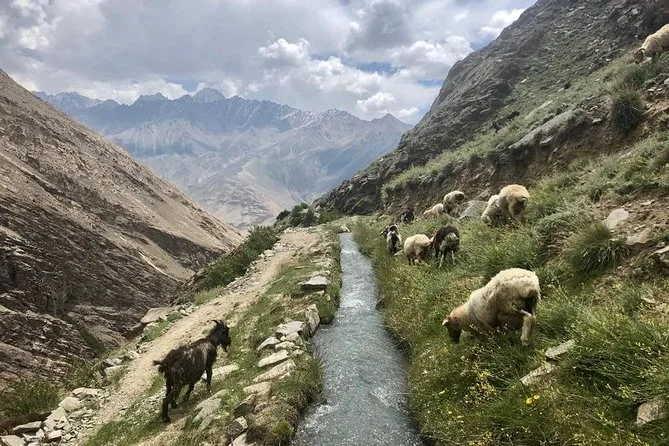
The hike to Engels Peak started from Zong village—a narrow trail following an irrigation channel before climbing into lush meadows at 4000 meters. Lunch was bread and cheese by a small lake with snow-capped peaks behind us; I remember how quiet it got except for cowbells somewhere across the valley.
Yamg village led us to Yamchun Fortress—a crumbling stone fort perched above Wakhan Valley—and then up to Bibi Fatima hot springs where locals swear by the mineral-rich waters (the steam fogged my glasses instantly). In Khorog city later that day, we wandered through Central Park and visited the regional museum before dinner at a busy café serving shorpo soup.
Bartang Valley felt wild—no shops or electricity here, just spring water and home-cooked meals at our guesthouse near Jizeu’s lakes. The walk along tree-lined streams was peaceful; frogs croaked somewhere close by as dusk fell.
The final stretch followed the Panj River past Afghan villages visible across the water—kids waving back as we passed—and ended in Dushanbe after lunch at a roadside chaikana (try their samsa if you get a chance). On the way in we stopped briefly at Hulbuk Palace ruins and caught sight of Nurek Dam glinting far off against steep cliffs.
 13d
13d

Step-by-step itinerary
Day 1 — Bishkek to Song Kul Lake
- Pick up from hotel
- Visit Burana Tower
- Drive to Song Kul lake
- Walk around the lake
Day 2 — Song Kul to Tash Rabat
- Drive to Moldo Ashuu pass
- Drive to Naryn city
- Lunch in Naryn
- Visit Silk Road caravanserai at Tash Rabat
- Overnight in yurt
Day 3 — Tash Rabat to Kazarman Village
- Drive along river Naryn
- Pass shepherds' yurts
- Arrive and stay in homestay
Day 4 — Kazarman to Osh City
- Drive over Kaldama pass
- Arrive in Osh city
- Accommodation in hotel
Day 5 — Osh to Lenin Peak Base Camp
- Drive to Sarymogol village
- Cross bridge to yurt camp at Tulparkol lake
- Walk around lake
- Overnight in yurt
Day 6 — Sarymogol to Karakul Lake
- Drive to Kyrgyz border checkpoint
- Cross Tajik border
- Drive to Karakul lake
- Lunch at guesthouse
- Short walk in village
- Stay in guesthouse
Day 7 — Karakul to Alichur Village
- Drive via Akbaital pass
- Photo stop at glaciers
- Visit Observatory hill
- Drive to Alichur village
- Overnight in guesthouse
Day 8 — Bulunkul and Panorama Ridge Trek
- Visit Bulunkul and Yashylkul lakes
- Drive to Kargush pass
- Trek Panorama Ridge
- Lunch on ridge
- Drive to Afghanistan border checkpoint
- Drive to Langar village
- Overnight in homestay
Day 9 — Engels Peak Trek in Wakhan Valley
- Drive to Zong village
- Hike to Engels Peak meadow
- Lunch at meadow
- Return hike
- Drive to Yang village
- Overnight stay
Day 10 — Yang Village to Khorog City
- Visit Yamchun Fortress
- Visit Bibi Fatima hot springs
- Stop at Khaaka fortress
- Drive to Khorog city
- Visit Regional Museum and Central Park
- Evening hike in Botanical Garden
- Dinner at cafe
- Overnight in hotel
Day 11 — Bartang Valley Lakes and Wildlife
- Drive to Bartang valley
- Walk along stream to lakes
- Stay in guesthouse
Day 12 — Bartang to Kalaikhum
- Walk back to car
- Drive to Darvoz district
- Drive to Kalaikhum village
- Stay in guesthouse
Day 13 — Kalaikhum to Dushanbe
- Drive along Pang river
- Lunch in Chaikana
- Visit Hulbuk Palace
- View Nurek hydro power station
- Arrive in Dushanbe
- Stay in hotel

Top questions

How difficult are the hikes on this tour?
Most hikes are moderate but some reach high altitudes (up to 4800m). Engels Peak trek is challenging but can be shortened or split overnight if needed.
What kind of accommodation should I expect?
You’ll stay mostly in yurts or family-run guesthouses outside cities; hotels are used in Osh and Dushanbe. Facilities are basic but clean—expect shared bathrooms sometimes.
Is altitude sickness common on this route?
You’ll cross several high passes above 3500m so mild symptoms are possible; guides monitor guests closely and adjust pace if needed.
Are vegetarian meals available?
Vegetarian options can be arranged if requested ahead of time; meals are usually simple with lots of bread, dairy products, soups, eggs, or vegetables when available locally.

What’s included
Your private transport comes with an experienced driver whose meals and accommodation are covered too. All main transfers use an air-conditioned vehicle for comfort—even over rough mountain roads! You’ll also have support crossing borders plus stays arranged in yurts or guesthouses along the way.
 Super deal
  Free booking, free cancellation.
  Don't lose your place.


 Do you need help planning your next activity?
  +507 6792-0894


