

 +507 6792-0894


Kyrgyzstan Nomadic Culture Tour: Issyk-Kul Lake & Eagle Hunting







Summary
4-Day Issyk-Kul Lake Adventure: Petroglyphs, Gorges & Yurts
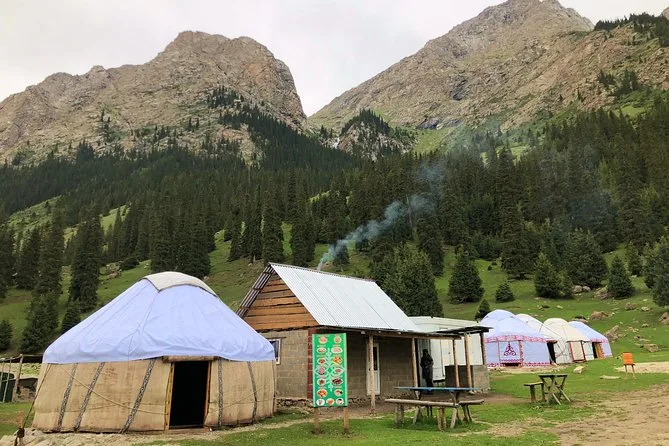
If you're curious about Kyrgyzstan's real nomadic life—not just postcard views—this tour lets you walk ancient ruins, meet eagle hunters, hike wild gorges, and even sleep in a yurt if that's your thing. It's hands-on, personal, and full of moments you'll talk about long after you're home.

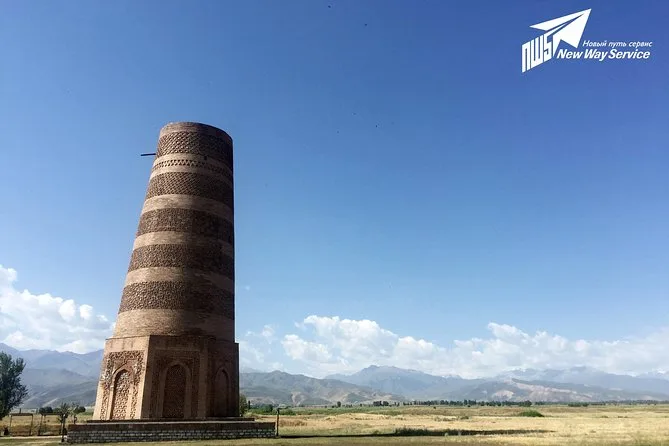
The first morning kicked off early in Bishkek—our guide, Aida, met us at the hotel just before the city really woke up. The drive out to Burana Tower took about an hour and a half. There’s something about watching the landscape change from city blocks to open fields that makes you feel like you’re heading somewhere special. At Burana, we wandered among ancient stones and crumbling ruins; Aida pointed out carvings I’d have missed on my own. The tower itself is older than most countries—climbing its narrow steps, I could smell dust and wild herbs in the air. We snapped photos with the snow-capped peaks in the background before heading back to the van.
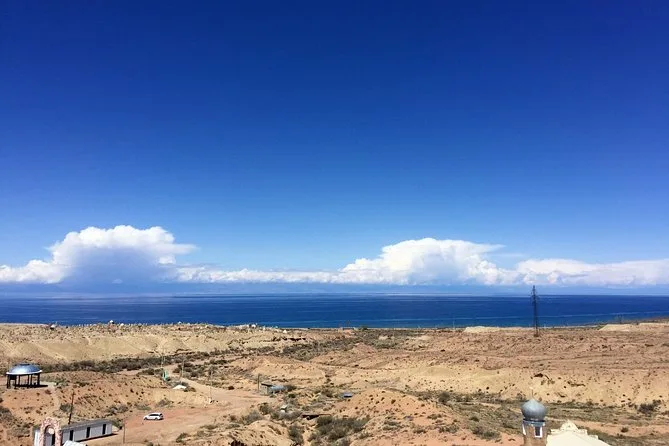
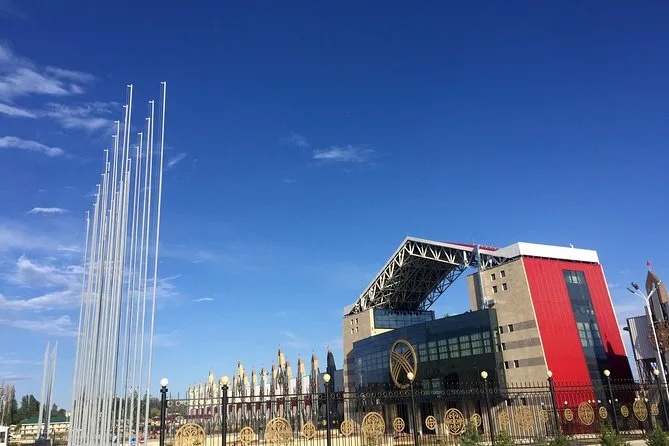
By afternoon, we rolled into Cholpon-Ata on the north shore of Issyk-Kul Lake. The lake’s so big it almost looks like a sea, and there’s this salty tang in the breeze. We checked out the Nomad Games Stadium (it was quiet that day but you could imagine crowds cheering), then wandered through an open-air field scattered with petroglyphs—some of them are thousands of years old. Our guide let us linger at the State Historical Museum too; I liked seeing old yurts set up inside and hearing stories about how people used to live here. That night we crashed at a small hotel nearby—nothing fancy but clean sheets and hot tea waiting in the lobby.
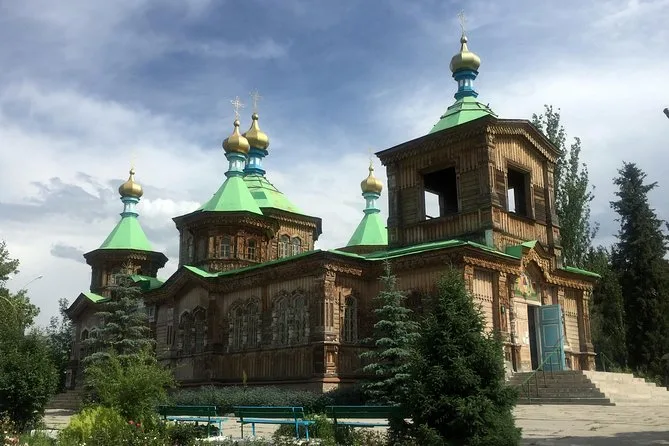
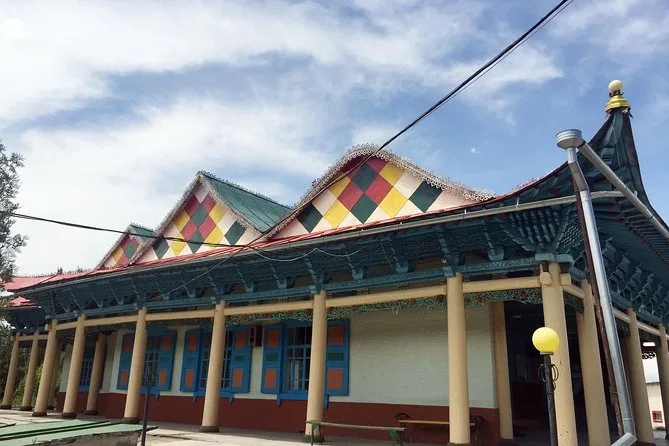
The next day was all about Karakol. It’s only a couple hours’ drive from Cholpon-Ata, but you notice how Russian-style houses start popping up as you get closer. In town, we visited the Russian Orthodox Cathedral—its blue domes stood out against grey skies—and then walked over to the Dungan Mosque. The mosque is wooden and painted every color you can think of; our guide explained it was built without nails by Chinese Muslim immigrants over a century ago. After lunch at a local café (I tried lagman noodles for the first time), we headed for the mountains behind Karakol for some trekking. You can pick your route depending on how much energy you’ve got; even just two hours gets you into pine forests where it smells like sap and cold water runs down from glaciers.
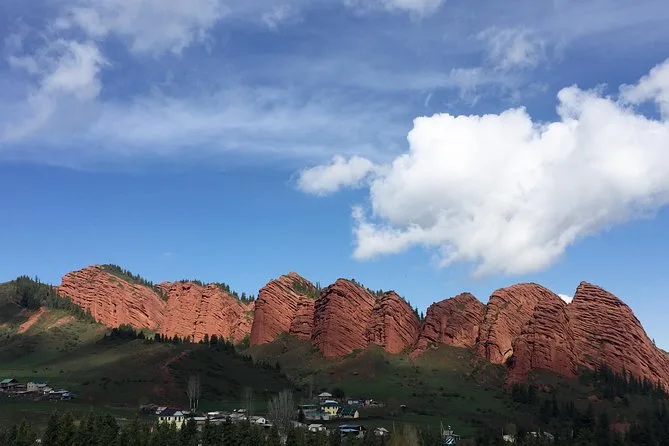
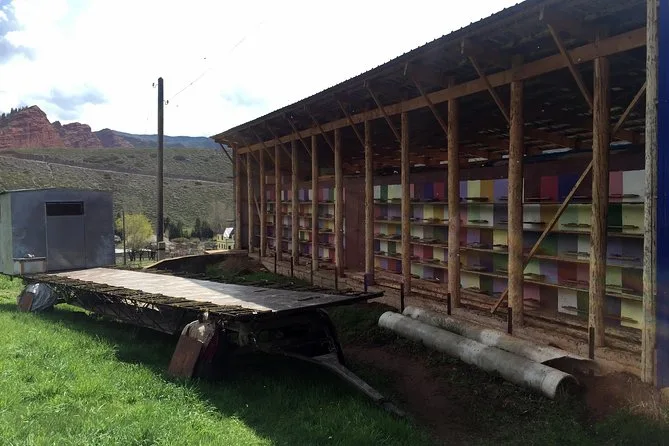
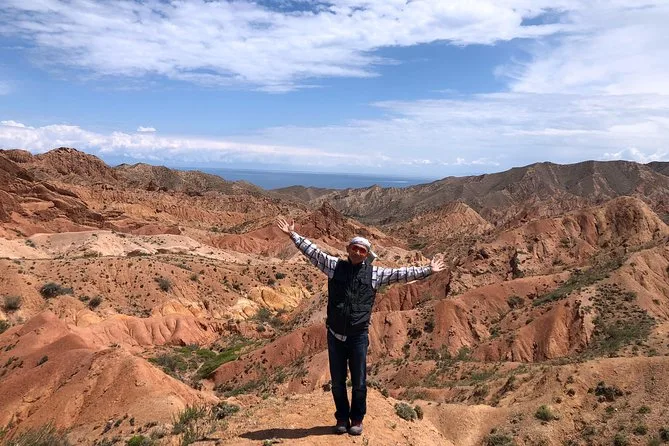
Day three started with a drive along Issyk-Kul’s south shore—the road hugs the lake most of the way. We stopped at Jety Oguz gorge first; those red cliffs really do look like seven bulls lined up together, just like locals say. There were bee farms nearby (in summer they’ll let you taste fresh honey right from the comb). Next came Barskoon gorge—a waterfall tumbles down between rocks here and if you listen close enough, you’ll hear nothing but water and wind for minutes at a time. Before reaching Bokonbaevo for our overnight stop, we hiked through Fairy Tale Canyon where sandstone shapes twist into dragons or castles depending on your imagination (and maybe how tired you are). It felt almost unreal walking there as sunset turned everything orange.
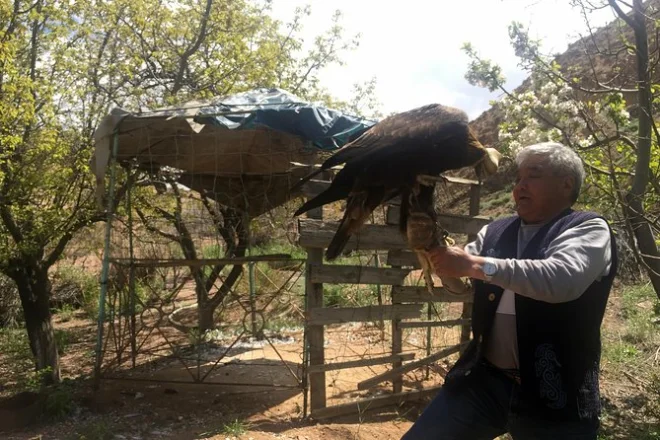
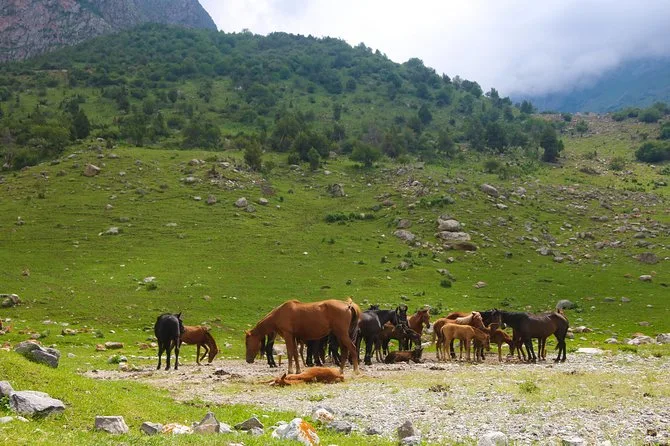
The last morning was probably my favorite: outside Bokonbaevo we watched “Salbuurun”—traditional nomad hunting with golden eagles and taigan dogs. You don’t forget seeing an eagle swoop down right in front of you or hearing handlers whistle commands in Kyrgyz. Later we visited a horse breeding farm; kids from our group got to feed foals while older folks chatted with trainers about racing traditions here. By evening we were back in Bishkek—tired but honestly wishing we had one more day by that lake.
 4d
4d

Step-by-step itinerary
Day 1 — Bishkek to Cholpon-Ata
- Visit Burana Tower and Balasagun ruins
- Explore Nomad Game Stadium and open-air museum
Day 2 — Cholpon-Ata to Karakol
- Visit Russian Orthodox Cathedral and Dungan Mosque; trekking in Karakol
Day 3 — Jety Oguz, Barskoon, Fairy Tale Canyon
- Visit Jety Oguz gorge and bee farm
- Adventure at Barskoon gorge waterfall
- Walk in Fairy Tale Canyon
Day 4 — Bokonbaevo to Bishkek
- Watch Salbuurun hunting activities and visit horse breeding farm

Top questions

Can I request to stay in a yurt instead of hotels?
Yes! Just let us know when booking—we can arrange yurt stays on nights two or three depending on your preference.
Is this tour suitable for families with kids?
Absolutely—it works for all fitness levels and kids love meeting animals at farms or watching eagle hunting demonstrations.
What languages do your guides speak?
Our guides speak English, Chinese, or Russian—just tell us your preference when booking so we match you with the right person.
Are meals included during the tour?
Meals aren't included by default but there are plenty of local cafés along each stop where guides can help order traditional dishes.
How long is each day's driving time?
No single stretch is more than 2–3 hours at once; there are frequent stops for sightseeing or breaks along scenic spots.

What’s included
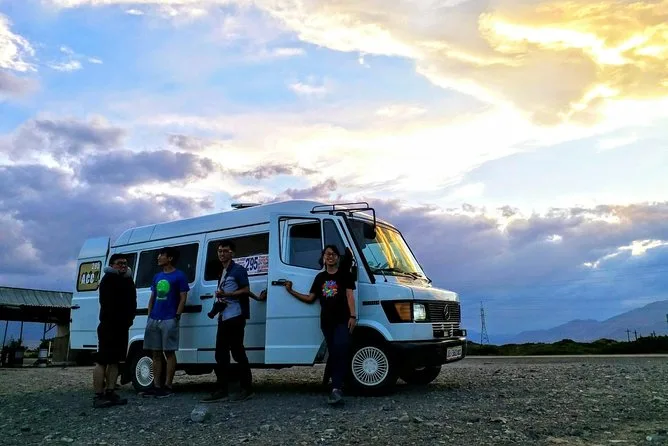
Your English-, Chinese-, or Russian-speaking guide will be with you throughout; all entrance fees are covered; comfortable transport between sites is included too! Service animals are welcome and public transport options are nearby if needed.
 Super deal
  Free booking, free cancellation.
  Don't lose your place.


 Do you need help planning your next activity?
  +507 6792-0894


