

 +507 6792-0894


Tokyo: Tea Ceremony Workshop with Sakura Tea & Matcha Tasting


Summary
Tokyo’s quiet tea room rituals with matcha & cherry blossom tea
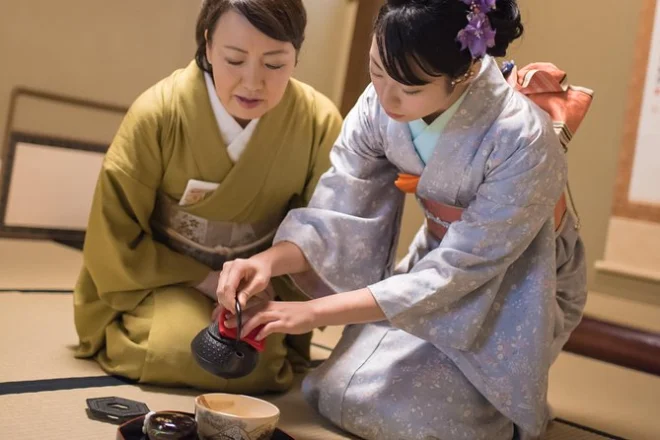
You’ll step into an old Tokyo house for a real chado workshop—sipping sakura tea, tasting strong koicha matcha, and trying your hand at making usucha under Mika’s gentle guidance. Expect moments of quiet focus, laughter over wobbly foam, and flavors you probably haven’t met before. There’s an odd comfort in sharing sweets with strangers on tatami mats—you might leave thinking about silence differently.

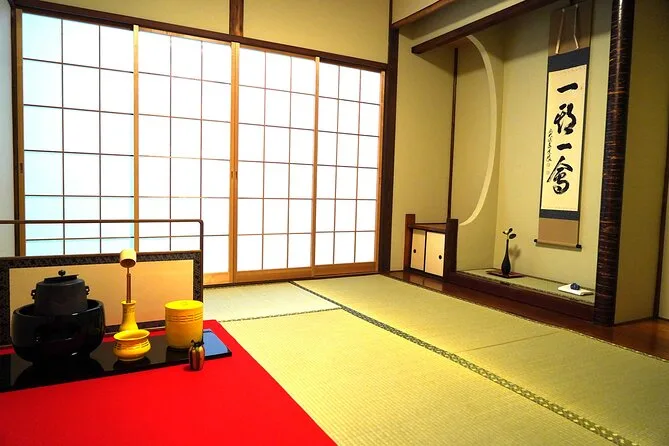
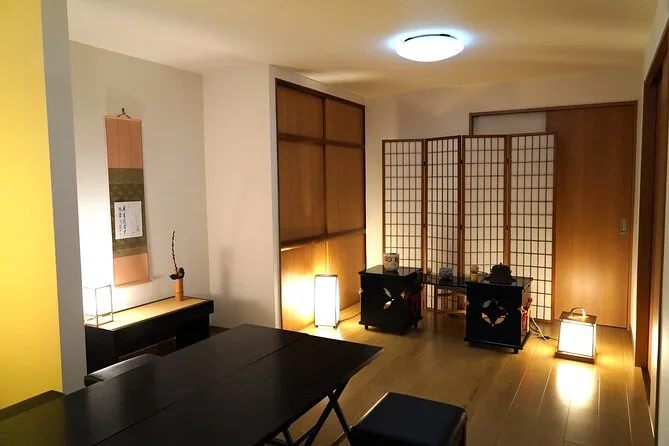
We’d barely slipped off our shoes when Mika-san welcomed us in—her voice soft but somehow firm, like she’d done this a thousand times. The house smelled faintly of old wood and something floral (maybe the sakura tea she handed us right away). I remember feeling clumsy trying to bow properly. There was this gentle hush in the tatami room, broken only by the rustle of socks on straw mats and someone’s phone buzzing before they remembered to silence it.
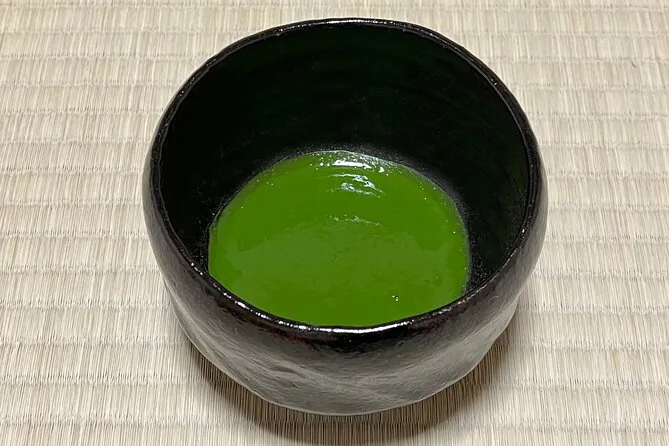
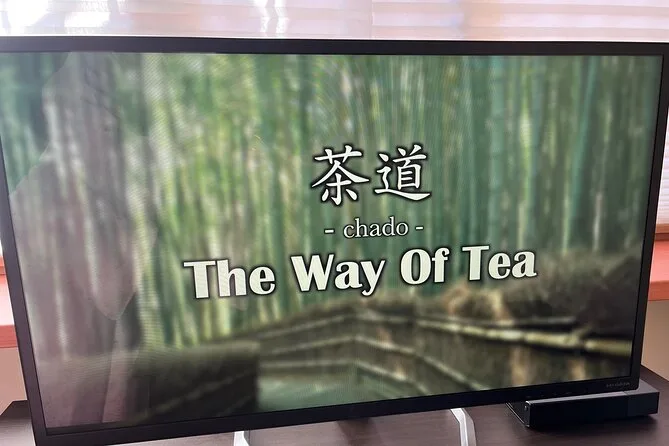
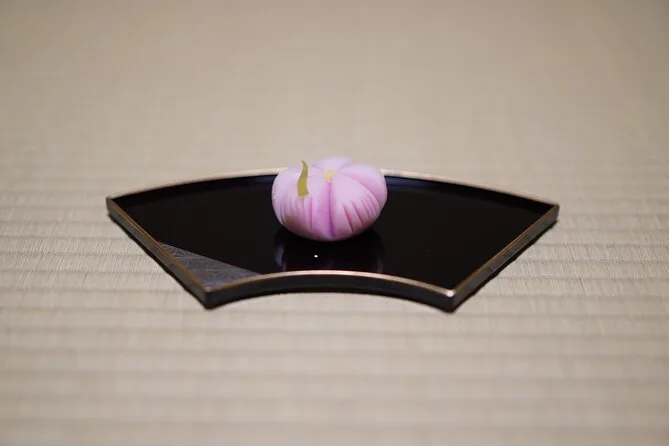
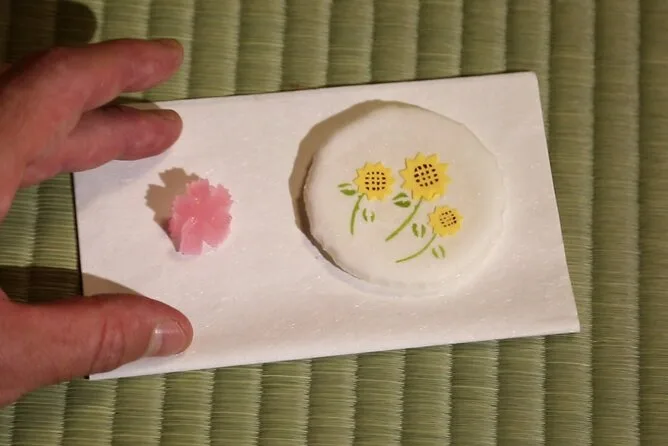
Mika played a short video about chado—honestly, I wasn’t sure I’d follow all the history bits, but her explanations helped. She pointed out how every movement in the tea ceremony has meaning. When we tried sitting on the floor, my knees cracked so loud even Mika grinned and offered me a chair. The matcha itself? Koicha was thick and almost grassy-bitter, nothing like what you get at cafes. We nibbled these tiny sweets first—delicate shapes I was afraid to touch, let alone eat.
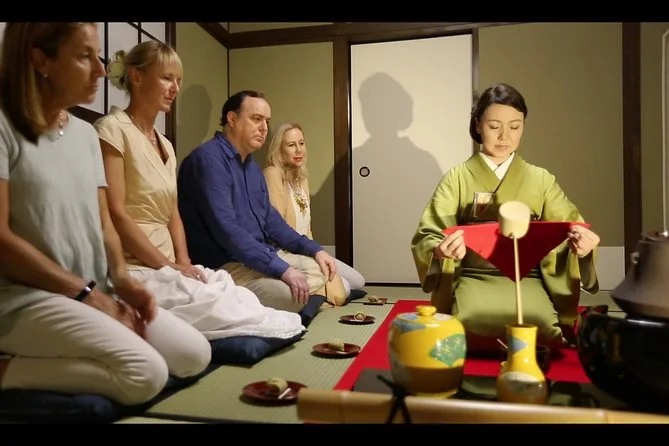
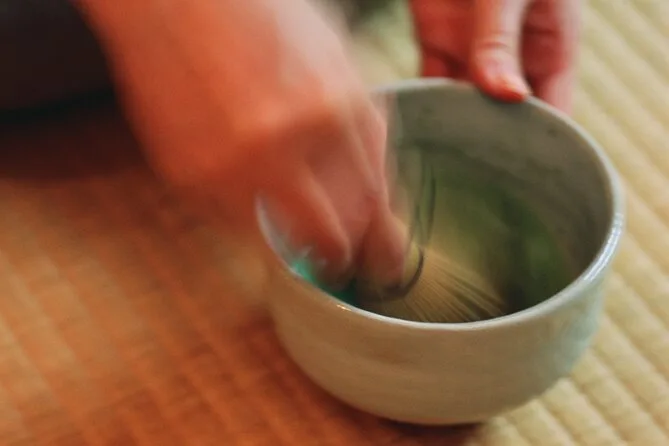
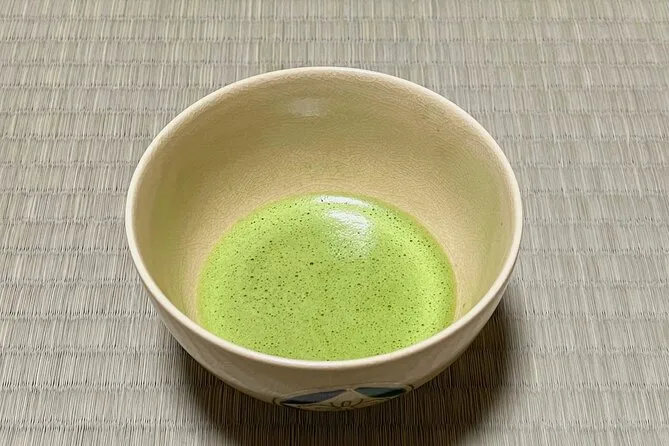
I still think about that moment when everyone went quiet for meditation. Outside, some crows called over the rooftops and sunlight slid through paper screens. It felt like time stretched out differently in there. Making my own bowl of usucha (the lighter matcha) was trickier than it looked—my foam came out lopsided but Mika just nodded and said “good heart.” Not sure if that was true but I’ll take it.
 1.1d
1.1d

Step-by-step itinerary
Day 1 — Tea Ceremony Workshop Experience
- Arrive at new workshop address
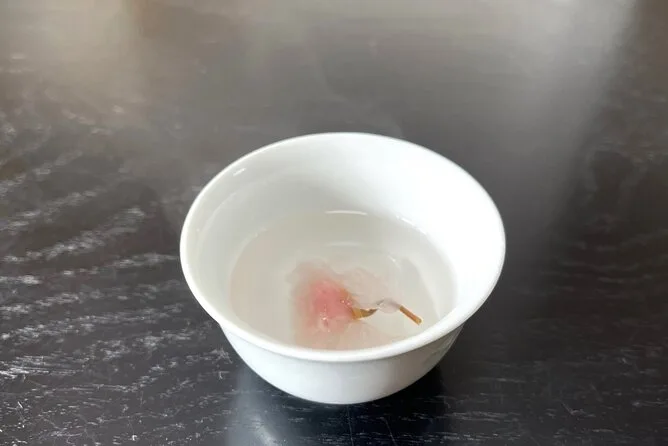
- Receive welcome Sakura tea
- Watch 10-minute Chado introduction video
- Enter and enjoy meditative tea room
- Eat traditional Japanese confection
- Participate in meditation session
- Observe formal koicha tea ceremony
- Taste strong koicha matcha tea
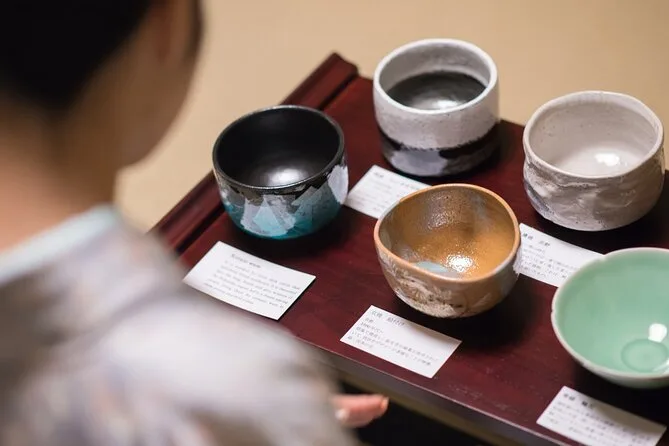
- Learn about tea bowl varieties
- Take hands-on usucha tea lesson
- Enjoy dry sweets before usucha
- Drink a bowl of usucha tea
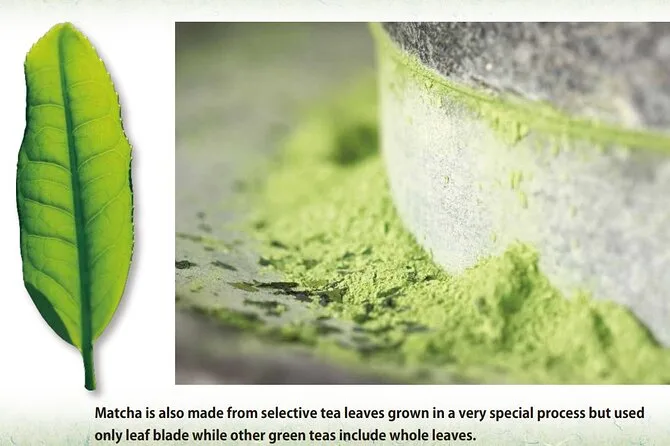
- Learn about matcha powder

Top questions

Is this Tokyo tea ceremony suitable for beginners?
Yes, no experience is needed; Mika guides everyone through each step.
What teas are included in the workshop?
You’ll taste sakura (cherry blossom) tea, koicha (thick matcha), and usucha (light matcha).
Are there traditional Japanese sweets served?
Yes, three kinds of Japanese confections are included during the ceremony.
Do I have to sit on the floor during the ceremony?
No; chairs are available if you can’t sit on tatami mats comfortably.
Is there an age limit for participants?
The workshop is designed for ages 10 and above.
Where is the tea ceremony held in Tokyo?
It takes place in a 1940s Japanese house near public transport; exact address provided after booking.
Is pickup included for this day trip or do I go directly?
No pickup is included; you arrive directly at the location by public transport.
What should I wear to join this tea ceremony?
Avoid miniskirts or tight pants; socks are required inside the tea room.

What’s included
Your experience includes a welcome cup of cherry-blossom tea, two types of matcha (koicha and usucha), three different Japanese confections to sample along the way, plus hands-on instruction from Mika Soka Haneishi herself—all set inside a quietly atmospheric 1940s Tokyo home where socks are kindly required on tatami mats.
 Super deal
  Free booking, free cancellation.
  Don't lose your place.


 Do you need help planning your next activity?
  +507 6792-0894


