

 +507 6792-0894


Tokyo: Sumo Wrestling Tournament Tickets & Local Guide
 3h 30m
 4.84
(877 reviews)
4.84
(877 reviews)

Summary
Sumo bouts, stadium snacks, local stories—Tokyo’s tournament energy
You’ll slip into Tokyo’s sumo world with reserved tournament seats, a friendly English-speaking guide who shares stories and tips, time for stadium snacks (yakitori is a must), and plenty of chances to ask questions or just soak up the energy around you. It’s not just watching—it’s feeling part of something bigger for an afternoon.

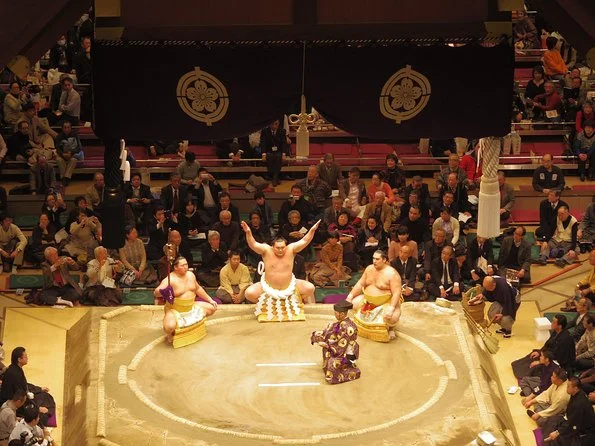
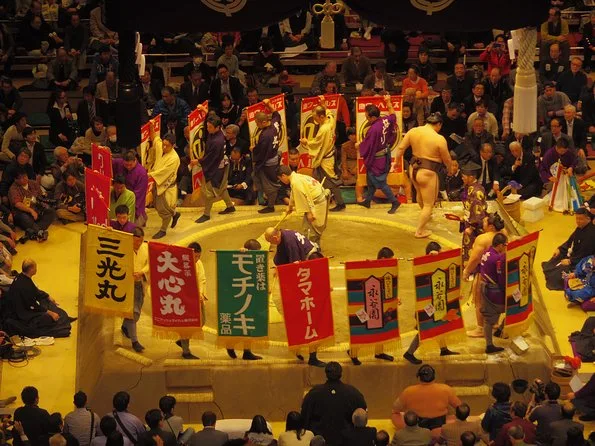
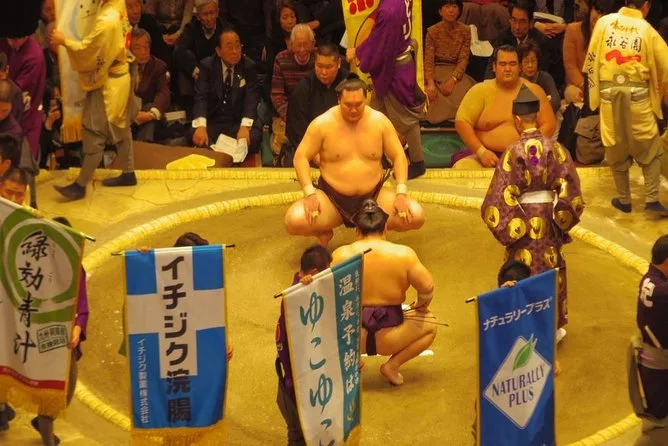
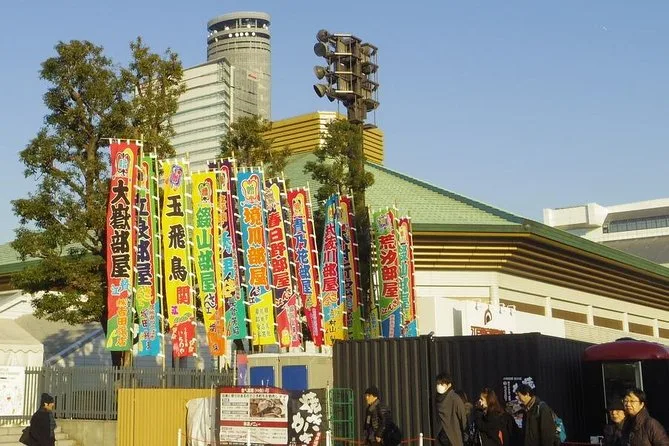
I’ll be honest, I’d only seen sumo on TV before Tokyo. But walking with our guide—her name was Yuki, she wore this bright scarf—toward the Kokugikan Stadium, I felt something shift. There was this low buzz outside, people lining up with bento boxes and little kids already waving flags. Yuki handed us our tickets right there by the river (super easy), then started telling us about the wrestlers’ rituals and why everyone seemed so serious but also kind of giddy. She even pointed out which banners belonged to which stables—like tiny details you’d never notice if you just went alone.
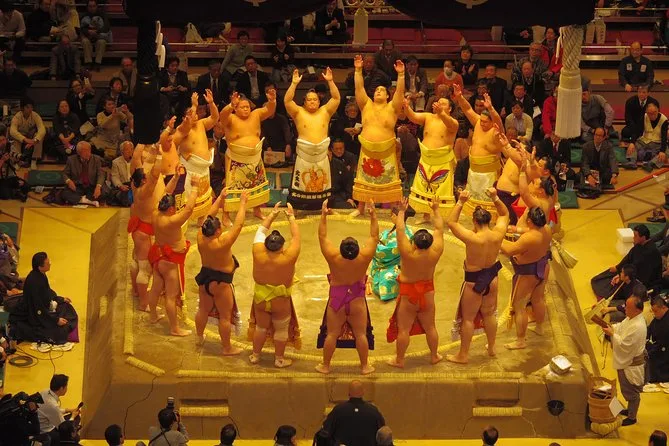
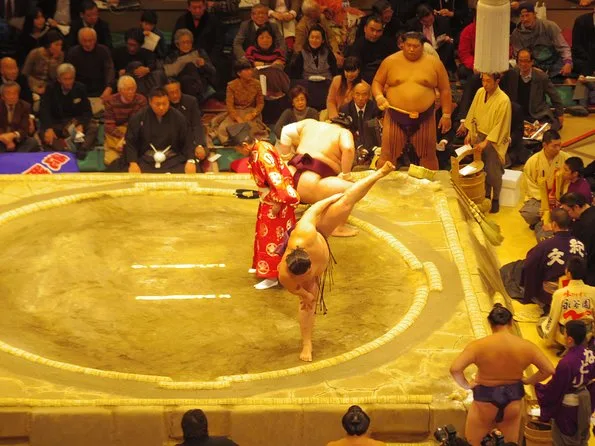
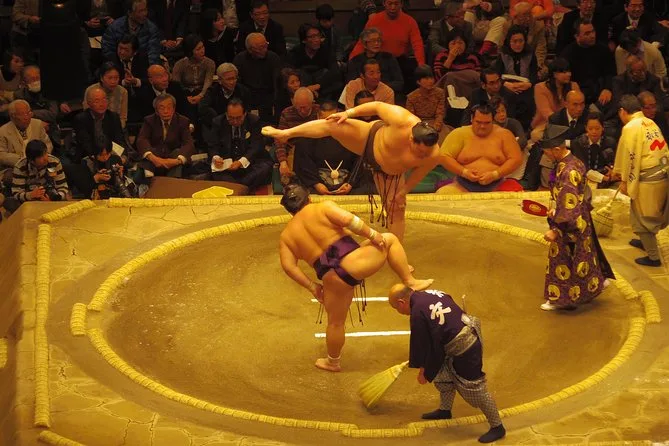
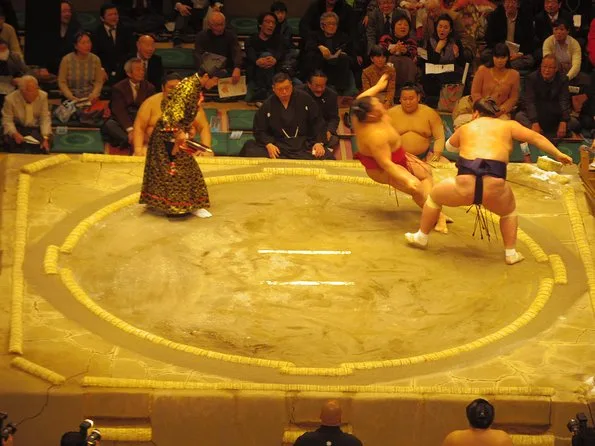
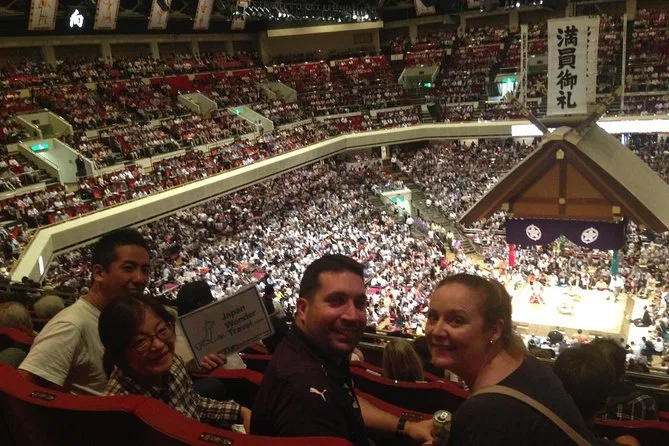
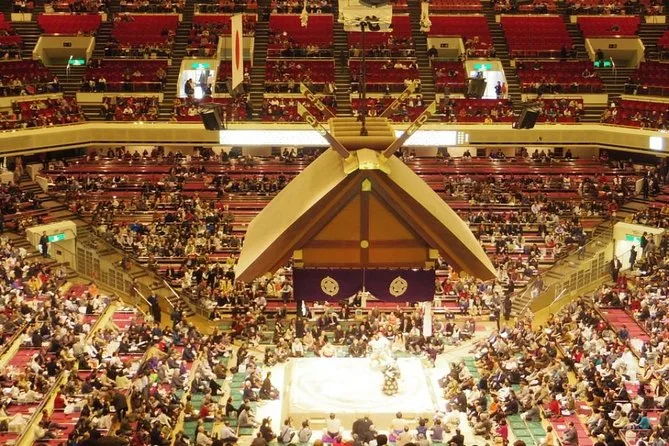
Inside the stadium it smelled like fried chicken skewers and sweet soy sauce—I caved and grabbed yakitori before we found our seats on the second floor. The view was better than I expected; you could see every stomp and salt toss. The crowd would go quiet for a second before each match, then suddenly roar when someone pulled off a big throw. At one point I tried to say “yokozuna” properly and Yuki laughed—apparently my accent was way off. But she kept explaining things between bouts, like how some wrestlers have their own fan clubs that bring special banners or snacks. It made everything feel less like watching a sport and more like being let in on a local secret.
I still think about that moment when the sunlight hit the ring just right through the high windows, dust floating around as two giants squared up. We stayed until late afternoon—time sort of melted away—and honestly, I didn’t want to leave yet. If you’re curious about sumo wrestling in Tokyo and want to understand what’s actually happening (not just stare blankly at giant men), this day trip is worth it. Plus, having someone explain all those little traditions makes it stick with you longer than you’d expect.
3h 30m

Step-by-step itinerary
Day 1 — Sumo tournament experience in Tokyo
- Meet at Ryogoku River Center
- Receive sumo tournament ticket
- Walk to Ryogoku Kokugikan stadium
- Visit Sumo museum (optional)
- Watch grand sumo tournament
- Tour finishes at 6:00 pm

Top questions

When are sumo tournaments held in Tokyo?
The main sumo tournaments in Tokyo take place three times a year: January, May, and September.
Where does the sumo tournament happen?
The tournament is held at Kokugikan Sumo Stadium in Ryogoku, Tokyo.
Is food included in the tour price?
No, food and drinks are not included but can be purchased inside the stadium.
Are children allowed on this tour?
Yes, children are welcome. Kids 3 years old and under can enter for free but must sit on your lap.
How do I get my ticket for the sumo tournament?
Your English-speaking guide will hand out your reserved seat ticket at the meeting point on tour day.
Is there stroller storage available?
Yes, strollers can be stored at the stadium but cannot be brought up to your seat.
How far is it from meeting point to stadium?
The walk from Ryogoku River Center to Kokugikan Sumo Stadium takes about 2 minutes.
Will we visit the Sumo Museum during this tour?
A visit to the Sumo Museum is planned but may be skipped if it’s too crowded.

What’s included
Your day includes entry ticket for reserved chair or box seat at Kokugikan Sumo Stadium (usually second floor), an English-speaking local guide who meets you at Ryogoku River Center and walks with your group to the venue while sharing background about sumo history, plus guidance throughout the matches so you don’t miss any of those small traditions or moments that make sumo unique.
 Super deal
  Free booking, free cancellation.
  Don't lose your place.


 Do you need help planning your next activity?
  +507 6792-0894


