

 +507 6792-0894


Tokyo Sumo Stable Tour: Morning Training & Chanko-Nabe Lunch
 4h 10m
 4.99
(573 reviews)
4.99
(573 reviews)


Summary
Watch sumo wrestlers train up close then share chanko-nabe lunch
You’ll step inside a real Tokyo sumo stable for ringside morning training with local wrestlers, try their daily chanko-nabe lunch (after making dumplings together), and hear stories from your guide about sumo’s traditions. It’s personal, lively, sometimes funny — and leaves you with an unexpected sense of connection.

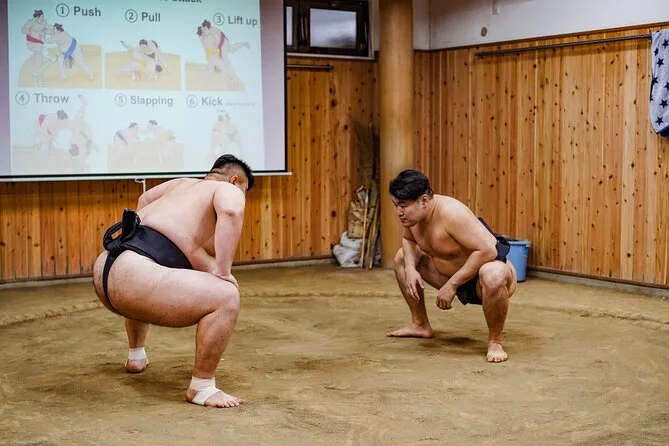
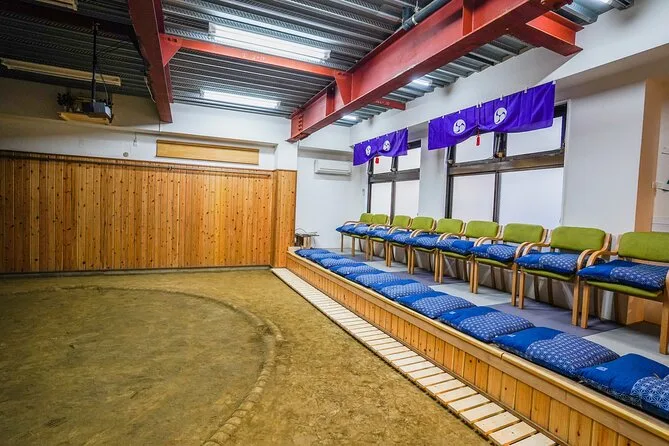
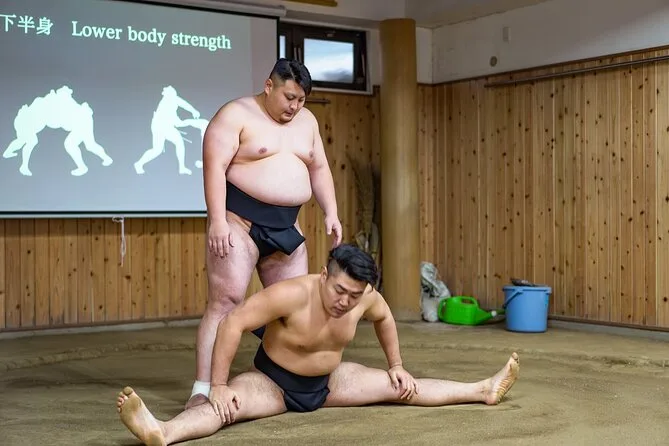
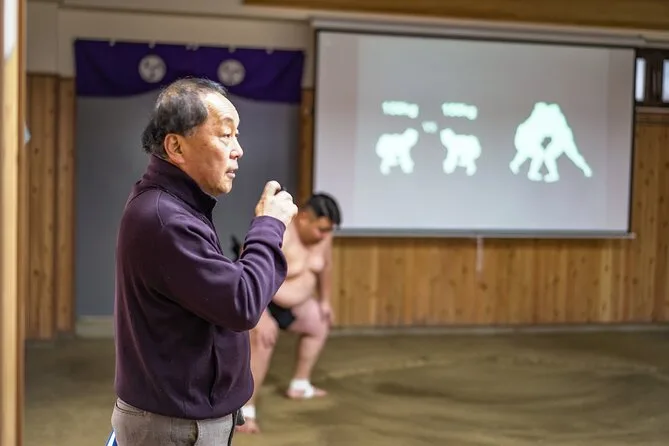
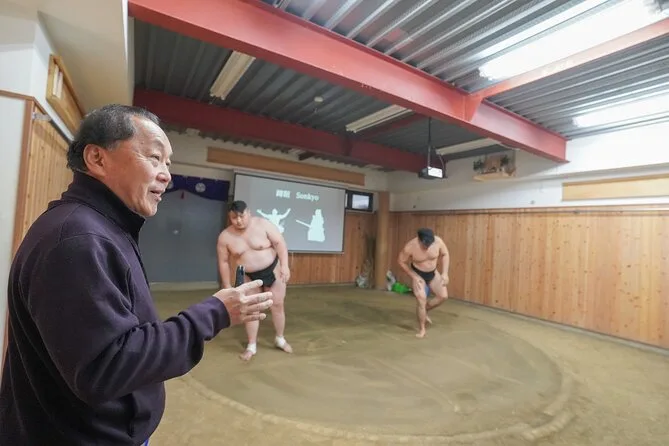
I didn’t really know what to expect when I met our guide at Shin-Kawasaki Station — just a handful of us, still half-awake, shuffling toward this old sumo stable tucked away behind quiet streets. The building looked almost plain from outside, but inside there was this heavy silence, broken only by the thud of bare feet on clay and the deep grunts of the wrestlers. Our guide, Yuki, explained how these guys live here together, waking before sunrise and training for hours every single day. He pointed out their tiny bunks and the bath — honestly, it felt more like a monastery than a gym.
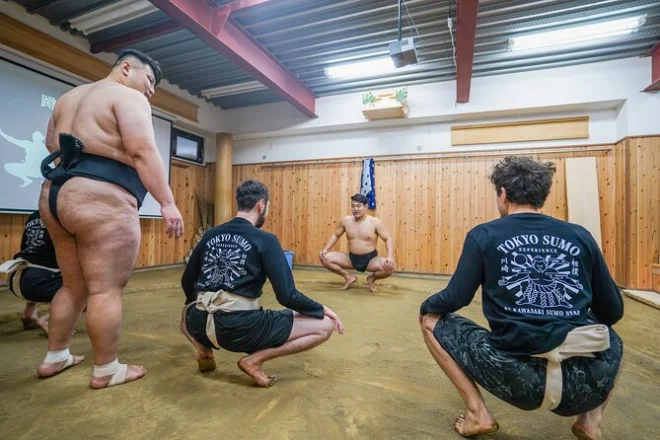
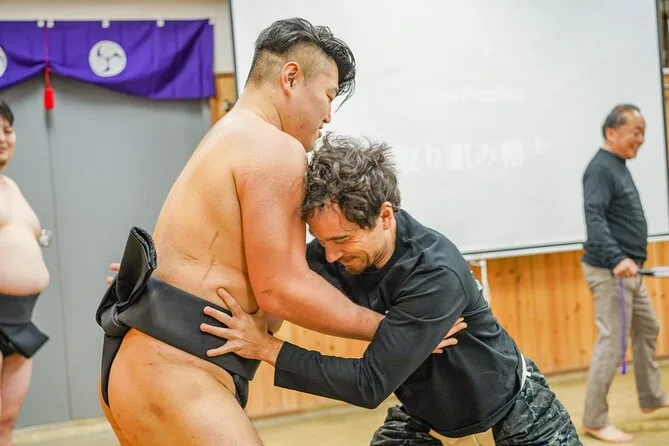
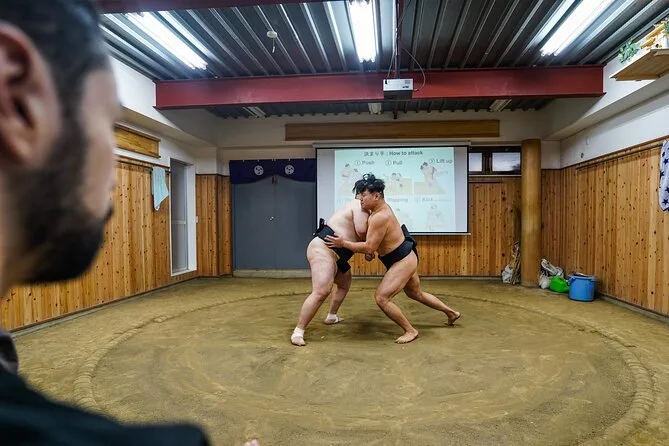
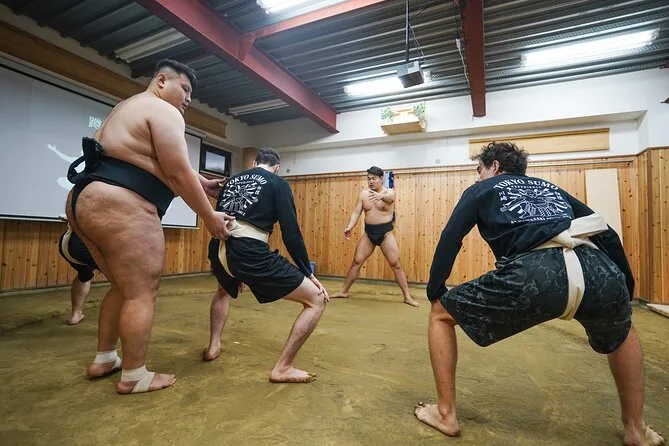
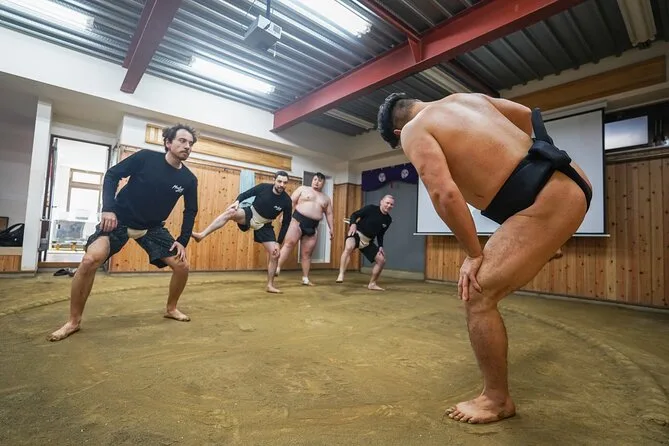
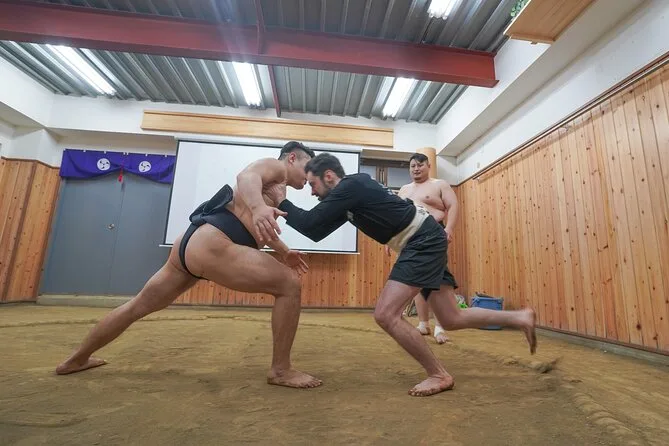
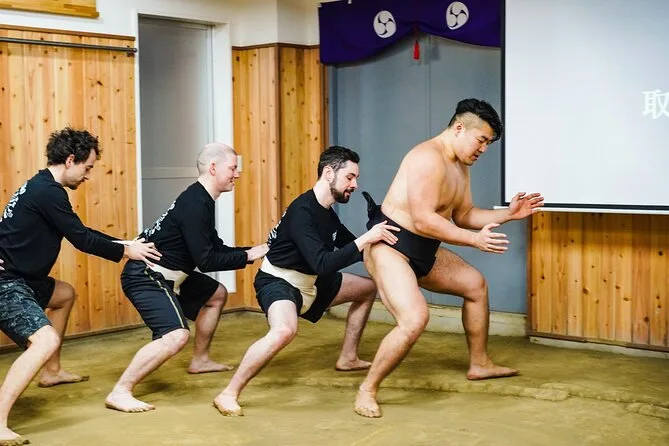
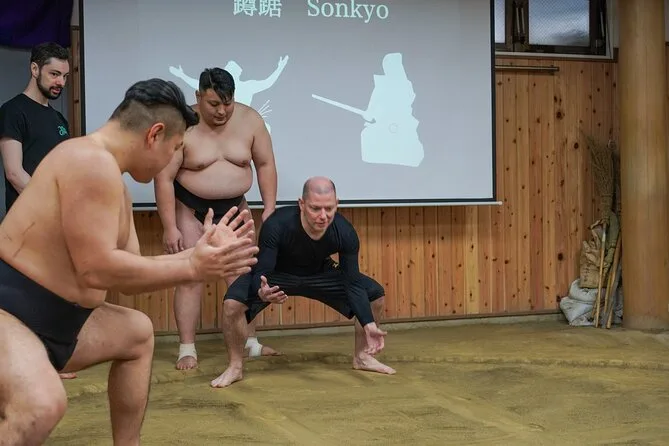
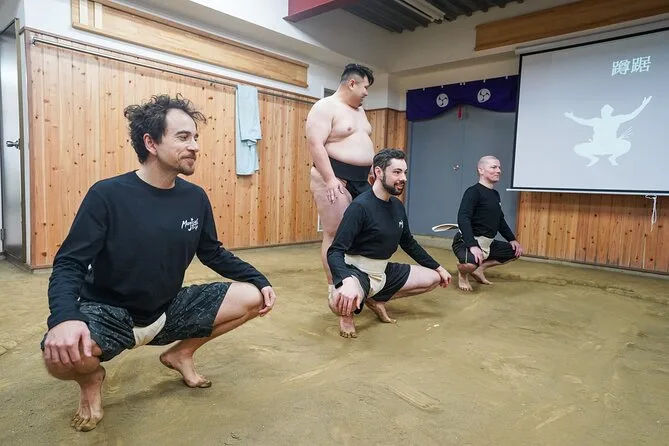
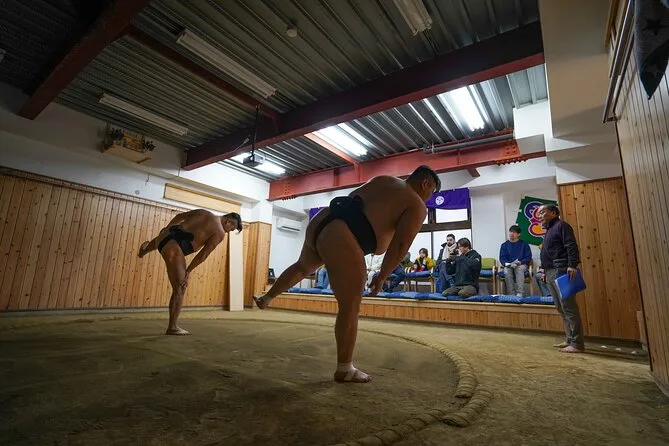
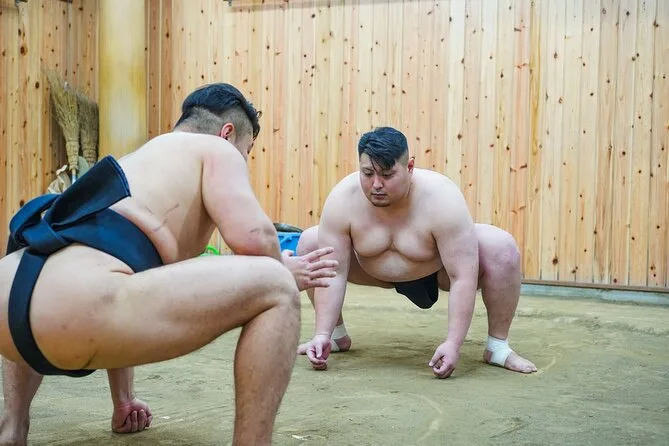
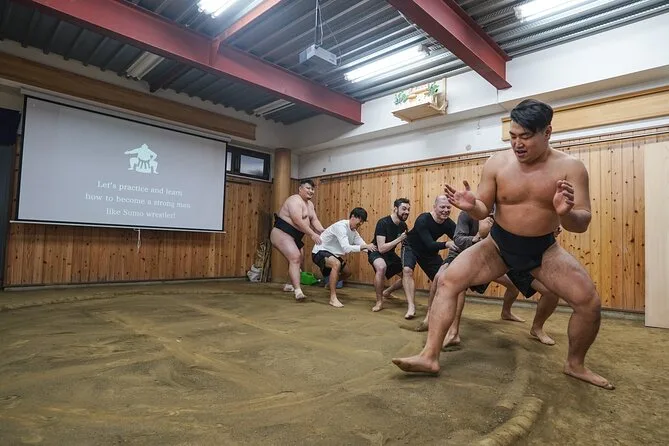
We sat right at the edge of the ring while they practiced. The air smelled faintly of sweat and tatami mats. It’s hard to explain how close you are — you can actually feel the vibration when they collide. One wrestler caught me staring (I probably looked shocked) and grinned; his ear was swollen from years of matches. Yuki told us about the rituals: bowing, salt throwing, all that history stretching back to samurai times. I tried mimicking one of their warm-up moves later — nearly fell over — which got a good laugh from everyone (especially Li, who kept teasing me about my “sumo squat”).
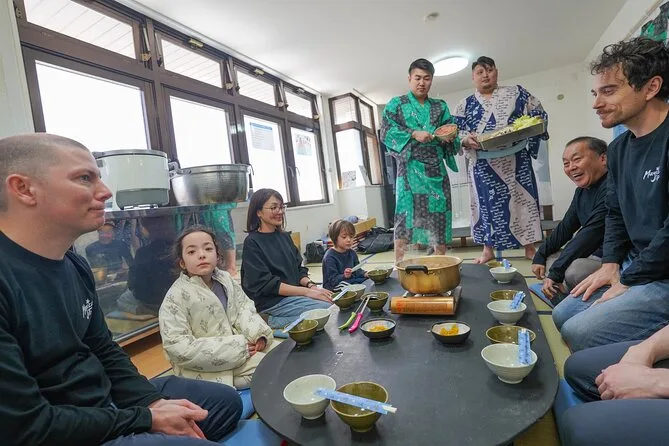
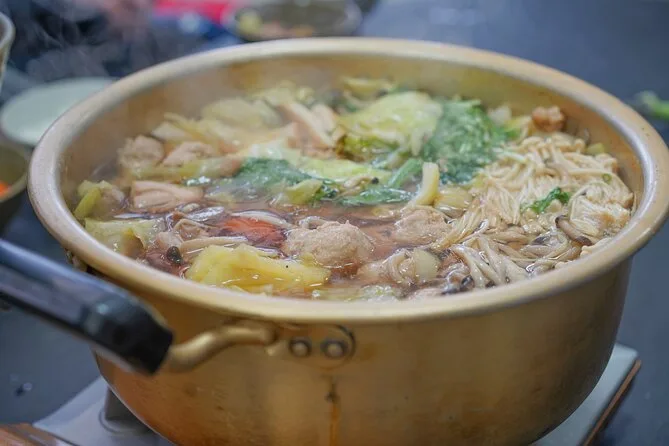
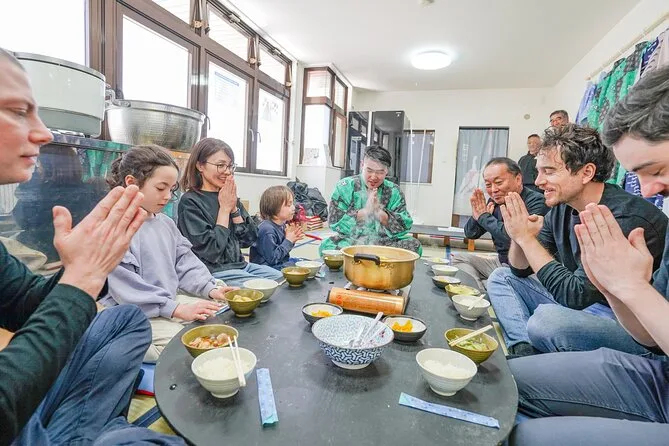
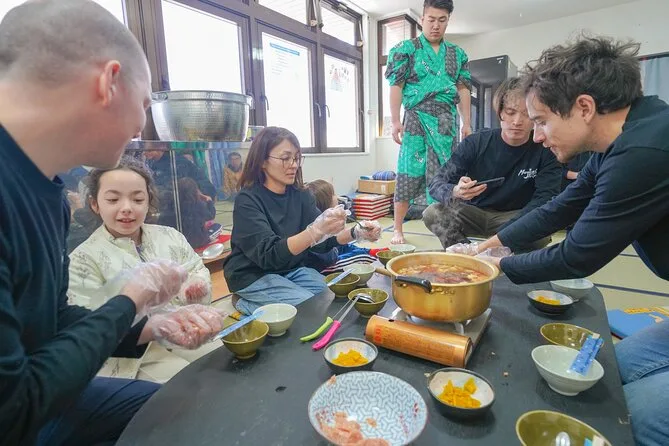
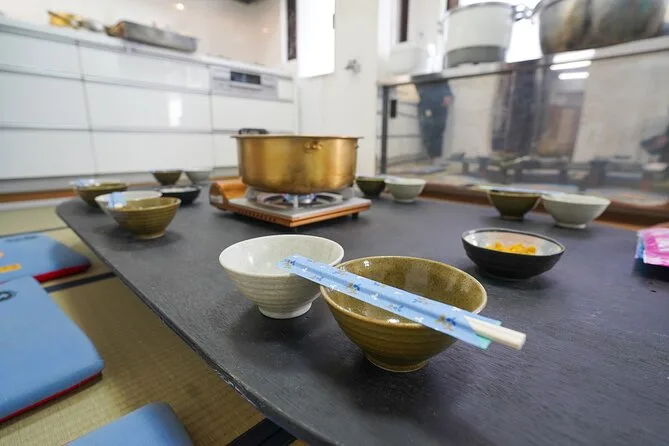
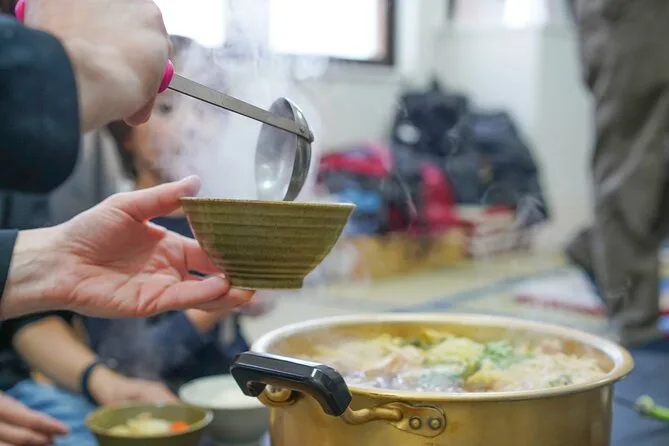
After practice we headed to the kitchen to make chicken dumplings for chanko-nabe. The wrestlers showed us how to roll them properly (my first one looked more like a meatball), and then we all squeezed around this battered wooden table that apparently used to be in their main dining room. Eating together felt weirdly intimate — steam rising off the soup, everyone slurping quietly except for bursts of laughter when someone dropped a dumpling. I still think about that taste: rich broth, soft vegetables, something earthy from all those hands working together.
I left feeling like I’d glimpsed another world hiding in Tokyo’s sprawl — not just sport but family and routine and discipline stitched into every day. Even now I catch myself remembering that early-morning hush before practice started… you know?
4h 10m

Step-by-step itinerary
Day 1 — Sumo stable visit and chanko-nabe meal
- Meet guide at Shin Kawasaki Station
- Learn sumo history and lifestyle
- Tour sumo stable rooms
- Watch morning sumo practice
- Participate in sumo training (optional)
- Make chicken dumplings for chanko-nabe
- Eat chanko-nabe with wrestlers

Top questions

How do I get to the sumo stable from Tokyo Station?
The meeting point is Shin-Kawasaki Station, about 20 minutes by train from Tokyo Station.
Can women or children participate in the sumo experience?
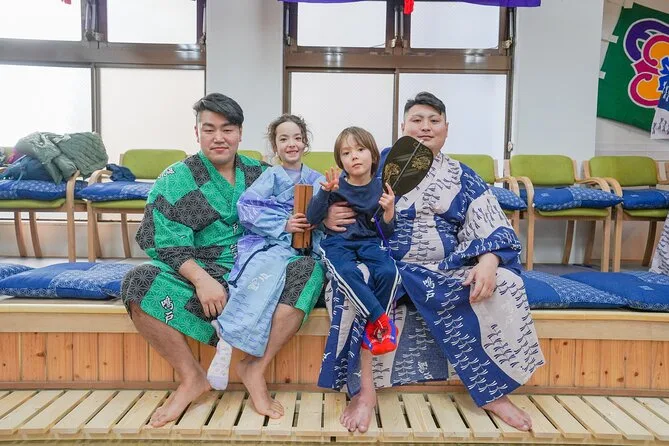
Yes, women and children are welcome to join in watching or even trying sumo movements if they wish.
What time does the morning sumo practice start?
Sumo morning practice usually begins around 7:00 a.m. and lasts three to four hours.
Is chanko-nabe included in this tour?
Yes, you’ll help make chicken dumplings for chanko-nabe with the wrestlers and eat together after practice.
Are photos allowed during the sumo stable tour?
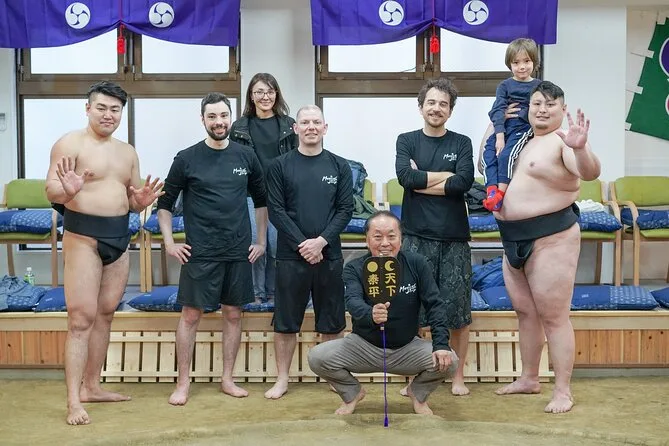
Yes, tour photos are included as part of your experience.
Is hotel pickup included?
No hotel pickup is included; you meet your guide at Shin-Kawasaki Station.
Are there any health restrictions for this tour?
This tour isn’t recommended for pregnant travelers or those with spinal or cardiovascular conditions.
Is this activity suitable for people with limited mobility?
The itinerary includes locations not accessible by wheelchair or stroller.

What’s included
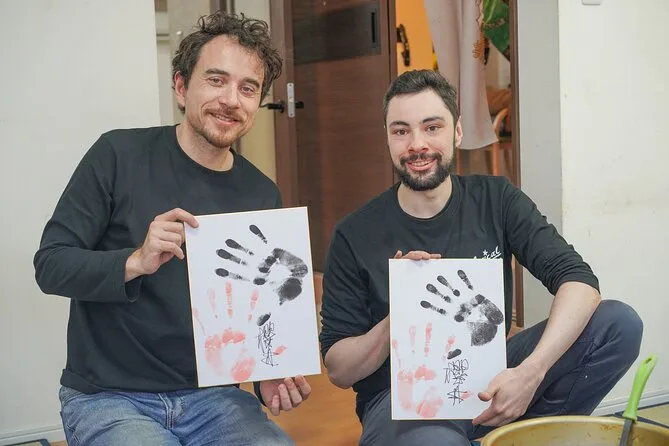
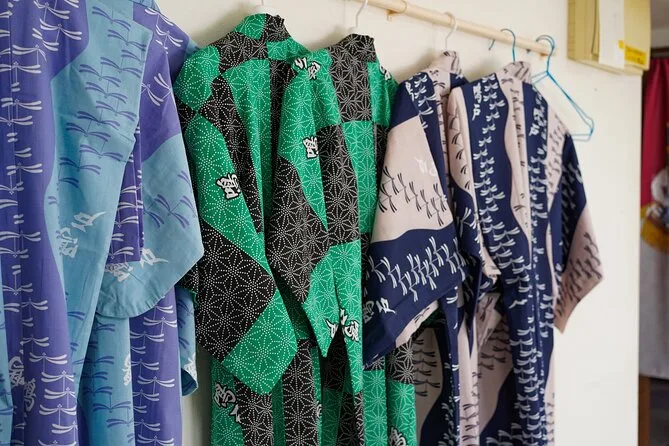
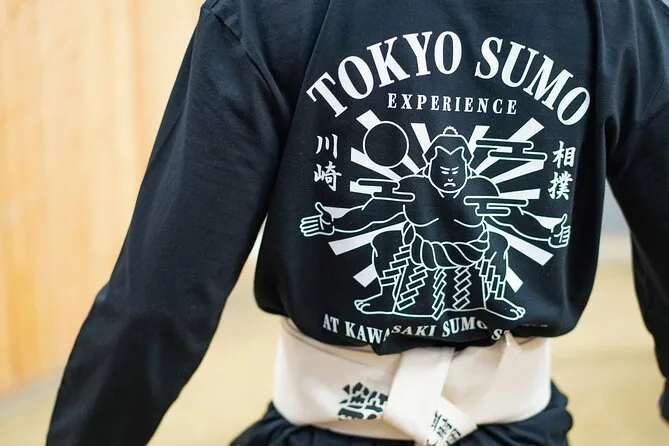
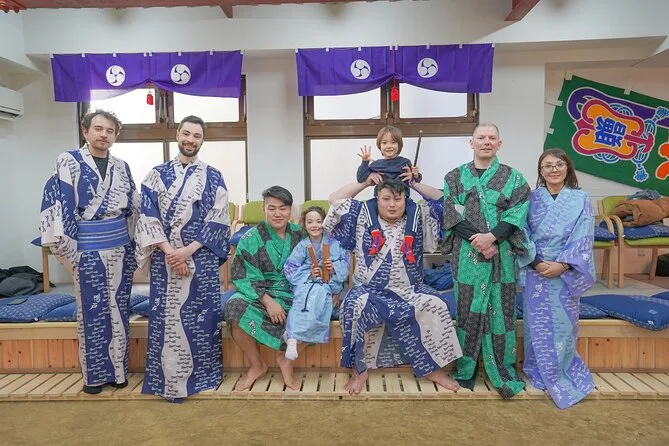
Your day includes meeting your guide at Shin-Kawasaki Station, entry into an actual sumo stable formerly used until 2022, up-close viewing of morning training ringside, opportunities to try basic sumo movements if you want (no pressure), making chicken dumplings with wrestlers for chanko-nabe lunch around their original dining table, tour photos taken along the way, plus an original T-shirt as a souvenir before heading back on your own schedule.
 Super deal
  Free booking, free cancellation.
  Don't lose your place.


 Do you need help planning your next activity?
  +507 6792-0894


