

 +507 6792-0894


Tokyo: Shinjuku Chopsticks Making Class with Japanese Tools


Summary
Shape raw wood into chopsticks in Tokyo’s Shinjuku with local craftspeople guiding every step
You’ll shape raw Japanese wood into your own pair of chopsticks using traditional tools in Shinjuku. With guidance from friendly locals, you’ll sand, smooth, and finish them by hand — no experience needed. Expect laughter over imperfections and quiet pride when you hold your finished set. This is hands-on Tokyo you can bring home.

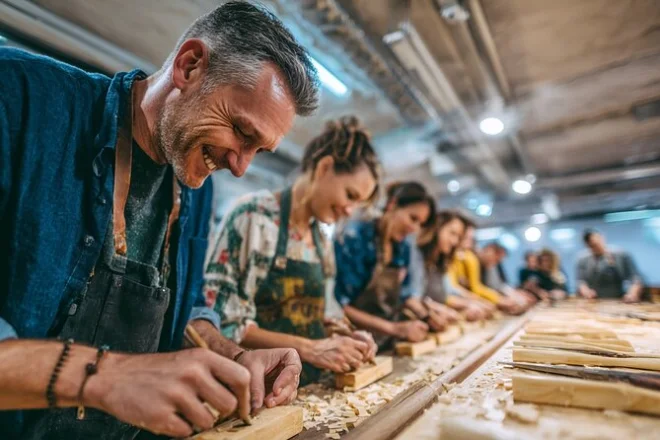
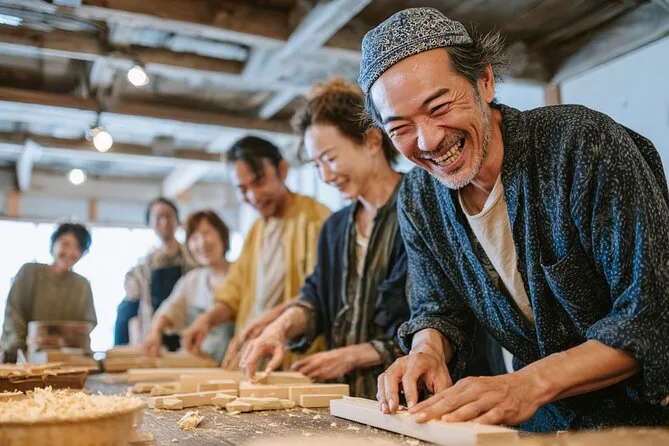
I didn’t really expect to care this much about chopsticks, but here I was in Shinjuku, sitting at a wooden workbench, holding a block of Japanese wood that smelled faintly sweet — almost like cedar after rain. Our guide, Junko, handed me a kanna (I had to ask twice how to pronounce it), and showed me how to shave the edges. She made it look so easy; my first try was more… let’s say “creative.” The shavings curled up like tiny ribbons and stuck to my sleeve. Junko just smiled and said, “No rush — wood likes patience.” I liked that.
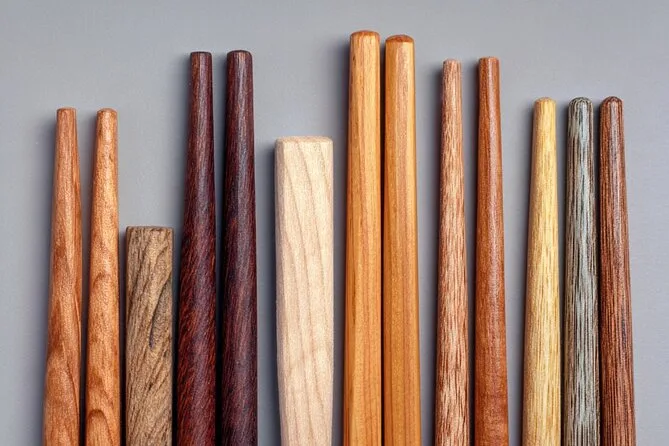
The room was warm and filled with quiet scraping sounds as everyone shaped their own chopsticks. There were a couple from Osaka next to me who picked the premium wood — dark and glossy — but I stuck with the free cypress because it felt light in my hand. Sanding them down took longer than I thought; there’s something weirdly calming about smoothing out all the rough spots by hand. Every so often someone would laugh or sigh when their chopsticks turned out lopsided (mine definitely did), but nobody seemed to mind. It wasn’t about perfection anyway.
When we finished, Junko brought out little pots of oil for us to rub on our new chopsticks. The scent changed — warmer, almost nutty — and suddenly they looked kind of beautiful, even if mine weren’t exactly straight. I still think about that feeling: making something simple with my own hands in Tokyo, surrounded by strangers who felt oddly familiar for an hour or two. If you’re looking for a different kind of souvenir (and maybe some patience practice), this is one of those small things that sticks with you.
 1h
1h

Step-by-step itinerary
Day 1 — Make your own chopsticks
- Choose wood type
- Shape wood with kanna
- Smooth and polish chopsticks
- Personalize your chopsticks

Top questions

Is the Tokyo Shinjuku chopsticks making class beginner-friendly?
Yes, it’s designed for beginners and includes step-by-step guidance from staff.
What types of wood can I choose for my chopsticks?
You can pick from several Japanese woods; two types are free, while premium woods cost extra.
Are tools and materials provided during the workshop?
Yes, all necessary tools and materials are included in the class fee.
Is the workshop accessible for wheelchairs or strollers?
Yes, the venue is wheelchair accessible and allows prams or strollers.
Can children join the chopstick making class?
Infants and small children can attend in a pram or stroller; service animals are also allowed.

What’s included
Your day includes a guided chopstick making workshop in Shinjuku with all tools and materials provided. You’ll get to choose your preferred type of Japanese wood (with two options free), use traditional kanna planes under local guidance, and take home your own handmade pair at the end.
 JP¥ 6,705.13
  Free booking, free cancellation.
  Don't lose your place.


 Do you need help planning your next activity?
  +507 6792-0894


