

 +507 6792-0894


Tokyo Imperial Palace & Edo Castle: Historical Walking Tour












Summary
Walk ancient Edo Castle ruins, samurai guardhouses, imperial gardens
You’ll walk Tokyo’s Imperial Palace grounds with a local guide, see Edo Castle ruins and samurai guardhouses up close, and pause at Yasukuni Shrine for reflection. Expect stories of shoguns and emperors mixed with peaceful moments in traditional gardens—plus a few surprises along the way that stay with you after you’ve left.

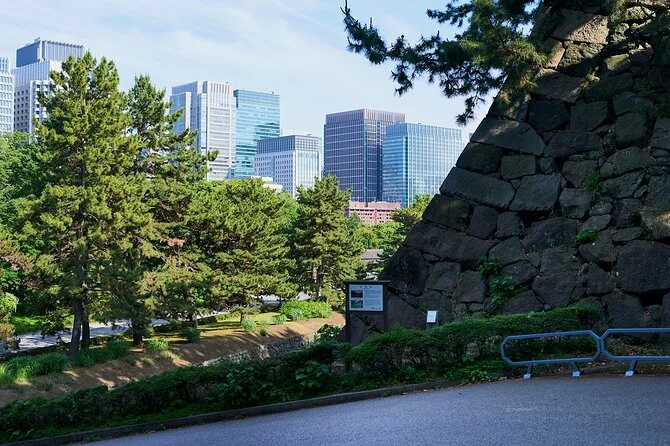
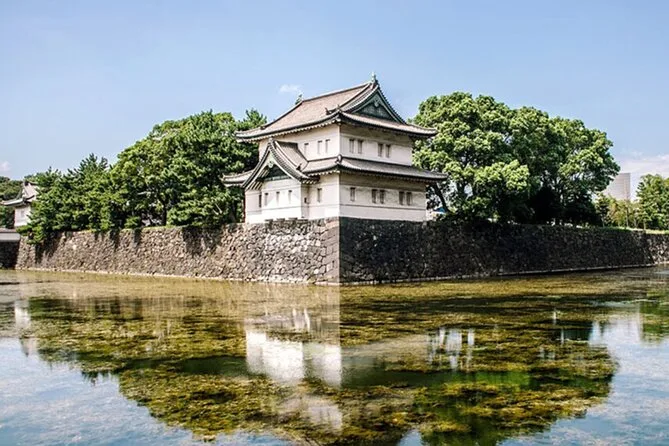
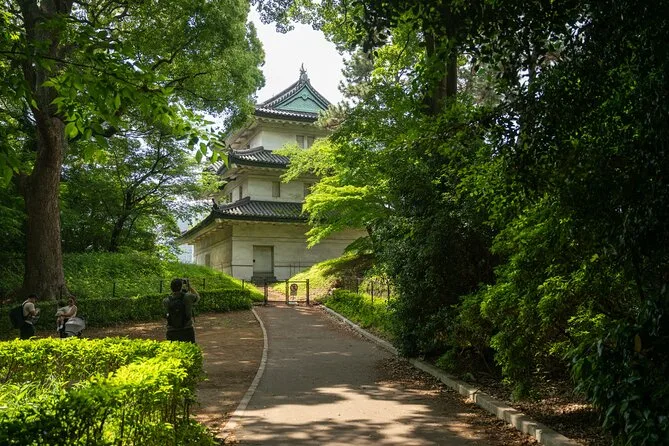
The first thing I noticed was the sound — not city noise, but gravel crunching under our shoes as we crossed the old stone bridge toward the Imperial Palace in Tokyo. Our guide, Jun, pointed out a turret still standing from the Edo period. The morning air felt sharp, almost metallic, and there was this faint scent of pine needles somewhere nearby. I kept thinking how strange it was to be surrounded by skyscrapers one minute and then suddenly feel like you’d stepped into another century.
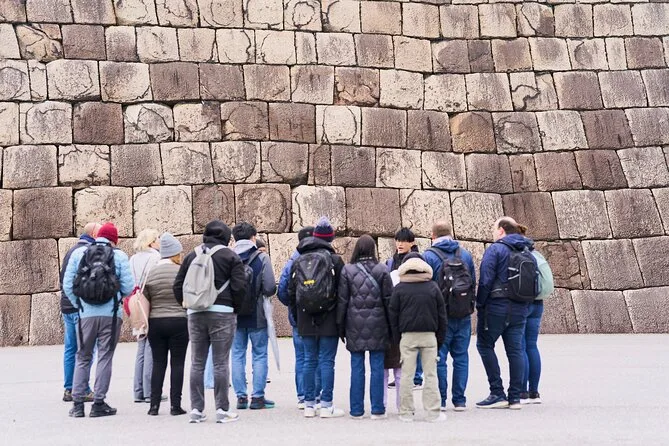
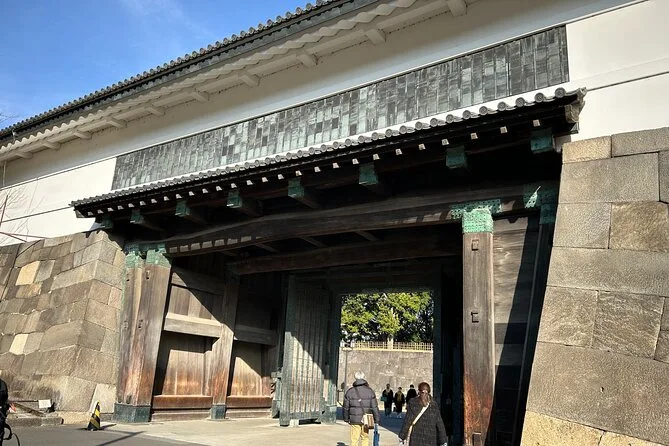
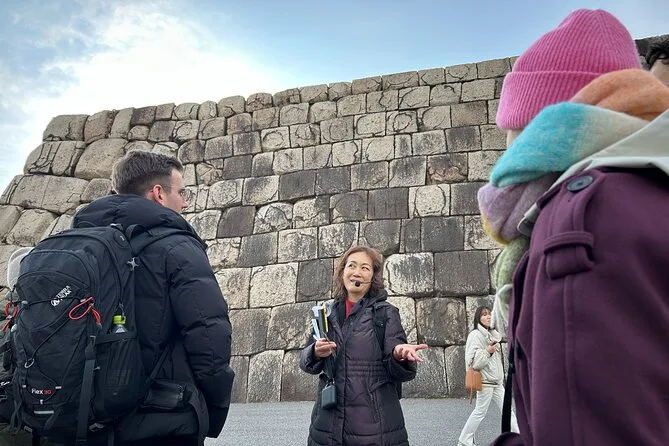
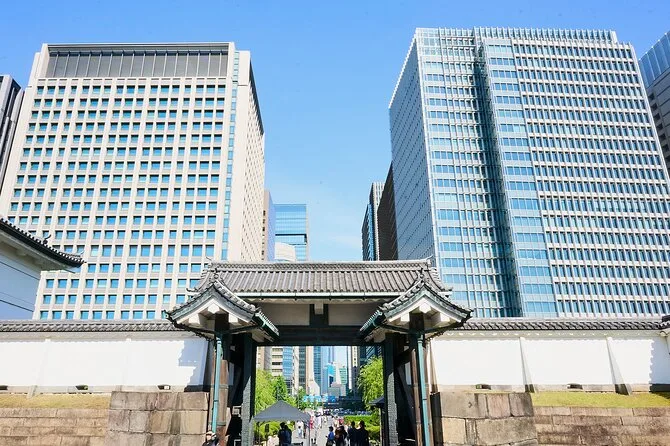
We stopped at these massive castle gates — honestly, they looked impossible to break through even now. Jun explained how the shogun’s security worked (I tried to imagine being a samurai guarding this place in full armor; probably wouldn’t last an hour). There were guardhouses everywhere, some tiny for lower-ranking samurai and one huge building where Jun said dozens would have waited for orders. He told us about their daily routines and even acted out how they’d bow or stand at attention. At one point he laughed because I tried to pronounce “Nijubashi” and definitely butchered it.
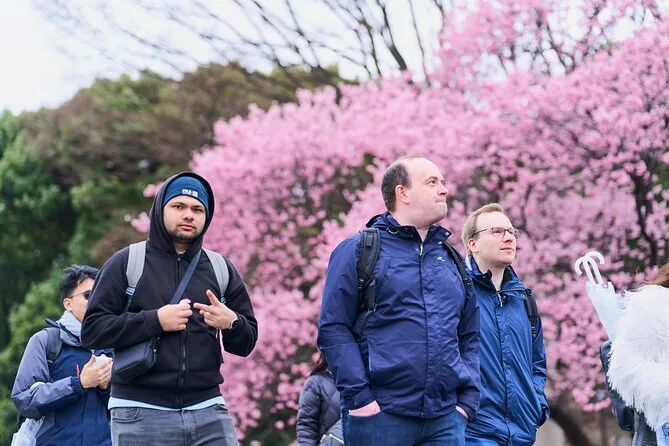
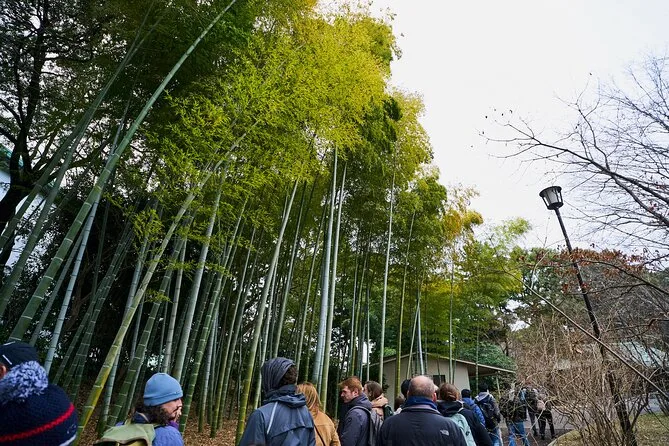
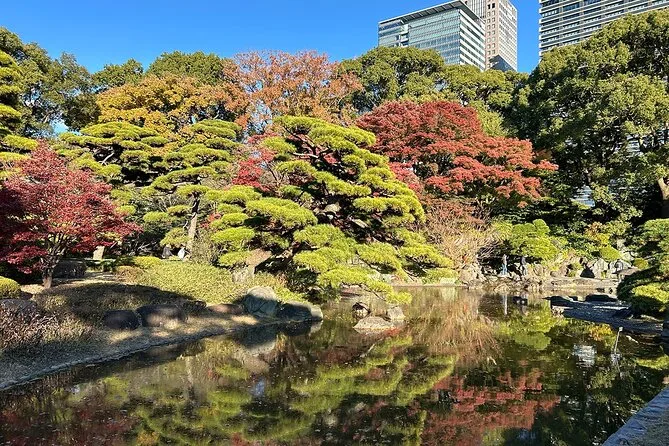
I didn’t expect to get emotional at Yasukuni Shrine — but something about the silence there made me pause. It’s not just a tourist stop; you can feel the weight of what’s happened over centuries. After that, we wandered through a garden admired by emperors (koi fish gliding under cherry blossoms — if you’re lucky with timing). By then my legs were tired but I didn’t want to rush. The tour ended in front of Tokyo Station with its ginkgo trees lined up like yellow lanterns. Sometimes I still think about that quiet stretch of path back toward modern life.
 2h
2h

Step-by-step itinerary
Day 1 — Explore Edo Castle and Imperial Palace
- See surviving Edo period turret
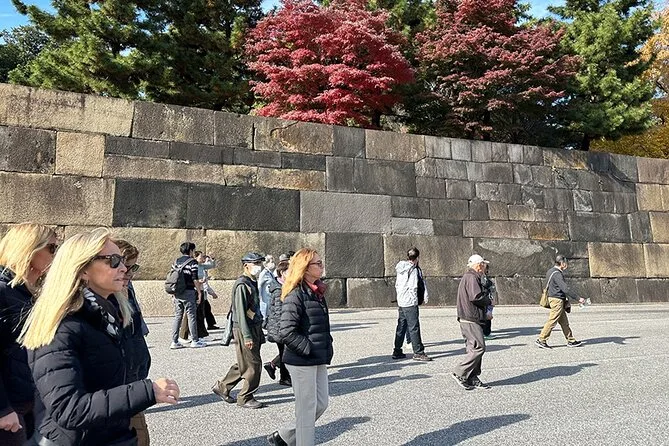
- View massive gates and stone walls
- Visit small samurai guardhouse
- Visit large samurai guardhouse
- Visit central guardhouse near inner gate
- See old watchtower
- View scale model and souvenir shop
- Visit former main tower site
- Enjoy traditional Japanese garden
- Conclude at ginkgo-lined avenue

Top questions

How long does the Tokyo Imperial Palace walking tour take?
The tour covers several sites around the palace grounds and usually lasts about 2-3 hours on foot.
Is there wheelchair access inside the Imperial Palace area?
Wheelchairs are available and can be used inside most palace grounds, though some slopes or stairs require walking.
Can children join this historical walking tour?
Yes, infants and small children can join; prams or strollers are allowed throughout most areas.
Are there any security checks before entering?
Yes, there is a security check at the entrance—don’t bring knives or alcohol with you.
Will we see inside the Emperor’s residence?
No, the Emperor’s private residence is not open to visitors during this tour.
What are some highlights of this day trip?
You’ll see Edo Castle ruins, samurai guardhouses, Yasukuni Shrine, traditional gardens, and finish near Tokyo Station.
Is lunch included on this tour?
No lunch is included; it’s mainly a guided walking experience focused on history and culture.
Do we visit any museums during this tour?
You’ll stop at the Museum of the Imperial Collections (Sannomaru Shozokan) to see models and palace-related exhibits.

What’s included
Your day includes a guided historical walking tour starting near Tokyo Station with stops at surviving Edo Castle turrets, original gates and guardhouses, Yasukuni Shrine, traditional Japanese gardens admired by emperors, plus entry into the Museum of the Imperial Collections—all led by a knowledgeable local guide who shares stories along every step.
 Super deal
  Free booking, free cancellation.
  Don't lose your place.


 Do you need help planning your next activity?
  +507 6792-0894


