


Osaka: Shinsekai Food Walk, Depachika & Dotonbori Sights


Summary
Retro Osaka flavors from Shinsekai to Dotonbori with local stories
You’ll wander Osaka’s retro districts with a local guide, sampling kushikatsu in Shinsekai, exploring the bustling depachika food hall, pausing for quiet moments in Hozenji Yokocho, and finishing among Dotonbori’s neon lights and street food stands. Expect laughter, new flavors, and glimpses of daily life you might miss alone.

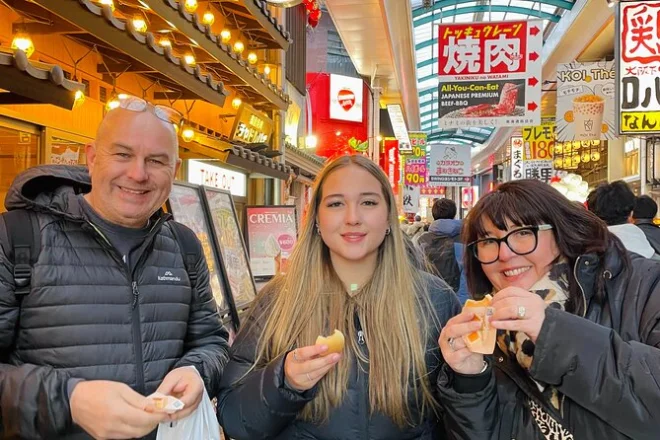
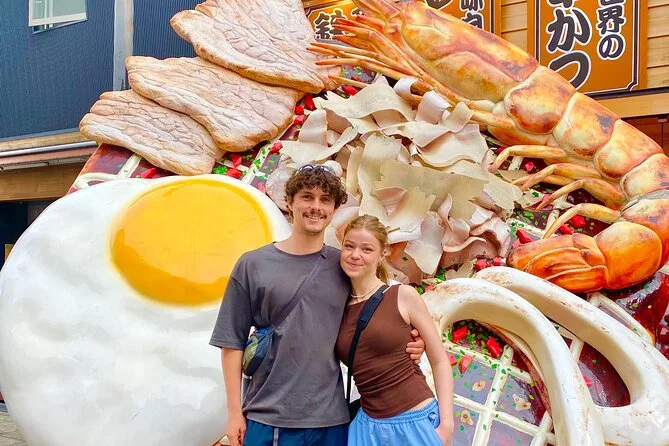
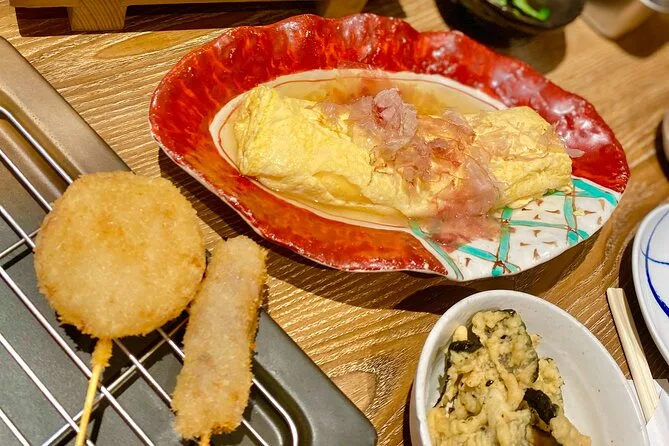
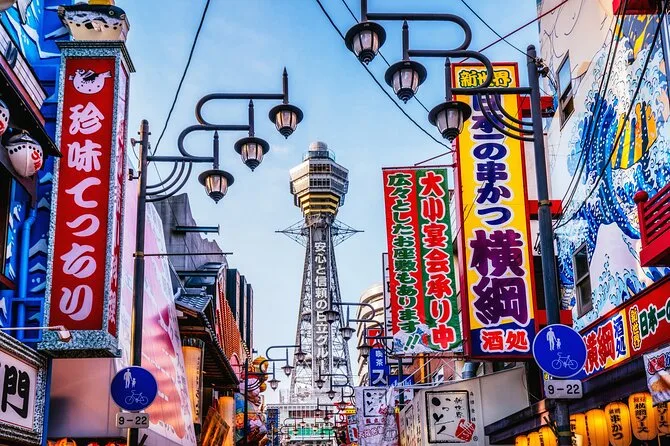
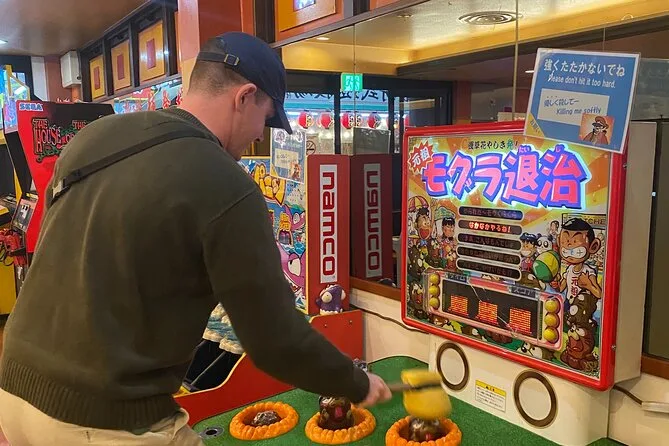
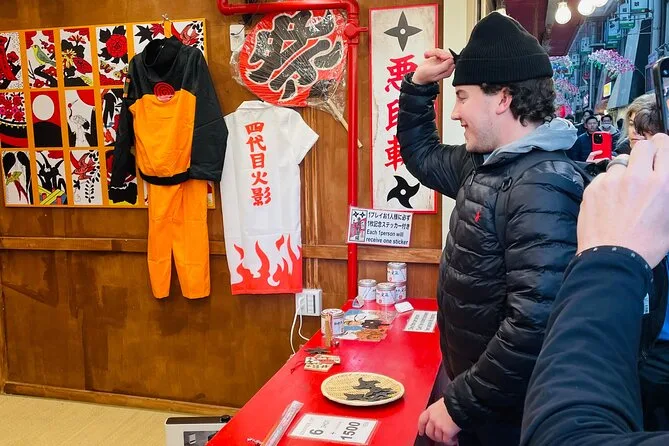
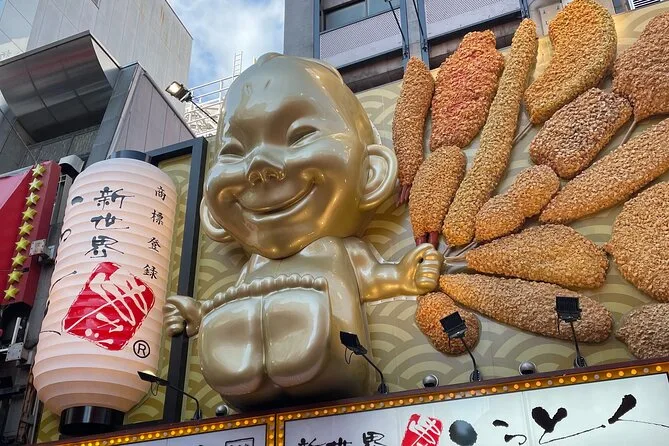
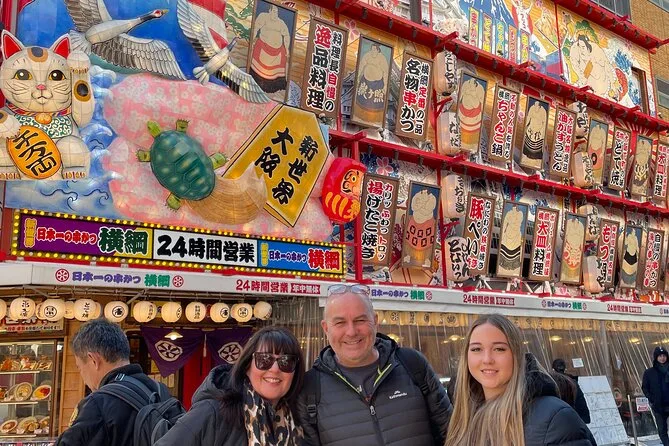
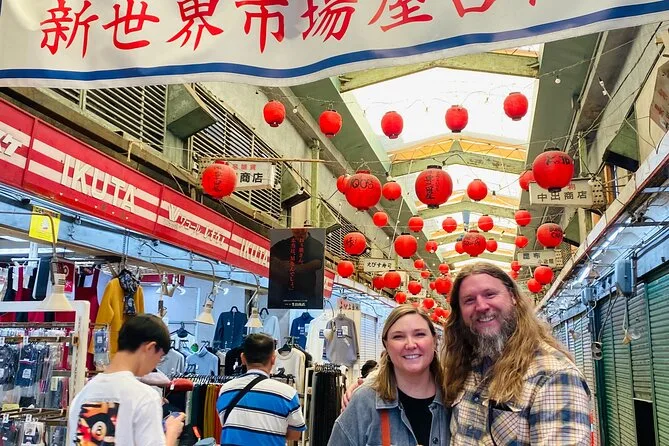
We were already halfway through our skewers when I realized how loud the laughter was around us. Our guide, Yuka, had just pointed out the old Tsutenkaku Tower peeking above the neon signs in Shinsekai—she called it “Osaka’s Eiffel Tower,” which made me laugh. The air smelled like fried batter and something sweet—maybe that was the croquettes from the butcher shop we’d stopped at first. I tried to say “kushikatsu” properly (Li laughed when I tried it in Mandarin too—definitely not my language day), but honestly, nobody seemed to mind. People here are quick with a smile or a wave, even if you’re obviously not local.
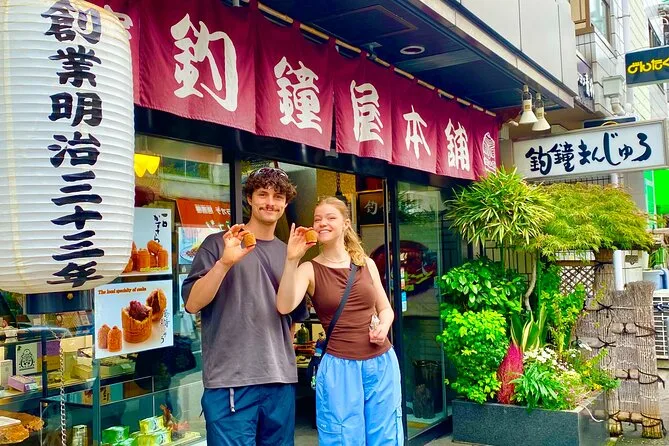
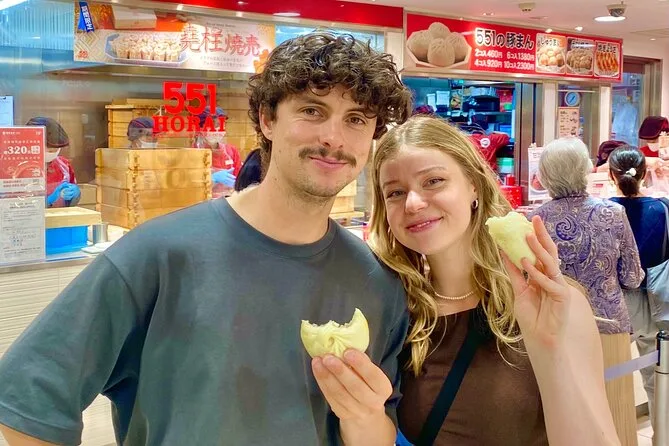
After that, we ducked into Takashimaya’s basement—the famous depachika. It’s this maze of glass counters and tiny samples; I lost count of how many things I tasted. There was this one wagashi, a kind of soft rice cake with red bean paste inside—it tasted like spring, somehow. The staff bowed as we left and Yuka explained how department store food halls are almost a ritual for Osakans on weekends. She knew someone at every stall. My shoes squeaked on the polished floor and for a second I felt like a kid again.
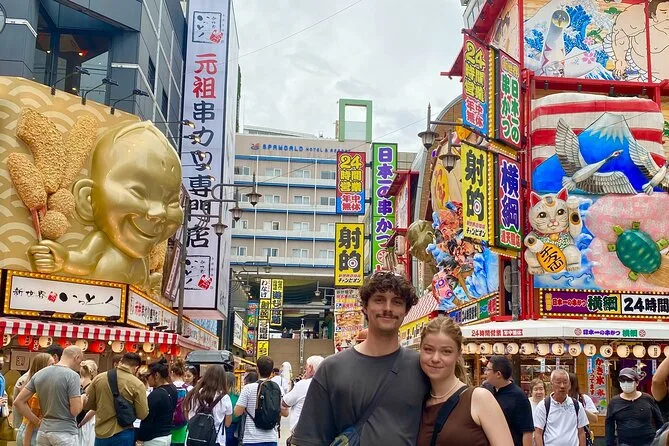
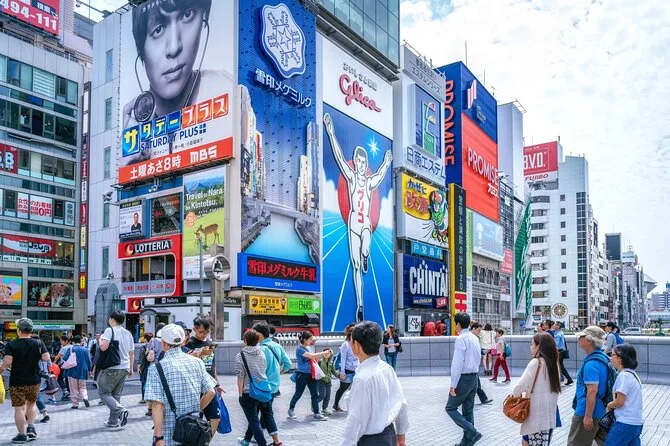
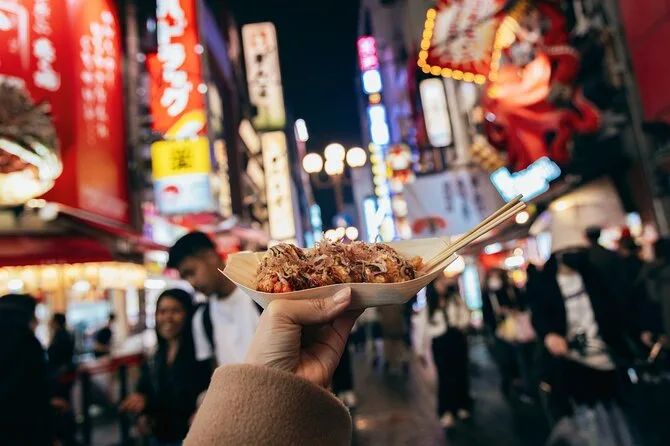
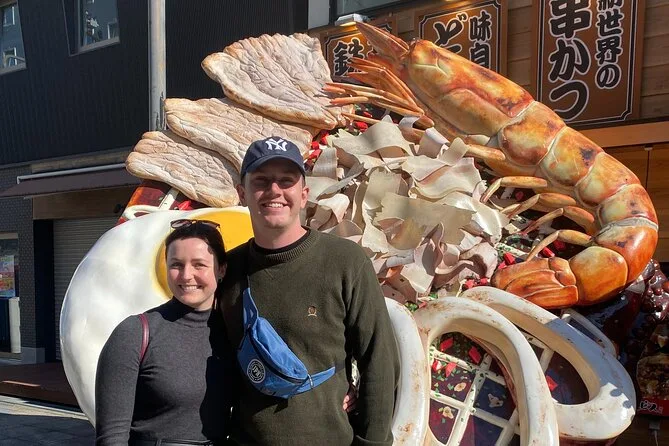
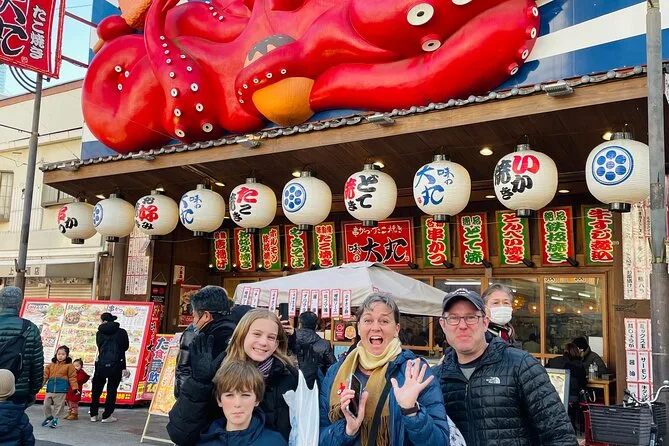
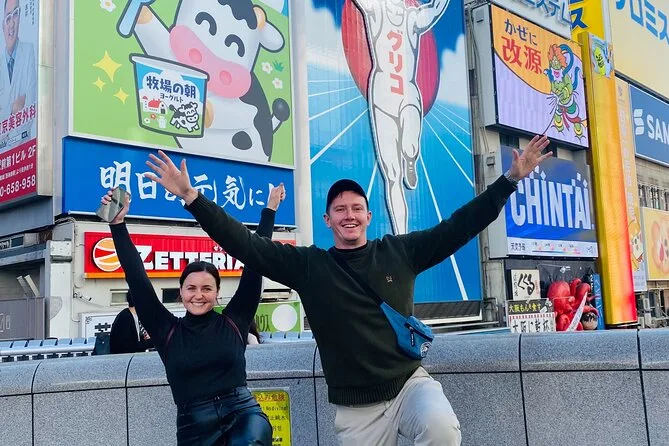
Hozenji Yokocho came next—a narrow alley lit by lanterns and echoing with quiet voices. We paused by the mossy Buddha statue while someone lit incense nearby; the smell drifted over as Yuka told us about local wishes tied to that spot. It felt peaceful in a way that surprised me after all the noise of Shinsekai. Then suddenly we were back out into Dotonbori’s chaos—giant crab signs waving their claws above us and crowds queuing for takoyaki under the Glico sign. I burned my tongue on an octopus ball (worth it). There’s something about eating your way through Osaka that makes you feel part of it—even if only for one night. Still think about that view from under all those lights sometimes.
 3h
3h

Step-by-step itinerary
Day 1 — Explore Shinsekai and Dotonbori
- Walk through Shinsekai district
- Visit Tsutenkaku Tower observation decks
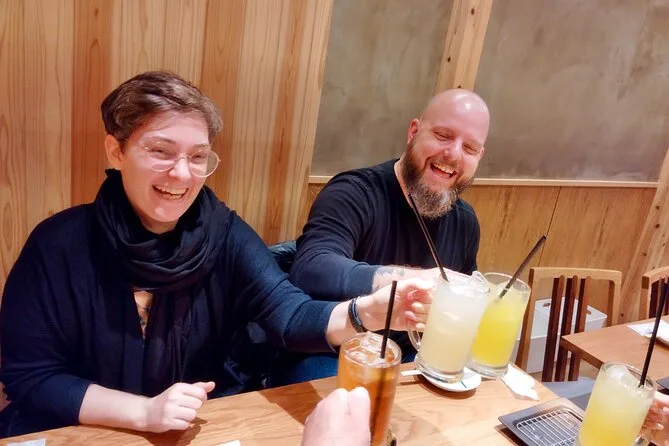
- Enjoy local dishes with drinks
- Explore Takashimaya depachika food hall
- Visit Hozenji Yokocho alley
- Stroll through Dotonbori district
- See the iconic Glico sign

Top questions

How long does the Osaka food tour last?
The tour typically lasts around 3-4 hours depending on group pace and stops.
Is food included on this Osaka walking tour?
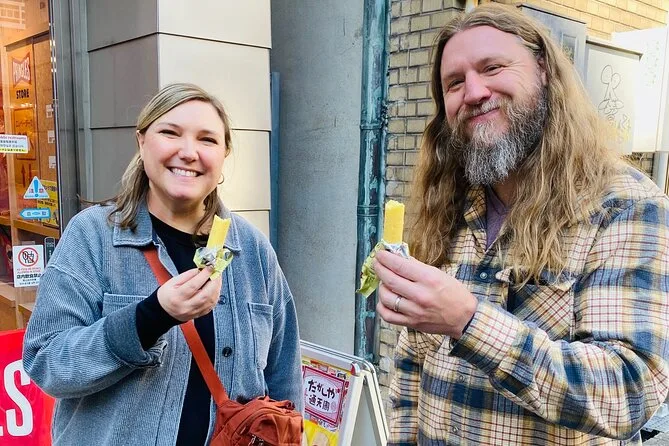
Yes, 6-10 local foods plus one drink (alcoholic or non-alcoholic) are included.
Does the tour visit Dotonbori?
Yes, Dotonbori is included as one of the final stops on the tour.
Are vegetarian or allergy-friendly options available?
Dishes may include meat, seafood, wheat or dairy; contact provider ahead for dietary needs.
Is this Osaka food adventure suitable for kids?
Infants and small children can join; strollers are welcome on most routes.
What languages does the guide speak?
The guide speaks English and Japanese during the tour.
Are public transportation options nearby?
Yes, public transportation is easily accessible near all main stops.
Is wheelchair access possible for this tour?
Please notify in advance; most stops are accessible but some areas may have limitations.

What’s included
Your evening includes guidance from an English- or Japanese-speaking local guide as you walk through Shinsekai, sample 6–10 different foods such as kushikatsu or takoyaki (with one drink), explore Takashimaya’s depachika food hall, stroll Hozenji Yokocho alleyway, and finish amid Dotonbori’s famous neon canal scene before heading back at your own pace.
 Super deal
  Free booking, free cancellation.
  Don't lose your place.


 Do you need help planning your next activity?


