

 +507 6792-0894


Mount Fuji Day Trip from Tokyo: Private Driver & Lake Kawaguchi
 8h–10h
 4.71
(465 reviews)
4.71
(465 reviews)




Summary
Mount Fuji’s quiet power, lakeside walks, and local flavors
You’ll trace Mount Fuji’s outline from city to summit with a private driver who knows every turn. Climb steps to Chureito Pagoda for sweeping views, taste blueberry ice cream in Oishi Park, sip spring water at Oshino Hakkai, and feel how close—or far—you are from everyday life.

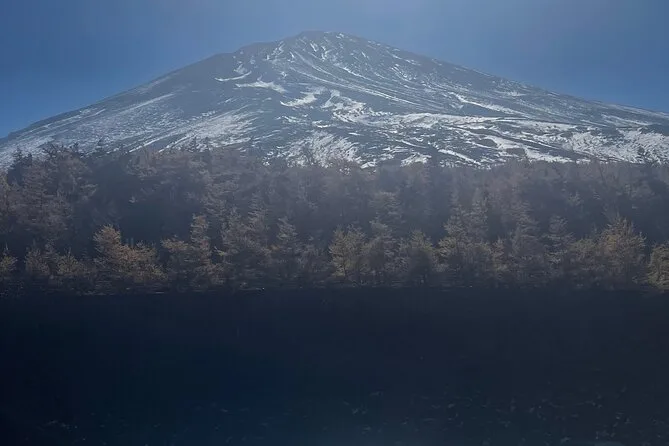
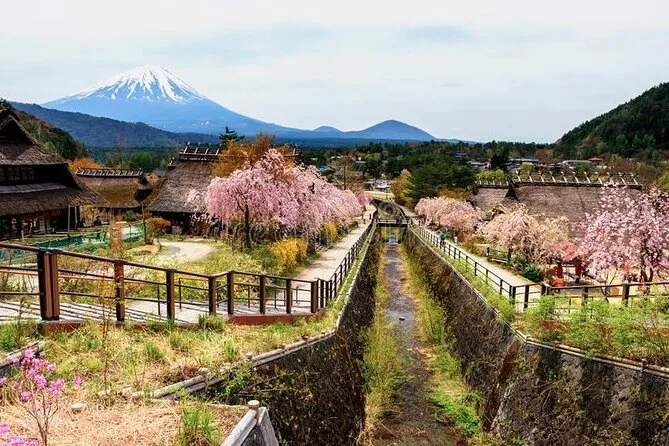
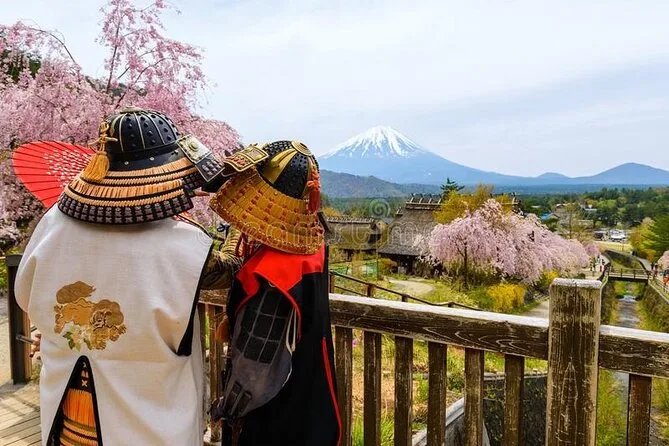
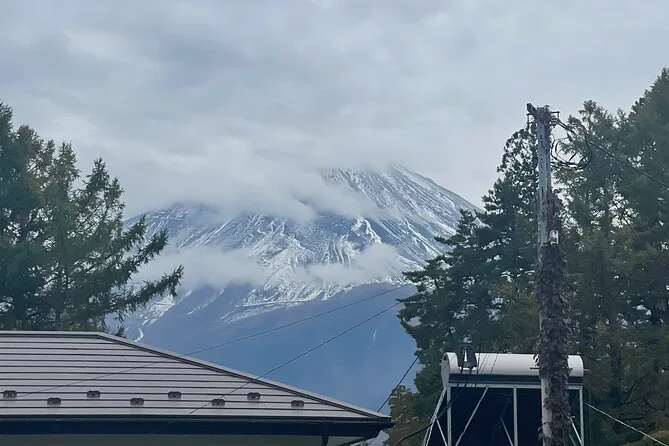
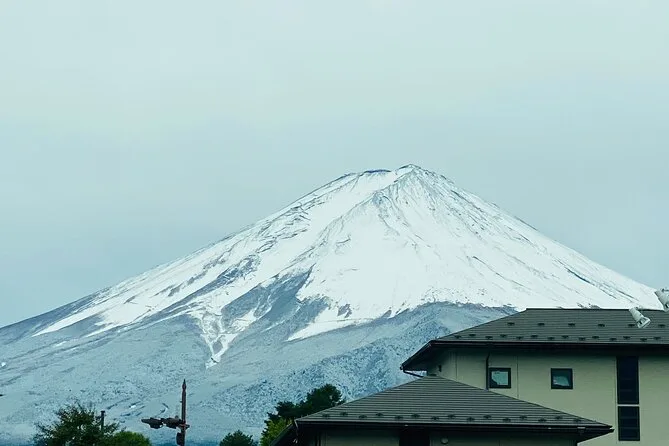
Ever wondered if Mount Fuji really looks like those old woodblock prints? I did. So we booked this private day trip from Tokyo—just us, an English-speaking driver named Kenji (who actually grew up near Kawaguchi-ko), and a van that smelled faintly of lemon air freshener. The drive out was longer than I thought (almost two hours), but watching the city fall away and those first glimpses of Fuji through the clouds—honestly, it felt like spotting something half-mythical. Kenji pointed out spots where climbers start their journey; apparently, you can only drive up to the 5th Station most of the year unless you’re on a shuttle during climbing season. We stopped there first. Wind was sharp, sky clear enough to see all the way back toward Tokyo, or at least that’s what Kenji claimed.
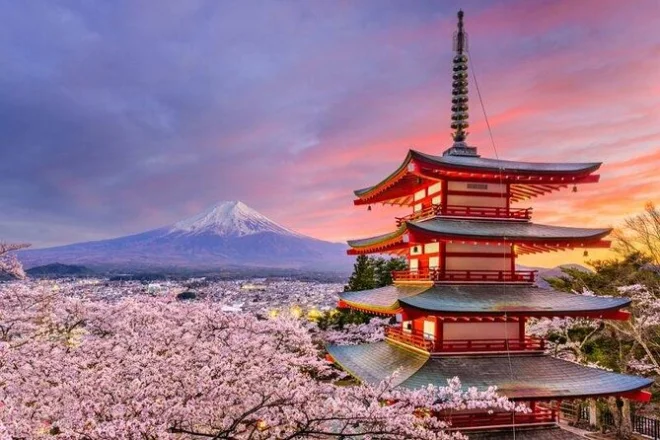
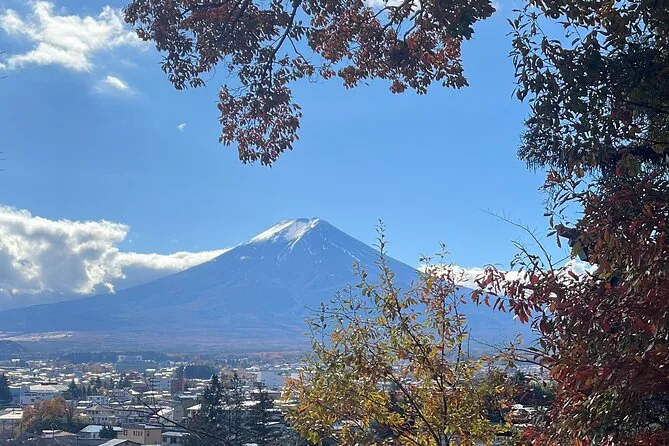
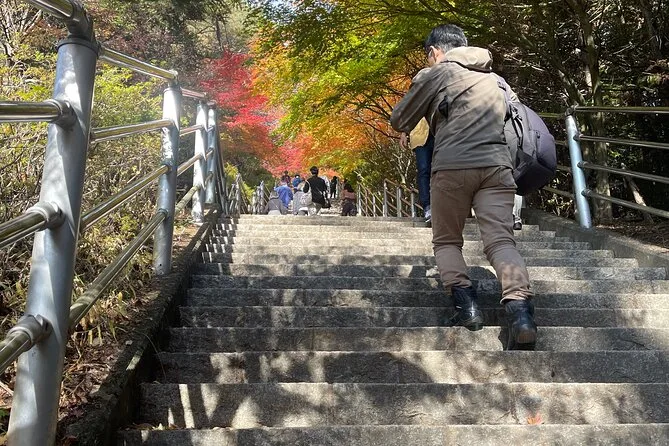
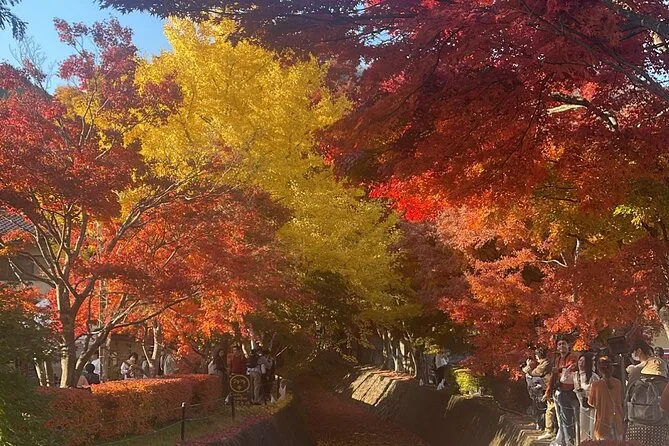
I didn’t expect Chureito Pagoda to hit so hard. There’s this long staircase—400 steps or something wild—and halfway up I almost turned back (don’t judge). But then you get these shifting views of Mt. Fuji framed by red railings and trees, and it’s weirdly peaceful even with other people around. Some locals were leaving little paper cranes at the shrine; one old man smiled and handed me one, said “for luck.” It still sits in my wallet.
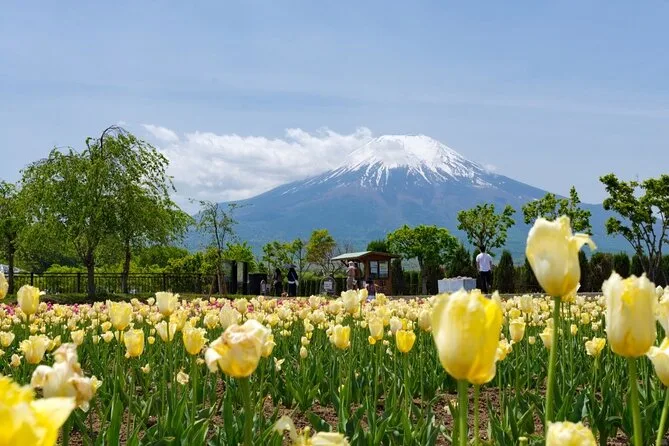
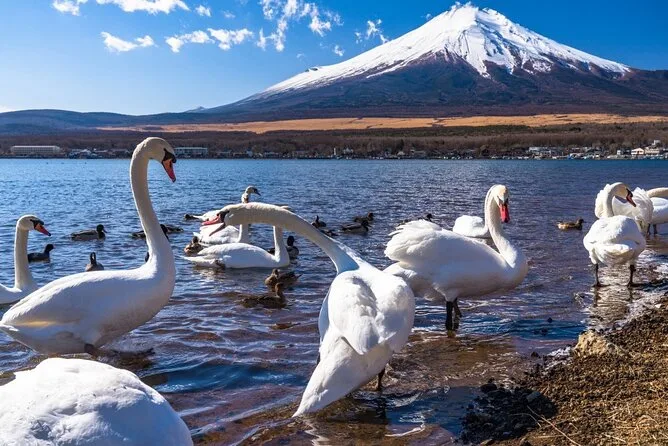
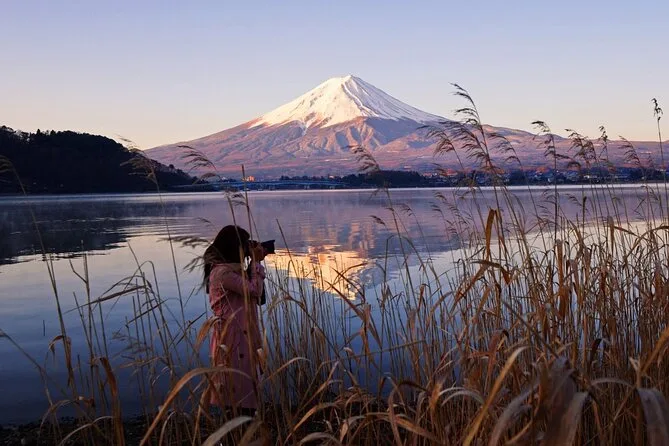
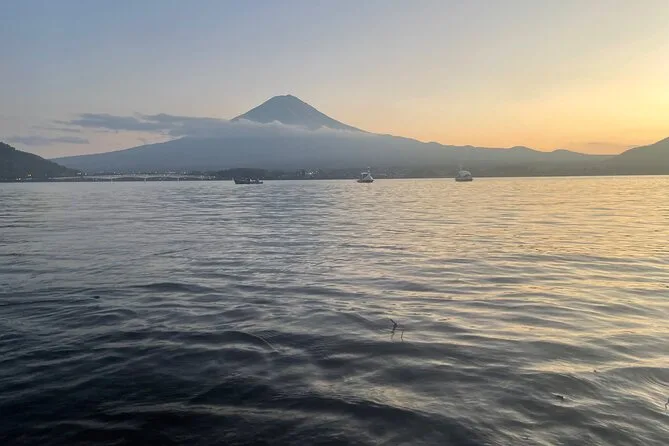
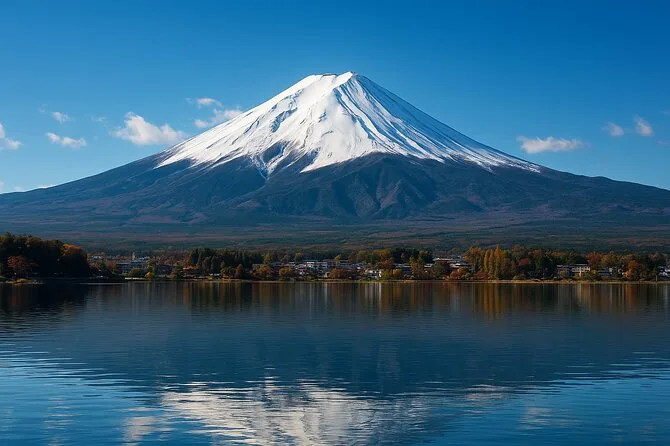
Lake Kawaguchi is bigger than photos let on. We tried blueberry ice cream at Oishi Park—the kind that melts too fast but tastes like actual fruit—and wandered along paths lined with lavender (in June anyway; I hear it’s moss phlox in spring). The air smelled sweet and earthy. Kenji told us about making jam at the Natural Living Center but we just sat on a bench for a while watching clouds drift over Fuji’s peak. Sometimes you don’t need to do much.
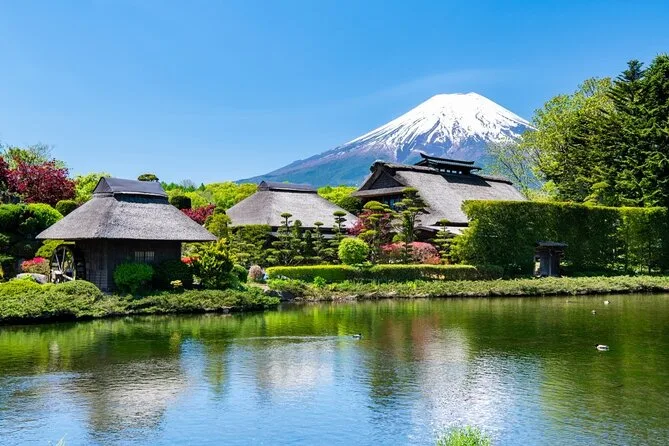
Last stop was Oshino Hakkai—eight springs fed by Mt. Fuji’s snowmelt. Water so clear you can see pebbles shift when koi swim past. Locals fill bottles straight from the springs; I tried some (cold, pure, almost sweet). There’s street food everywhere—grilled mochi skewers and tiny stalls selling souvenirs shaped like Fuji itself. We skipped the outlet mall (shopping isn’t really my thing) and headed back as dusk crept in behind us. I keep thinking about that quiet moment by the lake—how small everything felt next to that mountain.
8h–10h

Step-by-step itinerary
Day 1 — Mount Fuji and Surrounding Sightseeing
- Visit Mt Fuji 5th Station viewpoint
- Climb stairs to Chureito Pagoda
- Explore Lake Kawaguchi area
- Ride Kachi Kachi Ropeway
- Relax at local hot springs
- Walk Oishi Park flower path
- Visit Kawaguchiko Natural Living Center
- See Oshino Hakkai springs
- Shop at premium outlet mall (optional)

Top questions

How long does the Mount Fuji day trip from Tokyo take?
The tour lasts a full day including round-trip transport from Tokyo; expect about 10-11 hours total depending on traffic and stops.
Is hotel pickup included for this private tour?
Yes, hotel pickup and drop-off in Tokyo are included with your private English-speaking driver/guide.
Can you visit Mt Fuji 5th Station by car year-round?
You can reach 5th Station by car except during most of climbing season (July 5–September 10), when only shuttle buses operate partway up.
Are entrance fees or tolls included?
Tolls and fuel are covered; some attractions may have small admission fees not included in the tour price.
Is this Mount Fuji tour wheelchair accessible?
Yes, vehicles are wheelchair accessible and suitable for all fitness levels; infant seats are also available if needed.
What is there to do at Lake Kawaguchi?
You can walk lakeside paths, try local treats like blueberry ice cream at Oishi Park, ride the ropeway for views, or relax in nearby hot springs.
Do you need to climb stairs at Chureito Pagoda?
Yes—about 400 stairs lead up to the pagoda for panoramic Mt. Fuji views; take your time if needed!
What is special about Oshino Hakkai springs?
The eight springs are fed by Mt. Fuji snowmelt; locals drink the water and buy souvenirs or street food around the ponds.

What’s included
Your day includes hotel pickup and drop-off in Tokyo with a friendly English-speaking driver-guide, comfortable air-conditioned vehicle with fuel and tolls covered, plus flexible stops at places like Lake Kawaguchi, Oishi Park for seasonal flowers or jam-making fun, Chureito Pagoda’s viewpoint (stairs involved!), Oshino Hakkai’s famous springs—and time to sample local snacks before heading home again.
 Super deal
  Free booking, free cancellation.
  Don't lose your place.


 Do you need help planning your next activity?
  +507 6792-0894


