

 +507 6792-0894


Kyoto: Samurai Sword Training & Zen Meditation in Historic House





Summary
Live the spirit of samurai in kyoto’s oldest warrior house
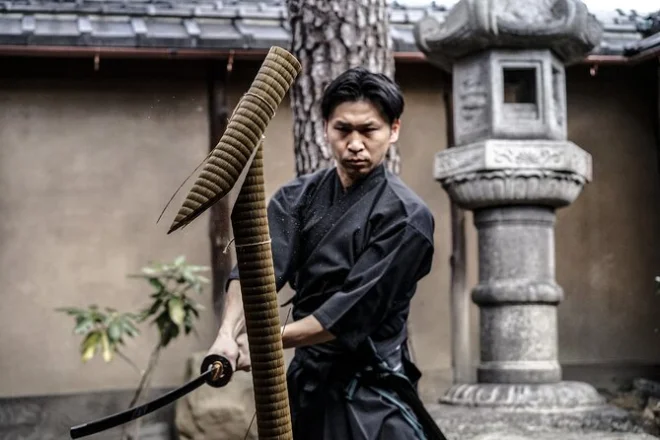
You’ll slip into traditional attire inside a centuries-old Kyoto samurai house, learn sword basics from expert instructors, and test your focus with real iaitō cutting. Quiet moments of Zen meditation connect you deeper to samurai philosophy before you hold an antique blade yourself — it’s not just skill, but something you feel long after you leave.

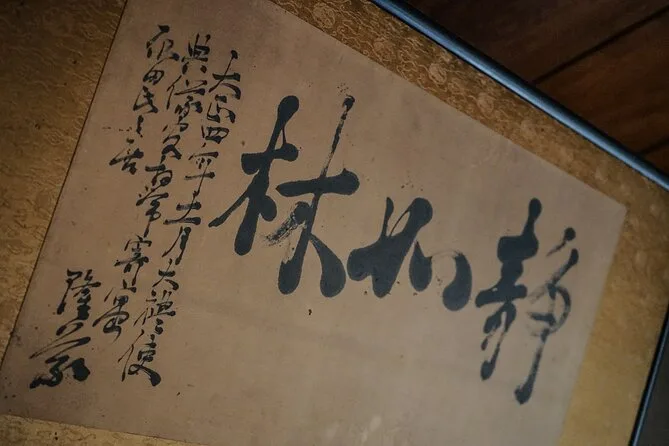
We were already halfway through tying the hakama when I realized how quiet the old house felt. You could hear someone’s slippers shuffling on the tatami in another room, and outside, rain tapping the old wooden eaves. Our instructor, Nakamura-san, didn’t rush us — he just smiled and showed me again how to tuck the belt right. I probably still got it wrong. The whole place smelled faintly of incense and old wood, like history was soaked into everything.
The first time I picked up the practice sword, it felt heavier than I’d expected — maybe nerves or just respect for where we were. Nakamura-san demonstrated a movement so smooth it looked easy, but when I tried it my arms went stiff. He laughed gently and said something about “spirit before strength.” There were a couple of us there from different countries, but somehow everyone went quiet when we watched him cut through the target with a real iaitō sword. It wasn’t loud — more like a soft rip through air — but you could feel everyone tense up at once.
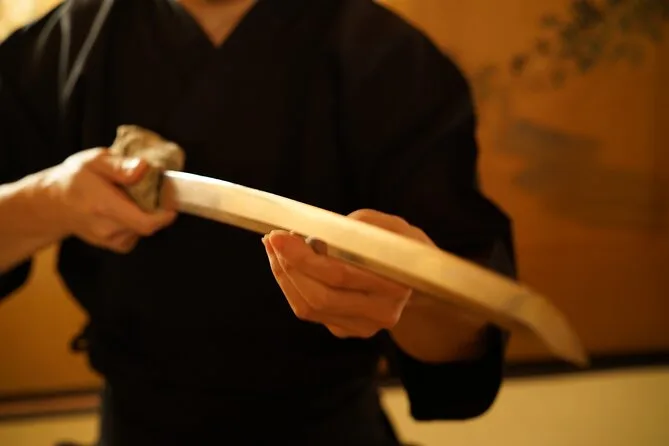
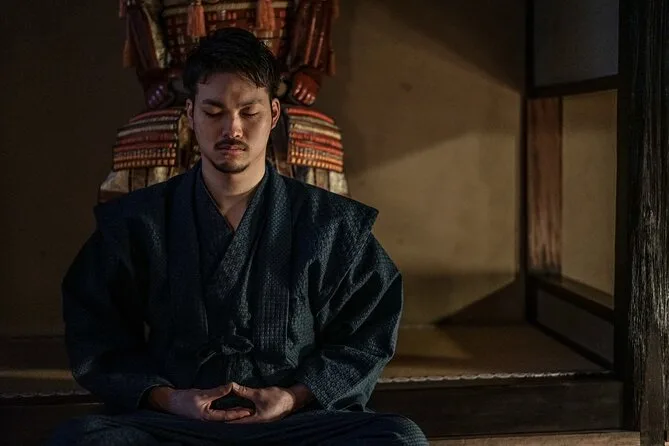
After that came Zen meditation. Sitting there with my knees aching (I’m not used to sitting seiza), I kept thinking about how much discipline these people must have had. The rain had stopped by then, and light started coming through the paper screens — kind of hazy and gold. At the end, Nakamura-san handed me an antique sword to hold; it was colder than I thought it would be. Not sure why that part sticks with me most.
 1h 45m

Step-by-step itinerary
Day 1 — Kyoto Samurai Cultural Experience
- Arrive at traditional samurai residence
- Wear authentic samurai attire
- Watch sword demonstration by experts
- Practice swordsmanship with wooden sword
- Cut target with real iaitō sword
- Participate in Zen meditation
- Hold an antique samurai sword

Top questions

How long does the Kyoto Samurai Experience last?
The activity typically lasts around 1–2 hours depending on group size and pace.
Is this suitable for children or families?
Minors are welcome if accompanied by an adult; younger guests may observe safely during sword handling.
Do I need previous martial arts experience?
No experience is required; instructors guide all levels through each step.
What should I wear for the samurai experience?
Wear comfortable clothes and appropriate footwear for athletic activity; traditional attire is provided onsite.
Is public transportation available nearby?
Yes, public transportation options are available close to the venue in Kyoto.
Are photos included in the tour?
Yes, photos of your activity are included as part of your day.
Is lunch or food provided?
No meals are included; the focus is on cultural activities and training.
Can travelers with injuries participate?
This tour isn’t recommended for those with spinal injuries or poor cardiovascular health.

What’s included
Your day includes use of authentic martial arts training swords, professional instruction throughout every step, photos taken during your activity so you can remember (and show off) later, plus a guided Zen meditation session inside a 260-year-old samurai residence in Kyoto’s historic heart.
 Super deal
  Free booking, free cancellation.
  Don't lose your place.


 Do you need help planning your next activity?
  +507 6792-0894


