

 +507 6792-0894


Kyoto Gion: Geisha District Walking Tour & Yasaka Shrine











Summary
Evening strolls through Gion’s geisha lanes and shrine lights
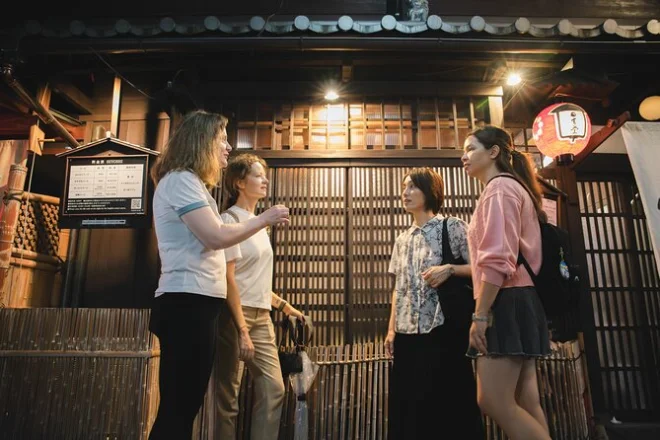
You’ll wander Kyoto’s Gion district as dusk falls, following your local guide through lantern-lit alleys and past Yasaka Shrine’s glowing gates. Listen for stories of geiko and maiko culture as you cross old bridges and glimpse real-life encounters you can’t plan for. This walking tour leaves space for quiet moments — and maybe a little magic if you’re paying attention.

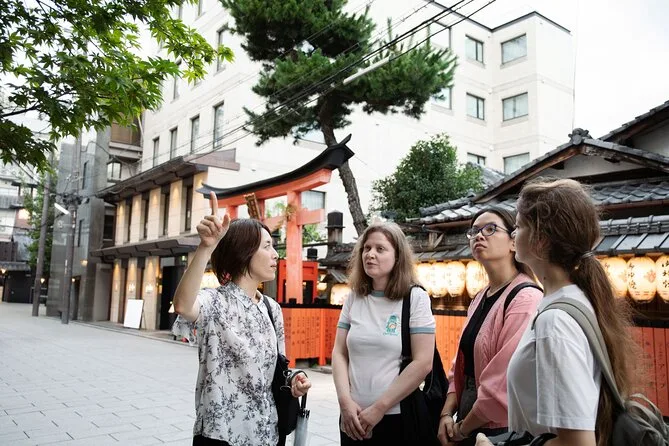
We slipped off the main road and right away the air changed — quieter, almost thick with that woody incense smell you get near old shrines. Our guide, Yuki, waved us toward Yasaka Shrine first. The lanterns were just starting to glow, not bright yet, but enough to make the orange gates look kind of surreal. I tried to snap a photo but it didn’t catch what I was feeling — maybe it never does. There were locals bowing at the altar, clapping softly, and I realized how much this place is still alive for people here, not just for us tourists passing through.
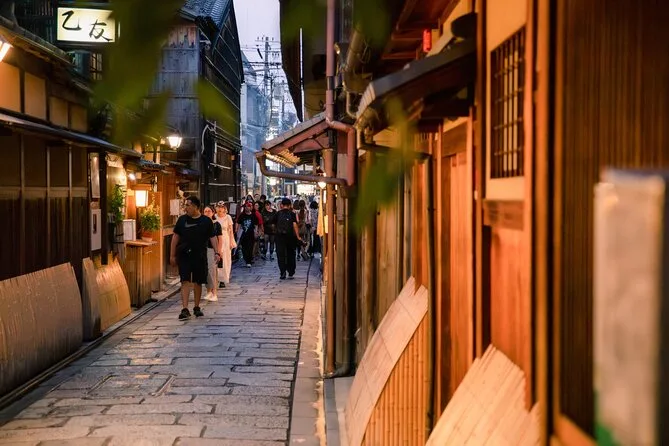
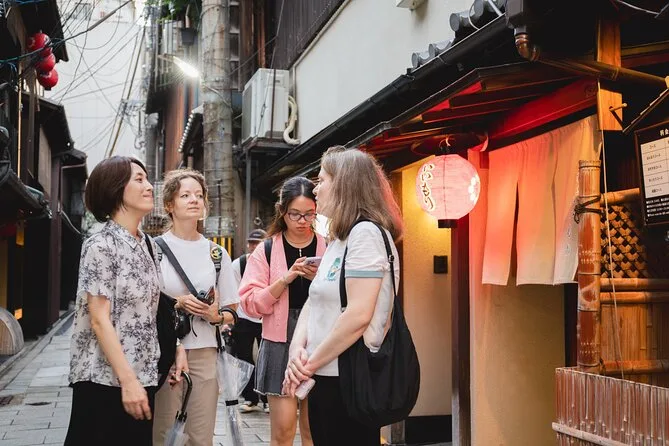
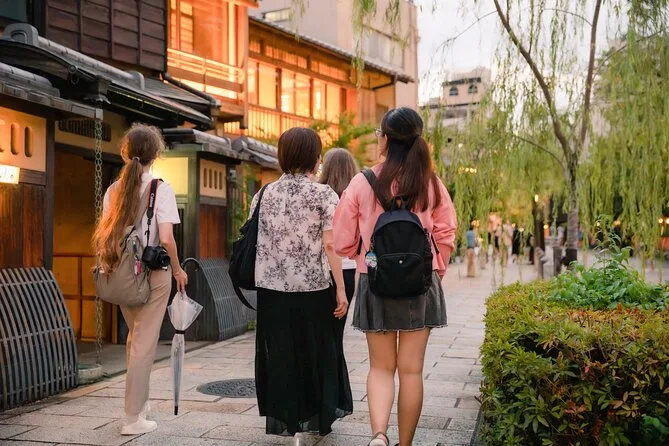
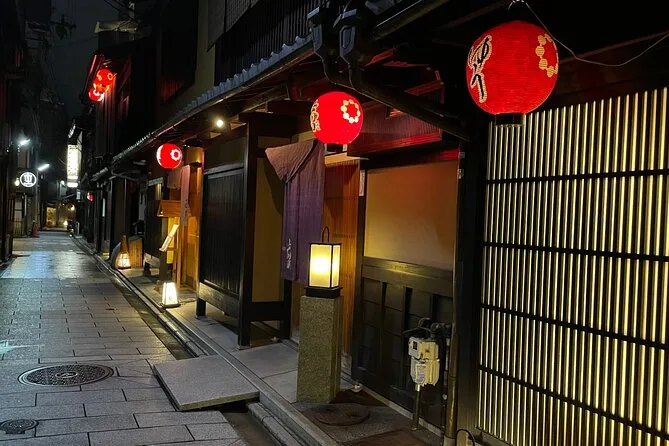
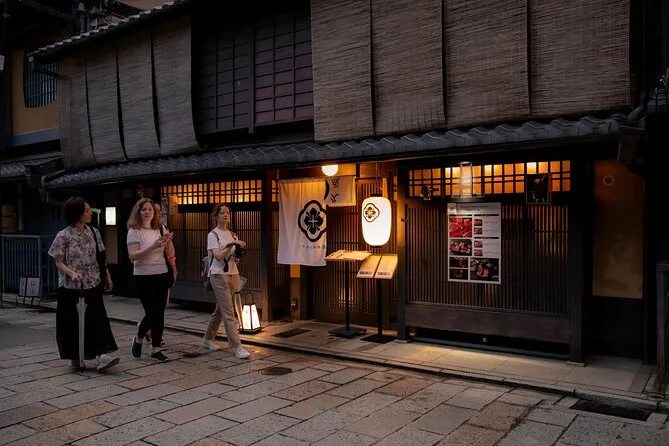
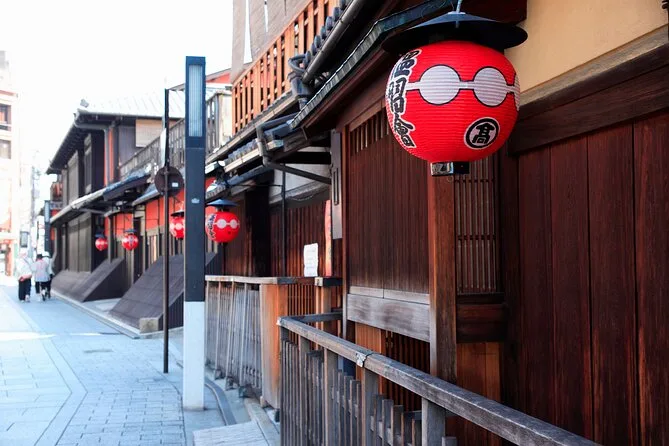
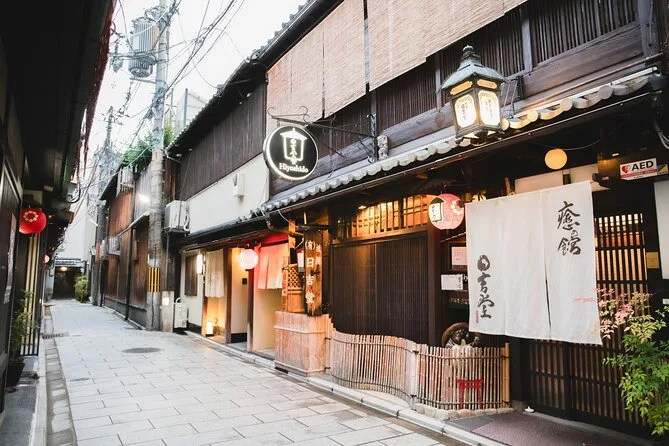
Walking deeper into Gion felt like time got tangled up. The wooden machiya houses lean in close over narrow streets, and every so often you hear laughter from behind a tea house door or the click of sandals (geta?) on stone. Yuki told us about geiko and maiko — I didn’t know “geisha” isn’t really what they call themselves in Kyoto. She pointed out little details: a red paper lantern means a tea house where geiko might work; white ones are something else entirely (I forgot which). We crossed Tatsumi Bridge just as someone in full kimono hurried past with an umbrella tucked under her arm — maybe she was a real maiko? No one wanted to stare too hard.
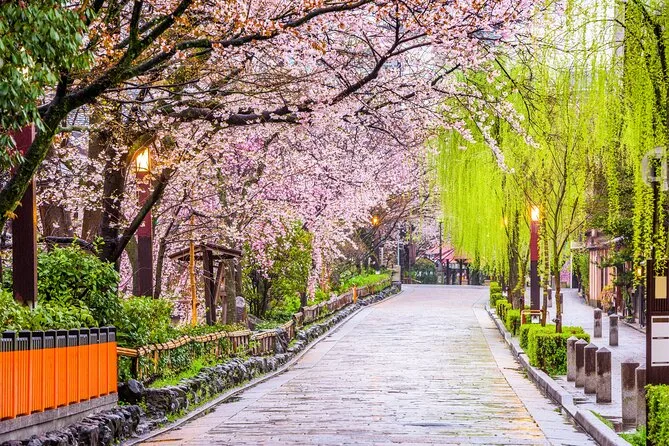
The Shirakawa Canal had cherry trees drooping over the water, even though it wasn’t blossom season anymore. Still beautiful though — there’s this hush along the canal that made me want to whisper for no reason at all. On Hanamikoji Street we saw a couple of women dressed up for photos, but then our guide pointed out someone who was actually a working geiko. She moved so quietly I almost missed her completely. That moment stuck with me more than any performance could’ve.
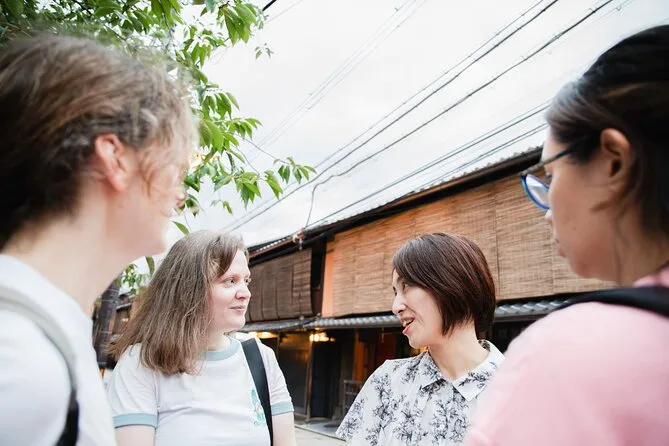
I’m glad we did this as a small group. It never felt rushed or staged; Yuki answered every weird question (“Do geiko ever eat ramen?” — apparently yes). If you want to wear kimono there’s an option for that too, but honestly I liked just blending in and watching everything unfold around me. Still thinking about those lanterns flickering on as night crept in.
 2h
2h

Step-by-step itinerary
Day 1 — Explore Gion Geisha District and Shrines
- Visit Yasaka Shrine
- Walk along Hanamikoji Street
- Explore Gion district alleys
- See Tatsumi Bridge and surroundings
- Visit Tatsumi Daimyojin Shrine

Top questions

How long is the Kyoto Gion Geisha District walking tour?
The tour covers several key spots in Gion and typically lasts around 2-3 hours on foot with your local guide.
Does the tour include kimono rental?
You can choose an option that includes kimono rental; if selected, you'll change before meeting your group.
What are some highlights visited on this tour?
The route includes Yasaka Shrine, Tatsumi Bridge, Shirakawa Canal, Hanamikoji Street, and Gion Corner.
Is hotel pickup included?
No hotel pickup or drop-off is included; you'll meet your guide at the designated spot in Gion.
Are children allowed on the tour?
Yes, children are welcome but must be accompanied by an adult during the walking tour.
Can I see real geisha or maiko during the walk?
You may spot geiko (geisha) or maiko in Gion during the evening walk, but sightings aren’t guaranteed.
Is this tour suitable for people with mobility issues?
The tour involves walking and stairs; it's not recommended for those unable to manage steps easily.
What should I wear for the walking tour?
Comfortable shoes are recommended since you'll be walking on uneven streets; dress appropriately for weather.

What’s included
Your experience includes a guided walk through Kyoto's historic Gion district led by a knowledgeable local guide. If you select the kimono plan, you'll have time to change into traditional attire before joining the group. The route covers key sites like Yasaka Shrine and Hanamikoji Street; public transportation options are nearby so getting there is easy. Meals and hotel transfers aren’t included—just bring your curiosity (and maybe an umbrella).
 JP¥ 4,500
  Free booking, free cancellation.
  Don't lose your place.


 Do you need help planning your next activity?
  +507 6792-0894


