

 +507 6792-0894


Hiroshima & Miyajima: Private Day Tour with Shrine & Peace Park







Summary
Hiroshima’s stories and Miyajima’s floating torii in a single day
You’ll walk Hiroshima’s quiet memorials with a local guide who knows real stories, ferry past calm waters to Miyajima’s floating shrine gate, wander peaceful gardens and castle grounds—and maybe share a laugh or two over awkward Japanese phrases. This day trip connects history and beauty in ways that linger long after you leave.

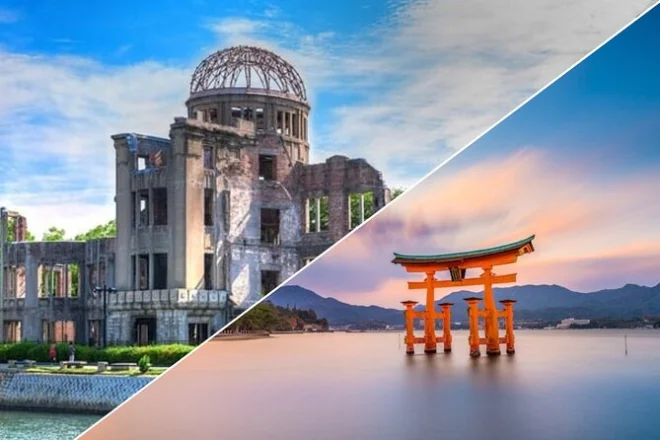
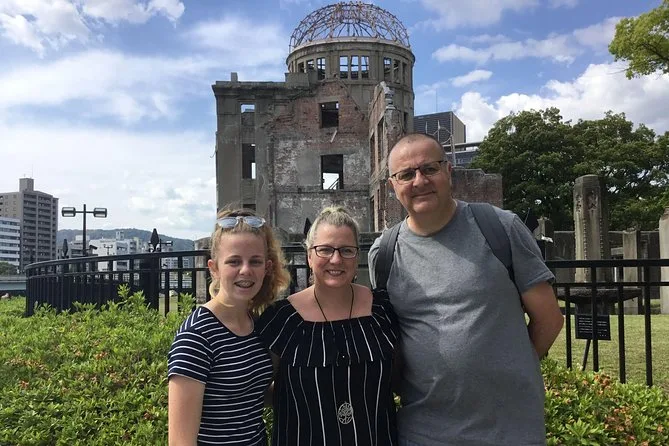
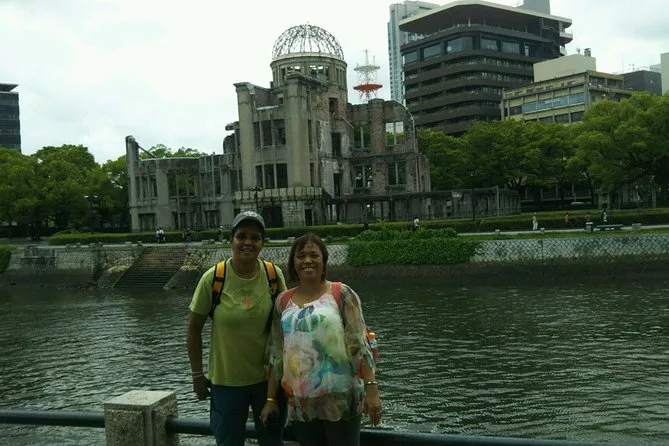
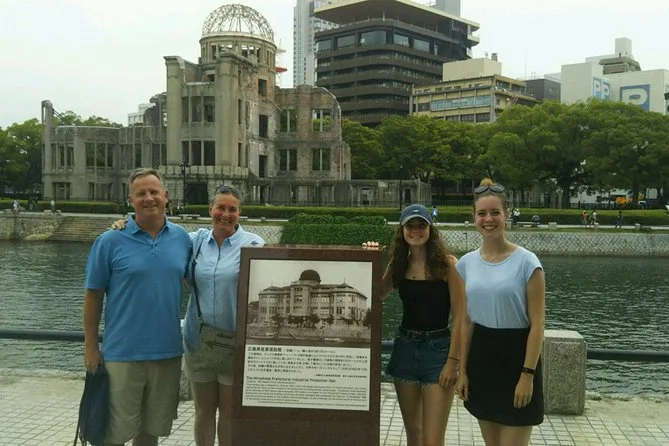
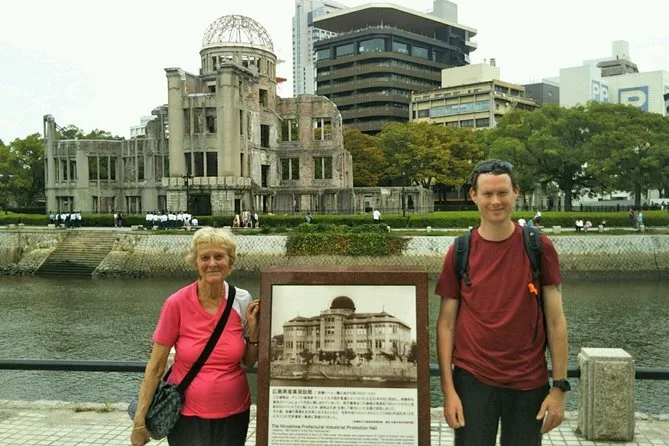
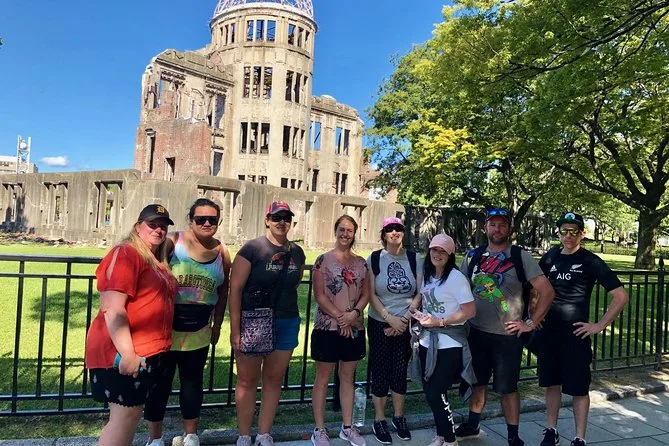
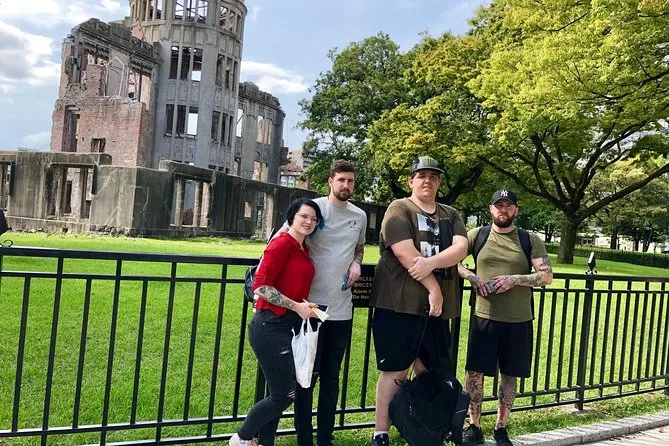
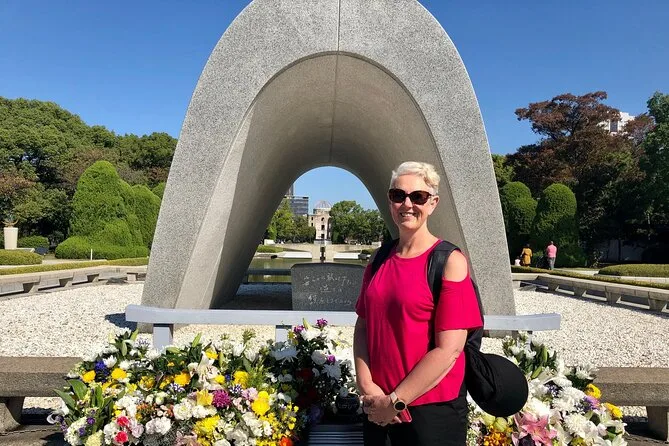
We met our guide right outside the hotel lobby—she waved a little too enthusiastically, which made me laugh, but it cut through my nerves. Within minutes we were weaving through Hiroshima’s morning crowds. The first stop was Peace Memorial Park. I’d seen pictures before, but standing there with cicadas buzzing and school kids bowing quietly at the cenotaph, it felt heavier than I expected. Our guide, Keiko, didn’t rush us; she let us stand in silence for a bit. She told us her grandmother remembered that morning in 1945, which suddenly made everything more real. I caught the scent of incense drifting from somewhere nearby—it stuck with me all day.
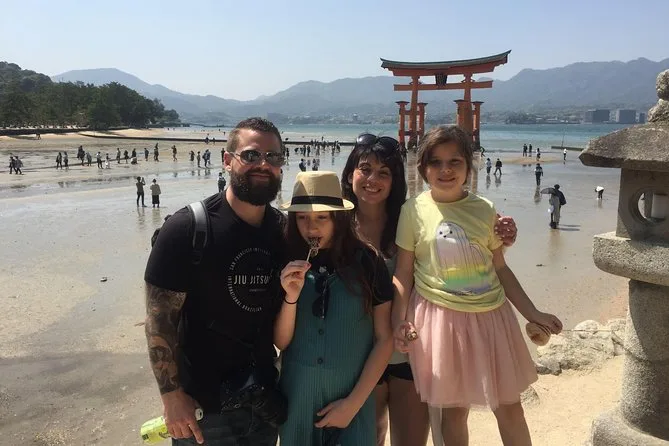
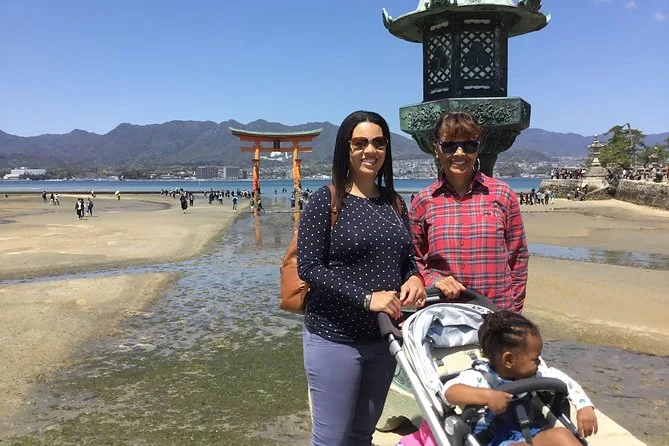
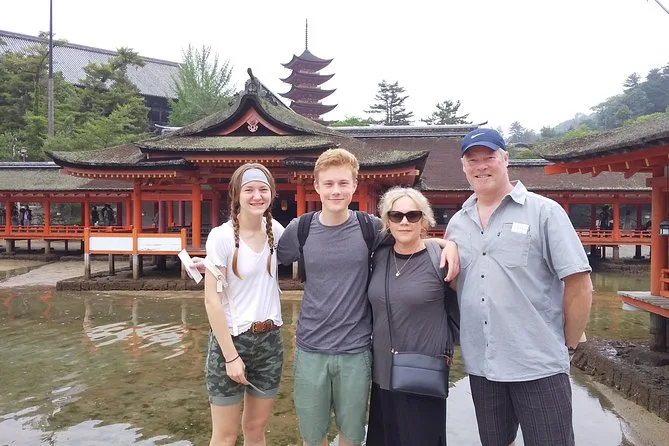
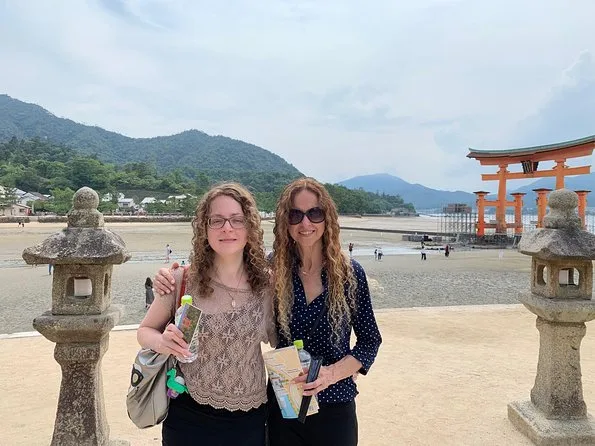
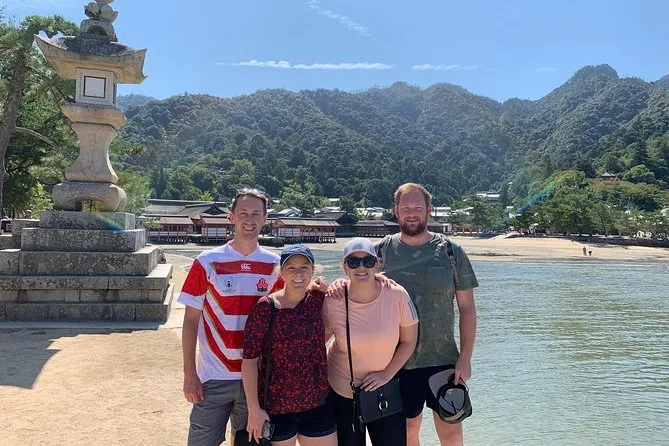
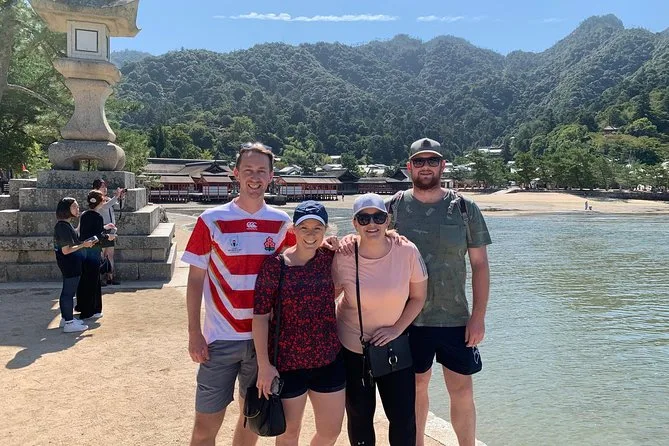
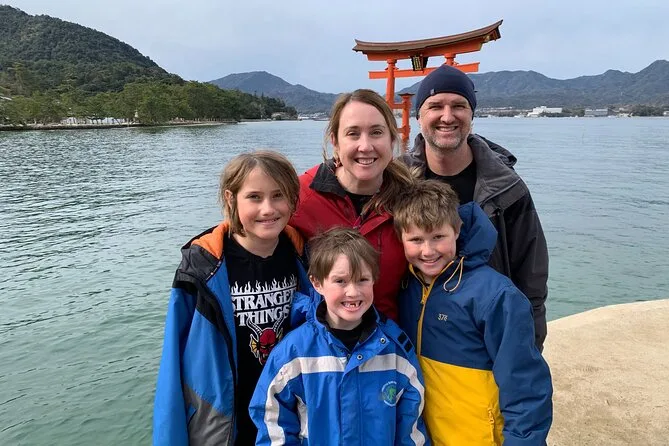
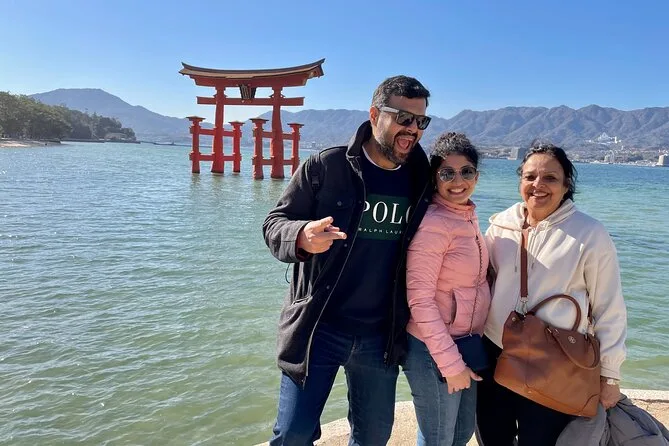
The streetcar to Miyajima was packed but somehow still orderly (only in Japan), and then the ferry ride across was almost meditative—the water was glassy except for one stubborn gull trailing us the whole way. When we reached the island, deer wandered up like they owned the place. Keiko joked they’re “local celebrities” and not to feed them unless you want your map eaten. Walking towards Itsukushima Shrine, the famous torii gate looked like it was floating on nothing—at high tide it really does seem impossible. We lingered there longer than planned because honestly, you just want to stare at it for a while.
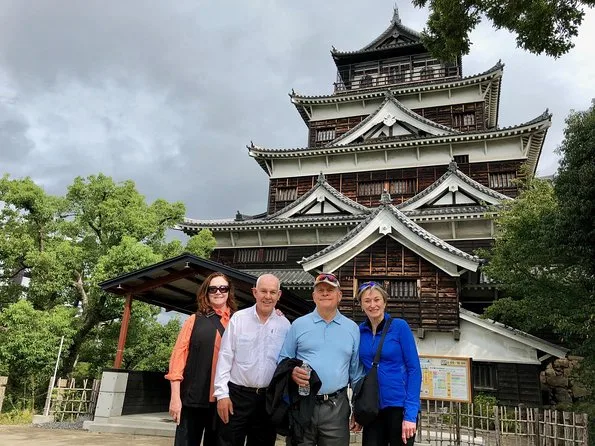
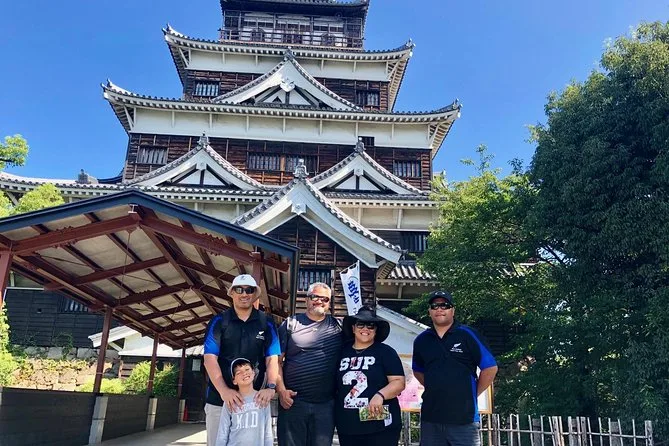
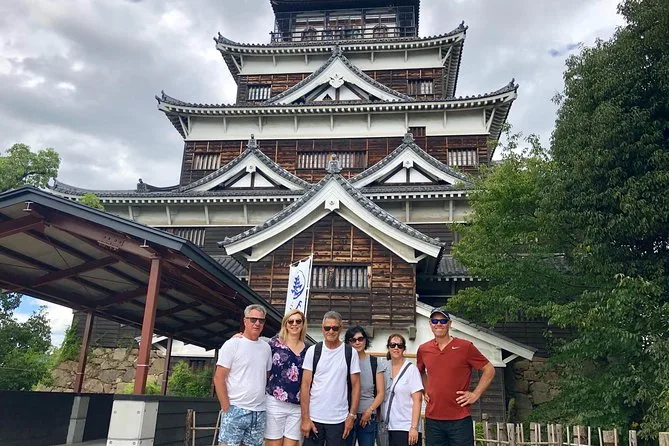
I didn’t expect to love Shukkeien Garden as much as I did. It’s smaller than some Kyoto gardens but felt so peaceful—tiny bridges over ponds where turtles sunned themselves on rocks. Keiko pointed out a tea house tucked behind some maples; we stopped for matcha and I tried saying “arigatou” properly (she laughed—my accent needs work). By late afternoon my feet were tired but I didn’t mind; even Hiroshima Castle’s moat had this strange calm about it, reflecting clouds that looked ready to rain but never did.
By the end of our private day trip from Hiroshima to Miyajima, I felt both lighter and heavier at once—like I’d carried someone else’s story for a bit and left part of mine behind. If you go, let yourself slow down at each spot; there’s more going on beneath the surface than any guidebook can tell you.
 8h
8h

Step-by-step itinerary
Day 1 — Explore Hiroshima and Miyajima highlights
- Meet guide at hotel
- Visit Hiroshima Peace Memorial Park
- Tour Hiroshima Castle grounds
- Walk through Shukkeien Japanese garden
- Travel to Miyajima island
- Visit Itsukushima Shrine and torii gate
- Enjoy view from Tenshinkaku cafe

Top questions

How long is the Hiroshima & Miyajima private tour?
The tour lasts 8 hours as of November 6th, 2024; bookings before that date are 7 hours.
Is transportation included in the tour?
The tour uses public transportation—a 24-hour pass for ferry and streetcar is needed (900 yen adults/450 yen children).
Can I customize which sites we visit?
Yes, you can choose your preferred 3-4 sites from a list when booking your private tour.
Is this tour suitable for wheelchair users?
Yes—all areas are wheelchair accessible and public transport options are available nearby.
What are some main highlights on this day trip?
Main highlights include Peace Memorial Park, Itsukushima Shrine on Miyajima Island, Shukkeien Garden, and Hiroshima Castle.
Does the tour include entry fees?
No—admission fees such as ¥200 for Peace Memorial Museum or ¥300 for Itsukushima Shrine are not included.
Where does the tour start?
Your licensed English-speaking guide meets you at your hotel in Hiroshima on foot.
Are meals included during the tour?
No meals are included; however there are opportunities to buy food at stops like Miyajima or near Shukkeien Garden.

What’s included
Your day includes meeting your licensed English-speaking guide on foot at your hotel in Hiroshima, personalized walking routes covering your chosen highlights like Peace Memorial Park or Itsukushima Shrine on Miyajima Island, all guidance throughout public transport connections including ferry rides (you’ll need a 24-hour pass), plus plenty of time to pause wherever curiosity leads—even if that means an extra moment by the water or under maple trees.
 Super deal
  Free booking, free cancellation.
  Don't lose your place.


 Do you need help planning your next activity?
  +507 6792-0894


