

 +507 6792-0894


Alghero Dolphin Watching & Snorkeling Tour with Scientists



Summary
Dolphins in alghero with marine biologists snorkeling capocaccia
You’ll join marine biologists off Alghero for real dolphin watching in their research zone—listen to their stories (and actual dolphin sounds), spot bottlenose dolphins by name, then snorkel with a guide in Capo Caccia’s clear waters. Expect hands-on learning and honest moments—sometimes funny, sometimes quietly beautiful—that stick with you long after you dry off.

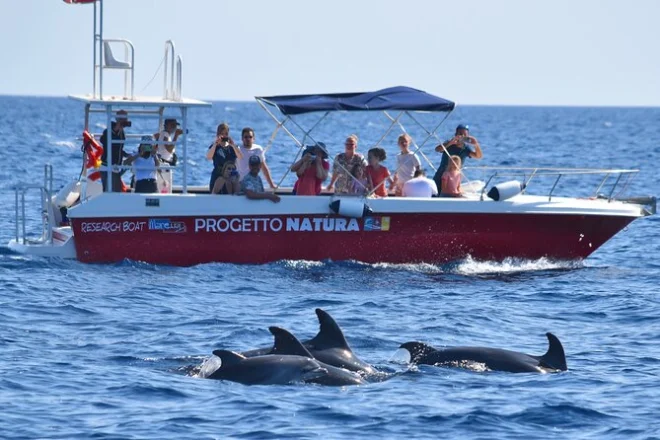
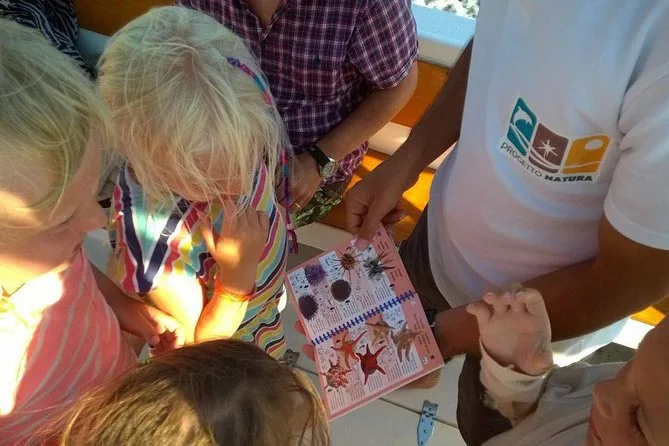
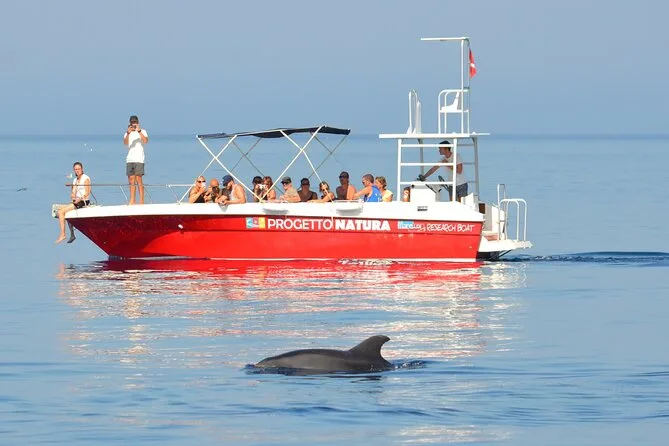
You know that feeling when you’re not sure if you’re more excited or just slightly nervous? That’s how I felt stepping onto the boat in Alghero, squinting at the blue sweep of the Gulf. There was this salty breeze, and a couple of local scientists from MareTerra were already chatting about the dolphins—like they knew them personally. Turns out, they sort of do. Our guide, Paolo, pointed out Suzeo and Taz in a photo booklet, grinning like he was talking about old friends. He even let us listen to some dolphin clicks through a little speaker. It sounded almost like laughter underwater—hard to explain but weirdly moving.
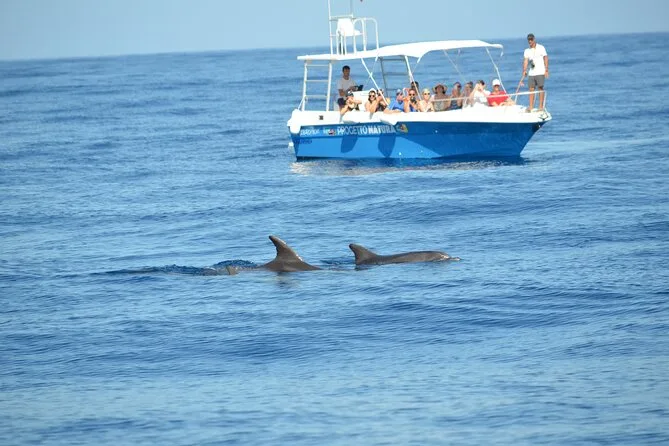
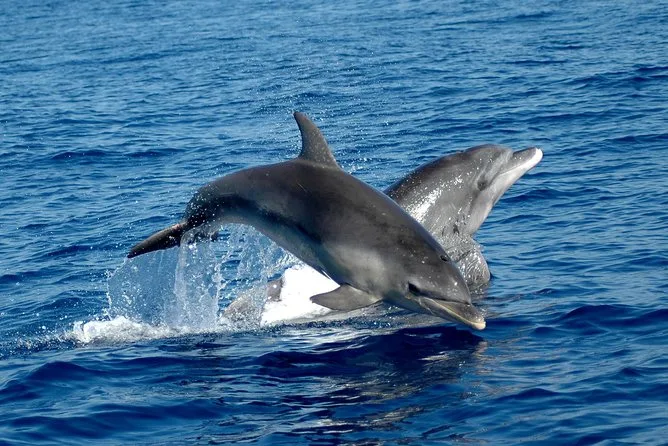
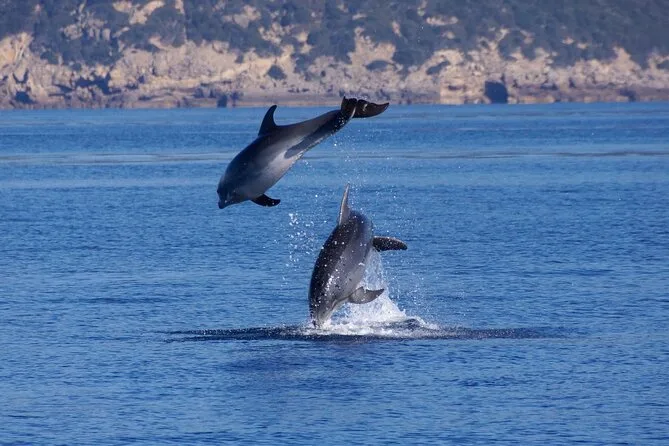
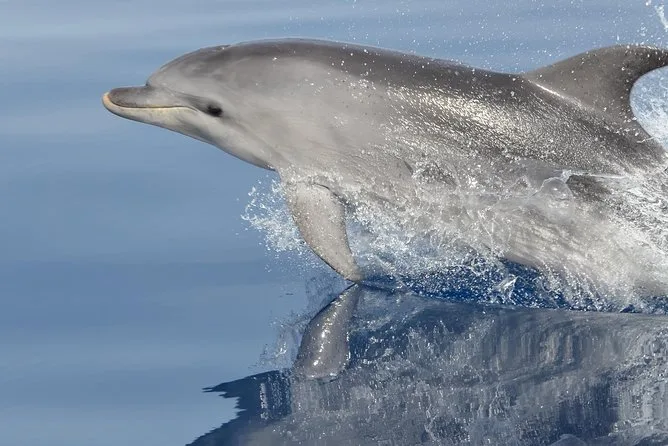
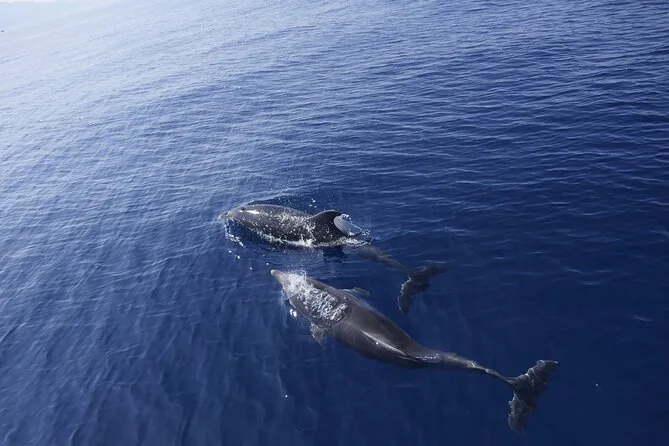
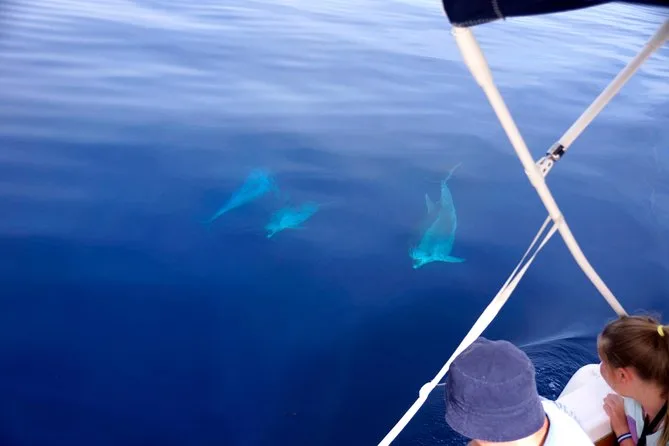
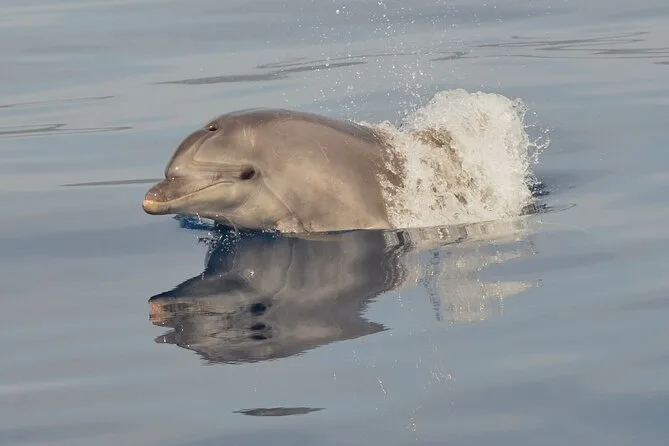
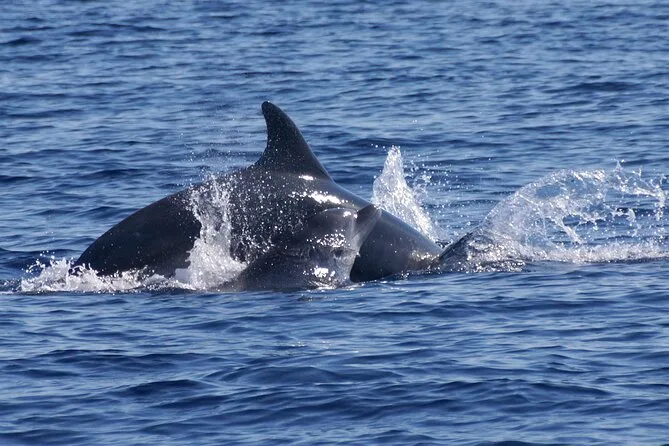
We cruised along the coast near Capo Caccia, which looked even brighter than I’d pictured (the water really is that clear). At one point, someone shouted “là!” and everyone scrambled to one side—there they were: bottlenose dolphins arcing through the light chop. Paolo explained how they identify each dolphin by its dorsal fin scars. He told us Shark Junior was probably hunting that morning. Honestly, I got so caught up watching them that I forgot to take any photos until it was almost too late. The engine stayed pretty quiet; apparently, it’s designed that way for the dolphins’ sake.
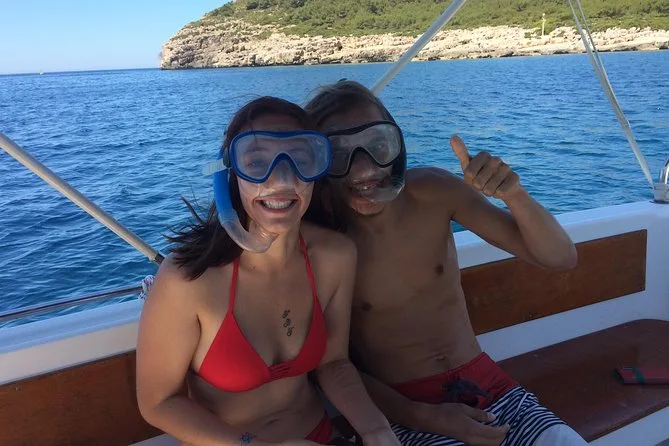
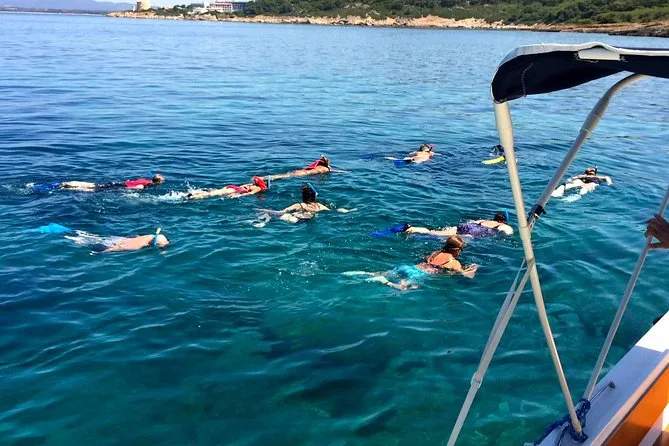
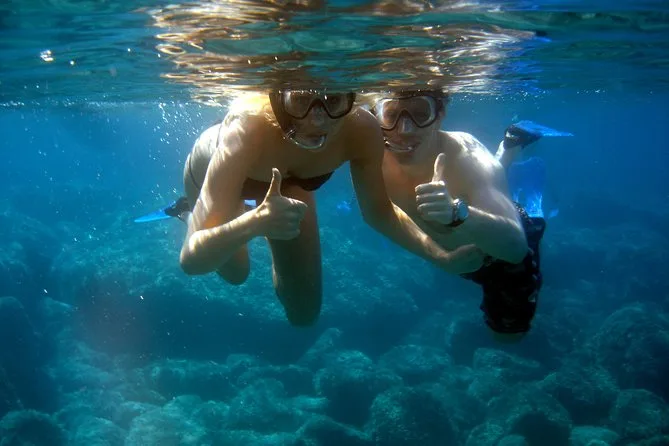
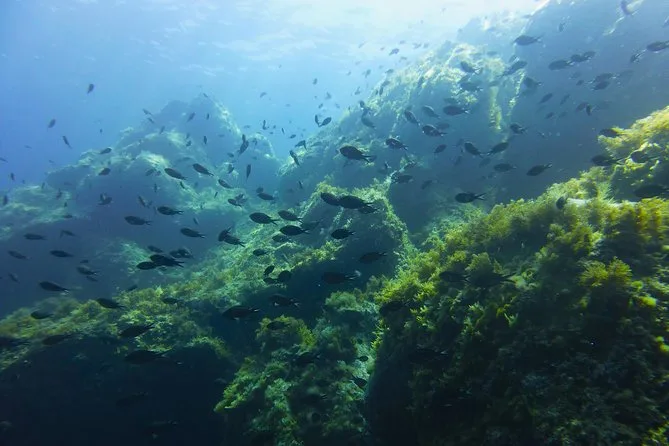
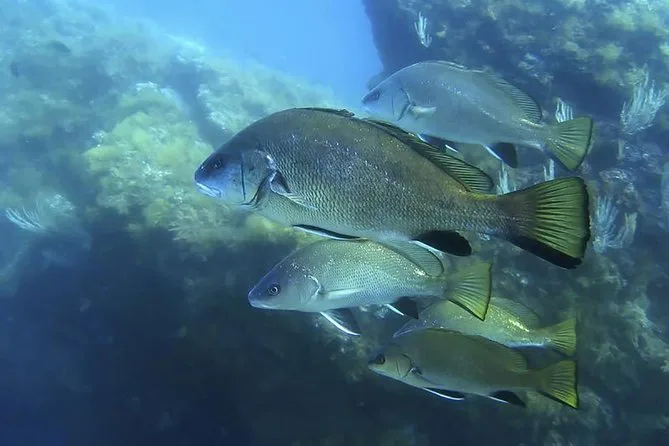
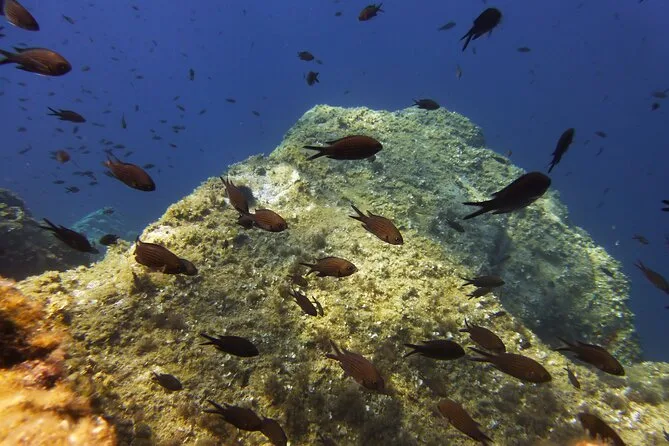
After all that excitement, we anchored for snorkeling. I’m not exactly Jacques Cousteau—I always get water up my nose—but our guide Sofia handed me a mask and gave me this reassuring nod before jumping in herself. The water was cold at first but then kind of silky once you got used to it. Schools of tiny silver fish darted around my legs and there was this one bright orange starfish clinging stubbornly to a rock (Sofia laughed when I tried to say “stella marina” in Italian). We floated for what felt like ages; sometimes all you could hear was your own breathing and distant gulls.
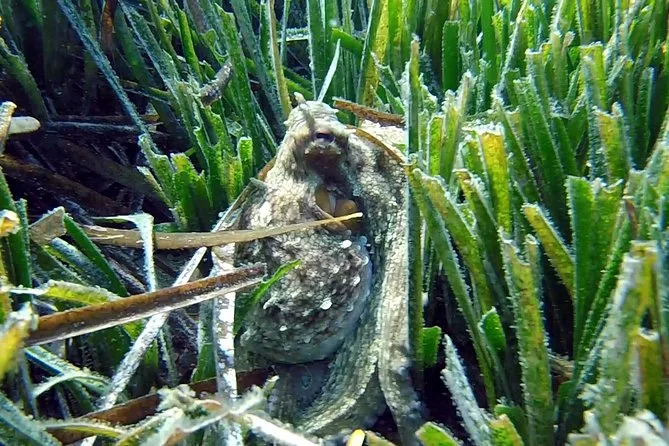
Back on board, drying off in the sun, Paolo answered every random question we threw at him—about dolphin behavior, conservation work, even what happens if you don’t spot any dolphins (he just shrugged: “That’s nature”). I still think about those moments drifting above the seagrass beds and hearing those strange underwater sounds echoing through the hull. If you’re curious about dolphin watching in Alghero or just want a day that feels both wild and thoughtful… well, this is it.
 4h
4h

Step-by-step itinerary
Day 1 — Dolphin watching and snorkeling tour
- Meet MareTerra NGO scientists onboard
- Navigate Gulf of Alghero searching dolphins
- Learn about dolphin biology and behavior
- Listen to recorded dolphin sounds
- Observe dolphins using photo-identification
- Admire Sardinia coast and marine park
- Snorkel with guided underwater exploration

Top questions

What’s included in the Alghero dolphin watching tour?
The tour includes guided dolphin watching with marine biologists, snorkeling equipment (mask and fins), entrance to Capo Caccia Marine Protected Area, species ID booklets, and certified guides.
How likely is it to see dolphins on this tour?
The chance of spotting dolphins is about 80%, according to MareTerra’s researchers.
Is snorkeling experience required for this tour?
No experience is needed; guides provide instructions and accompany guests during snorkeling.
Are children allowed on the dolphin watching tour?
The tour is suitable for kids from 5 years old and up.
Is hotel pickup included?
No hotel pickup is provided; guests meet at the departure point in Alghero.
What should I bring for the tour?
You should bring water, a beach towel, swimsuit, sunscreen, sunglasses, and a sunhat.
Are there toilets on board?
No toilet facilities are available on board during the excursion.
What happens if no dolphins are seen?
No refund is provided if dolphins aren’t sighted; sightings depend on nature.

What’s included
Your day includes guided dolphin watching with local marine biologists from MareTerra NGO aboard a quiet-engine boat into Capo Caccia’s protected waters. You’ll get all your snorkeling gear fitted (they even ask your shoe size after booking), entrance fees covered for the marine area, expert guidance both above and below water—including safety-certified staff—and plenty of stories plus species ID materials so you actually know what you’re seeing out there.
 Super deal
  Free booking, free cancellation.
  Don't lose your place.


 Do you need help planning your next activity?
  +507 6792-0894


